





Small Wooden Footstool
A small wooden footstool brings warmth and utility to any room, offering low-level seating or a resting place for tired feet.
Small Wooden Footstool
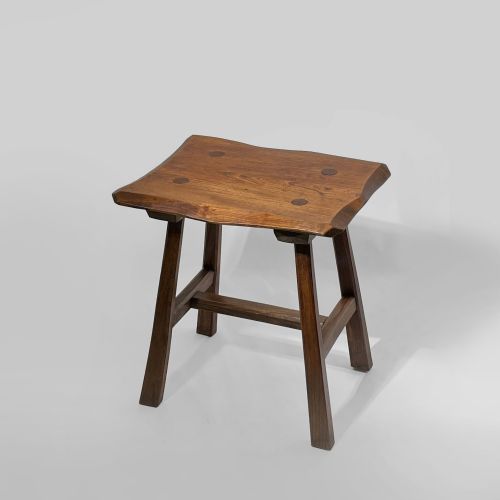
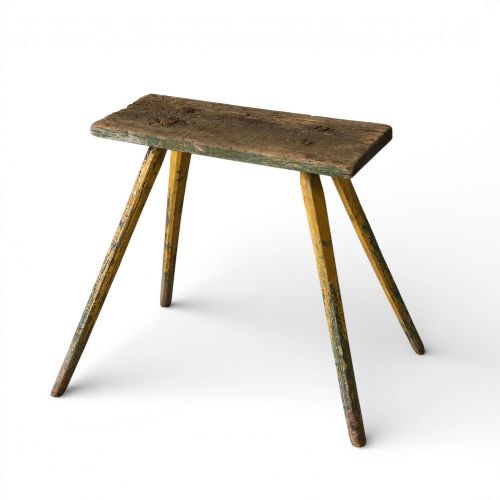
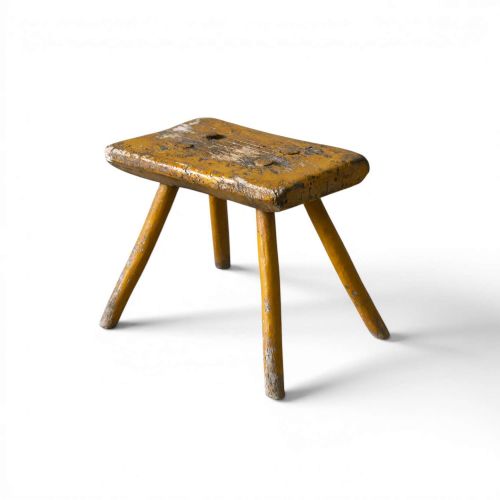
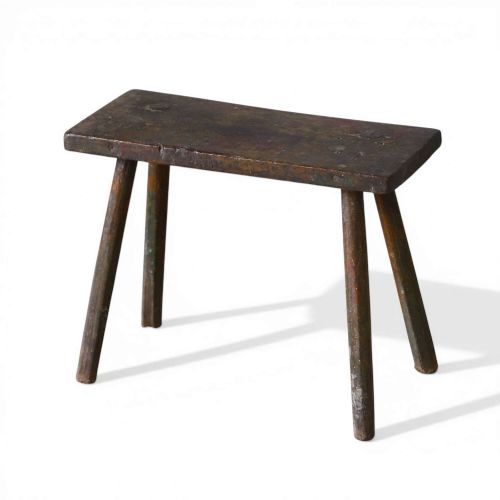
A small wooden footstool serves as a low seat or a rest for the feet, appearing across domestic settings in various utilitarian and decorative forms. When exploring the category of small wooden footstool, you encounter diverse regional variations from English, French, and Eastern European traditions.
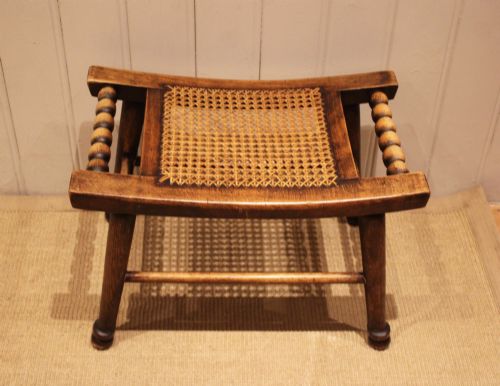
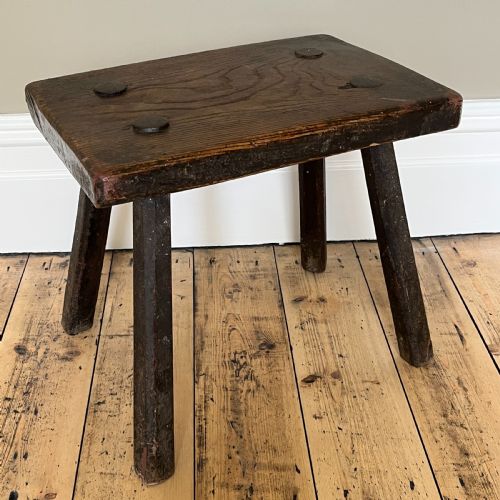
The pieces span multiple eras including the Georgian, Victorian, and Edwardian periods, alongside rustic vernacular and Arts and Crafts examples. Forms range from milking stools and nursery stools to cane seat stools and upholstered fireside designs.
Materials dictate much of the character, with timbers such as oak, elm, walnut, beech, and ash forming the primary structures. Surfaces often feature original paint, polished timber, or textile coverings like tapestry and rush.
Construction and materials
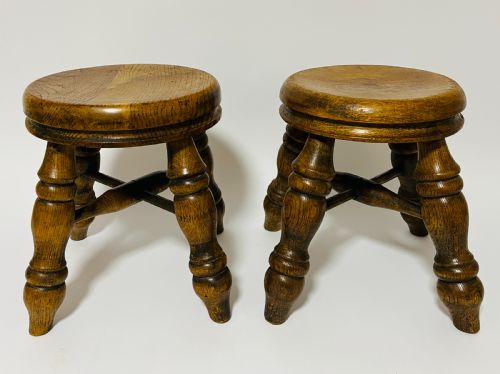
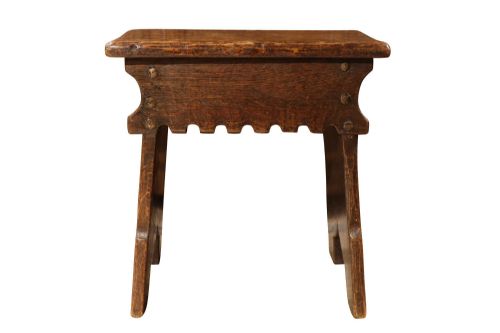
Joinery relies on traditional methods such as pegged construction and turned wood components to create stable, load-bearing frames. Hardwoods like oak, walnut, and elm provide structural integrity, while softer pines and ash appear in specific regional or utilitarian pieces.
Upholstered and woven variations incorporate cane, rush, and needlepoint tapestry fixed over timber foundations. Surface treatments include original ochre or green paint, ebonising, and parcel gilding to alter the visual appearance of the wood.
Listings feature timbers including oak, elm, walnut, ash, and pitch pine across Victorian, Edwardian, and earlier nineteenth-century periods.
Assessing quality and craftsmanship
The standard of timber selection and joinery distinguishes finer pieces from purely utilitarian items, with tight pegging and well-turned legs indicating careful carpentry. Details like sculpted rounded seats, burr yew wood, or inlaid Tunbridge ware show deliberate aesthetic ambition beyond simple daily utility.
The preservation of original surface treatments, such as early paint layers or undisturbed patination, contributes significantly to the integrity of the piece. Subtle carving work and balanced proportions elevate domestic workshop items into notable examples of period craft.
The Small Wooden Footstool Glossary
- Milking stool
- A simple three-legged or four-legged low stool traditionally used for milking cows by hand. These domestic items often feature rustic turned legs and sturdy timber seats.
- Rush seat
- A woven seating surface made from dried marsh rushes twisted into cords. This technique appears frequently on traditional country seating.
- Tunbridge ware
- A form of decorative woodworking characterised by intricate mosaics made from tiny pieces of naturally coloured woods. It decorates the surfaces of boxes and small furniture.
- Vernacular
- Architecture and objects built by local craftspeople using traditional regional methods and materials without high-style academic design. These pieces reflect local practical needs.
- Parcel gilt
- A decorative technique where specific raised portions of an object are covered with thin gold leaf or gilt paint. It contrasts brightly against dark ebonised wood surfaces.
Small Wooden Footstool: Frequently Asked Questions
How do I care for antique timber?
Keep wooden stools away from direct heat sources and dramatic humidity fluctuations to prevent timber splitting. Gentle dusting and occasional application of appropriate wax help maintain the finish.
Avoid harsh chemical cleaners that can strip original paint or dry out aged patina on the wood surface.
Are these stools comfortable?
Comfort varies depending on whether the top is solid timber, woven rush, or stuffed upholstery. Solid wood seats offer firm, low-level perches or leg rests.
Upholstered Victorian examples and woven cane seats provide softer cushioning designed for extended fireside lounging.
How are periods identified?
Periods are identified by examining construction techniques, tool marks, timber choices, and stylistic traits associated with specific eras. Victorian pieces often display darker finishes or intricate upholstery, while Edwardian items lean toward lighter domestic woods.
Comparing leg turning styles and joining methods helps narrow down the probable manufacturing decade or century.