





Small Country Stool
A small country stool brings honest, utilitarian carpentry into modern rooms through vernacular forms crafted from local timbers.
Small Country Stool
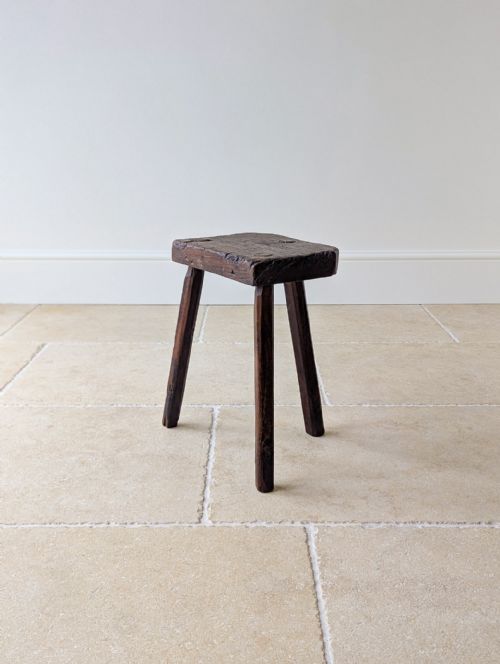
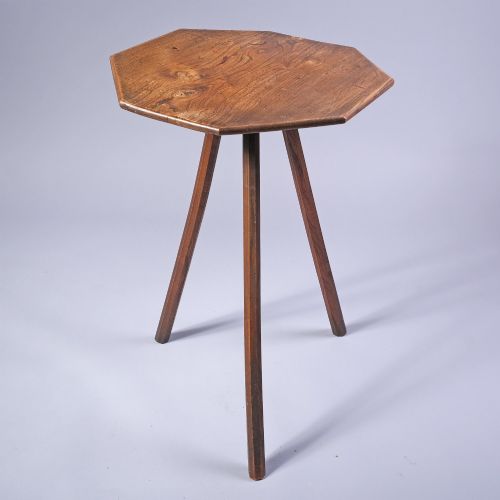
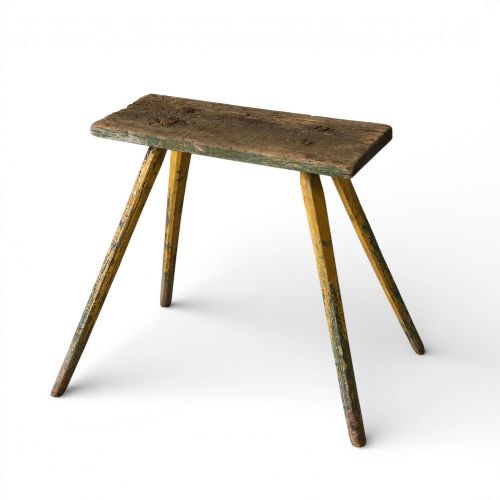
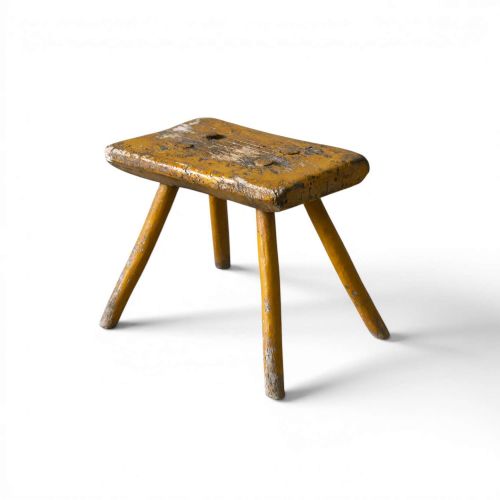
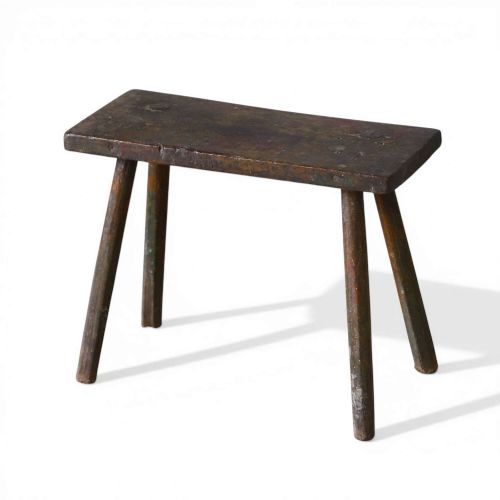
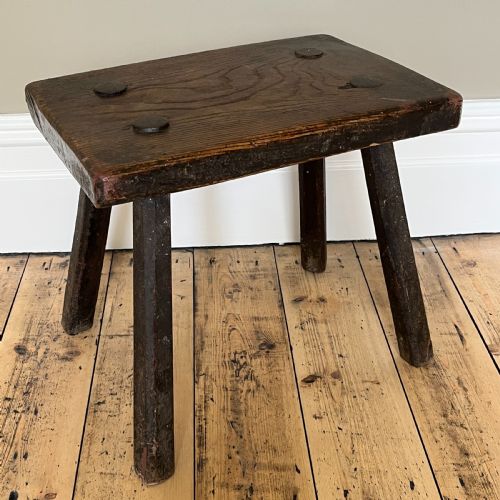
When you search for a small country stool, you encounter low seating designed for domestic, agricultural or workshop tasks rather than formal entertaining. The items gathered here span centuries of vernacular design, featuring utilitarian objects produced by regional makers.
The most common forms on this page include milking stools, footstools and low occasional seating originating from English, French and Eastern European traditions. These pieces typically display straightforward construction methods suited to rural life.
Materials range from sturdy oak and elm to fruitwood and pine, occasionally retaining traces of original paint or surface decoration. Their diminutive scale makes them adaptable for placement beside firesides or low tables.
How they were made
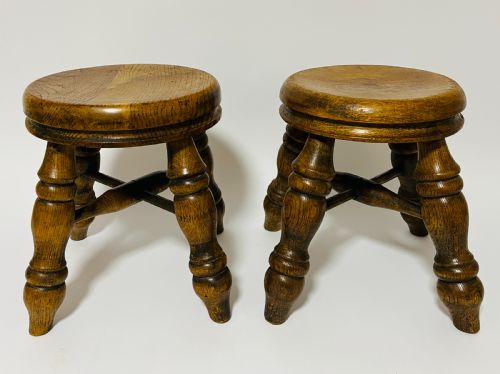
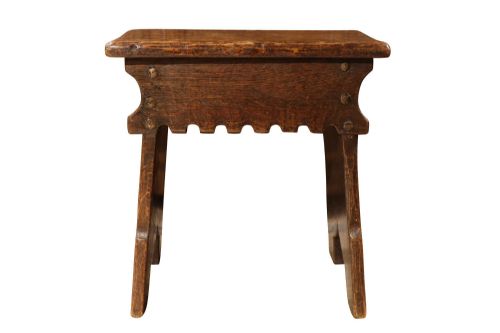
Construction relies heavily on solid regional timbers like oak, elm, ash and fruitwood, selected for availability and durability rather than decorative grain. Joinery often employs pegged construction or simple turned legs wedged directly into sculpted seats.
Many examples utilise rustic techniques such as scratch-built framing or boarded joints secured with wooden pegs. Surfaces frequently show the marks of drawknives, adzes and lathes used by regional artisans.
One tiny stool spent its working life helping a Birmingham jeweller reach the workbench.
What varies in quality
Quality rests in the integrity of the original construction and the character imparted by genuine use over generations. Pieces with untouched surfaces and retainable original paint finishes stand apart from heavily restored examples.
Proportion and the harmony of the timber selection dictate distinction among vernacular items. A well-balanced silhouette with pleasing wear to the seat edges demonstrates superior vernacular design.
The Small Country Stool Glossary
- Vernacular
- Architecture or furniture built by local artisans using traditional methods and local materials, without academic design input. It reflects regional customs and practical utility.
- Milking stool
- A low three-legged stool originally designed for milking cows in the field or byre. The tripod base provides stability on uneven ground.
- Pegged construction
- A traditional method of joining wooden components using tight-fitting wooden pins rather than metal nails or modern glues. This allows the timber to expand and contract naturally.
- Five-plank stool
- An early form of boarded seating constructed from five individual pieces of timber locked together without complex joinery. It represents a sturdy and ancient carpentry tradition.
Small Country Stool: Frequently Asked Questions
How were milking stools used?
Milking stools were designed as low, stable seats for agricultural workers tending to livestock. Their tripod construction prevented rocking on uneven farm floors.
Today, these pieces function well as low side tables or compact seats in small spaces.
What woods were used for these stools?
Maker workshops utilised accessible local hardwoods and softwoods such as oak, elm, ash, beech and fruitwood. Elm was frequently chosen for seats due to its resistance to splitting.
Legs were often turned from straight-grained ash or oak for added structural strength.
How do I care for original paint?
Original painted surfaces require minimal intervention, avoiding harsh chemical cleaners or modern polishes. Gentle dusting preserves the historic pigment layers.
Keep these pieces away from direct heat sources and strong sunlight to prevent the timber and paint from drying out.
Are these stools comfortable to sit on?
Many country stools feature seats sculpted by hand to fit the body, offering surprising comfort despite their simple appearance. Others have flat wooden boards intended for brief tasks.
Adding a small cushion or folded textile can adapt a rigid antique seat for extended daily use.