

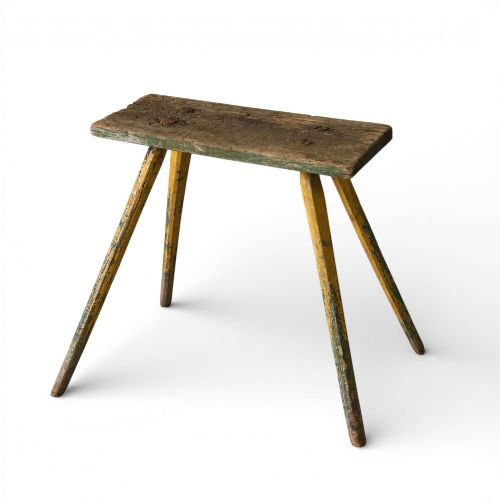


Early 20th Century Stool
An early 20th century stool brings immediate character to a room, offering practical seating and traditional craft from a diverse period of design.
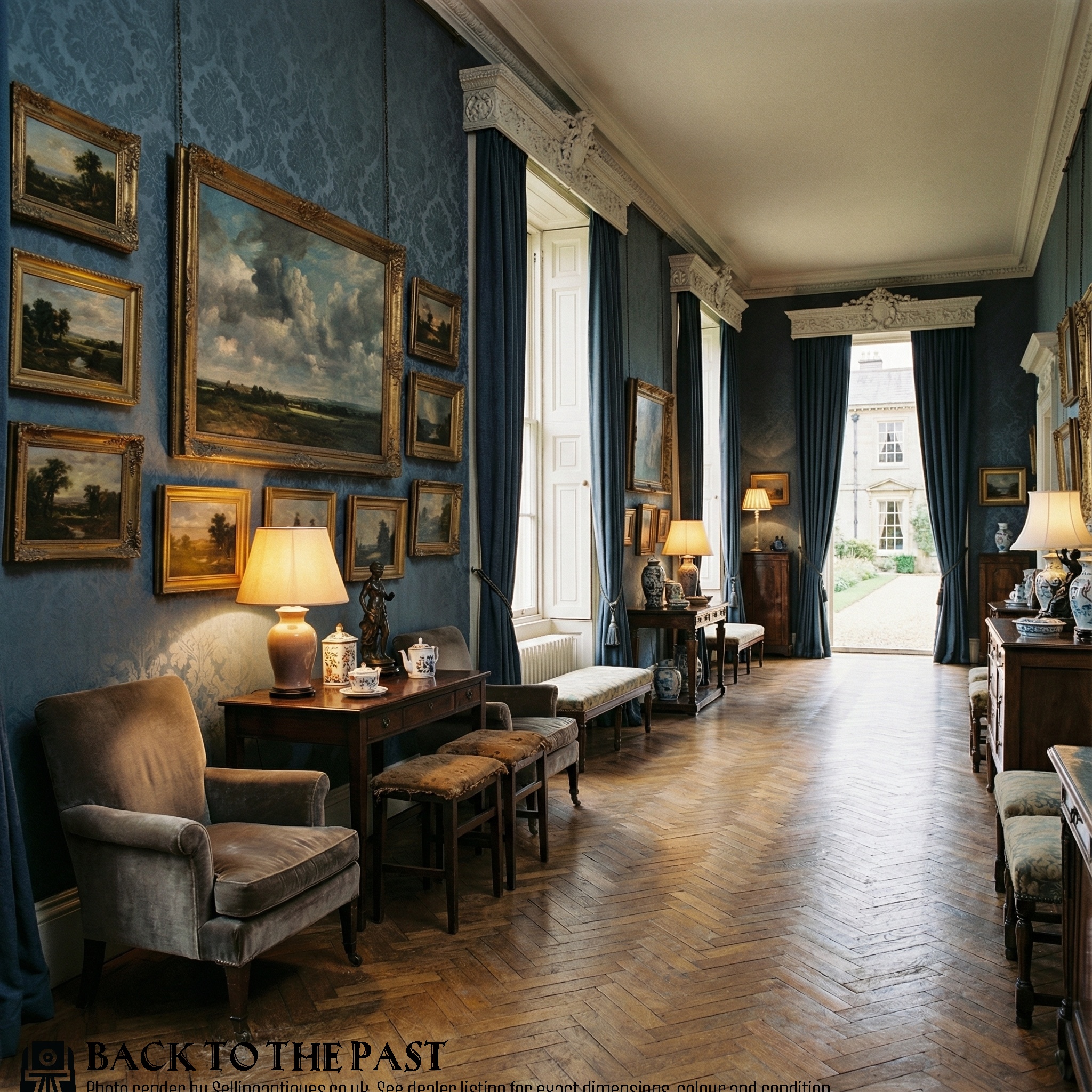
Early 20th Century Stool
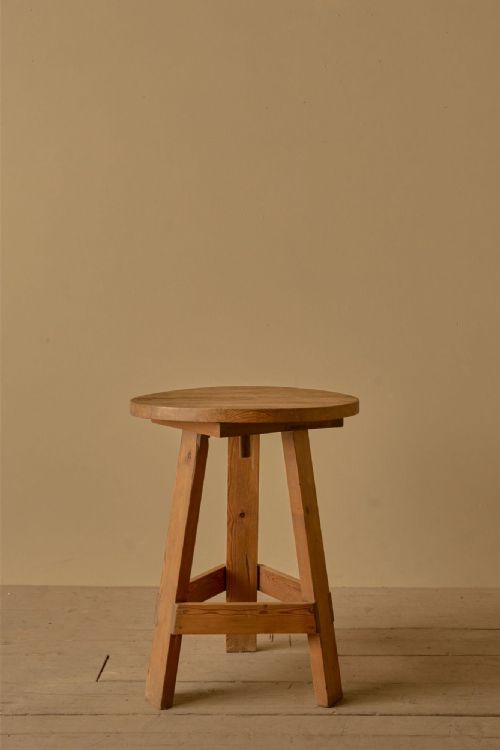
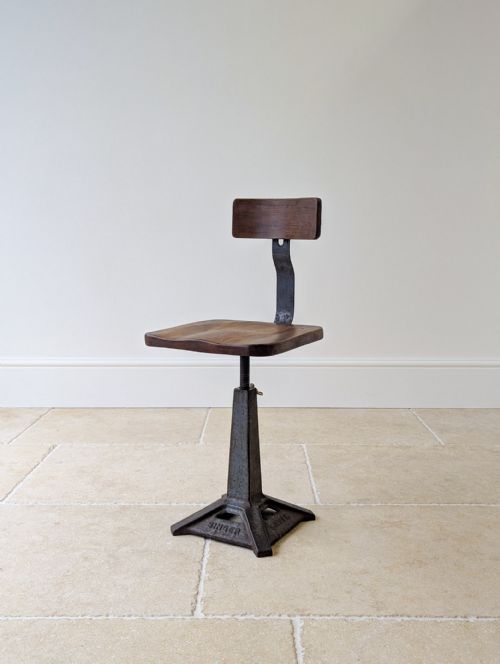
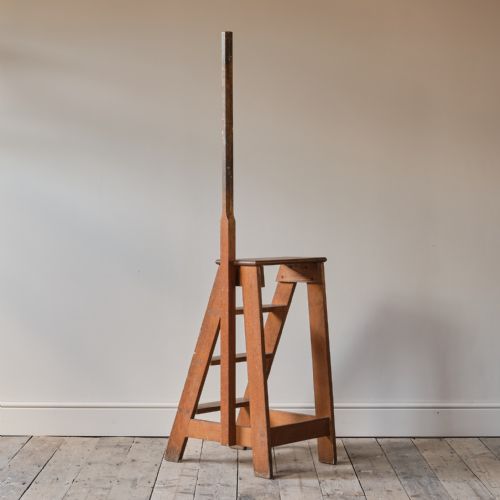
An early 20th century stool encompasses a wide variety of forms, ranging from utilitarian seating to decorative household furnishings. Buyers encounter diverse regional styles, including rustic country pieces and revival designs influenced by earlier centuries.
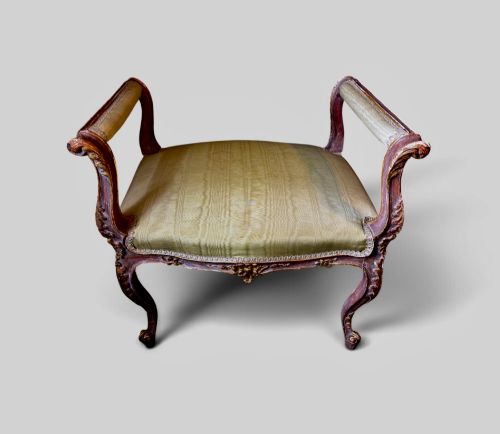
Makers and manufacturers during this era drew heavily upon historical aesthetics, producing pieces in Queen Anne, Jacobean, Georgian, and Louis XV revivals alongside Arts and Crafts and Edwardian sensibilities.
Materials and Construction
Makers utilised solid timbers predominantly, with oak, mahogany, walnut, elm, beech, and general hardwoods forming the primary structural frames. Joinery often relied on traditional methods such as mortise and tenon joints, particularly in joint stools and rustic seating.
Surfaces frequently display hand-carving, turning, and engraving, particularly on brass tripod models and oak joint stools. Upholstered variants incorporate tapestry seats, deep buttoning, leather, metal studs, cane, and rattan tops.
Early 20th Century Stool Retail Price Guide 2026
Typical asking prices for early 20th century stool among the pieces listed under this phrase on Sellingantiques today, from the lower quarter to the upper quarter. They describe what is for sale here now, not the wider market.
Some industrious makers repurposed church or tavern seating into domestic footstools, ensuring every scrap of sturdy timber found a home.
Evaluating Quality and Execution
The distinction between standard utility items and superior examples lies in the integrity of the timber selection and the precision of the hand-carved or turned details. Sturdy construction in primary woods like oak and walnut elevates a piece above simpler stained beech or lesser hardwood equivalents.
Refinement in upholstery execution and the retention of original surface finishes, whether polished wood, painted rustic treatments, or integrated cane and tapestry work, determine the overall calibre of the surviving object.
William Wheeler of Arncroach
The Early 20th Century Stool Glossary
- Joint stool
- A solid timber framed stool constructed with pegged mortise and tenon joints rather than turned legs alone. These sturdy seats date back centuries in design but saw considerable revival production.
- Duet piano stool
- A wider seating platform designed for two players, often incorporating a hinged lid that opens to reveal internal music storage compartments. They are frequently fashioned in mahogany or walnut.
- Luggage stand
- A low support frame, sometimes combined with a stool function, utilised for resting travel trunks and cases in domestic bedrooms. They often feature walnut framing paired with rattan or cane surfaces.
- Milking stool
- A simple, typically three-legged rustic seat designed for agricultural utility during milking. These pieces showcase vernacular woodworking traditions using elm, oak, or mixed hardwoods.
- Tapestry seat
- An upper upholstered cushion surface worked in needlepoint or woven textile depicting traditional patterns. Such seats often adorn mahogany and oak dressing table or piano stools.
Early 20th Century Stool: Frequently Asked Questions
What styles are common in these stools?
Makers of the period drew heavily on historical aesthetics, resulting in numerous revival pieces. Common examples include Jacobean, Georgian, and Queen Anne revivals alongside rustic country and Arts and Crafts forms.
These diverse stylistic influences mean buyers can find ornate carved seating as well as stark, functional vernacular items designed for specific domestic tasks.
How were piano stools utilised?
Piano stools provided adjustable or extended seating for musicians practicing keyboard instruments in the home. Many duet versions included internal storage space for sheet music.
These pieces combined practical utility with polished mahogany or walnut aesthetics suited to Edwardian and interwar parlours.
Where were luggage stands placed?
Luggage stands served as dedicated platforms for guests to unpack suitcases without placing them directly on beds or floors. They appeared frequently in bedrooms and dressing rooms.
Combined luggage stand stool variants offered dual functionality as temporary seating or luggage supports.