

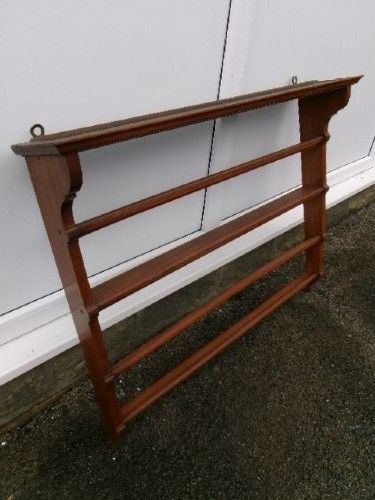
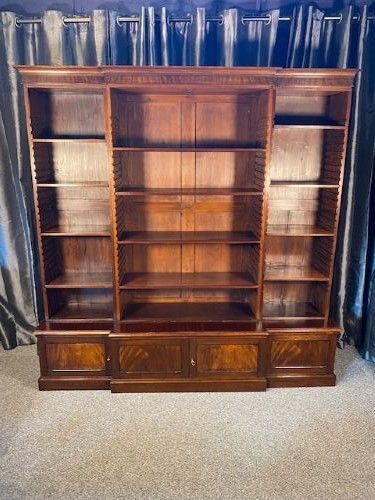
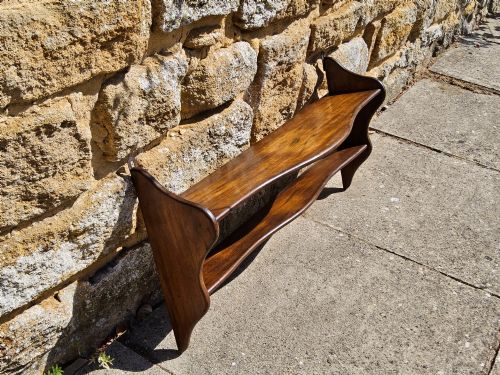

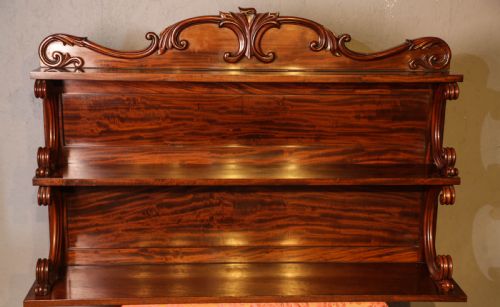


Carved Wooden Wall Unit
These carved wooden wall unit pieces bring practical display and historic character to empty walls, constructed from solid timber with traditional joinery.
Carved Wooden Wall Unit
A carved wooden wall unit encompasses hanging shelves, corner cupboards, and wall cabinets designed to maximise space without cluttering the floor. Buyers look for these pieces to add period charm and functional storage to domestic interiors.
The selections available span multiple centuries and stylistic traditions, including Georgian country pieces, Victorian designs, and Arts and Crafts examples. Oak, walnut, and pine predominate across the forms, ranging from simple plate racks to large bookcases.
How they were made
Carpenters utilised solid hardwoods and softwoods such as oak, mahogany, walnut, and pine, often enhancing surfaces with inlay and hand painting. Construction relied on traditional joinery methods appropriate to the period and regional workshop practices.
Decorative detailing on these items involves carved woodwork, brass hardware, and iron fittings that secure the structures for wall hanging or corner placement. Veneers such as flame mahogany also appear on select cabinet doors.
Carved Wooden Wall Unit Retail Price Guide 2026
Typical asking prices for carved wooden wall unit among the pieces listed under this phrase on Sellingantiques today, from the lower quarter to the upper quarter. They describe what is for sale here now, not the wider market.
The listings feature pieces spanning the 18th century, 19th century, Victorian, and Edwardian periods, constructed in oak, walnut, mahogany, and pine.
What varies in quality
Quality differences rest in the depth and crispness of the carving, the selection of timber figures, and the integrity of the original joints. Superior pieces exhibit careful attention to proportion and harmonious integration of brass or iron hardware.
Simpler vernacular items show straightforward construction with basic pine or oak boards, whereas finer examples display sophisticated revival styling, detailed inlay work, or specialised limewood carving.
The Carved Wooden Wall Unit Glossary
- Plate Rack
- A wall-mounted fixture featuring grooved shelves and retaining rails designed specifically to display plates upright.
- Corner Cupboard
- A cabinet built with an angled footprint to fit neatly into room corners, often featuring panelled doors.
- Inlay
- A decorative technique where contrasting woods or materials are fitted into depressions within the primary surface.
- Arts and Crafts
- A design movement emphasising handcraftsmanship, simple forms, and traditional materials over industrial production.
Carved Wooden Wall Unit: Frequently Asked Questions
How do I hang a heavy wooden wall unit?
Heavy wall units require secure fixing directly into wall studs or masonry using appropriate brackets and screws. Consult a professional to ensure the wall structure can support the combined weight of the timber and displayed items.
Distributing weight evenly across the mounting points prevents strain on historic joints and keeps the piece stable over time.
What is the difference between an 18th century and a Victorian wall cabinet?
Eighteenth-century cabinets often feature simpler, functional country designs in oak or pine with understated mouldings. Victorian pieces frequently showcase heavier proportions, revival styles like Gothic or Chippendale, and more elaborate carved ornamentation.
Examining the timber grain, construction marks, and hardware helps distinguish between the earlier vernacular styles and later industrial-era revivals.
How do I care for antique wood shelves?
Maintain antique wooden surfaces by dusting regularly with a soft, dry cloth and avoiding silicone-based polishes. Keep them away from direct sunlight and extreme humidity fluctuations to prevent timber movement or cracking.
Applying a gentle beeswax occasionally nourishes the dry wood and preserves the historic finish.