







Wooden Wall Brackets
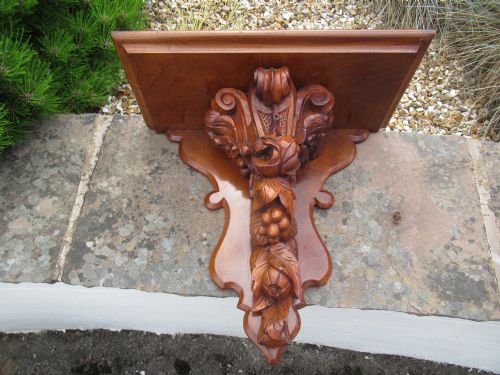
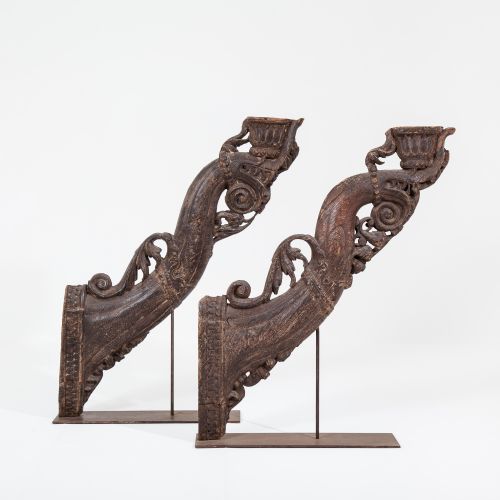
These wooden wall brackets are practical architectural supports and decorative ledges carved to elevate ornaments and lights.
Wooden Wall Brackets
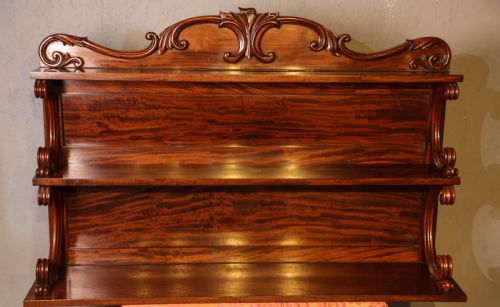
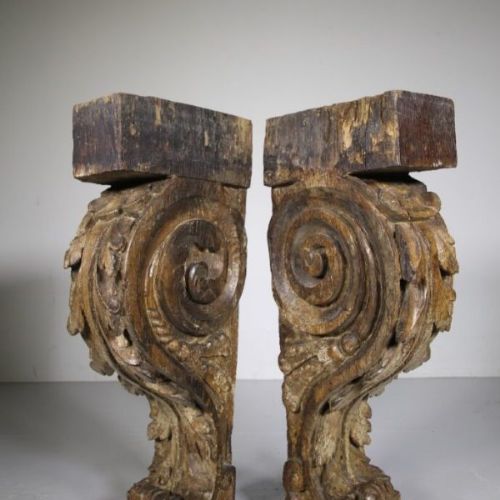
When you search for wooden wall brackets, you encounter everything from sturdy oak corbels to giltwood display ledges designed to project from a vertical surface. The selection spans centuries of craftsmanship, including examples from the Victorian and Georgian eras alongside pieces reflecting Italian Baroque and French Provincial tastes.
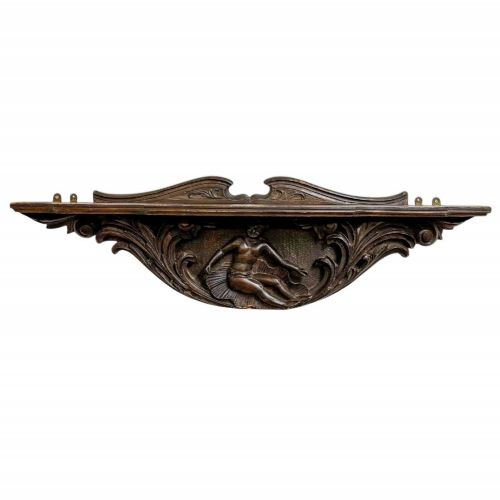
You are most likely to meet carved walnut, mahogany, and pine specimens on this page, often formed as single shelves, pairs of matching display ledges, or architectural fragments repurposed for interiors. Many incorporate functional elements such as small platforms for clocks, mirrors, or lighting fixtures.
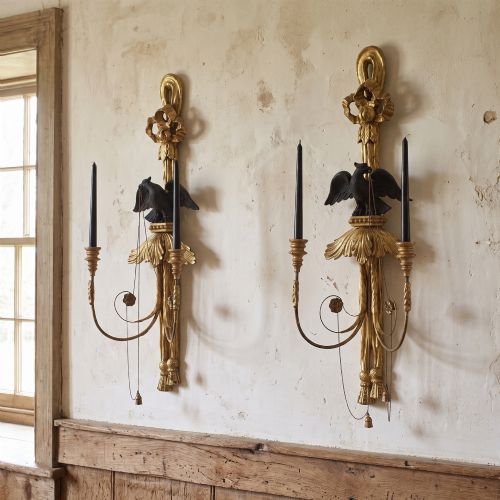
The assortment reaches from rustic seventeenth-century oak corbels to highly ornate nineteenth-century giltwood pieces adorned with cherubs or eagles. Whether sourced locally or originating from continental workshops, each piece serves to break the flatness of a wall while bearing weight.
How they were made
Makers utilised dense timbers such as mahogany, walnut, and oak to carve these supports, relying on the grain strength to hold projecting ledges without splitting. Pine and softer woods appeared frequently when the finished item required gesso or polychrome paint application.
Carvers employed hand chisels and gouges to shape deep relief motifs like acanthus leaves, scrollwork, and figurative elements directly into the timber. Gilders subsequently applied gold leaf over prepared gesso surfaces to achieve the reflective finishes seen on Baroque and Neoclassical examples.
Listings feature woods spanning mahogany, oak, walnut, and pine, alongside decorative finishes like gesso and giltwood from the seventeenth to twentieth centuries.
What varies in quality
Depth and crispness of the hand-carving separate ordinary production from superior examples, as skilled carvers undercut the wood to create deep shadows and realistic movement in foliage or figures. The choice of timber also dictates grade, with finely figured mahogany and dense seventeenth-century oak commanding greater respect than softer, plain woods.
Proportion and structural integrity define the higher tiers, where the weight-bearing backplate integrates harmoniously with the projecting shelf rather than relying on crude mechanical joins. Original surface treatments, such as untouched patination on walnut or intact historical gilding, elevate a piece far above items stripped or repainted in later decades.
Luigi Frullini·Henry Deykin·Cording of London·Connell of London·J. A. Wheatley Carlisle
The Wooden Wall Brackets Glossary
- Corbel
- A structural bracket projecting from a wall to support a weight, usually carved from stone or timber with a scroll profile. They often terminate in a volute or figurative head.
- Giltwood
- Timber that has been coated with a thin layer of gold leaf over a prepared gesso base. This technique was widely utilised in Georgian and Victorian decorative arts.
- Gesso
- A plaster-like mixture applied to wood surfaces to provide a smooth base for gilding or painting. It accepts fine incision work before the metal leaf is laid down.
- Polychrome
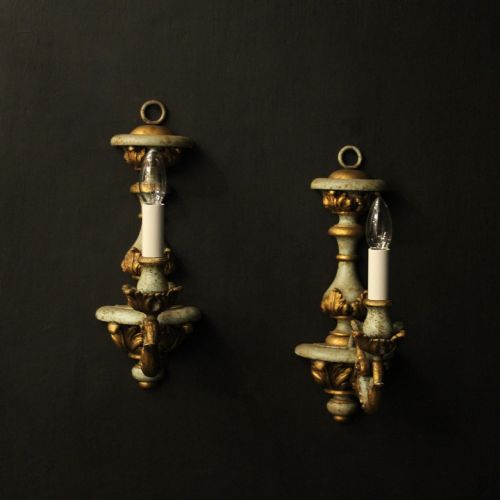
- Decorated in multiple colours, frequently seen on continental wall lights and brackets from Italian workshops. The paintwork highlights carved details and figures.
- Console
- A decorative table or bracket supported by wall-fixed scroll brackets rather than vertical legs. They provide narrow display space in hallways and reception rooms.
Wooden Wall Brackets: Frequently Asked Questions
How were wooden wall brackets originally used?
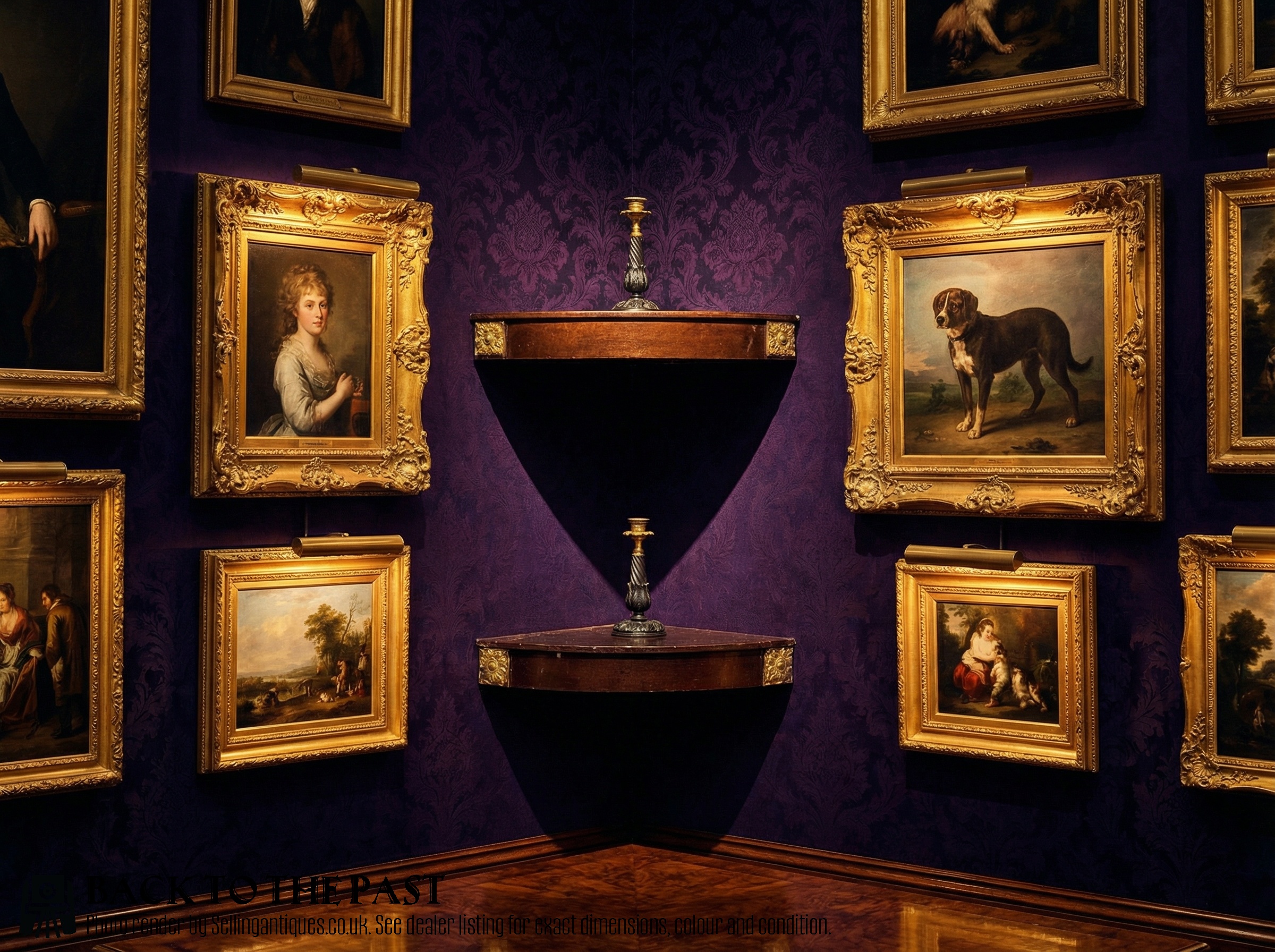
These pieces served multiple domestic purposes, acting as structural reinforcement for heavy lintels, supporting projecting surfaces, or holding lighting and clocks. In period interiors, they provided designated display spots for prized ceramics, bronzes, and candlesticks.
Pairs were frequently deployed symmetrically around fireplaces or doorways to create balanced focal points within formal rooms. Their sturdy projection allowed homeowners to display decorative items at eye level without occupying floor space.
How do I secure a heavy wooden bracket safely?
Mounting requires locating solid wall studs or using heavy-duty proprietary wall anchors appropriate for your specific plaster or masonry construction. Because historical brackets often project significantly, the weight of whatever sits upon them creates leverage that pulls directly outward.
Ensure the backplate makes flush contact with the wall surface so that fixing screws bear the load evenly. Consulting a professional installer is wise when mounting dense hardwood or large architectural fragments.
How do I tell an 18th-century bracket from a Victorian copy?
Examine the tool marks left on the reverse and hidden areas, as hand-cut chisel facets differ markedly from later machine-sanded profiles. Eighteenth-century timber exhibits natural shrinkage, deep patination, and dry wax accumulation built up over generations.
Style revivals in the nineteenth century often produced heavier, more symmetrical interpretations that borrowed freely from earlier Georgian or Baroque design vocabulary. Look closely at how the components join together to understand the manufacturing period.
Can these brackets support heavy objects today?
Many solid oak and mahogany examples retain complete structural strength and easily bear the weight of modern clocks, books, or planters. However, delicate giltwood and gesso pieces are primarily decorative and should not be overloaded.
Assess the integrity of the joint where the shelf meets the backplate before placing valuable items on display. When in doubt, restrict older or repaired pieces to lightweight ornaments.