


Georgian Hanging Shelves
Georgian hanging shelves bring practical wall storage and warm timber grain to a room, offering open display space without occupying the floor.
Georgian Hanging Shelves
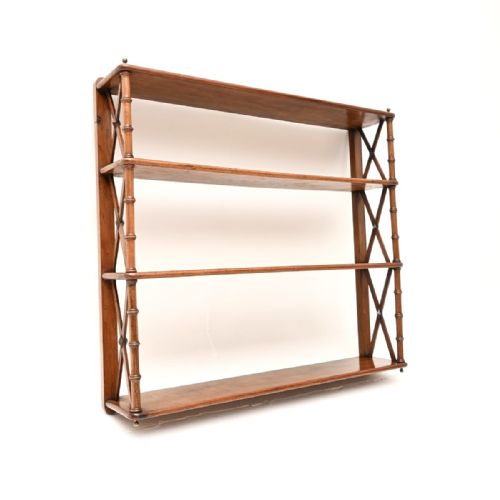
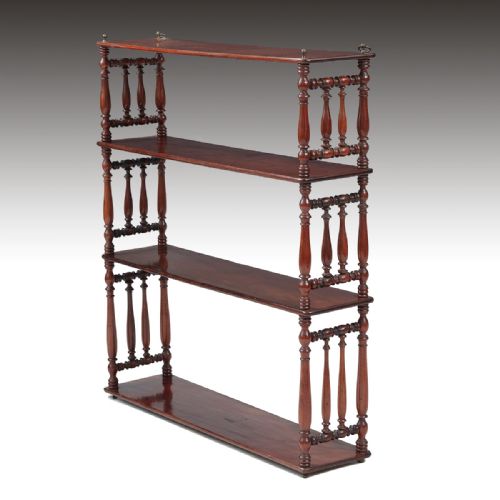
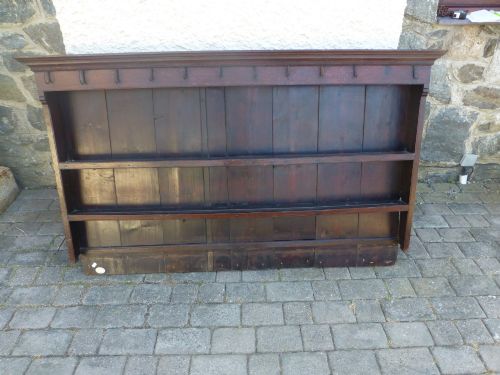
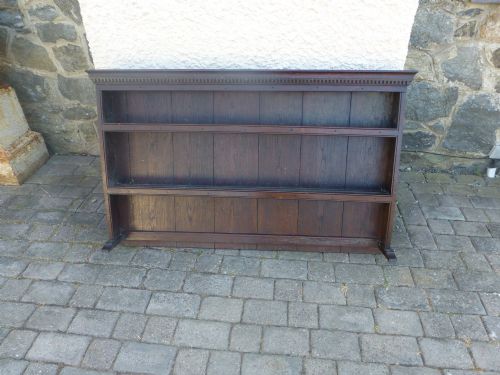
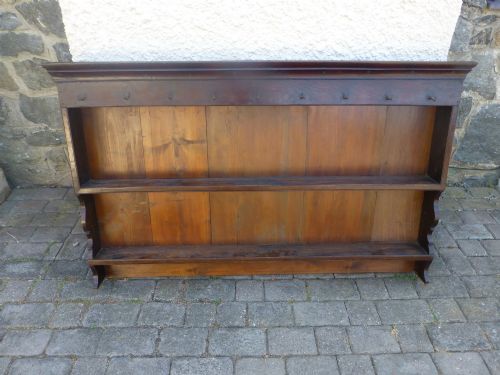
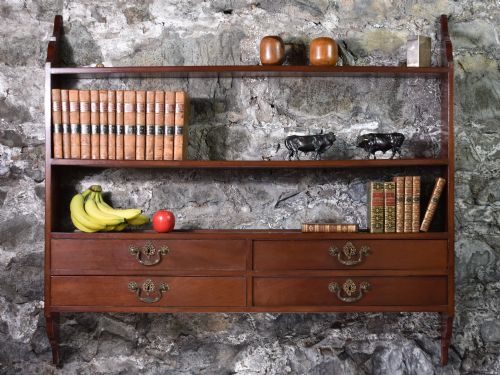
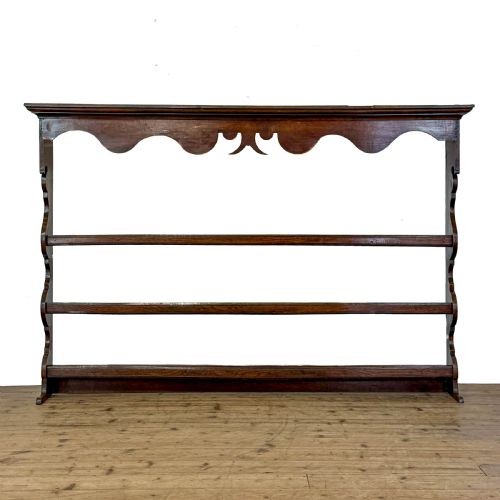
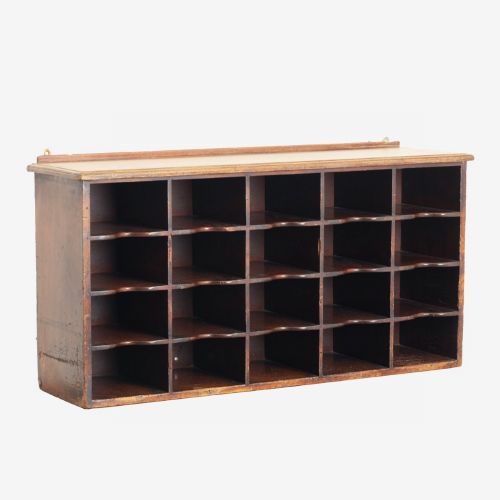
When you search for georgian hanging shelves, you encounter wall-mounted timber furniture designed to hold books, plates or small objects in domestic spaces. The pieces appearing here span straightforward oak racks to refined mahogany sets with multiple tiers and corner formats.
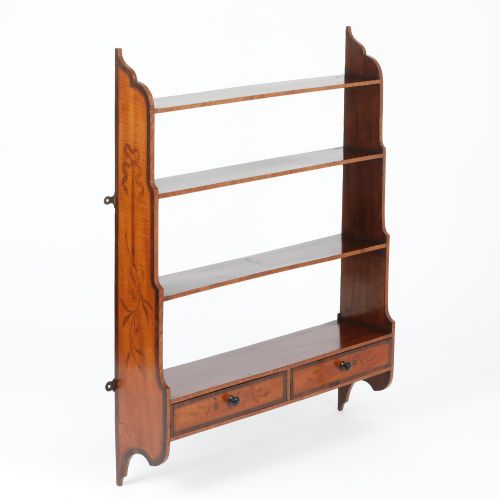
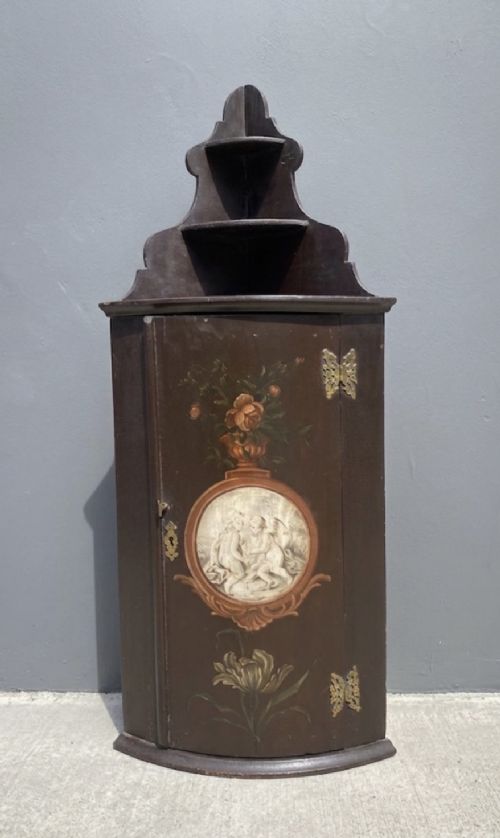
The selection ranges from early oak delft racks intended for kitchen display to later mahogany and satinwood waterfall bookcases or corner cupboards. Wall shelves, plate racks and hanging cabinets make up the primary forms meeting this description across the periods represented.
How they were made
Cabinet makers utilised dense native and imported timbers, notably mahogany and oak, alongside satinwood, walnut, pine and padouk for contrast and strength. Boards were joined with traditional woodworking methods suited to weight-bearing wall furniture.
Surface finishes involved polish, paint and occasional brass hardware such as suspension brackets or campaign fittings. Fretwork cutouts and tambour fronts appear on specific variations to ornament the timber structure.
Georgian Hanging Shelves Retail Price Guide 2026
Typical asking prices for georgian hanging shelves among the pieces listed under this phrase on Sellingantiques today, from the lower quarter to the upper quarter. They describe what is for sale here now, not the wider market.
Listings for georgian hanging shelves incorporate materials ranging from standard oak and mahogany to satinwood, walnut, pine, paint, brass, iron and padouk.
What varies in quality
Quality rests in the selection of timber grain, the crispness of mouldings and the integrity of the structural joints supporting the shelves. Finer examples display carefully matched mahogany figures or precise fretwork rather than plain utility construction.
Proportion and untouched patination distinguish superior pieces from heavier or later adaptations. Original backboards, brass mounts and consistent timber ageing separate standard vernacular items from finer cabinet work.
The Georgian Hanging Shelves Glossary
- Delft rack
- An open wall-mounted wooden shelving unit historically used to display ceramic plates and platters. These typically feature slotted rails or plate grooves along the timber shelves.
- Waterfall bookshelves
- Graduated tiered shelving units where each tier steps back from the one below it. This form appears in mahogany and satinwood.
- Tambour front
- A sliding door constructed from narrow vertical strips of wood glued to a canvas or leather backing. This allows the door to curve around corners on hanging cabinets.
- Bow front
- A convex curved cabinet or shelf front that projects outward from the wall. This shape occurs frequently in Regency corner shelving.
- Padouk
- A dense tropical hardwood with reddish tones utilised in select overseas furniture items. It provides a durable alternative to domestic timbers.
Georgian Hanging Shelves: Frequently Asked Questions
Where should I hang these shelves?
These shelves suit walls in studies, kitchens or living spaces where floor area is limited. Ensure fixings anchor securely into wall studs or solid masonry to support the weight of timber and books.
Position them at eye level or above furniture like sideboards to create a balanced visual display. Avoid damp walls that might affect the historic timber.
How do I tell an 18th-century rack from a later copy?
Examine the timber shrinkage, tool marks on the reverse boards and the method of joint construction. Earlier pieces often display hand-cut joinery and oxidised surfaces accumulated over centuries.
Look for consistency in the fixings and the natural wear patterns around the shelf edges. Later revivals typically show uniform machine milling rather than period hand craftsmanship.
Can these shelves hold heavy books?
Most hanging shelves were designed for lighter volumes, decorative plates or small ornaments rather than heavy folios. Check the depth of the tiers and the strength of the original hanging brackets before loading.
Smaller portable bookshelves and pigeon holes suit desk organisation rather than heavy storage. Distribute weight evenly across the tiers to protect the wall fixings.
How do I care for the mahogany and oak surfaces?
Dust the timber regularly with a soft, dry cloth to prevent grit accumulation in the grain. Apply traditional beeswax sparingly to nourish the wood without building up a sticky residue.
Keep the shelves away from direct heat sources and strong sunlight to prevent the timber from warping or fading. Maintain stable indoor humidity levels.