




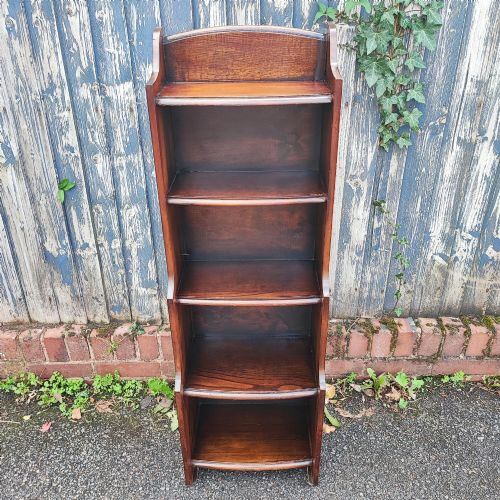

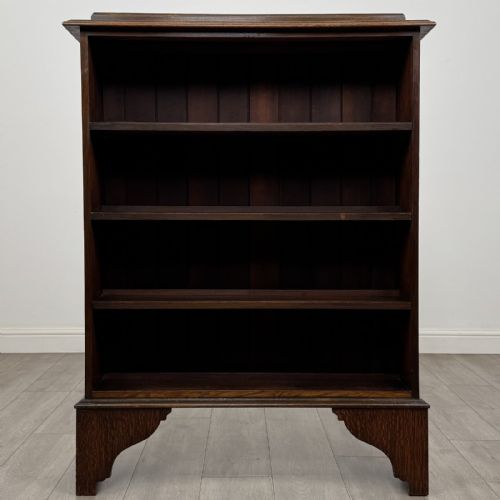
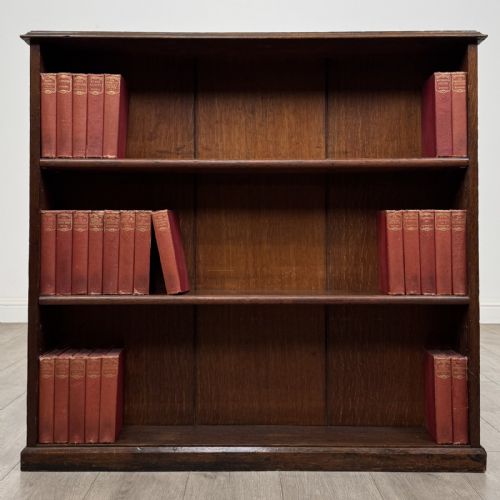

Brown Wooden Bookshelves
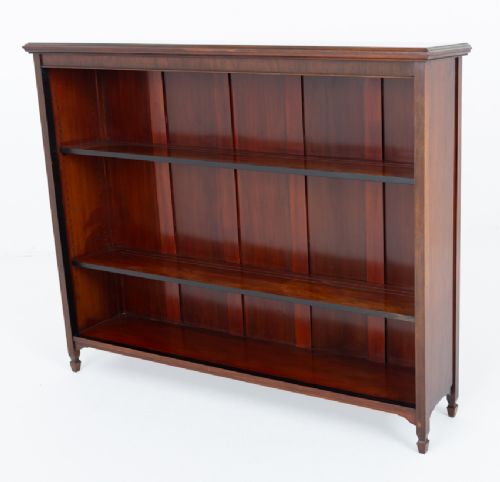
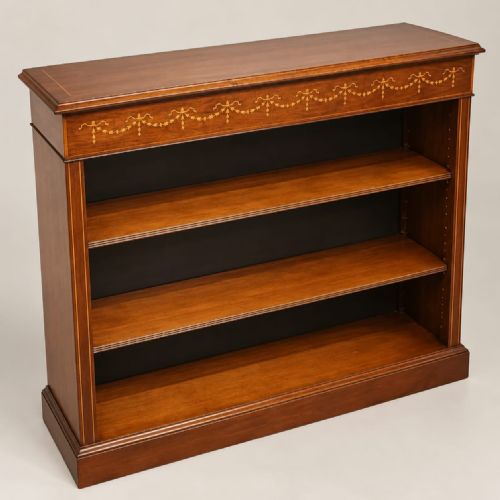
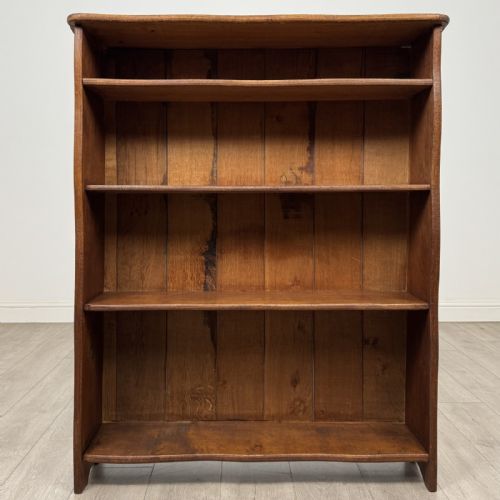
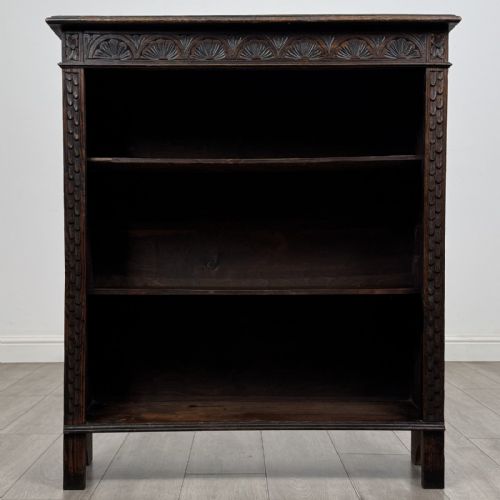
Brown wooden bookshelves are practical additions to any room, offering sturdy storage for volumes crafted in rich timbers like mahogany, walnut, and oak.
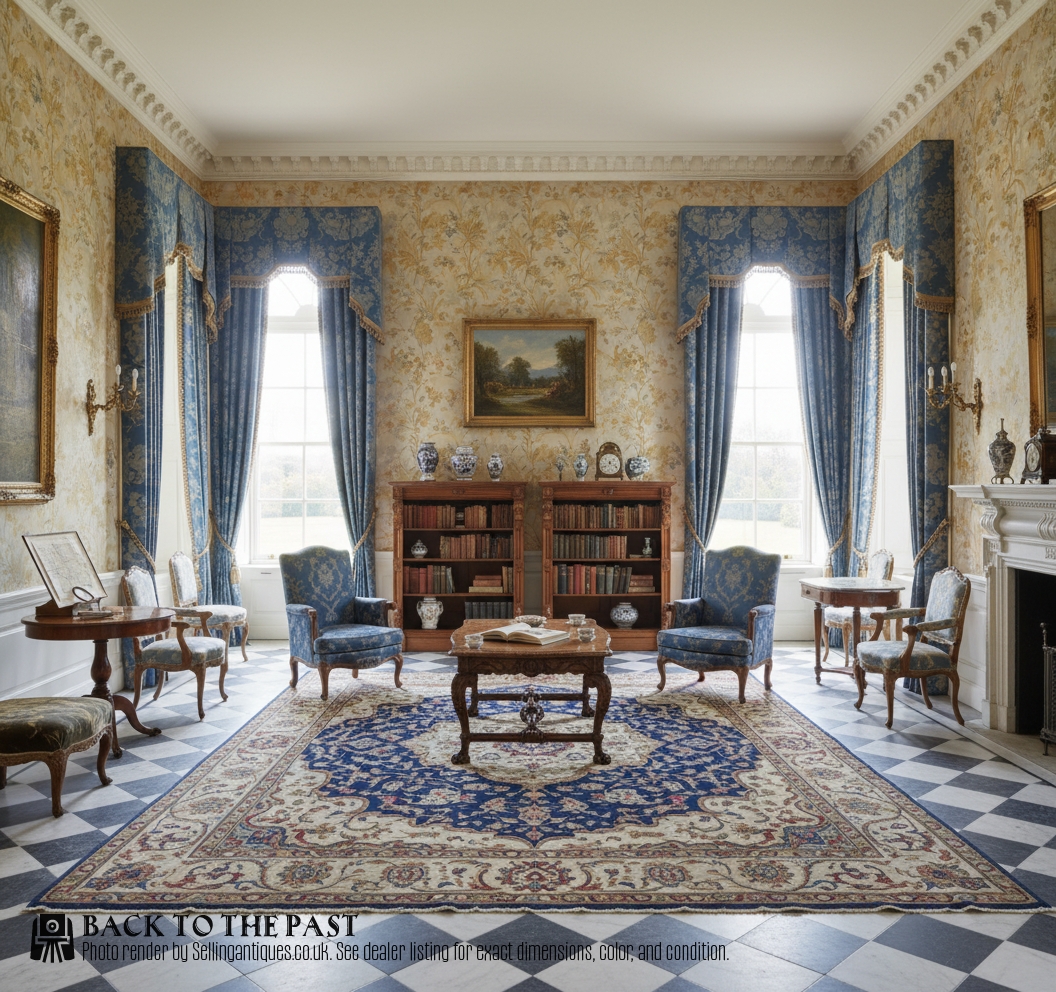
Brown Wooden Bookshelves
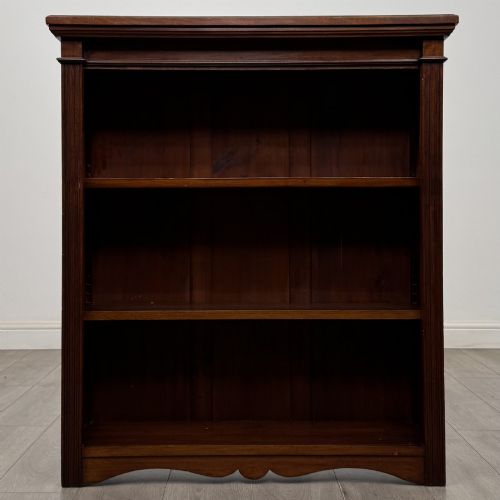
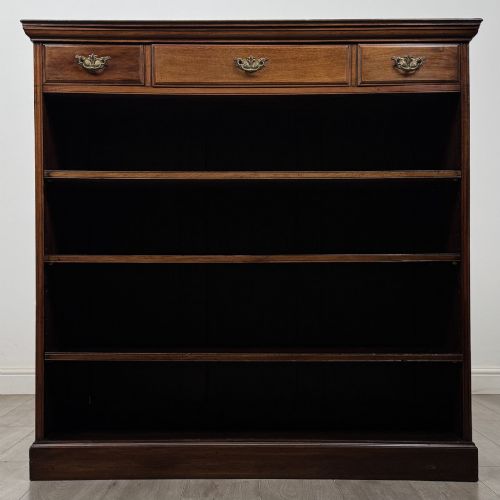
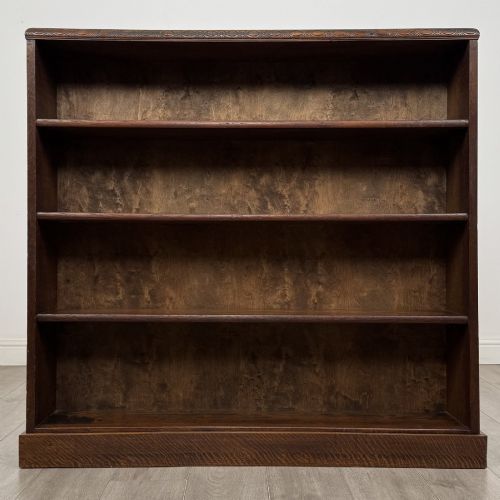
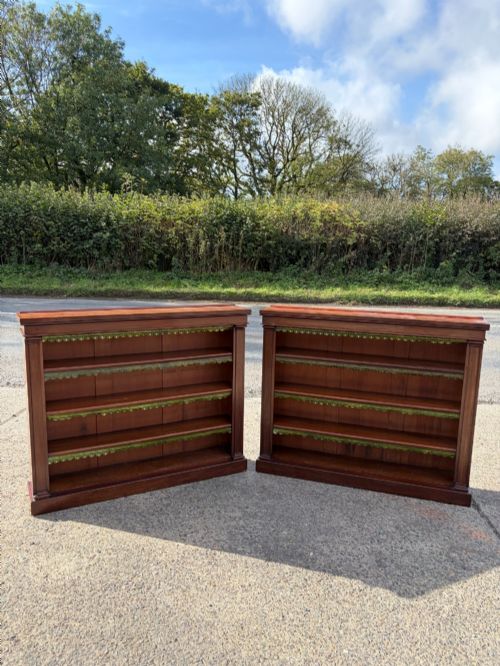
When you search for brown wooden bookshelves, you encounter a variety of forms including open bookcases, wall hanging shelves, revolving designs, and multi-tier whatnots. These pieces span periods from the Georgian era through Victorian, Edwardian, and Art Deco times, reflecting changing domestic tastes in library and parlour furniture.
The most common examples on this page are open bookcases and wall shelves constructed from dark timbers. Pieces often feature adjustable shelving or carved detailing, originating from British and continental workshops across the nineteenth and early twentieth centuries.
Materials and construction methods
Cabinet makers utilised dense hardwoods such as mahogany, walnut, and oak for structural integrity and longevity. Finer examples incorporate burr walnut veneer, satinwood inlay, or brass castors and fittings to add decorative contrast.
Construction techniques range from solid timber joinery to veneered surfaces over secondary woods. Many nineteenth and twentieth-century examples employ adjustable wooden brackets and internal slats to allow customisation of shelf heights.
Brown Wooden Bookshelves Retail Price Guide 2026
Typical asking prices for brown wooden bookshelves among the pieces listed under this phrase on Sellingantiques today, from the lower quarter to the upper quarter. They describe what is for sale here now, not the wider market.
Materials recorded across the inventory include solid brass castors, burr walnut veneer, satinwood, and pine alongside primary hardwoods.
Judgements of quality
The distinction between ordinary and superior brown wooden bookshelves lies in the selection of timber figures and the crispness of carved details. Rich burr walnut veneers, inlaid satinwood stringing, and solid brass hardware elevate a piece far above utilitarian workshop output.
Proportion and utility also dictate worth, particularly where adjustable shelving mechanisms operate smoothly and structural timber remains stable across large breakfront library bookcases or revolving designs.
The Brown Wooden Bookshelves Glossary
- Waterfall bookcase
- A set of open shelves diminishing in depth from bottom to top, often featuring tiered sides. This cascading form became popular during the Victorian and Edwardian periods.
- Revolving bookcase
- A compact table-top or floor-standing case mounted on a pivot mechanism allowing easy access to books from all sides. These typically date from the late nineteenth and early twentieth centuries.
- Whatnot
- A multi-tiered open piece of furniture designed for displaying books or ornaments. They frequently feature slender corner posts supporting several graduated shelves.
- Breakfront
- A cabinet or bookcase design where the central section projects forward from the flanking wings. This architectural arrangement adds depth and formal presence to large library pieces.
- Inlay
- A decorative technique where contrasting woods or materials like satinwood are inserted into recesses within the primary timber surface. It creates geometric or floral patterns across panels and friezes.
Brown Wooden Bookshelves: Frequently Asked Questions
How do I adjust the shelves?
Most traditional wooden bookcases use a system of vertical wooden ratchets, brass studs, or slotted metal strips inside the cabinet walls. You simply lift the shelf slightly and reposition the supporting pegs into the desired slots.
Ensure the shelf rests evenly on all four supports to prevent warping or rocking when loaded with heavy volumes.
Are these shelves suitable for heavy books?
Solid hardwood shelves made from oak, mahogany, or walnut easily bear the weight of large reference volumes and hardbacks. Open bookcases with fixed or thick timber shelves offer the greatest structural stability for heavy collections.
Longer shelves may sag over decades if overloaded, so distributing heavy folios towards the ends helps maintain straight timber.
How do I date a wooden bookcase?
Dating relies on combining timber types, construction methods, and stylistic cues such as Victorian carving or Art Deco geometric lines. Secondary woods at the back and drawer construction also offer clues to the manufacturing era.
Hardware like brass castors and hinges further helps narrow down the decade of production.
Where should I place a revolving bookcase?
Floor-standing revolving bookcases work well beside armchairs or in corners where 360-degree access is practical. They require clearance on all sides to spin freely without striking walls or furniture.
Table-top versions sit comfortably on large desks, sideboards, or low tables to keep frequently used volumes close at hand.