
Traditional Open Bookshelf
A traditional open bookshelf provides accessible display and storage for a library, spanning Victorian and Edwardian periods in oak, mahogany, walnut, and pine.
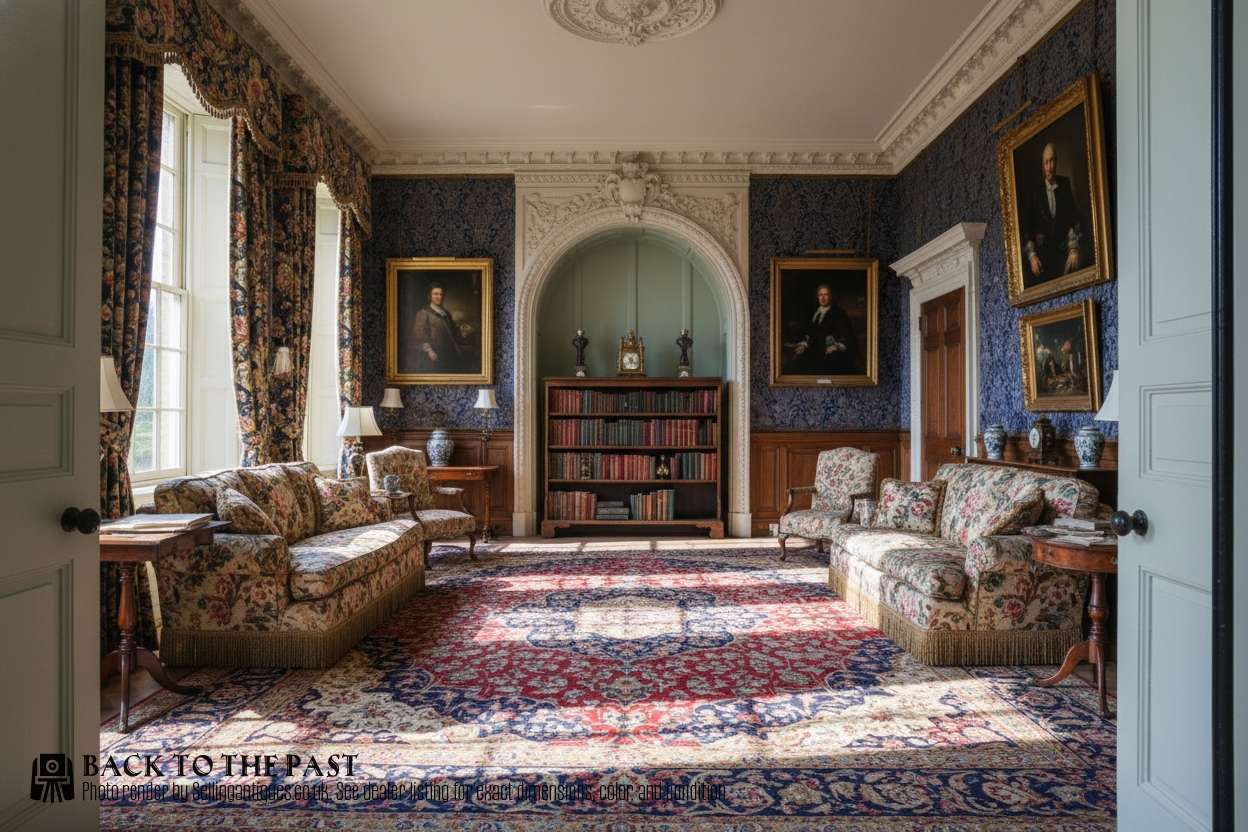
Traditional Open Bookshelf
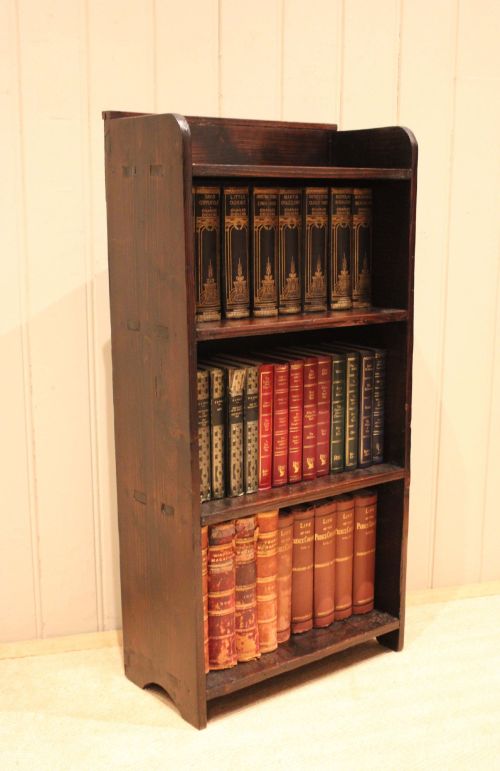
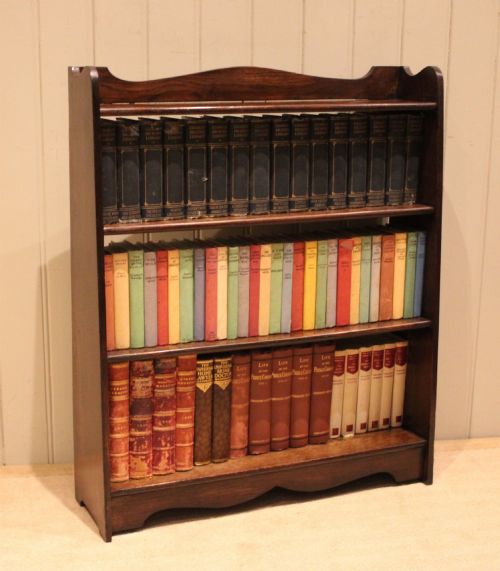
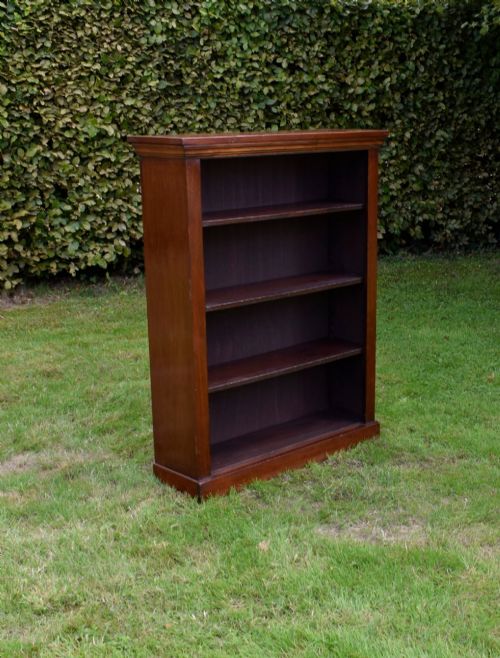
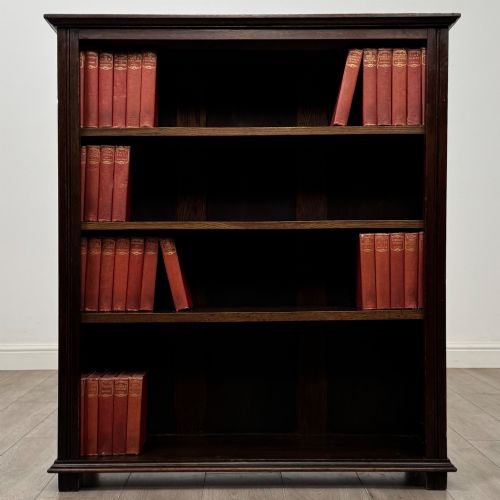
A traditional open bookshelf offers immediate access to volumes without doors, standing as either compact units or larger library pieces. These items emerge primarily from the Victorian and Edwardian eras, stretching from the mid-nineteenth century into the early twentieth century.
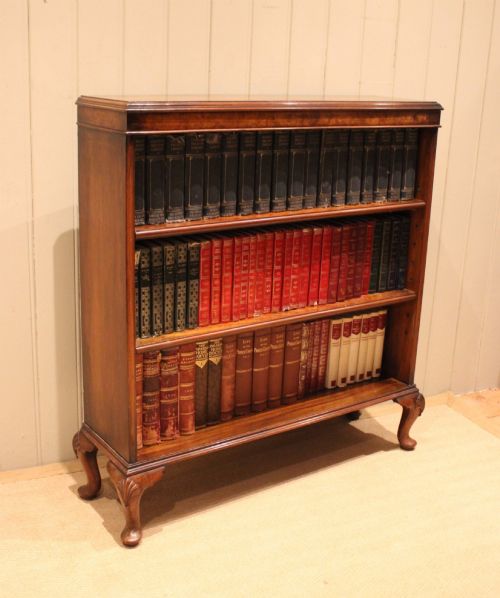
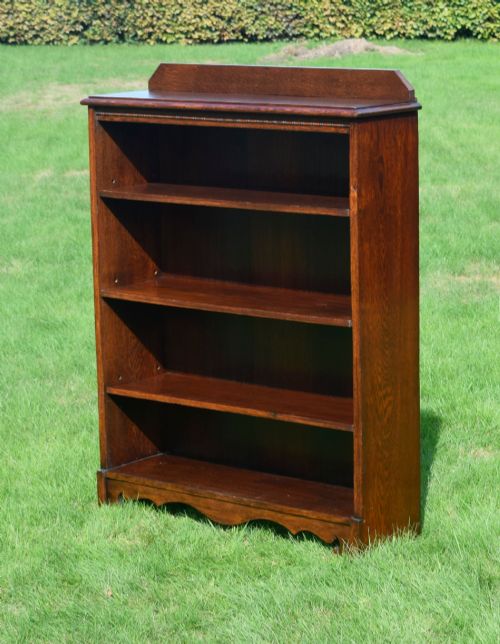
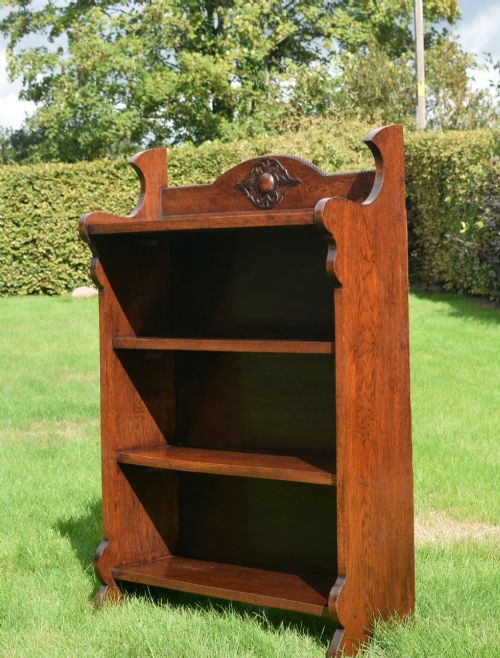
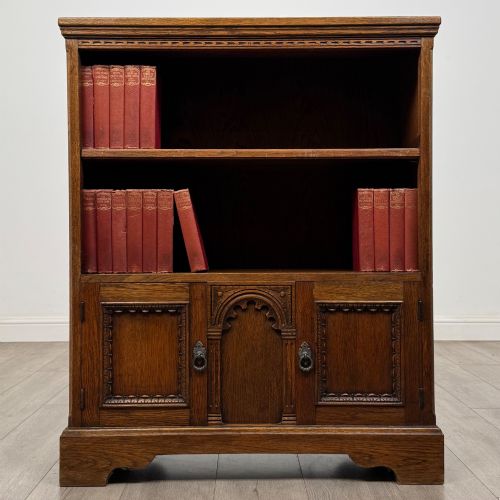
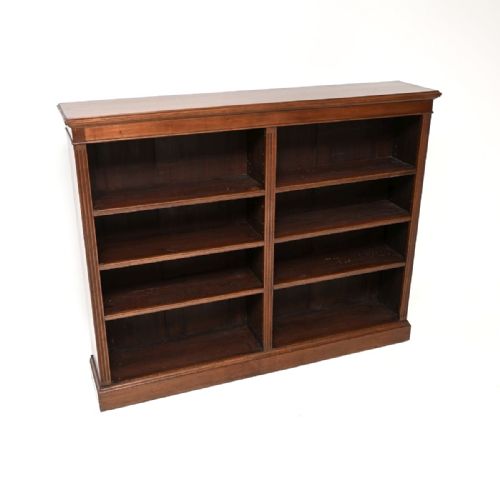
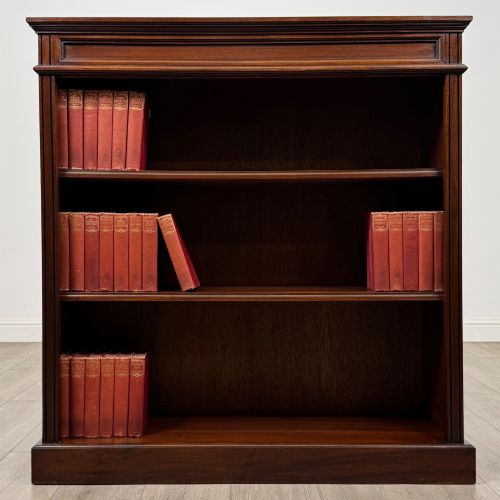
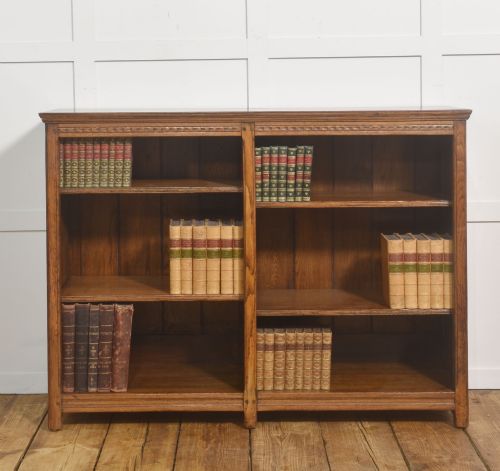
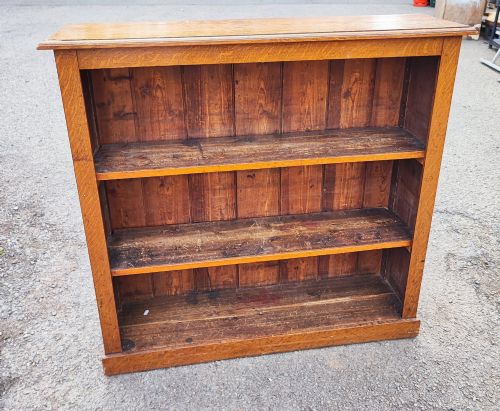
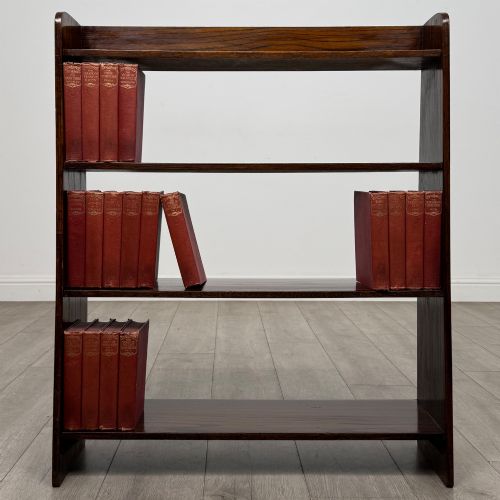
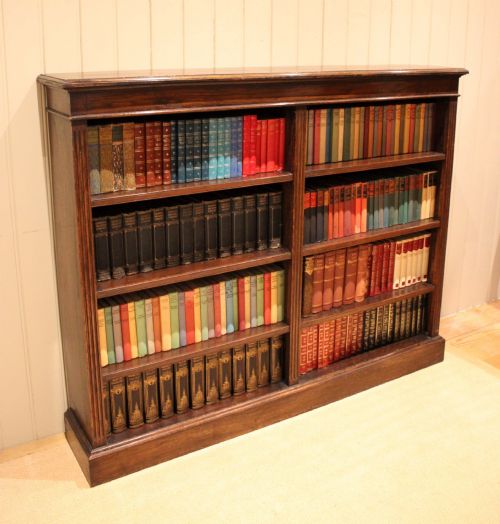
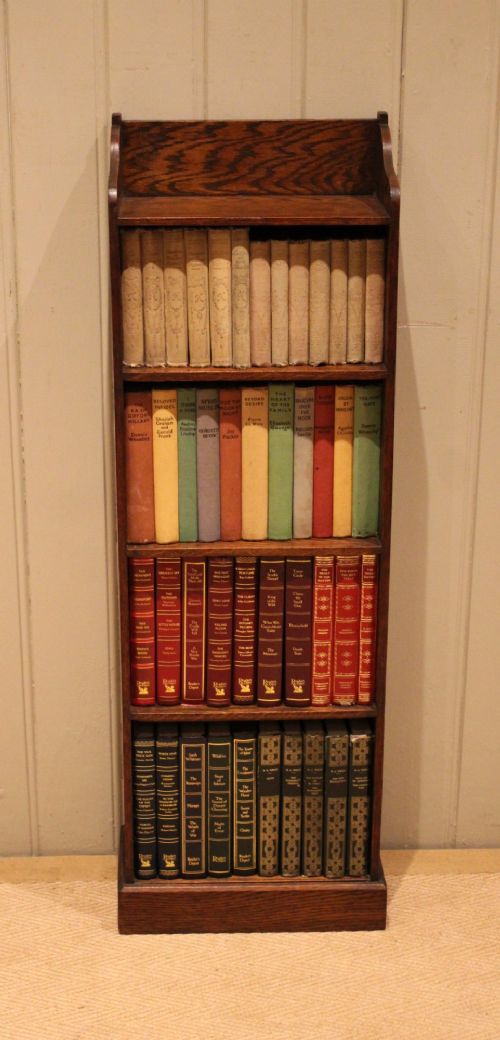
The most common form on this page is the oak or mahogany open bookcase from the Edwardian period or the 1920s. Buyers also encounter larger breakfront library bookcases, slim variants, and rustic pine bookshelves suitable for everyday domestic studies.
Styles range from plain utilitarian formats to Jacobean Revival, Arts and Crafts, and Regency Style interpretations. Each piece reflects the interior demands of its decade, balancing simple shelf space with architectural proportions.
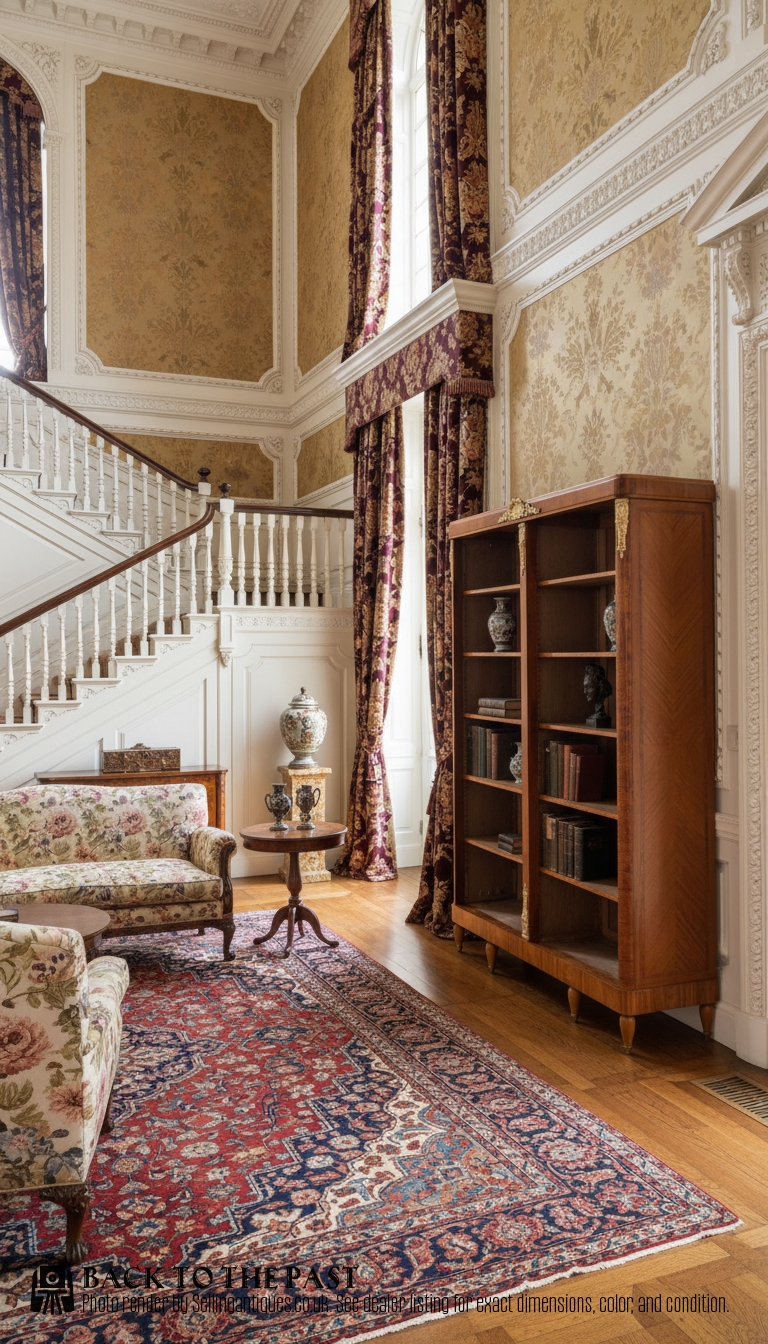
Grade and Proportion
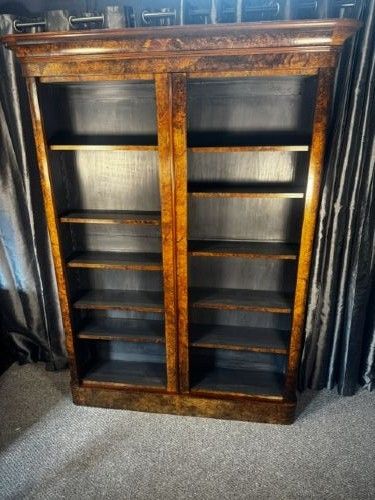
Quality rests upon the selection of timber, such as figured mahogany or burr walnut veneers, compared against utilitarian pine or standard oak. Superior items display careful grain matching and refined mouldings like beaded edges or breakfront configurations.
The sophistication of the internal shelving system and the overall harmony of the proportions separate standard utility furniture from finer library pieces. Heavier architectural detailing and larger multi-section library formats indicate higher initial manufacture.
Traditional Open Bookshelf Retail Price Guide 2026
Typical asking prices for traditional open bookshelf among the pieces listed under this phrase on Sellingantiques today, from the lower quarter to the upper quarter. They describe what is for sale here now, not the wider market.
Some Edwardian oak bookcases managed to survive a century of reading without losing a single shelf peg.
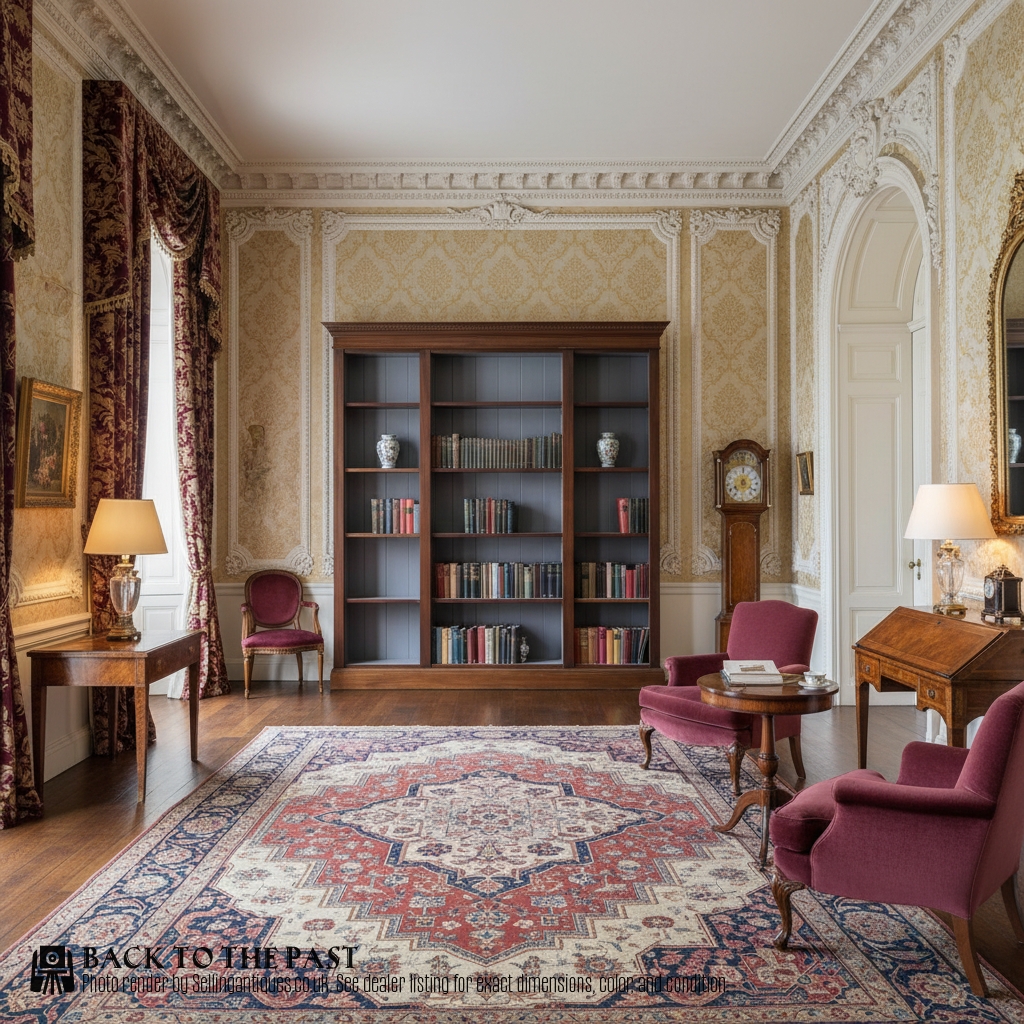
The Traditional Open Bookshelf Glossary
- Breakfront
- A piece of furniture where the central section projects forward from the flanking wings. This configuration creates architectural depth in larger library bookcases.
- Adjustable shelves
- Internal boards that can be moved to different heights using slots, pins, or racks. This adaptability accommodates volumes of varying heights.
- Edwardian
- The period spanning the reign of King Edward VII from 1901 to 1910, though the term often describes furniture made up to the First World War. Pieces from this era frequently exhibit lighter proportions than their Victorian predecessors.
- Jacobean Revival
- A style popular in the late nineteenth and early twentieth centuries that imitates seventeenth-century British furniture. It is characterised by dark oak and geometric panel details.
- Waterfall bookcase
- A shelving unit where each successive shelf is shallower than the one below, stepping back in a tiered profile. This form appeared in Regency Style and later revival pieces.
Traditional Open Bookshelf: Frequently Asked Questions
How do I adjust the shelves?
Most adjustable bookcases utilise internal wooden side tracks, metal clips, or traditional peg systems to support the shelves at different heights.
Simply lift the shelf clear of its supports and reposition the pins or move the board into the adjacent slot.
Are these bookcases suitable for heavy books?
Solid hardwood examples in oak, mahogany, or walnut possess the structural strength required to support heavy volumes across multiple shelves.
Pine and smaller Edwardian variants suit lighter paperbacks and standard hardbacks rather than extensive heavy folios.
How do I tell Victorian from Edwardian pieces?
Victorian bookcases generally feature darker, heavier timbers with dense proportions and deeper mouldings dating from the nineteenth century.
Edwardian examples, built around 1900 to 1910, often present lighter golden oak tones and more restrained decorative carving.