




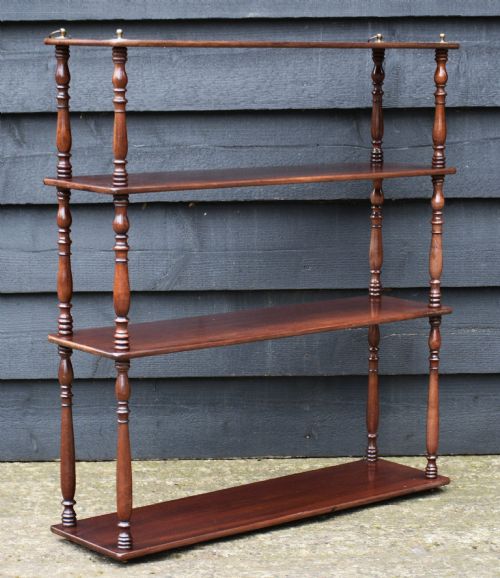
Antique Hanging Shelves
Antique hanging shelves bring vertical storage and display space to walls through mahogany, oak, and walnut timber.
Antique Hanging Shelves
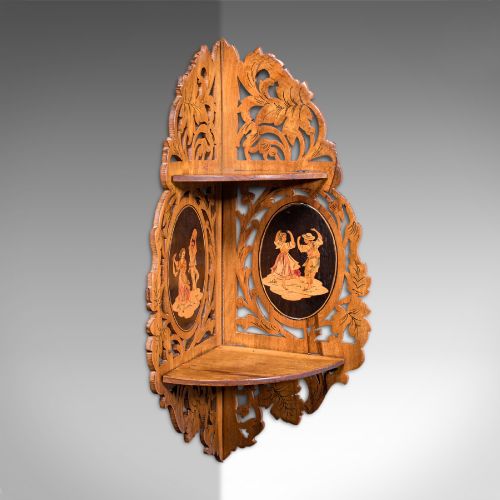
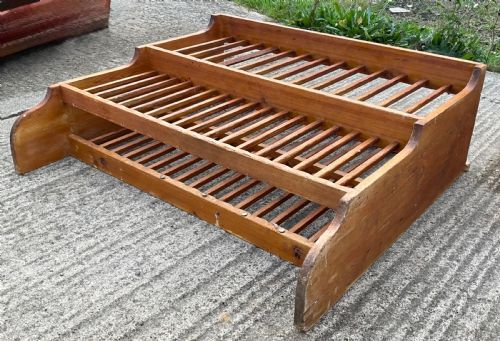
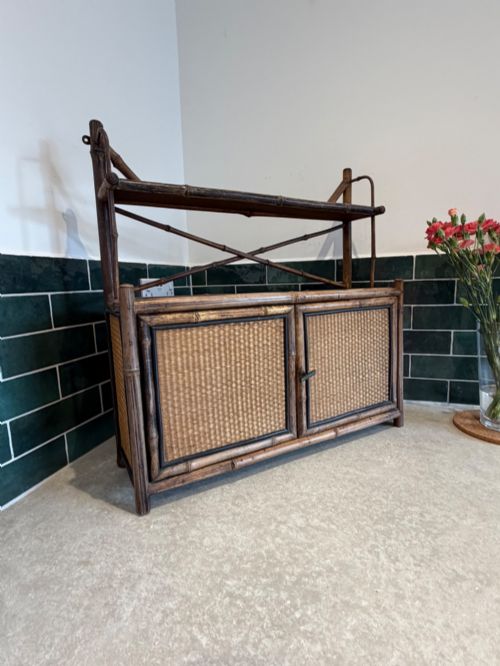
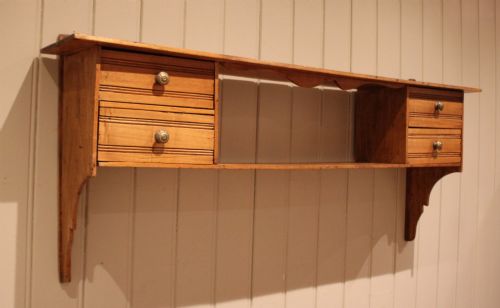
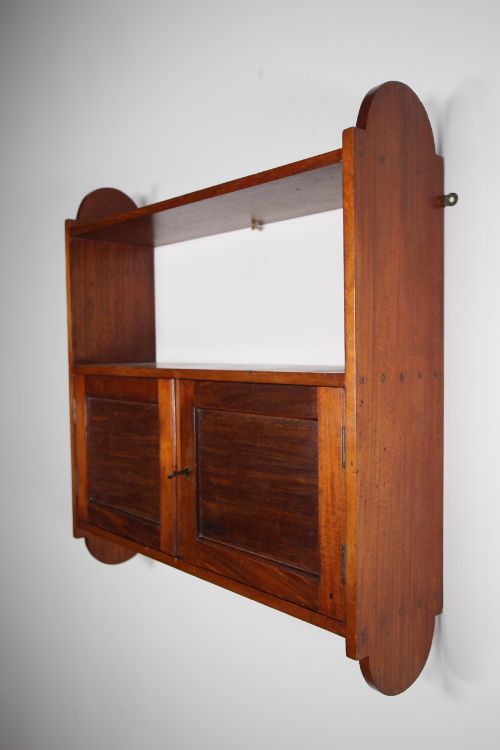
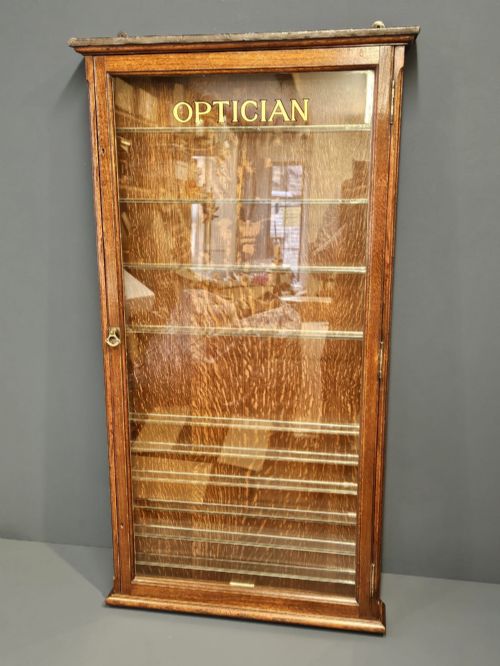
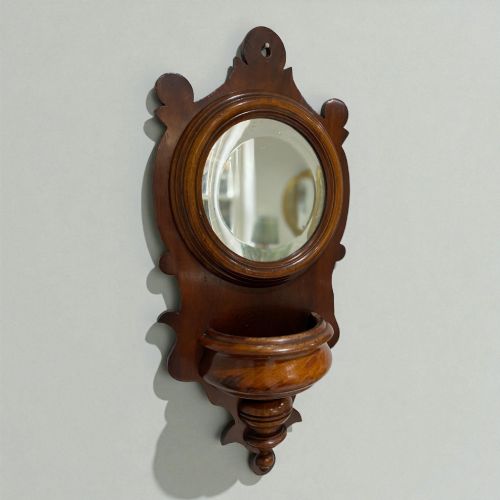
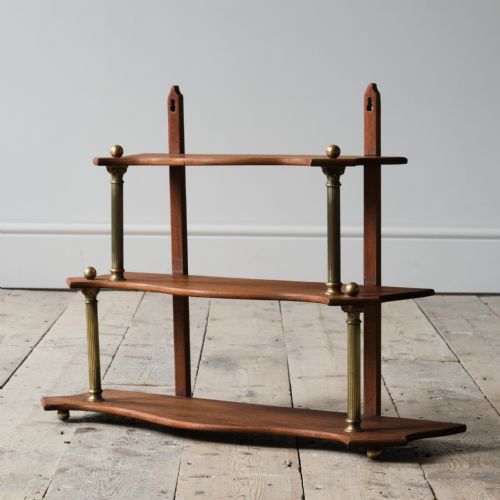
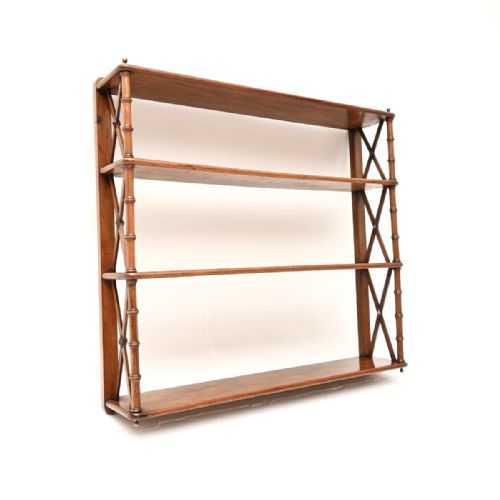
Antique hanging shelves are wall-mounted storage fixtures designed to hold books, plates, and decorative objects off the floor. They appear in forms such as open wall shelves, corner shelves, plate racks, and small wall cabinets across this selection.
The pieces span several centuries and design movements, running from Georgian and Regency eras through Victorian, Edwardian, and Arts and Crafts periods. Buyers meet mahogany and oak examples most frequently, often configured with tiers of open boards or integrated cupboards.
Makers and workshops constructed these wall units for domestic use in hallways, bedrooms, kitchens, and libraries. Their survival reflects a practical domestic requirement for organised wall storage that endures in modern homes.
What varies in quality
Quality rests on the selection of timber and the precision of the joinery joining the shelves to the upright panels. Dense hardwoods like mahogany and figured walnut indicate a higher grade of manufacture than basic pine.
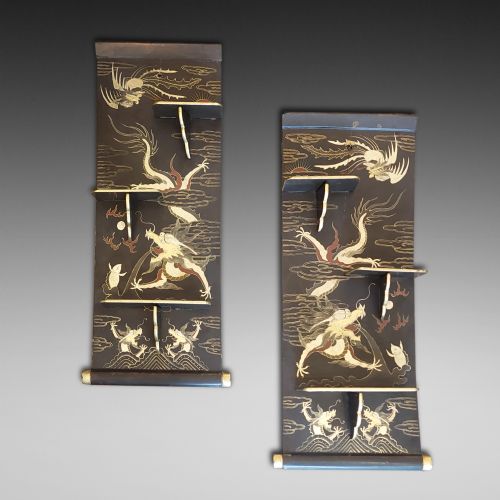
Decorative detailing separates standard utility pieces from finer examples. Inlaid surfaces, painted accents, carved mouldings, and integrated brass fittings elevate the visual ambition of the construction.
Antique Hanging Shelves Retail Price Guide 2026
Typical asking prices for hanging shelves among the pieces listed under this phrase on Sellingantiques today, from the lower quarter to the upper quarter. They describe what is for sale here now, not the wider market.
Some shelves come fitted with hidden pigeonholes for secret letters.
George Edmund Street·John Moyr Smith·Arthur Simpson
The Antique Hanging Shelves Glossary
- Plate rack
- A wall-mounted rack featuring wooden slats or grooves designed to display ceramic plates upright. These fixtures served kitchens and dining rooms from the eighteenth century onwards.
- Waterfall bookshelves
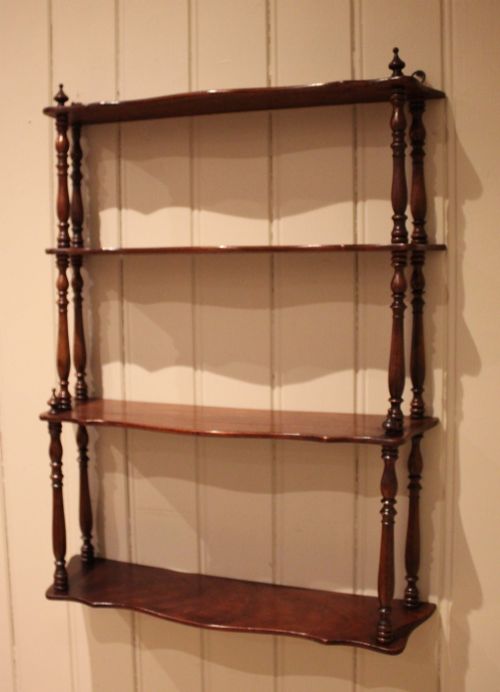
- Tiers of shelves that step back progressively from bottom to top, creating a profile resembling falling water. This form appears in mahogany and satinwood variants.
- Overmantel
- A decorative structure placed above a fireplace mantel, frequently incorporating mirrors or small display shelves. They utilise frames carved from wood or finished in gilt.
- Ebonised
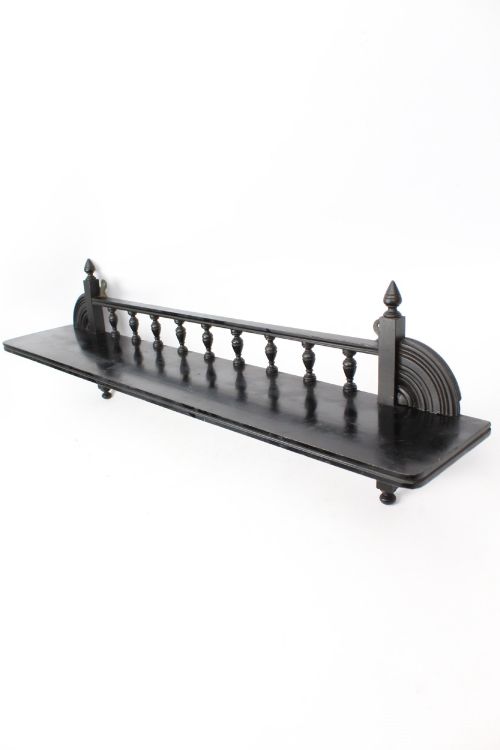
- Wood treated with a dark stain or chemical process to imitate ebony. This finish gained popularity during the Victorian period.
- Corner shelves
- Wall-mounted shelving units constructed to fit ninety-degree room angles. They maximise awkward spatial transitions using oak, walnut, or olive wood.
Antique Hanging Shelves: Frequently Asked Questions
Where should I hang antique wall shelves?
These shelves mount securely to wall studs or solid masonry using appropriate fixings to support the weight of the timber and any displayed items. Hallways, kitchens, and studies suit their compact wall footprint.
Ensure the wall surface bears the load safely before placing heavy books or ceramics on the tiers.
How do I date antique hanging shelves?
Dating relies on timber choices, style characteristics, and construction methods visible in the joinery. Georgian and Regency pieces favour mahogany, while Victorian examples often utilise walnut, oak, or ebonised finishes.
Design motifs like Arts and Crafts brackets or painted panels help narrow down the period of origin.
Can antique hanging shelves hold heavy books?
Smaller wall shelves and waterfall bookcases suit lighter volumes, decorative objects, or display plates rather than dense libraries. Sturdier oak and mahogany variants handle modest book collections if fixed correctly.
Check the depth of the shelves and the strength of the vertical supports before loading heavy items.
What is the difference between plate racks and wall shelves?
Plate racks incorporate specific wooden rails or vertical slats to hold ceramic plates securely in an upright position. Standard wall shelves provide flat horizontal boards for general display and storage.
Many eighteenth- and nineteenth-century kitchen racks combine both open shelving and plate grooves.