

Vintage Hanging Shelf
These vintage hanging shelf pieces offer practical wall storage in mahogany, oak, and walnut from Georgian to Edwardian periods.
Vintage Hanging Shelf
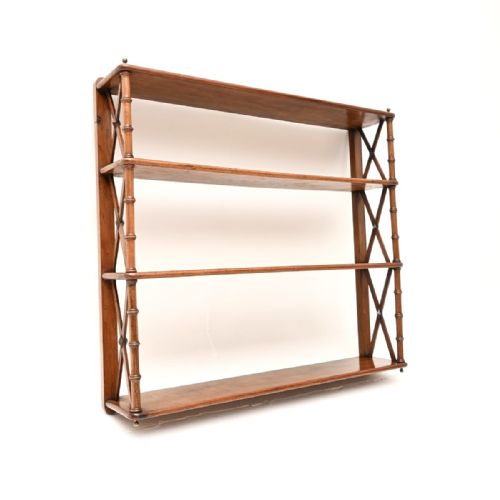
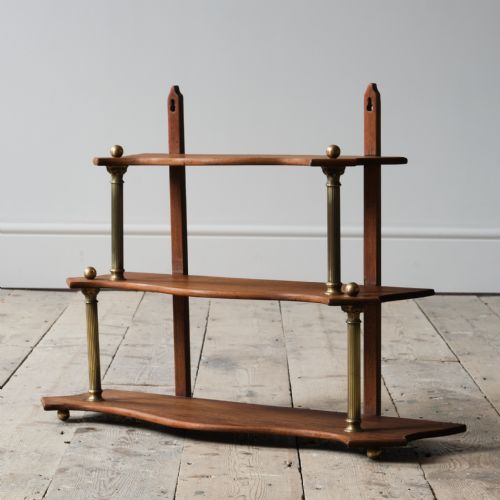
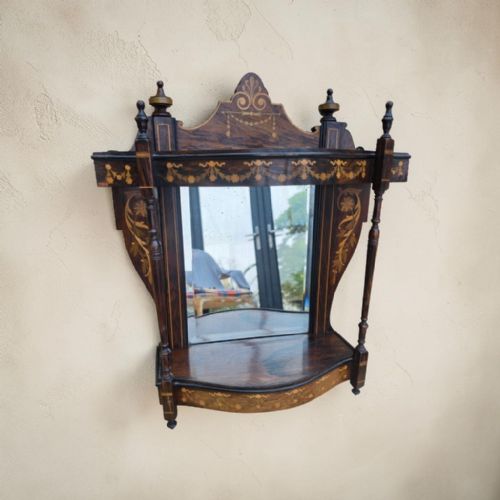
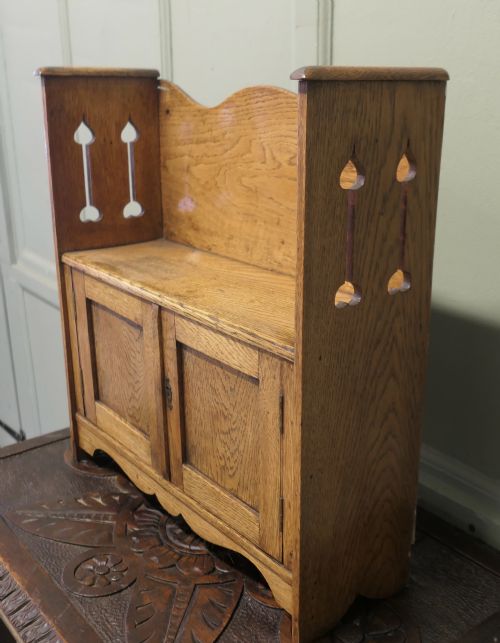
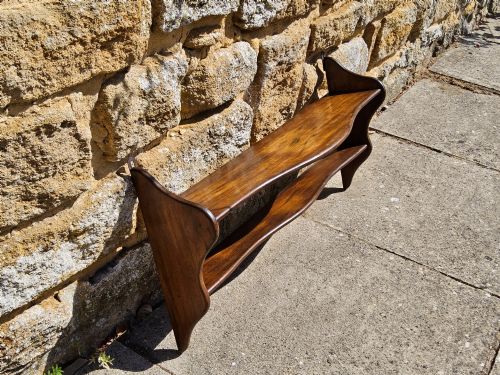
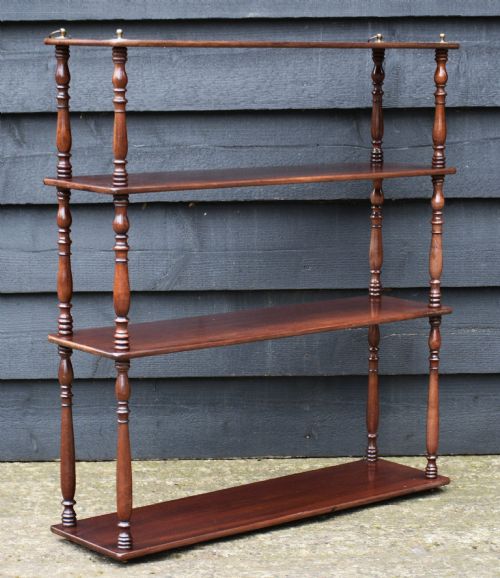
A vintage hanging shelf brings wall-mounted storage into domestic spaces, drawing from Georgian, Victorian, and Edwardian periods. These pieces range from simple open mahogany bookcases to oak plate racks and walnut wall cabinets.
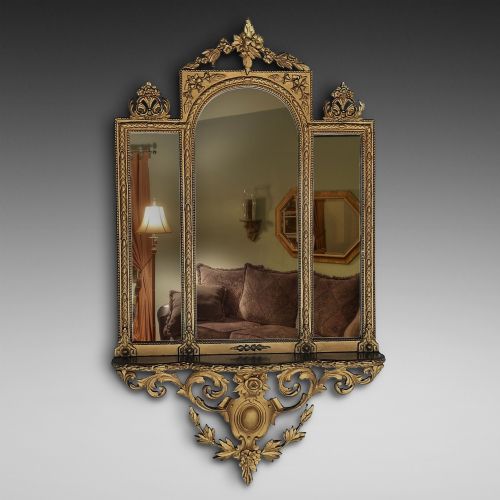
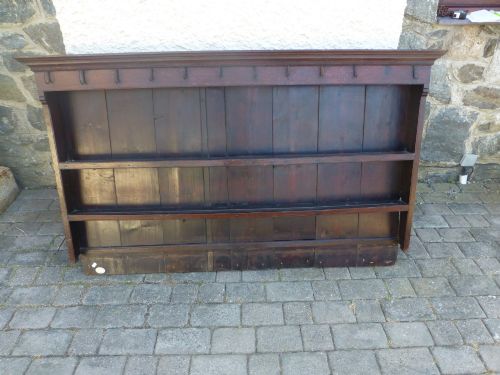
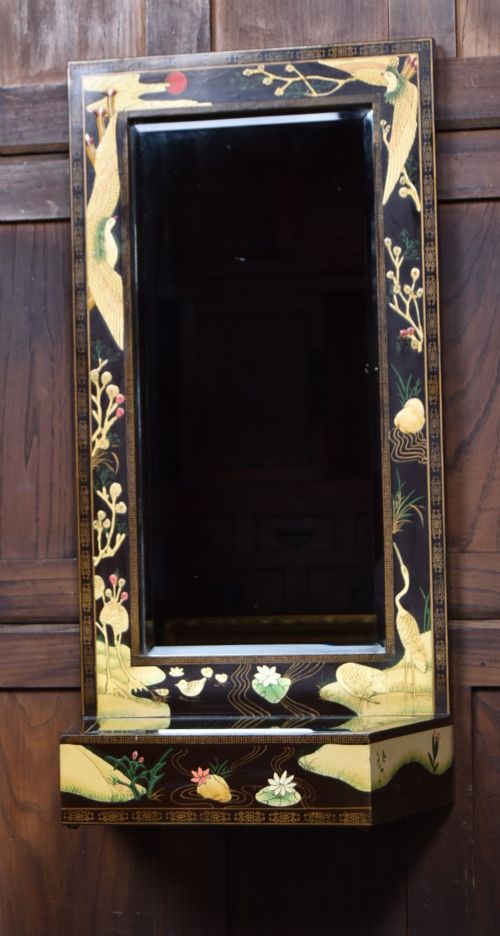
The most frequent examples encountered on this page are mahogany and oak hanging shelves dating from the nineteenth century. Buyers also find specialised forms such as corner cupboards, plate racks, and wall mirrors fitted with display ledges.
Origins span English country workshops to French makers, utilising styles from Arts and Crafts to Regency. Each piece provides elevated display space while preserving floor area in smaller rooms.
Materials and construction methods
Cabinet makers relied predominantly on timbers such as mahogany, oak, and walnut, frequently selecting pine and painted wood for utility items. Brass fixtures, including hanging brackets and hooks, appear alongside gilt frames and glass components.
Construction techniques involve traditional joinery suitable for wall-mounted loads, utilising solid hardwoods alongside veneered surfaces on backing panels and shelf tiers. Surface treatments range from polished wood grains to hand-painted and gilt finishes.
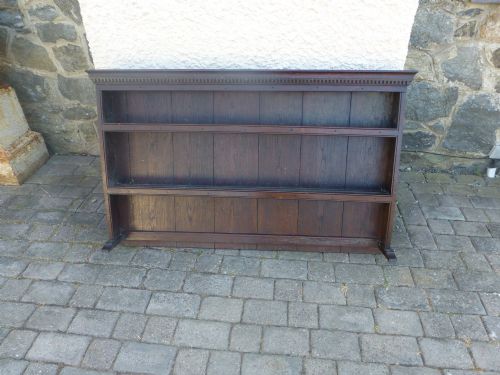
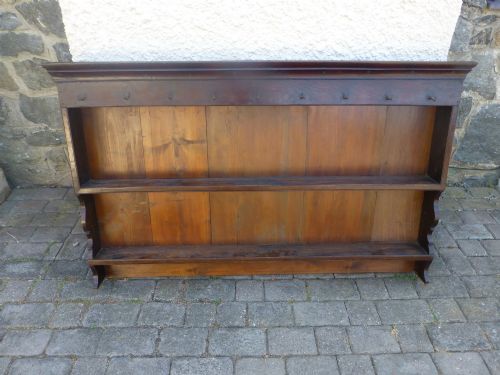
Among the oak storage options rests an apple ladder repurposed as a display rack.
Factors that separate examples
Quality rests upon the selection of timber figures, such as figured mahogany or quarter-sawn oak, and the crispness of applied mouldings or hand-carved details. Simpler utility pine racks contrast with finely joined walnut and satinwood bookcase tiers.
Proportion and structural integrity dictate the standing of a piece, where original brass hardware and untouched patination on the timber surface elevate the work of the cabinet maker.
Arthur Simpson
The Vintage Hanging Shelf Glossary
- Étagère
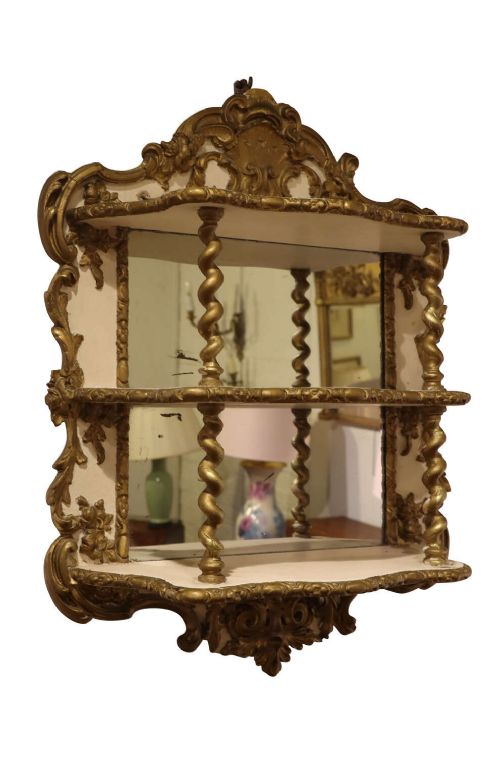
- A set of open tiered shelves used for small ornaments and display purposes. French examples often incorporate painted and gilt finishes.
- Waterfall shelves
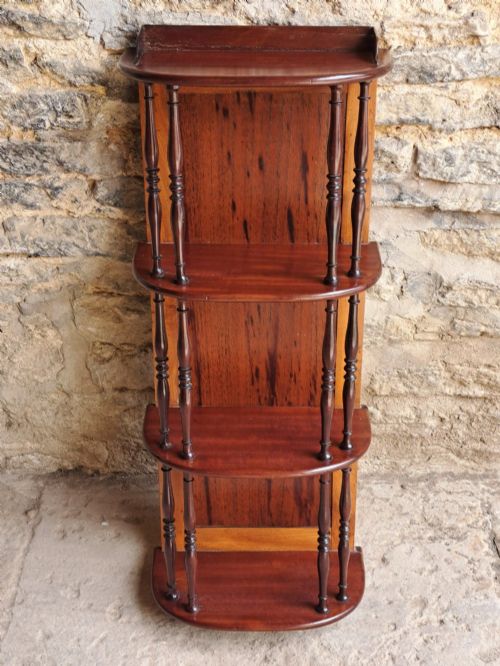
- Shelves arranged in a descending stepped progression where each lower tier projects further forward than the one above.
- Delft rack
- A wall-mounted plate rack featuring grooved wooden ledges designed to display ceramic plates upright.
- Bobbin shelves
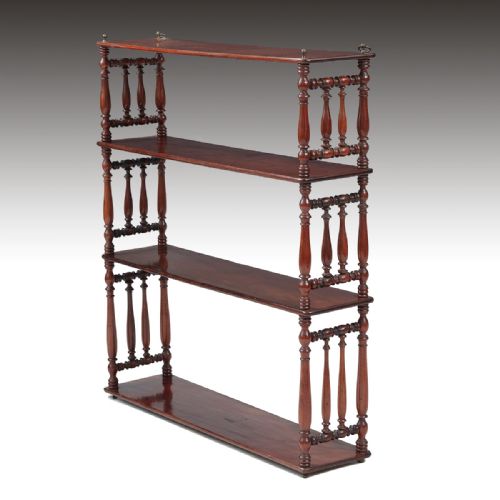
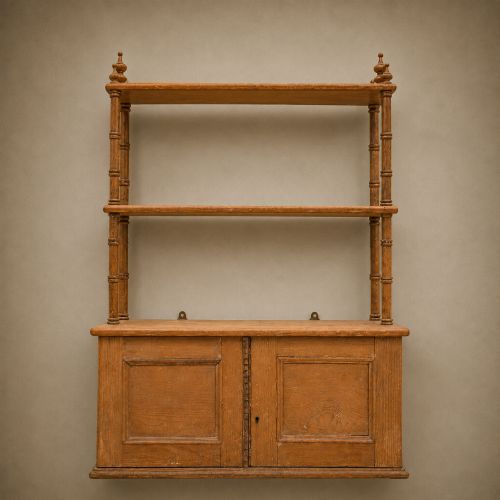
- Shelves constructed with turned spool or bobbin-shaped uprights characteristic of nineteenth-century decorative woodwork.
- Pigeon holes
- Small compartmentalized openings built into desk organizers or shelf units for sorting correspondence and papers.
Vintage Hanging Shelf: Frequently Asked Questions
How do I hang a vintage shelf safely?
Check the original fixing points on the backboards to ensure the timber remains sound before mounting. Use appropriate wall fixings that match the weight of the mahogany or oak structure.
Distribute the weight of books or plates evenly across the tiers to maintain stability once the shelf is secured to the wall.
What rooms suit a hanging shelf best?
Kitchens and dining spaces accommodate plate racks and dresser shelves for everyday ceramic storage. Hallways and bedrooms utilise smaller mirror-backed ledges and cabinet combinations.
Living rooms house open bookcase tiers and walnut display units where ornamental objects require elevated placement.
How are Georgian shelves told apart from Victorian ones?
Georgian examples generally display restrained lines in oak or walnut with simpler classical mouldings. They frequently take the form of plate racks or corner cupboards.
Victorian pieces often employ richer mahogany or satin birch grains with more decorative turning, such as bobbin mouldings or applied gallery rails.
Can these shelves hold heavy books?
Open mahogany and walnut bookcase shelves from the nineteenth century handle moderate collections of volumes. Solid wood construction provides sufficient strength for standard octavo sizes.
Inspect the wall junctions and shelf brackets to confirm the joinery remains tight before loading heavier volumes onto the upper tiers.