
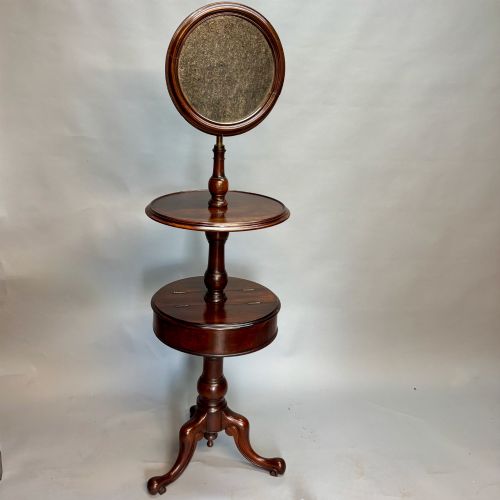
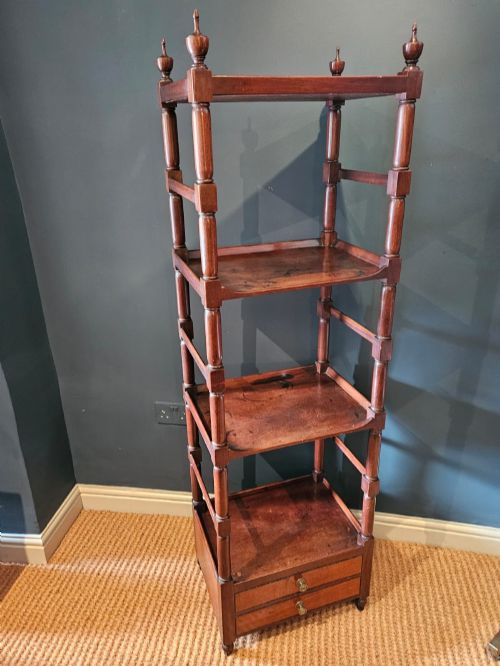
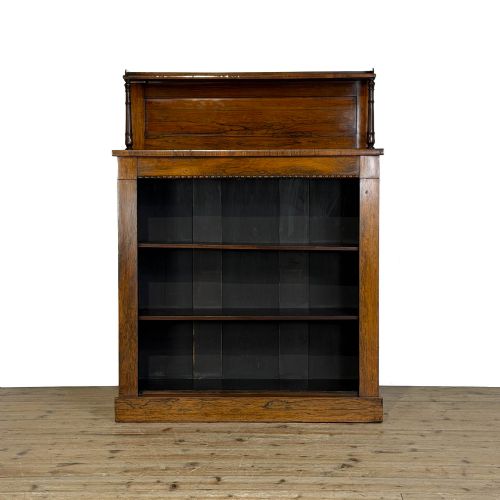
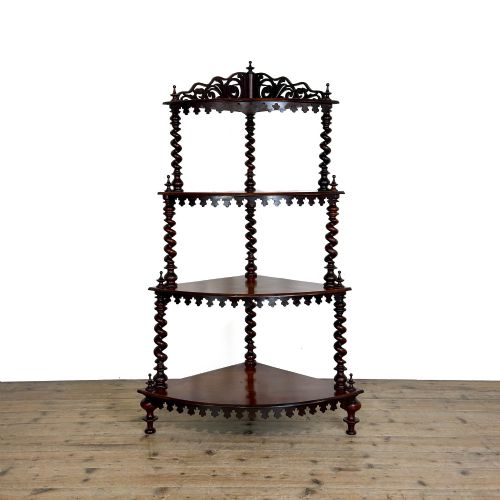
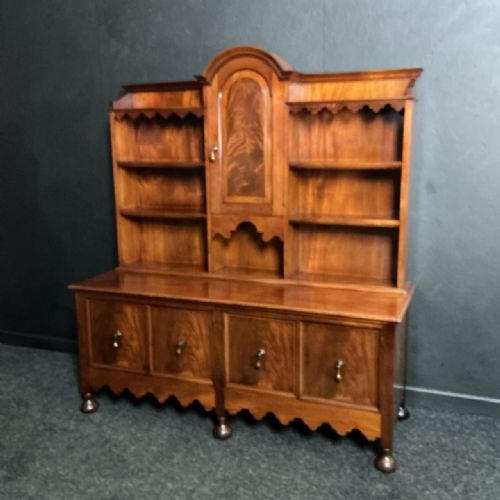
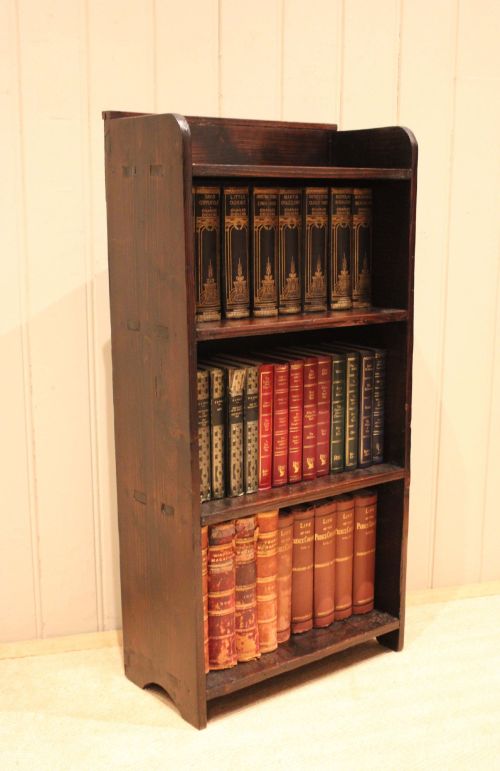
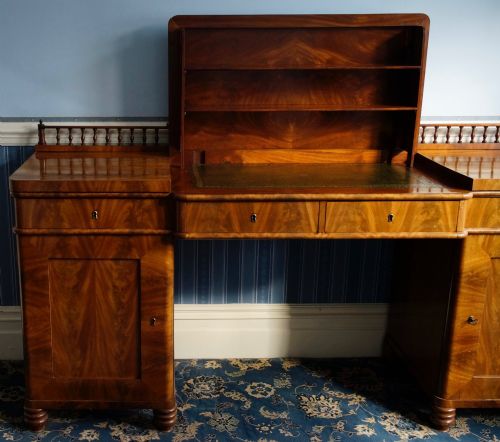
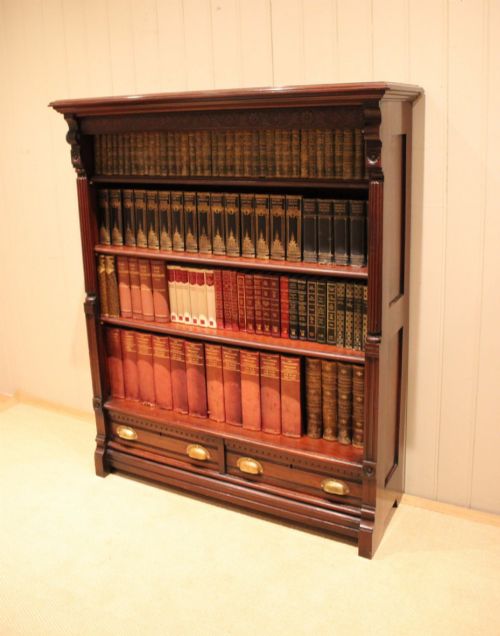
Dark Wood Shelf
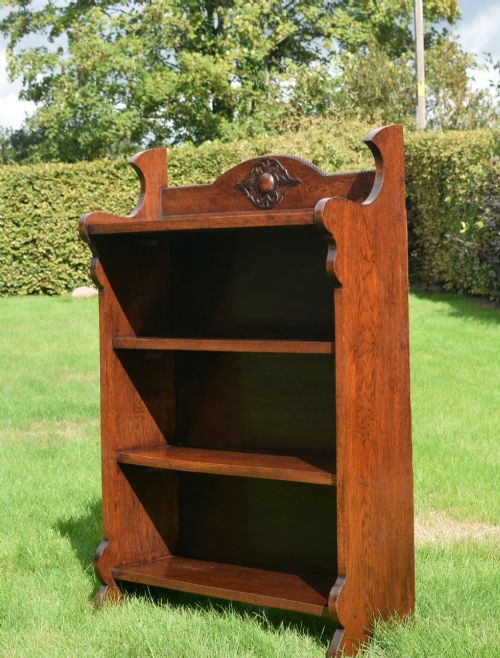
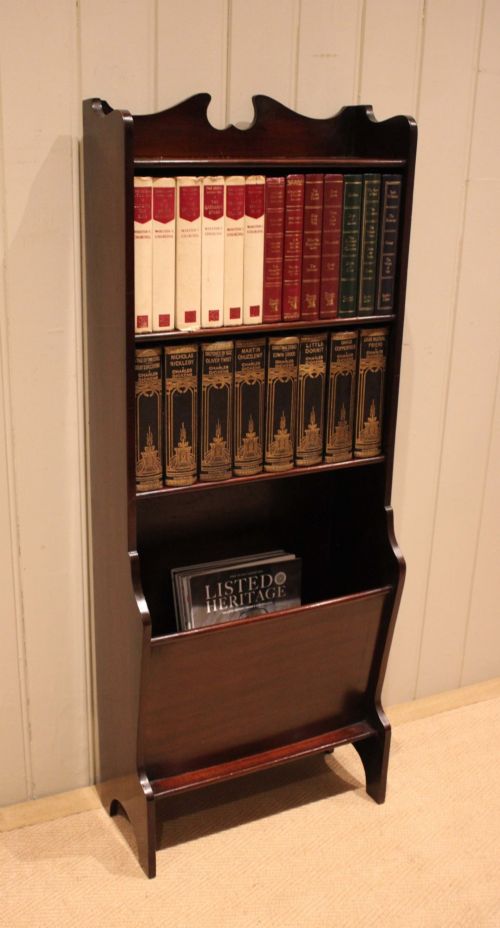
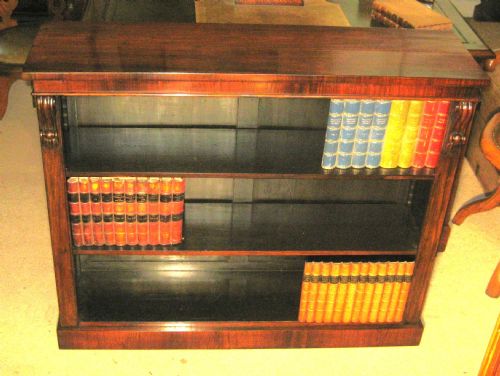
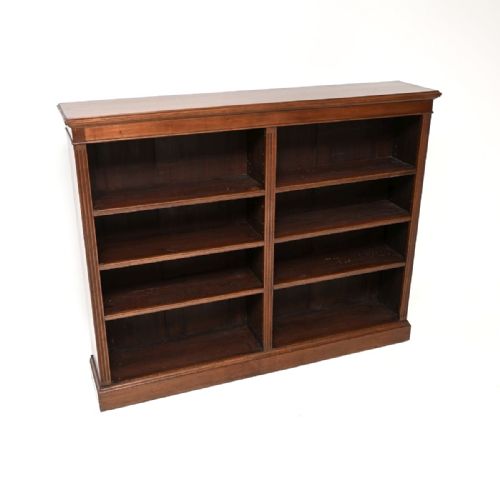
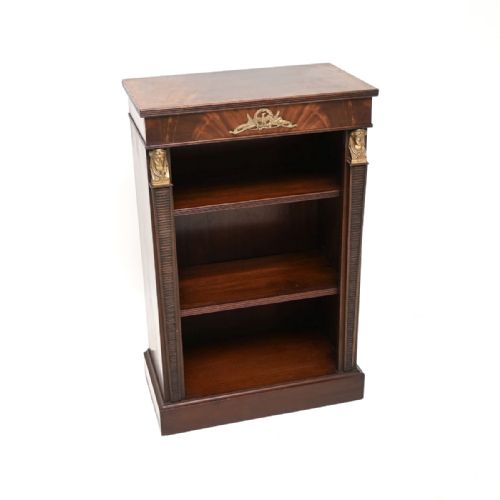
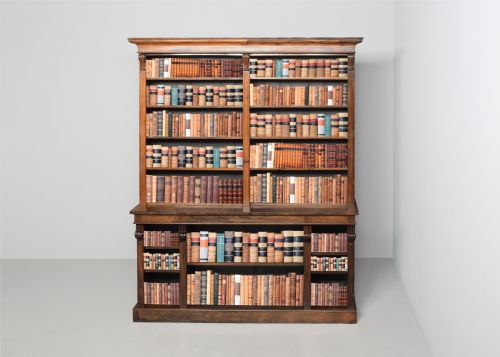
A dark wood shelf brings rich timber tones and practical display space to a room, ranging from compact Victorian open bookcases to Edwardian wall units.
Dark Wood Shelf
A dark wood shelf serves primarily to organise and display books, ornaments and small collections, taking many structural forms across various periods. When you search for a dark wood shelf, you encounter pieces designed to mount on walls, stand in corners or rest upon tables.
The selection on this page draws heavily from the nineteenth and early twentieth centuries, featuring Victorian and Edwardian craftsmanship. Mahogany, oak and walnut dominate these listings, appearing as open bookcases, hanging shelves and corner whatnots.
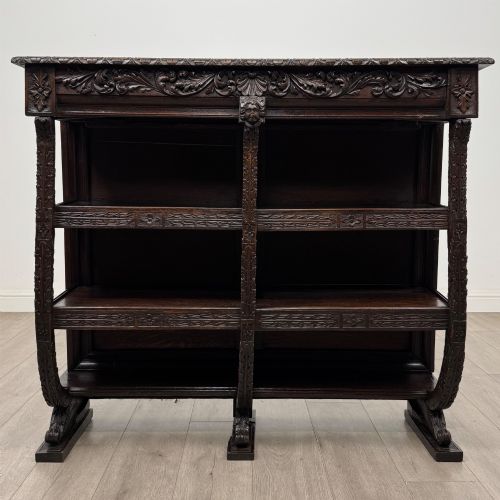
Makers of these items produced everything from simple rustic pine units to elaborate Arts and Crafts and Regency designs. Buyers frequently find pieces incorporating adjustable shelving, carved details and inlaid decoration suited to both traditional and modern interiors.
Materials and construction
Cabinet makers utilised dense hardwoods such as mahogany, rosewood, oak and walnut to build durable shelving units that could support substantial weight. These timbers were often polished to a deep lustre or carved with decorative motifs characteristic of Victorian and Edwardian aesthetics.
Joinery techniques relied on solid timber construction, sometimes enhanced with brass fittings, glass panels and inlaid elements. Many bookcases and wall shelves featured adjustable wooden supports, allowing owners to alter shelf heights according to their needs.
Listings feature woods including mahogany, oak, walnut, rosewood and pine across Victorian, Edwardian, Regency and Arts and Crafts styles.
Assessing quality in dark wood shelving
The distinction between standard domestic utility pieces and finer examples rests upon the selection of timber and the precision of the joinery. Superior pieces display carefully figured wood grain, harmonious proportions and refined decorative carving rather than mass-produced uniformity.
Hardware choices and structural ingenuity also separate ordinary items from exceptional ones. The inclusion of solid brass brackets, well-fitted adjustable mechanisms, or sophisticated stylistic influences such as Arts and Crafts or Regency styling indicates a higher standard of manufacture.
Gabriel Viardot·Brockbanks & Atkins
The Dark Wood Shelf Glossary
- Whatnot
- A piece of furniture consisting of a set of open shelves for displaying small objects, popular in the Victorian period. These often feature slender turned supports.
- Waterfall bookcase
- A tiered shelving unit where each successive shelf is deeper than the one above, creating a cascading silhouette. This form appeared frequently during the Regency era.
- Open bookcase
- A shelving unit enclosed at the back and sides but without doors at the front. These pieces allow for easy access to books and decorative items.
- Corner cabinet
- A storage unit specifically constructed to fit snugly into the corner of a room, making efficient use of space. They often feature glazed or open upper shelving.
- Barley twist
- A decorative turning technique resembling a twisted rope, commonly found on the vertical supports of stands and bookcases from the nineteenth century.
Dark Wood Shelf: Frequently Asked Questions
How do I style a dark wood shelf?
Balance books with ceramics, small framed pictures and varied objects to prevent the display from feeling cluttered. Mixing vertical book stacks with horizontal elements creates visual depth.
Allow some bare timber to show between items so the dark grain of the mahogany, oak or walnut remains a feature of the arrangement.
Are these shelves suitable for heavy books?
Many period bookcases and shelving units were constructed from solid hardwoods designed to bear considerable weight. Adjustable wooden shelves offer flexibility for heavy volumes.
Inspect the thickness of the timber and the strength of the shelf supports to ensure the unit suits your collection.
Can hanging shelves be mounted securely?
Hanging shelves require appropriate wall fixings matched to the weight of the timber and the type of wall construction in your home. Professional installation is recommended for heavier antique rosewood or mahogany units.
Ensure the fixing brackets make secure contact with structural wall studs or use heavy-duty wall anchors.