





Mahogany Hanging Bookcase
A mahogany hanging bookcase is a wall-mounted storage piece built to hold volumes while saving floor space.
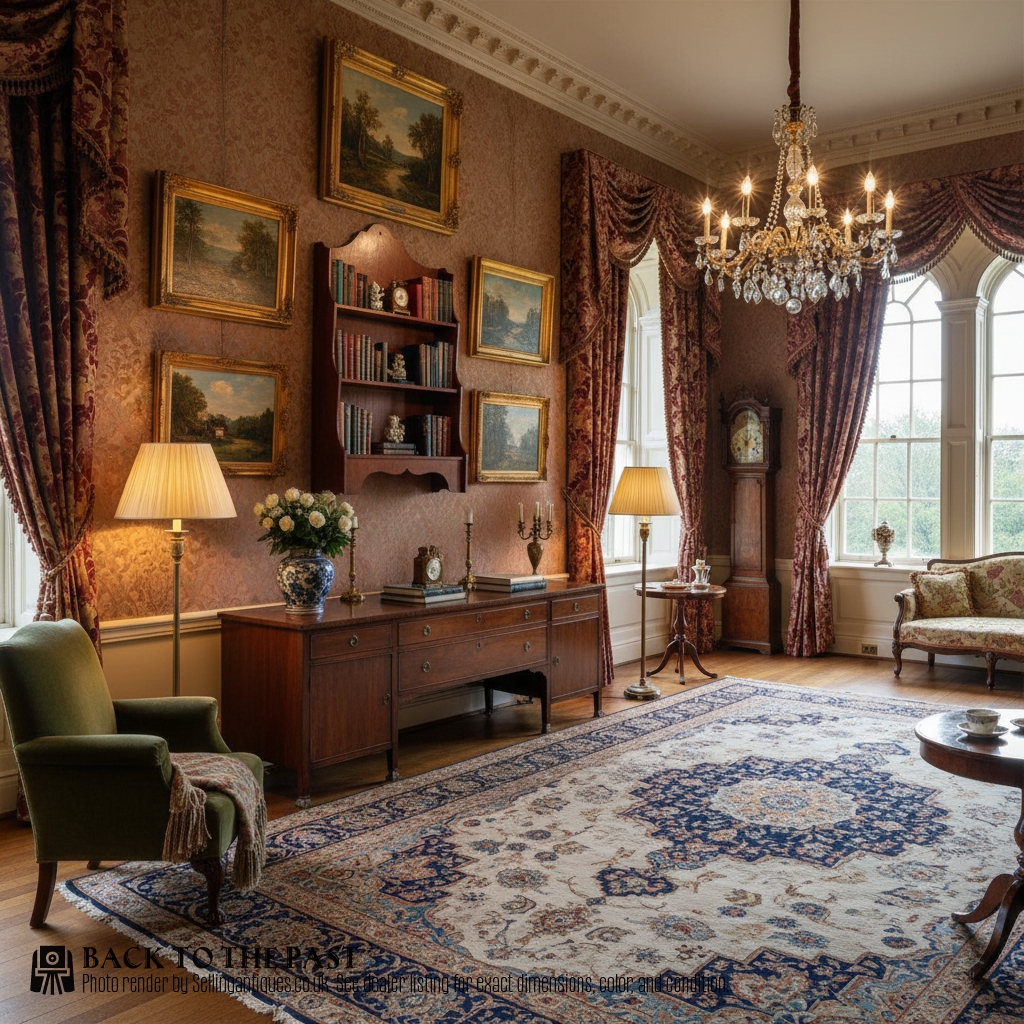
Mahogany Hanging Bookcase
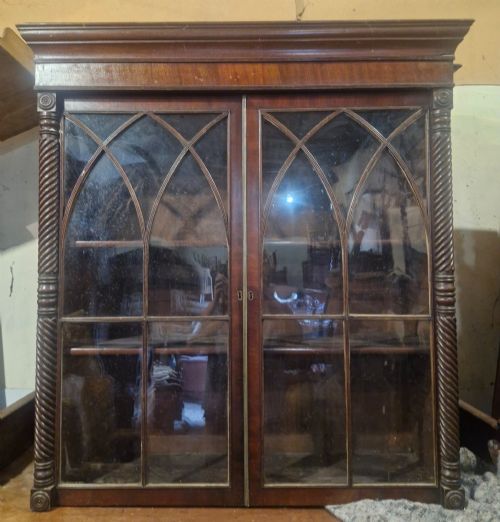
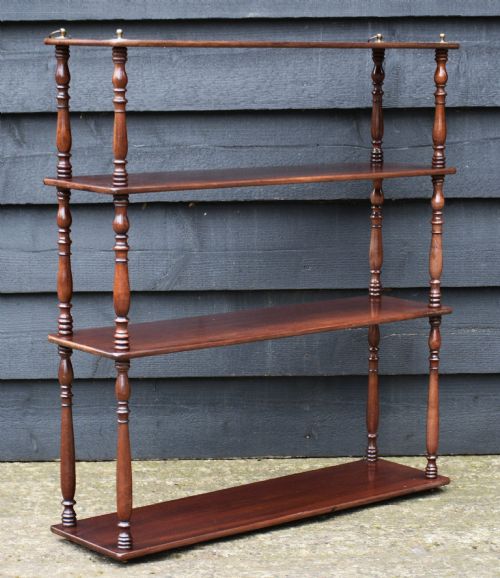
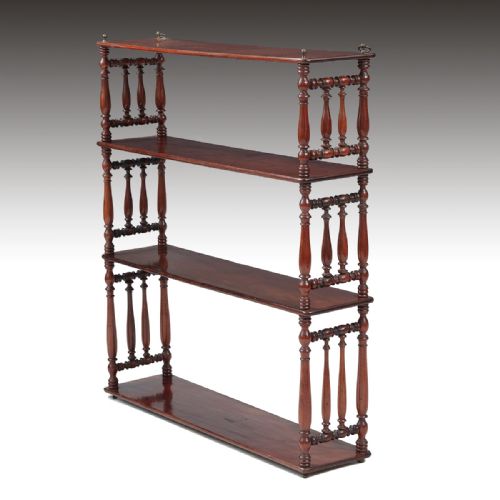
A mahogany hanging bookcase is a wall-mounted storage piece built to hold volumes while saving floor space. When searching for a mahogany hanging bookcase, buyers encounter a variety of forms including wall shelves, hanging shelves, display cabinets, and corner cabinets. These pieces date across multiple periods such as the Georgian, Regency, Victorian, and Edwardian eras.
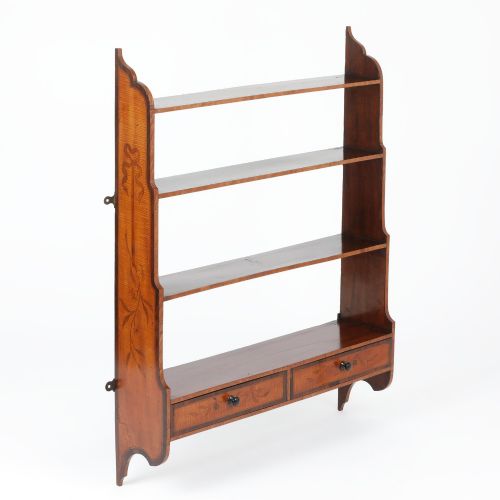
The selection ranges from simple open shelves and waterfall bookshelves to glazed wall cupboards and enclosed display units. Materials extend beyond standard timber to include satinwood, brass fittings, glass doors, and marquetry or wood inlay.
Materials and construction
Craftsmen utilised solid mahogany and veneers, often pairing the dark timber with contrasting satinwood inlay or brass suspension fixtures. Joints were joined using traditional cabinet-making methods suitable for items intended to hang securely upon walls.
Glazed doors utilise glass panels held in wooden frames, whilst open shelf units rely on sturdy vertical supports and shaped brackets to bear the weight of books.
Mahogany Hanging Bookcase Retail Price Guide 2026
Typical asking prices for mahogany hanging bookcase among the pieces listed under this phrase on Sellingantiques today, from the lower quarter to the upper quarter. They describe what is for sale here now, not the wider market.
Listings feature items spanning the 18th Century through to the 1930s, constructed primarily from mahogany with brass, glass, and satinwood.
Factors determining quality
Superior examples demonstrate refined timber selection, crisp inlay work, and robust wall-mounting structures that safely distribute the weight of stored volumes. Finer pieces often feature decorative elements such as brass galleries, glazed doors, or shaped waterfall tiers.
Simpler utility versions offer straightforward shelving without decorative marquetry or specialised joinery details. The integration of secondary woods like oak and the presence of original brass hardware further distinguish master-built items from standard workshop productions.
The Mahogany Hanging Bookcase Glossary
- Mahogany
- A durable tropical hardwood prized for its rich reddish-brown colour and fine grain. It serves as the primary timber across the majority of these pieces.
- Waterfall
- A stepped shelving design where each tier is slightly wider than the one above it. This style became popular during the Georgian and Regency periods.
- Marquetry
- Decorative veneer work arranged in pictorial or geometric patterns. Craftsmen use contrasting woods like satinwood to create these surface designs.
- Glazed
- Fitted with glass panels, typically within a wooden door frame. This allows books or display items to be seen while protected from dust.
Mahogany Hanging Bookcase: Frequently Asked Questions
How do I hang a heavy mahogany bookcase safely?
These wall-mounted pieces require sturdy fixings screwed directly into structural wall studs or masonry anchors. Professional installation ensures the brackets securely support the combined weight of the timber and books.
Positioning the unit at a suitable height prevents strain on the suspension hardware and allows easy access to the top shelves.
What is the difference between a waterfall and standard shelf?
Waterfall shelves feature a descending graduated stepped profile where upper ledges recede behind lower ones. Standard shelves maintain uniform depth from top to bottom.
This stepped arrangement creates an open silhouette utilised for displaying smaller volumes and decorative items.
Can these bookcases support heavy hardback books?
Most hanging units suit standard octavo volumes and lighter literature rather than massive encyclopaedias. The wall fixings and shelf thickness determine the ultimate weight capacity.
Lighter paperback collections and display volumes fit comfortably within these wall-mounted compartments.
How do I identify a Regency period piece?
Regency items often incorporate brass stringing, sabre bracket elements, and classical architectural proportions. The timber grain tends to show deep red tones.
Examining the backboards and interior construction reveals period-specific joinery techniques distinct from later Victorian or Edwardian reproductions.