

Compact Study Desk
A compact study desk offers a practical writing surface and tidy storage without dominating a room.
Defining the compact study desk
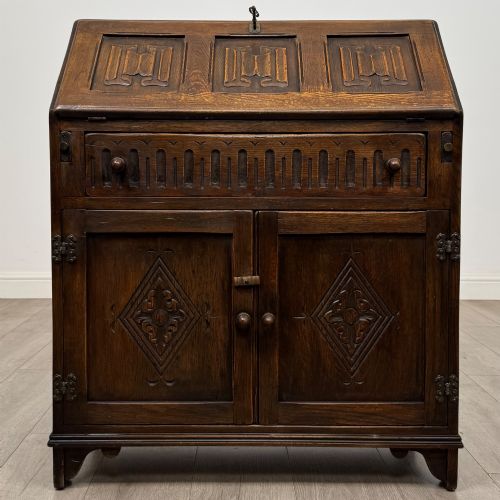
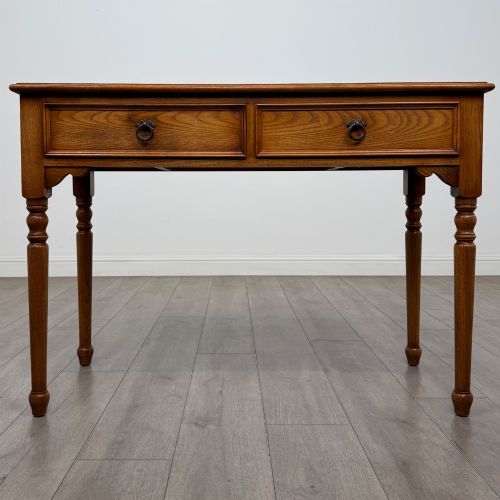
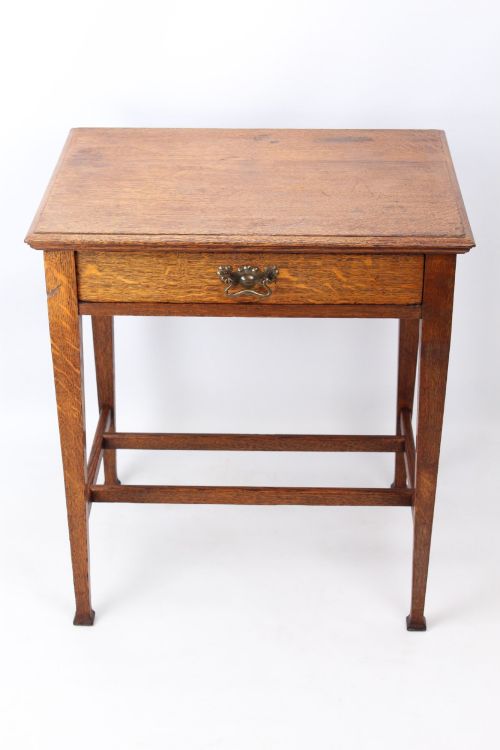
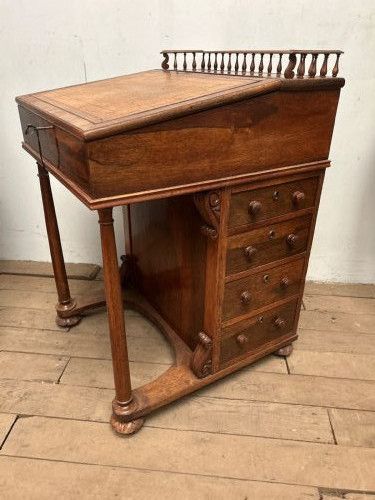
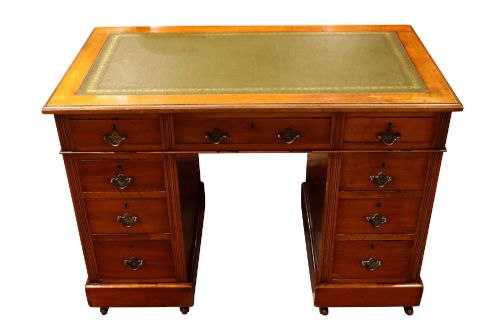
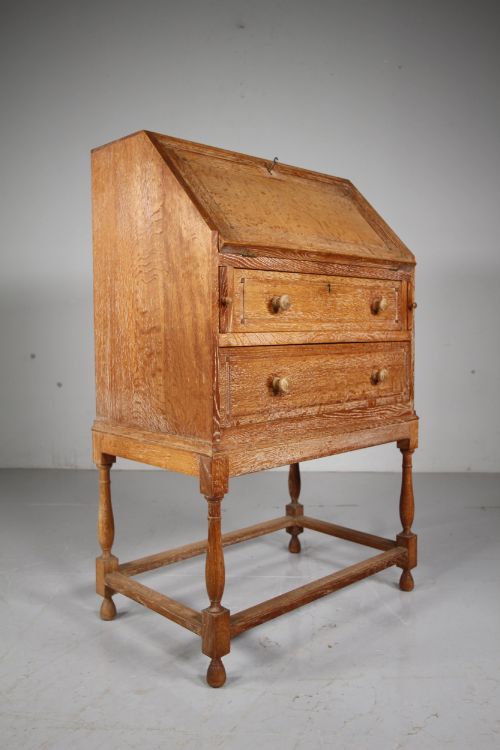
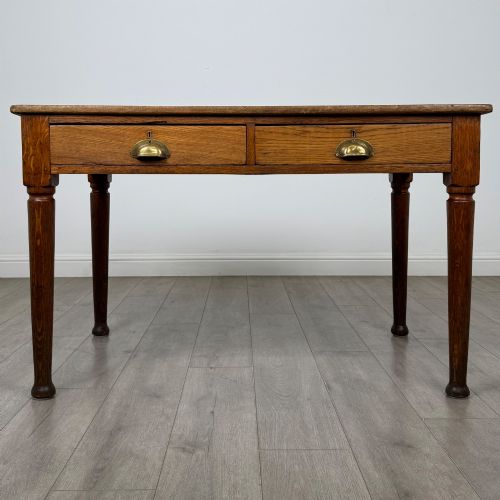
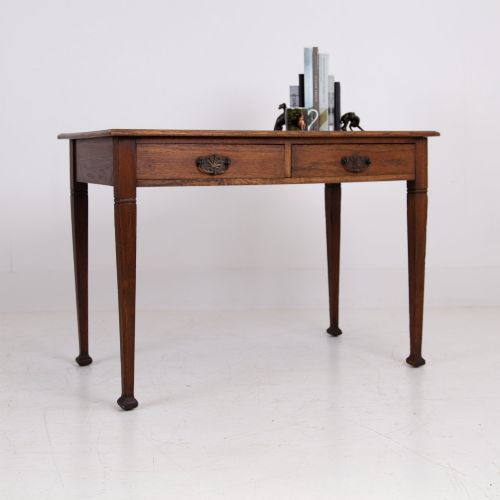
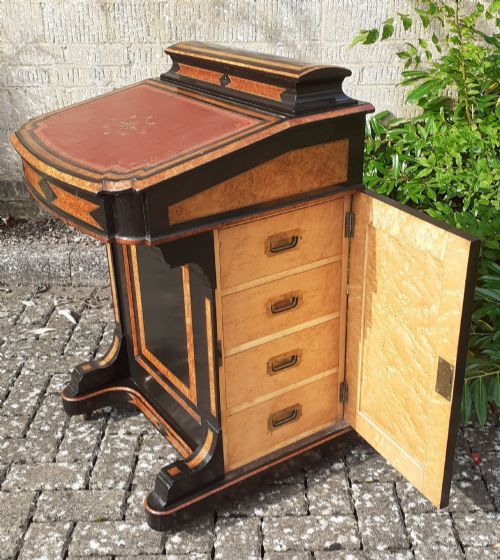
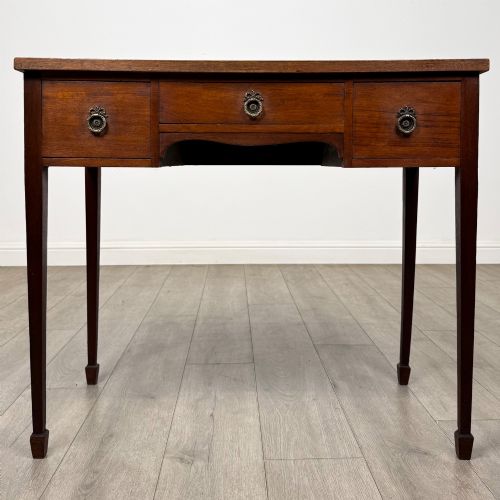
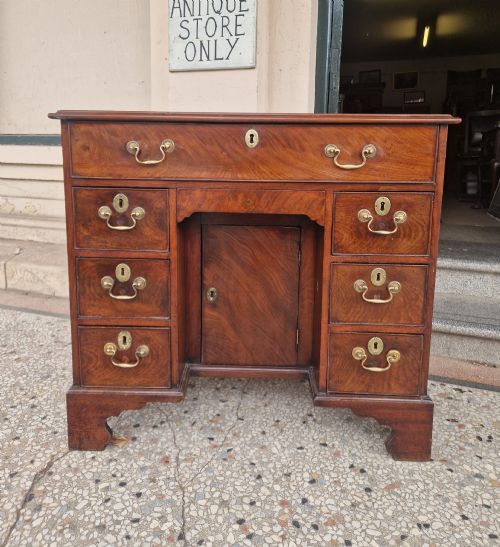
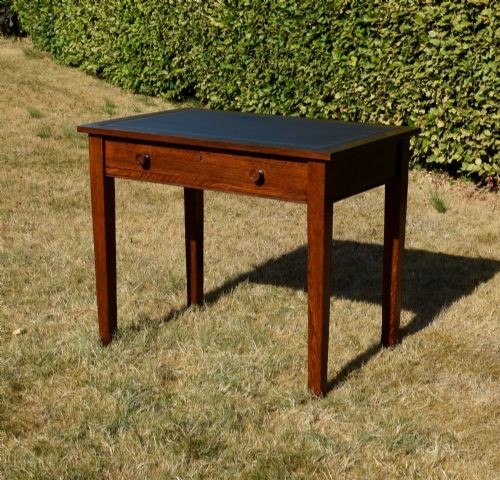
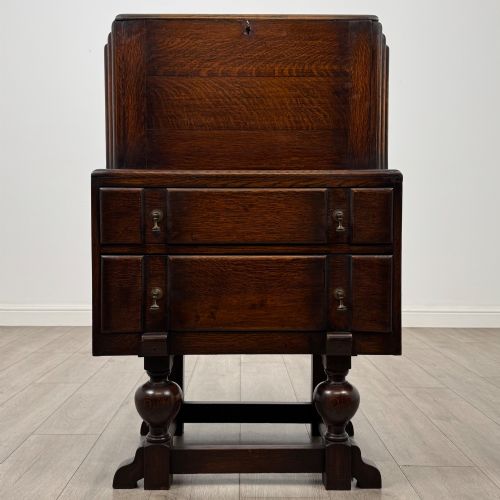
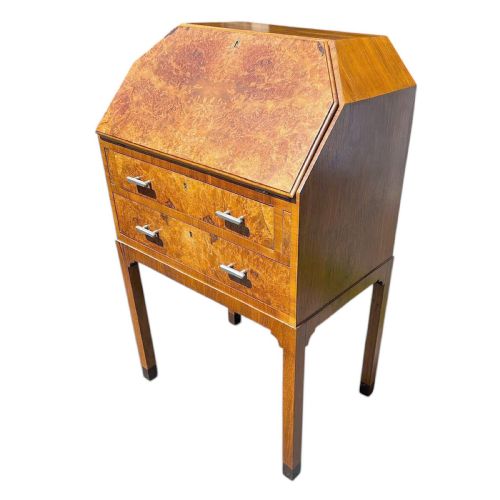
A compact study desk provides a dedicated workspace in a smaller scale, taking forms such as kneehole desks, writing tables, bureaux, and bonheur de jour pieces. These items appear across Georgian, Regency, Victorian, Edwardian, and later periods including 1910 and 1920.
The selection includes specific regional variants and revival pieces, such as Queen Anne style mahogany writing bureau desks and neat pedestal forms in walnut. Buyers searching for a compact study desk encounter diverse historical interpretations designed for domestic writing and study.
Materials and construction
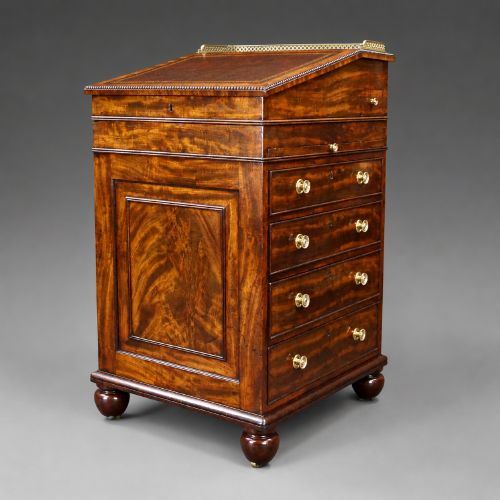
Construction relies on traditional timbers including mahogany, walnut, rosewood, and satinwood, often complemented by inset leather writing surfaces. Joinery methods reflect the period of manufacture, utilising solid woods and matched veneers.
Hardware typically includes brass handles, escutcheons, and occasional ceramic fittings, providing functional detail to drawers and compartments.
Retail Price Guide 2026
Typical UK retail prices for compact study desk, calculated from the Sellingantiques database of over a million retail prices indexed since 2003. This retail price guide relies exclusively on Sellingantiques data; no external sources or auction records are used, so the figures do not describe the wider market.
Heal and Son once supplied a small writing table with enough hidden character to make any paperwork feel like an occasion.
Assessing quality
Quality separates simple utility pieces from finer cabinet work through timber selection, figure matching in veneers, and the refinement of internal drawer construction. Finer examples display meticulous attention to secondary woods and proportional harmony.
The integration of specialised writing compartments, superior leather tooling, and original brass hardware elevate certain desks above standard production items.
Heal And Son
The Compact Study Desk Glossary
- Kneehole desk
- A small pedestal desk featuring a central recess for the user's legs, flanked by banks of small drawers.
- Bonheur de jour
- A light lady's writing desk originating in the eighteenth century, featuring a small cabinet or superstructure on the top.
- Pedestal desk
- A freestanding desk consisting of a top resting on two separate pedestals or cabinets of drawers.
- Bureaux
- A sloping hinged flap desktop opening to reveal fitted interior pigeonholes and small drawers.
- Satinwood
- A durable, hard exotic timber with a lustrous yellow sheen, frequently used for fine crossbanding and stringing.
Frequently Asked Questions
What is a compact study desk?
A compact study desk is a scaled-down writing table, bureau, or pedestal desk designed to fit modest spaces while offering functional surface area and storage.
These pieces span multiple historical periods, including Georgian, Regency, and Victorian eras, reflecting shifting domestic requirements for writing and administration.
How were these desks used?
Historically, these desks served for personal correspondence, household accounts, and reading, often placed in private bedchambers, boudoirs, or smaller studies.
The inclusion of internal compartments, drawers, and writing flaps kept stationery and documents organised.
How do I identify the period?
Period identification relies on observing timber choices, construction techniques, hardware styles, and overall aesthetic characteristics associated with eras like Regency or Edwardian design.
Comparing structural details against known historical styles helps determine whether a piece is Georgian or a later revival.
Can I use one with a modern laptop?
Many compact desks accommodate modern laptops and tablets easily, provided the surface dimensions and knee clearance suit your equipment.
It remains wise to check internal drawer depths and writing surface dimensions before purchase if you intend to store modern technology.