





Georgian Style Walnut Bureau
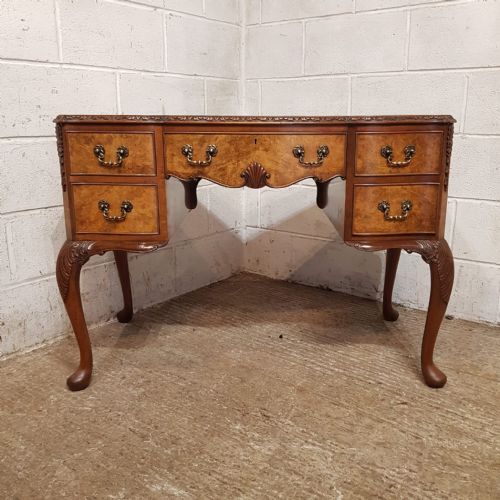
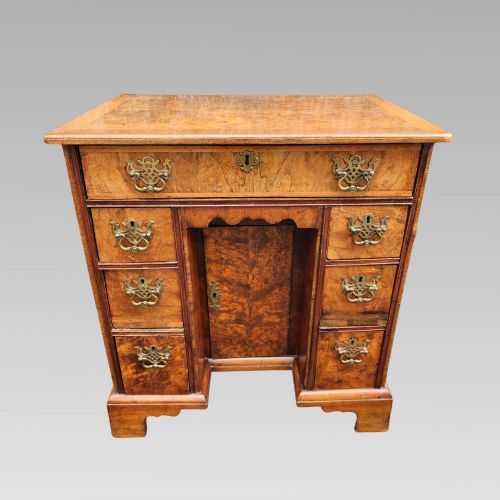
These georgian style walnut bureau pieces combine rich timber figures with fitted writing compartments, offering timeless practicality for modern studies.
Georgian Style Walnut Bureau
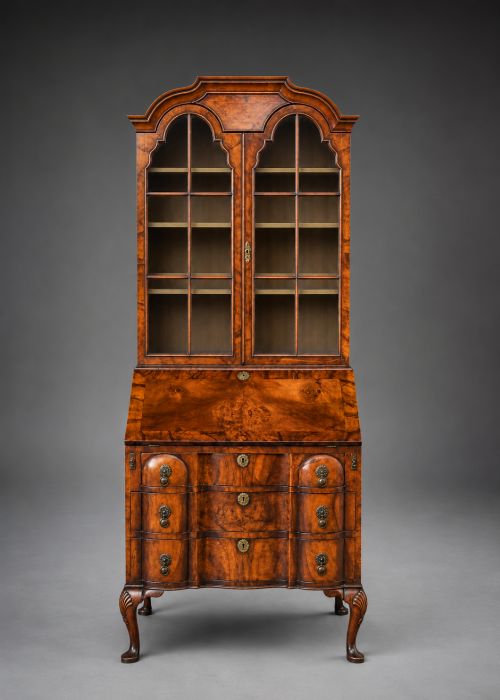
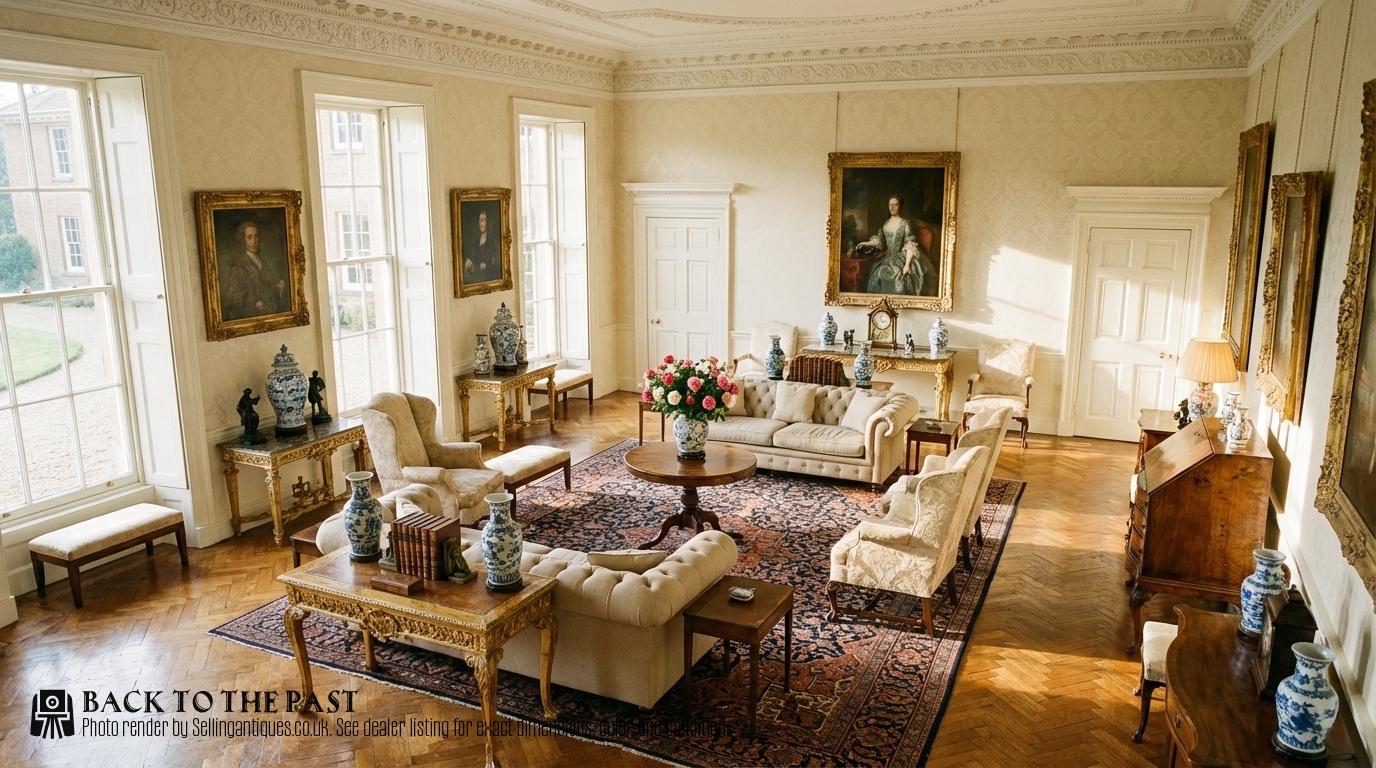
A georgian style walnut bureau provides a dedicated writing space featuring a sloping fall front that conceals pigeonholes, small drawers and secret compartments. When you search for this phrase, you encounter sloping writing cabinets alongside bureau bookcases and occasional desks created across multiple periods.
The pieces on this page span from the eighteenth century through to the early twentieth century, incorporating revival pieces from the Edwardian era and the nineteen-twenties. These later interpretations lean heavily on earlier George I and Queen Anne design idioms.
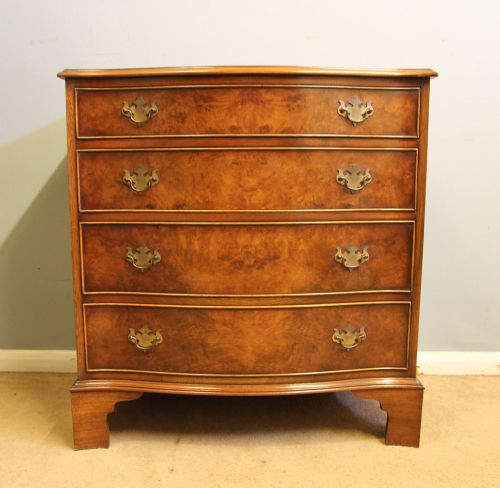
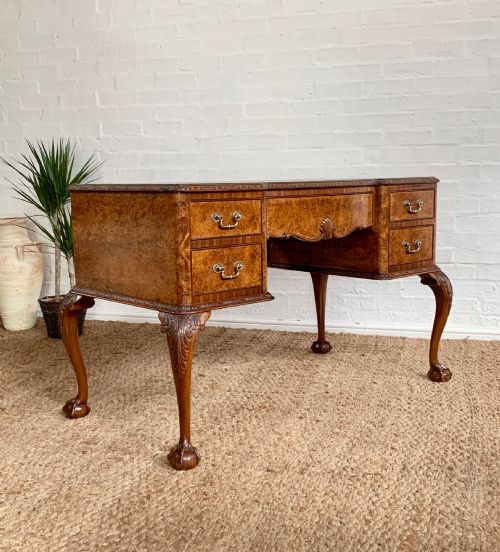
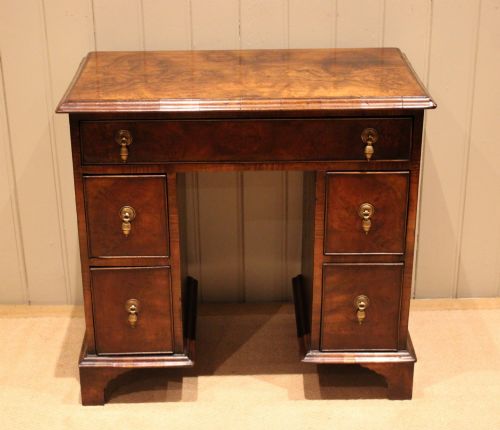
While writing cabinets dominate, related desk forms and chests also appear within this category. Buyers frequently meet burr walnut veneers, brass drop handles and stepped interior fittings across these varied examples.
How they were made
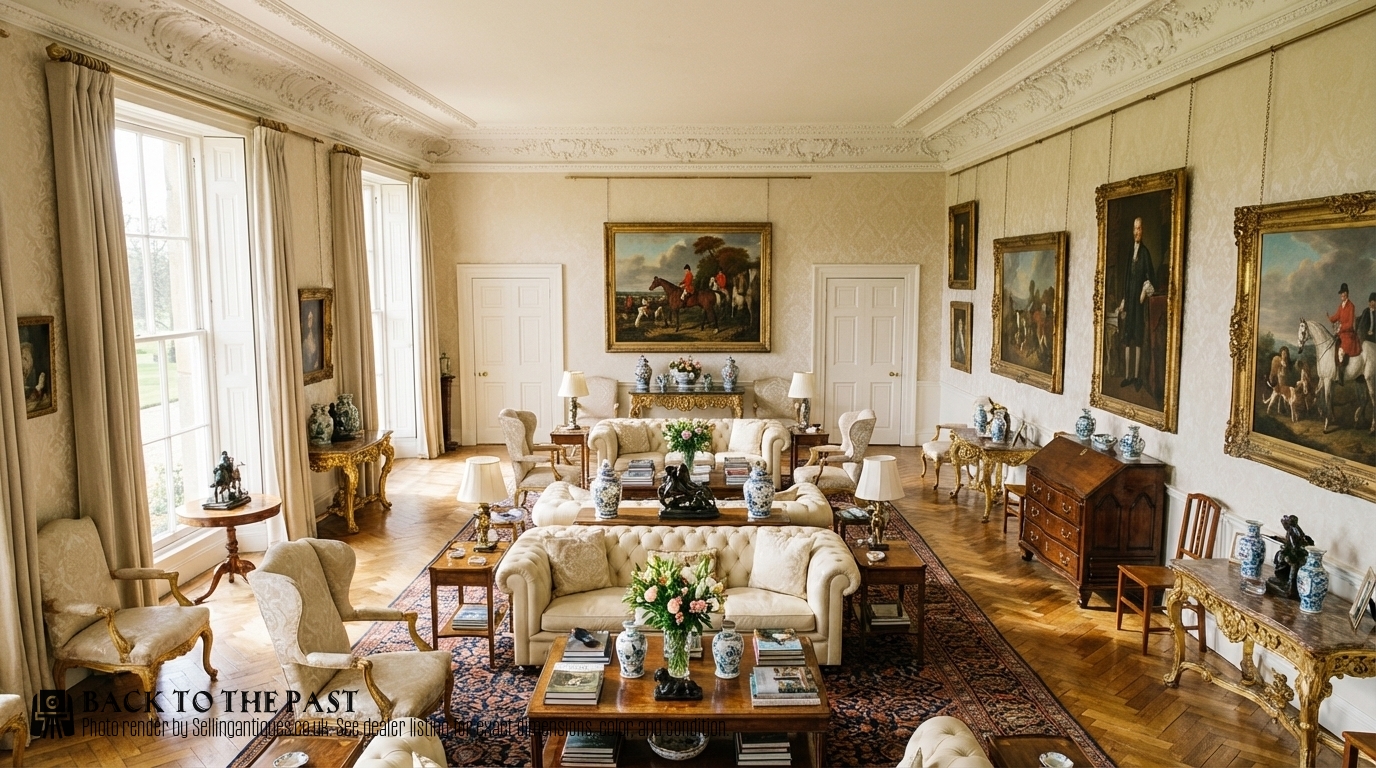
Cabinetmakers constructed these pieces using solid oak, pine or walnut as secondary foundational timbers, applying finely figured burr walnut veneers across the visible exterior surfaces. Crossbanding and stringing lines often frame the drawer fronts and the fall flap to provide decorative contrast.
Interior components rely on meticulous joinery, utilising small drawer boxes assembled with dovetail joints alongside pigeonholes constructed from secondary woods. Brass handles, escutcheons and hinges secure the fall fronts and drawers while adding metallic detail to the dark timber.
Leather writing surfaces appear inset onto pull-out slides or desk tops, often featuring tooled gilt borders. French polishing techniques seal the walnut grain, enhancing the natural chatoyancy and figuration of the burr timber.
Some miniature drawers hide behind secret sliding panels, built specifically for concealing love letters and lost fortunes.
What varies in quality
The selection of timber grain dictates the visual impact of a piece, with dense, highly figured burr walnut commanding greater appreciation than plain timber surfaces. Cabinetmakers who matched veneer patterns symmetrically across the fall front and drawer faces achieved a more cohesive aesthetic.
Internal architecture reveals the standard of construction, distinguishing simple partitions from complex stepped interiors with secret sliding compartments and concave document wells. The retention of original brass hardware and working locks similarly influences the integrity of each piece.
Maples of London·Waring & Gillow
The Georgian Style Walnut Bureau Glossary
- Bureau
- A writing desk featuring a sloping fall front that opens to reveal internal compartments and small drawers. This form evolved to house correspondence materials securely.
- Burr Walnut
- A specialised wood cut from walnut tree growths, yielding intricate, swirling grain patterns. Cabinetmakers prize this timber for decorative veneer work.
- Fall Front
- The hinged writing flap that drops down to form a horizontal desk surface. It conceals the internal pigeonholes when closed.
- Kneehole Desk
- A compact desk featuring a central recessed space for the legs, flanked by pedestals of small drawers. These tables often incorporate an internal cupboard behind the kneehole.
- Crossbanding
- A decorative border technique where thin strips of veneer are laid perpendicular to the surrounding grain. This frames the primary panels of furniture.
- Escutcheon
- A protective metal plate surrounding a keyhole. These plates prevent the timber from wearing around the lock.
Georgian Style Walnut Bureau: Frequently Asked Questions
What is inside a bureau?
Inside the fall front, you find a collection of small drawers, pigeonholes and sometimes a central locked cupboard designed for organising letters and documents.
Many examples also incorporate hidden compartments or sliding wells beneath the stationery fittings for securing valuables.
How do I date a walnut bureau?
Dating relies on examining the secondary timbers, construction methods, hardware styles and veneer characteristics. Eighteenth-century pieces display hand-cut dovetails and specific timber ageing, whereas twentieth-century revival pieces show different internal framing.
Stylistic cues such as bracket feet, ogee bracket feet or cabriole legs also help place a piece within the Georgian, Victorian or Edwardian eras.
Where should I place a bureau?
These pieces suit studies, living rooms or hallways where their compact footprint provides surface space without dominating the room. The fall front operates best in areas with sufficient clearance for a chair.
Keep walnut furniture away from direct sunlight and heat sources to prevent the burr veneers from drying out or fading over time.
Are these desks comfortable for daily writing?
Historical writing heights can feel lower than modern office desks, so pairing the bureau with a suitable low chair ensures a comfortable posture. The internal writing surface accommodates laptops and paperwork when the fall front is lowered.
Many users rely on the closed bureau as a decorative cabinet or occasional writing station within a home study.