


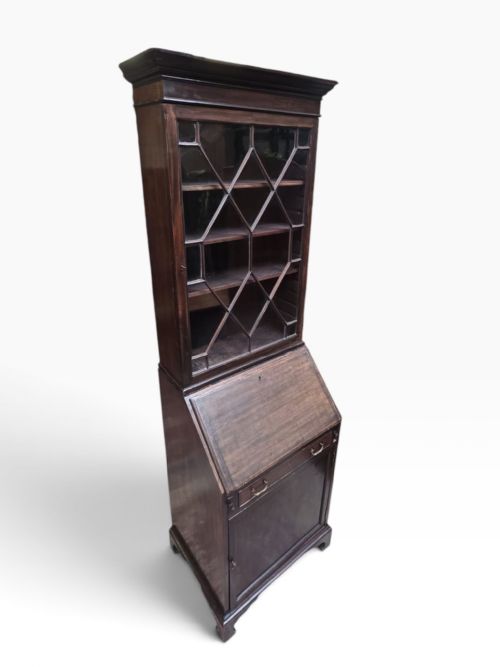
Antique Writing Slope Bureau
An antique writing slope bureau is a compact, sloping desk designed for correspondence, offering hidden compartments and drawers within a structured wooden carcase.
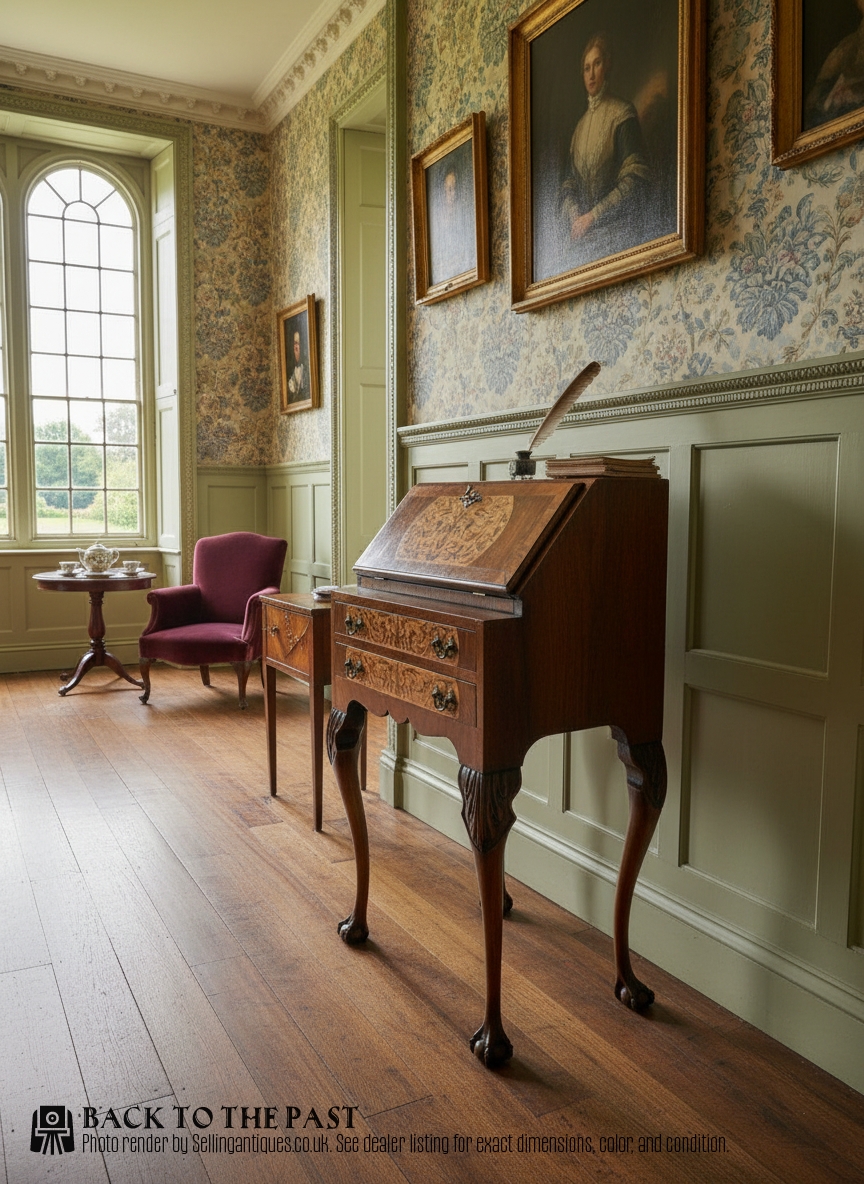
Antique Writing Slope Bureau
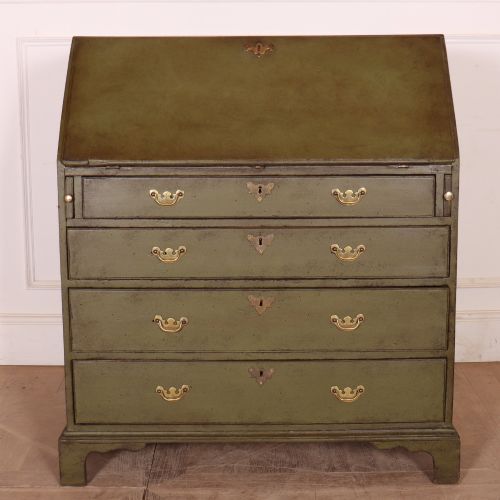
When you search for an antique writing slope bureau, you encounter a variety of forms designed for correspondence and storage. The selection ranges from compact table-top writing slope boxes to substantial bureau bookcases spanning the seventeenth to the twentieth centuries. Oak, mahogany, and walnut dominate the offerings, often complemented by inlaid details.
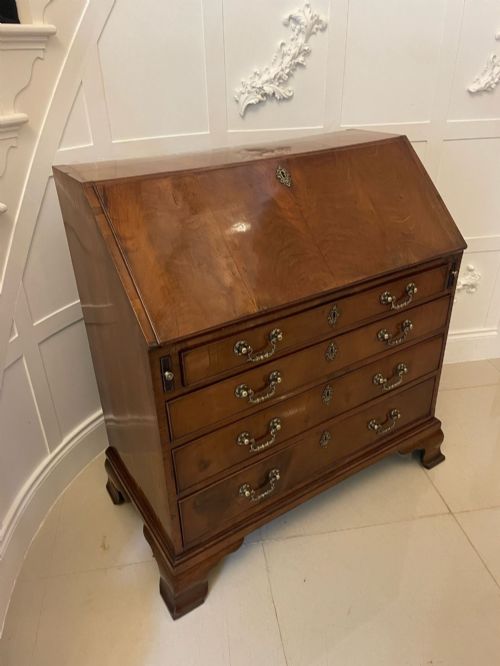
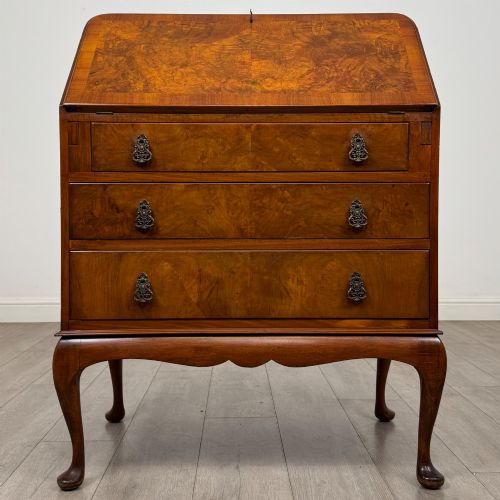
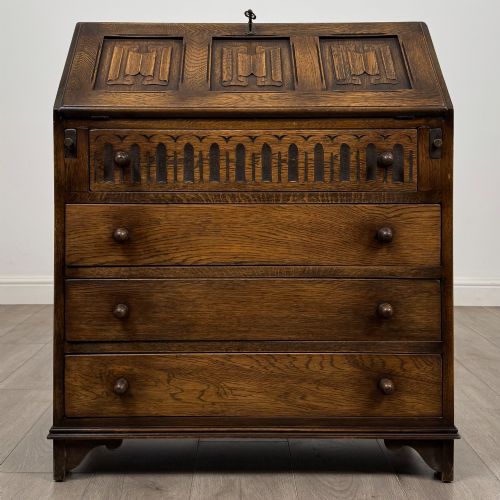
Georgian and eighteenth-century examples frequently feature fitted internal compartments concealed beneath a sloping fall-front. Edwardian and twentieth-century versions appear in figured walnut, golden oak, and carved linenfold designs. Buyers also find specialised writing desks such as the Davenport and the French bureau de dame.
Materials and construction methods
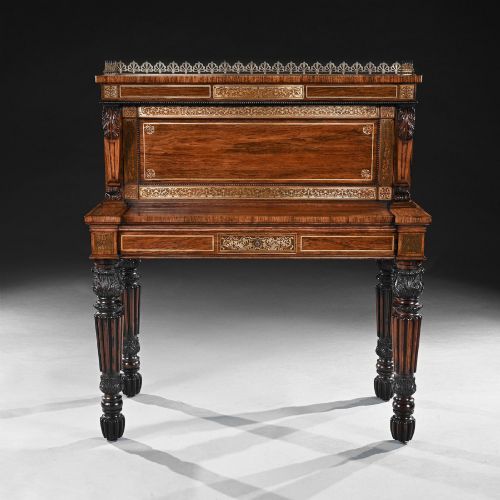
Cabinetmakers utilised solid timbers and veneers of mahogany, walnut, oak, rosewood, and yew wood to build these desks. Brass hardware, including hinges, escutcheons, and inlaid stringing, accents many of the pieces, alongside fitted leather writing surfaces.
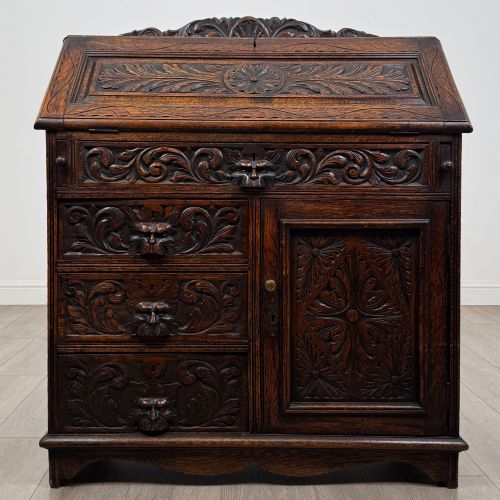
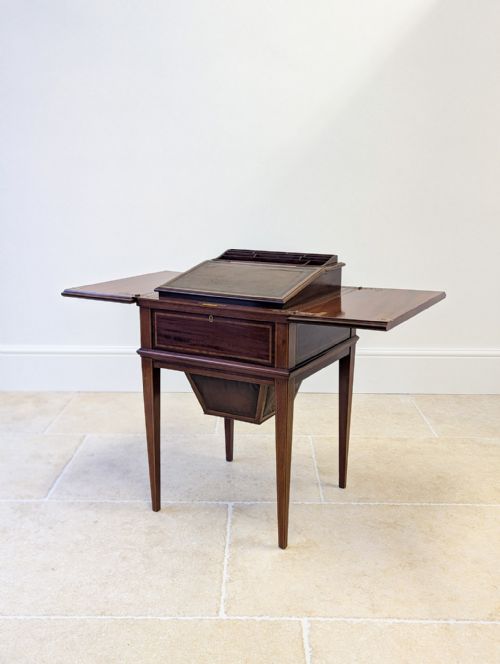
Construction techniques involve dovetail joints for drawer construction and carved decorative elements such as green man motifs or floral marquetry. Specialised pieces integrate metamorphic mechanisms and sloping writing surfaces supported by internal brackets.
Antique Writing Slope Bureau Retail Price Guide 2026
Typical asking prices for writing slope bureau among the pieces listed under this phrase on Sellingantiques today, from the lower quarter to the upper quarter. They describe what is for sale here now, not the wider market.
Listings feature pieces spanning the 17th century through the Edwardian era, utilising oak, mahogany, walnut, and rosewood.
Markers of fine craftsmanship
The degree of refinement in timber selection and internal configuration distinguishes superior examples. Fine pieces display matched grain patterns in burr walnut or figured mahogany, alongside meticulously arranged internal drawers and secret compartments.
The integrity of the structural joinery, the crispness of carved details like linenfold or marquetry, and the presence of original brass fittings indicate higher levels of original workshop execution.
Gillows Oxford Street Workshop·Heals of London
The Antique Writing Slope Bureau Glossary
- Bureau
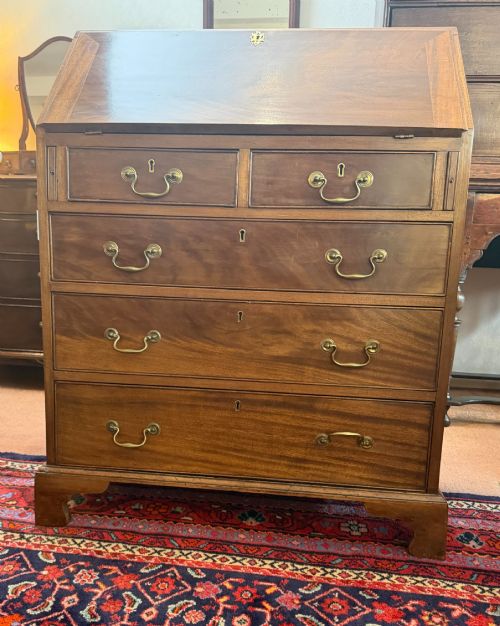
- A desk featuring a sloping hinged lid that opens to reveal a writing surface and small drawers. This form evolved from simple writing boxes into sophisticated case furniture.
- Davenport desk
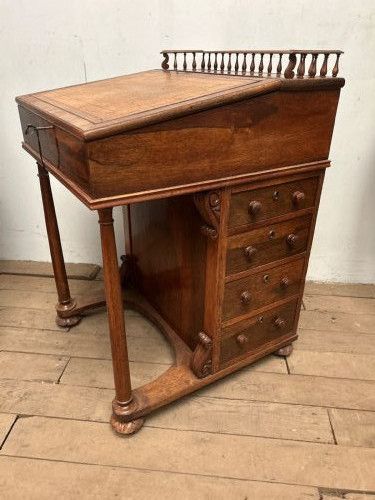
- A compact small writing desk featuring a side-opening pedestal of drawers and a sloping top. It gained popularity during the Regency and Victorian periods.
- Bureau bookcase
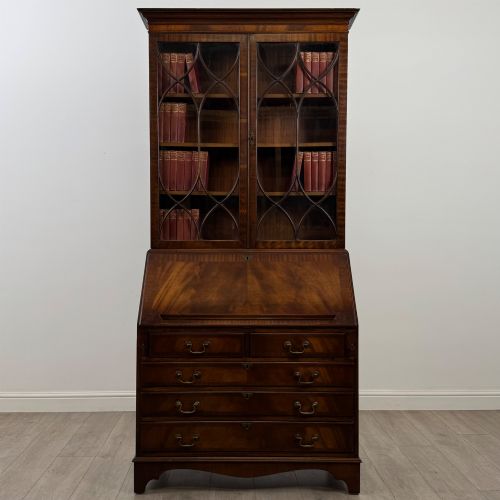
- A tall two-part piece combining a sloping desk base with upper shelving enclosed by doors. These units provide both workspace and display capacity.
- Marquetry
- Decorative veneer work forming pictorial or geometric patterns using various coloured woods. Dutch and English cabinetmakers utilised this technique on eighteenth-century surfaces.
- Fall-front
- The hinged sloping panel on a bureau that lowers to form the writing surface. It conceals the pigeonholes and inner compartments when closed.
Antique Writing Slope Bureau: Frequently Asked Questions
What is a bureau bookcase?
A bureau bookcase is a dual-purpose piece combining a sloping writing desk at the bottom with a shelved cabinet section above. It provides enclosed storage for books alongside a functional fold-down writing surface.
These taller items served as primary administrative and library furniture in homes from the eighteenth century onward. They require adequate vertical wall space and offer substantial storage capacity.
How do I use a Davenport desk?
A Davenport desk provides a compact writing platform on a sloping lid, with a bank of drawers accessed from the side. The top surface often includes a small stationery compartment.
Its modest footprint makes it suitable for placement in smaller rooms or living spaces. The side drawers keep writing materials organised close at hand.
What is a bureau de dame?
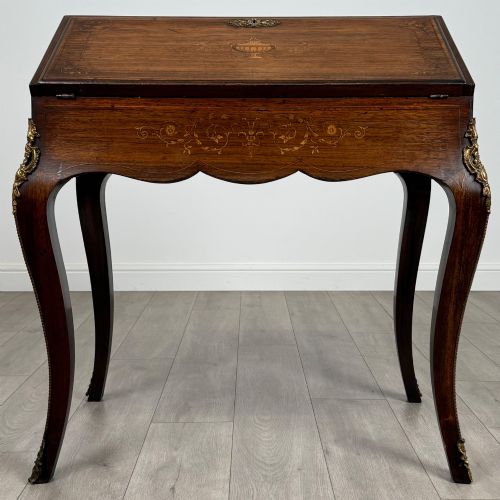
A bureau de dame is a feminine form of writing desk, typically featuring delicate proportions, curved cabriole legs, and refined surface veneers like rosewood or marquetry. They emerged in continental Europe and Victorian England as elegant writing furniture.
These pieces suit lighter interior schemes and intimate settings such as drawing rooms or bedrooms. Their internal fittings are scaled for personal correspondence rather than heavy ledgers.
How do I date an oak bureau?
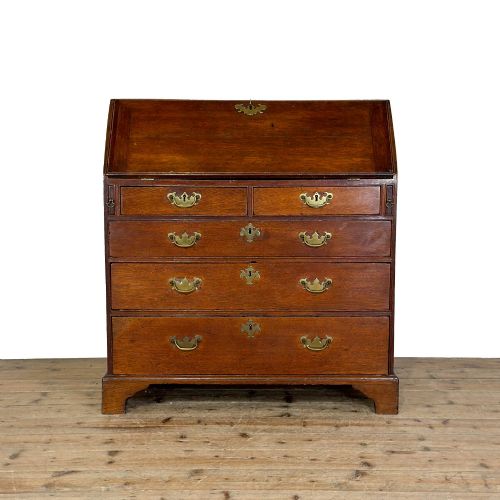
Dating an oak bureau involves examining the construction methods, drawer dovetails, hardware, and overall stylistic characteristics. Early examples from the seventeenth and eighteenth centuries often display pegged joints and hand-sawn timber.
Later Victorian and Edwardian revivals incorporate machine-sawn elements and different handle styles. Comparing the secondary woods inside the drawers helps confirm the period of manufacture.