



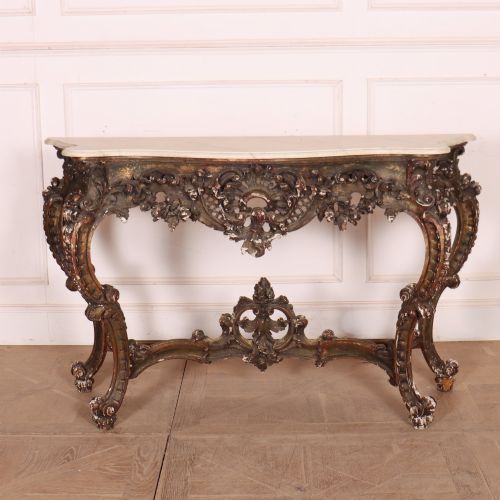
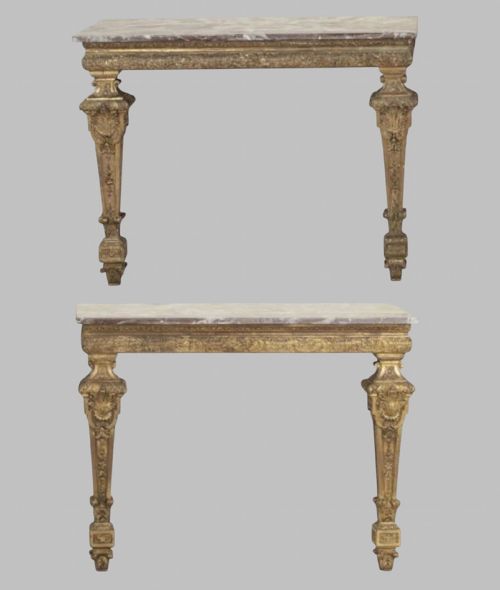
Gilded Pier Table
A gilded pier table brings brilliant Italian and French style into a room, offering a grand console surface beneath a mirror.
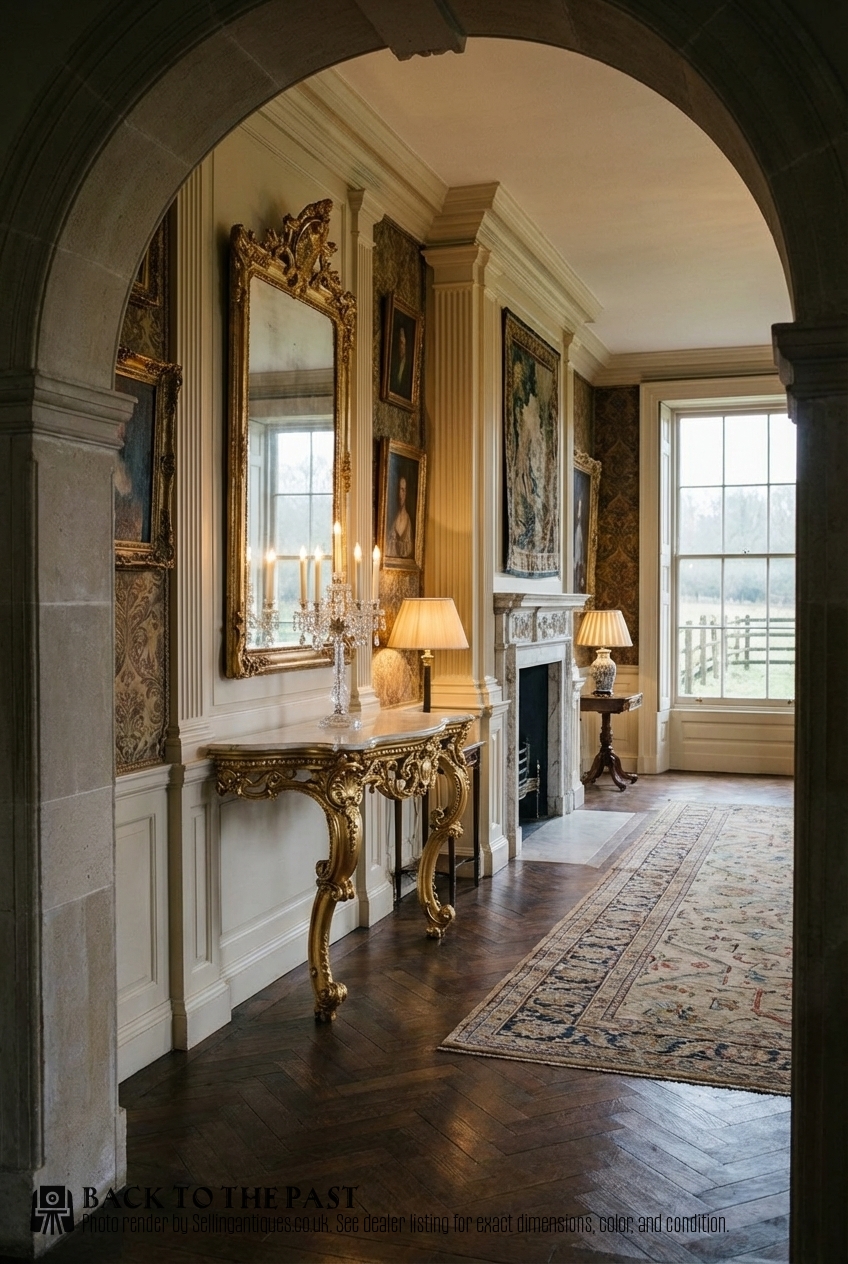
Gilded Pier Table
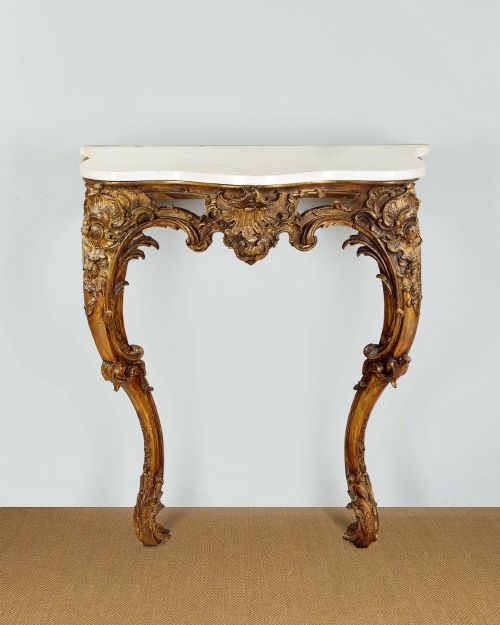
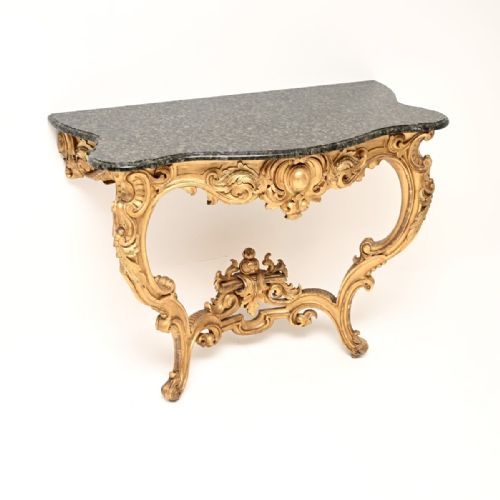
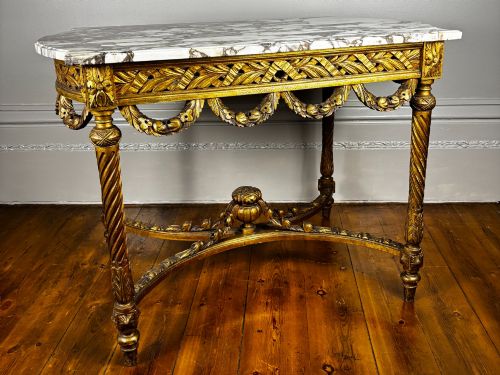
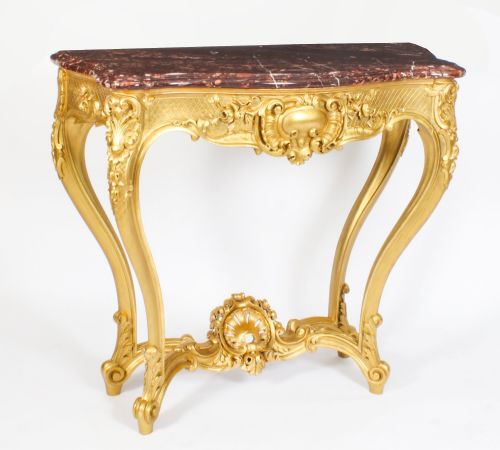
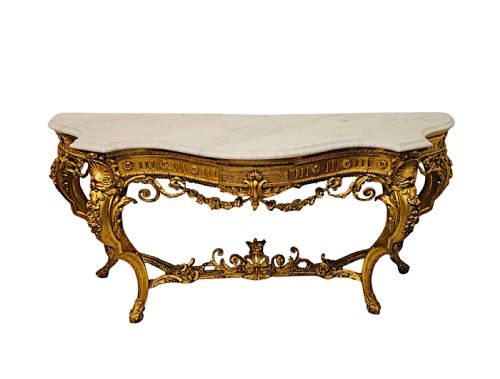
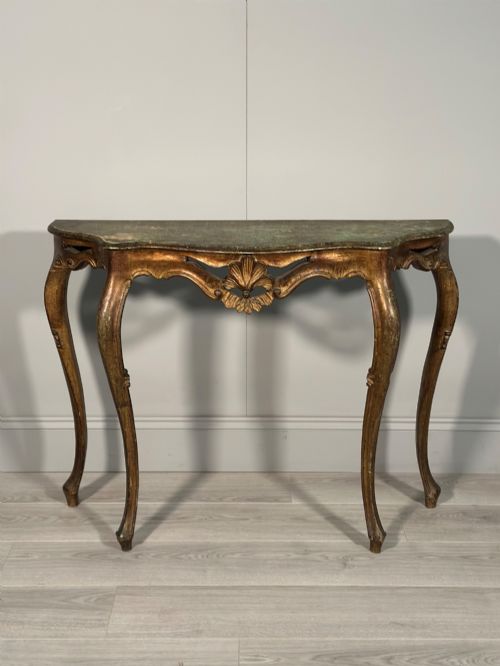
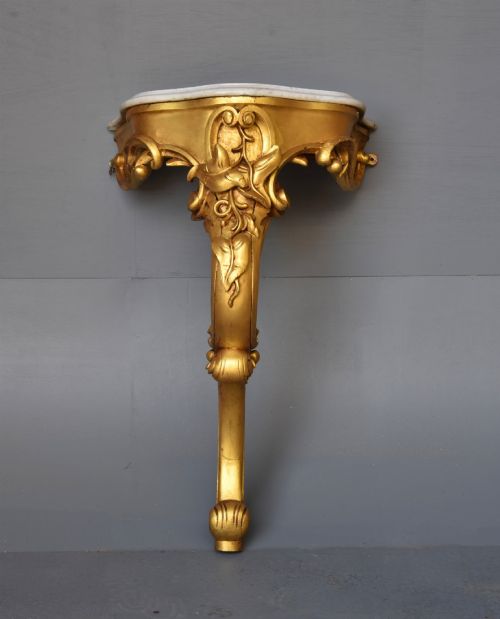
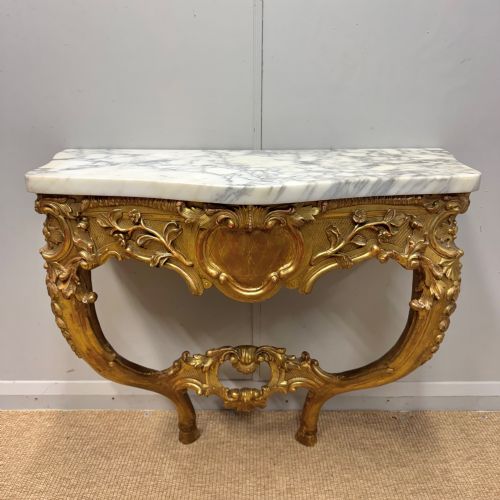
A gilded pier table is a console designed to sit against the wall between windows, frequently featuring a marble top and substantial carved decoration. When searching for a gilded pier table, buyers encounter console tables originating from the eighteenth and nineteenth centuries.
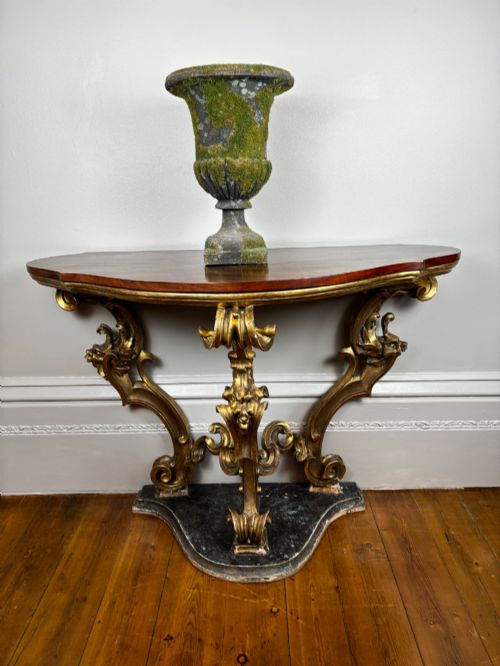
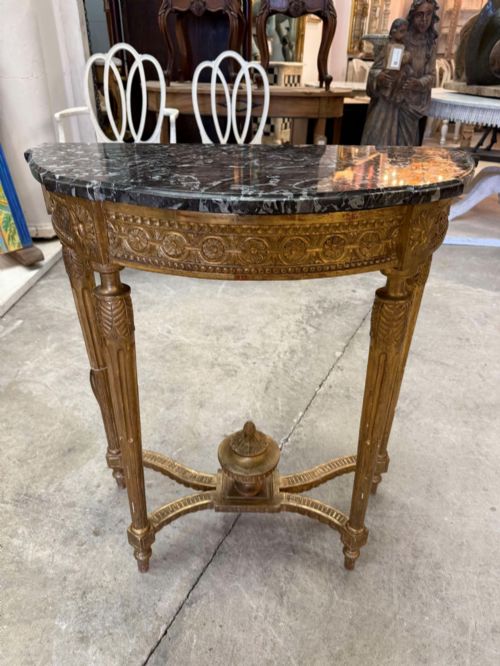
The examples recorded here span Italian Rococo, Italian Neoclassical, Louis XV Revival, French Rococo, and Rococo Revival styles. Surviving pieces often include painted surfaces, giltwood frames, and combined console pier table arrangements with mirrors.
How they were made
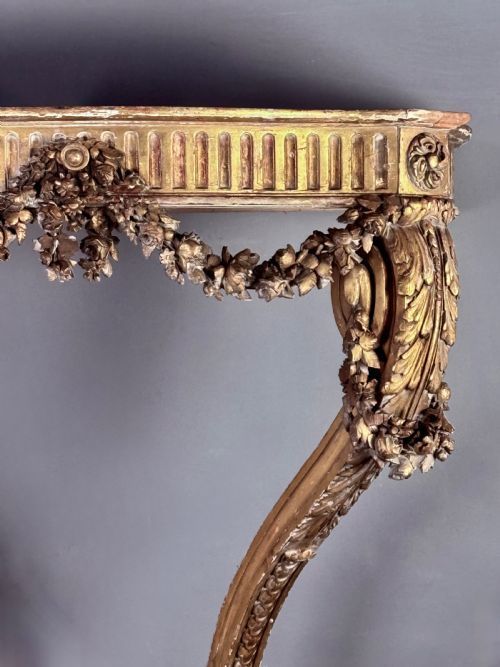
Maker workshops utilised carved wood as the primary structural foundation for these console tables, shaping intricate forms by hand. Artisans applied gold leaf and paint to the wooden frames to achieve a rich gilded finish.
Many tables incorporate heavy marble slabs fitted to the top surface, providing a durable and cool counterpoint to the ornate carved giltwood beneath. Construction methods rely on traditional joinery suited to heavy materials and elaborate ornamentation.
Gilded Pier Table Retail Price Guide 2026
Typical asking prices for gilded pier table among the pieces listed under this phrase on Sellingantiques today, from the lower quarter to the upper quarter. They describe what is for sale here now, not the wider market.
Listings feature items from the eighteenth and nineteenth centuries, utilising carved wood, marble, paint, and gold leaf in Italian and French revival styles.
What varies in quality
Quality separates simple painted frames from deeply sculpted carved wood adorned with dense, layered gold leaf. The crispness of the carving and the depth of the gilding determine the visual presence of the console.
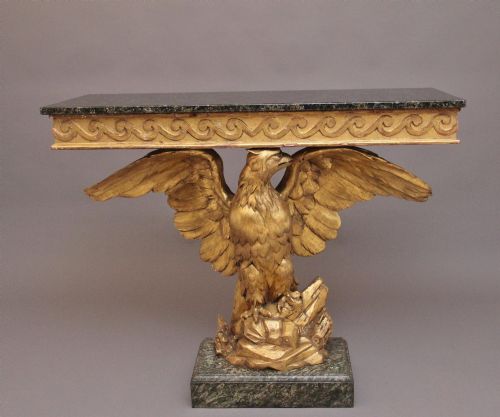
The integration of the marble top and the survival of the original paint and gilt surfaces dictate the standing of an individual pier table. Pieces featuring mirrors or complex figural elements like dolphins demonstrate more ambitious workshop design.
The Gilded Pier Table Glossary
- Giltwood
- Wood that has been coated with gold leaf. This material defines the bright, reflective surfaces seen across many antique console tables.
- Pier table
- A table designed to fit against the wall space between two architectural openings such as windows. These tables often sat beneath matching tall mirrors.
- Rococo Revival
- A nineteenth century design movement that reinterpreted the flowing, asymmetrical curves of the earlier eighteenth century French style. This aesthetic favoured elaborate natural motifs and scrolling work.
- Console table
- A table supported by wall brackets or console legs rather than four independent vertical supports. They provide a narrow surface suited to hallways and reception rooms.
Gilded Pier Table: Frequently Asked Questions
Where should I place a pier table?
These tables fit naturally against flat wall spaces in hallways, living rooms, or dining rooms where a shallow footprint is required.
They traditionally occupy the space between large windows, often positioned directly below a matching wall mirror to reflect light around the room.
What is the difference between a console and a pier table?
A console table is supported against a wall by brackets or front legs. A pier table specifically denotes a console designed for the wall space between windows.
Many antique pier tables were originally paired with matching wall mirrors above them, creating a unified architectural feature.
How do I care for giltwood?
Giltwood requires gentle dusting with a soft, dry brush to protect the delicate gold leaf layer. Avoid using liquid cleaners or abrasive cloths, which can lift the gilding from the carved wood beneath.
Keep these tables away from direct sunlight and damp environments to preserve the underlying wood and paint.
How do I identify a nineteenth century revival piece?
Nineteenth century revival pieces adopt earlier eighteenth century motifs such as Italian Rococo or Louis XV curves but employ nineteenth century construction techniques and wood preparation. Examining the joins, backing wood, and wear patterns helps reveal the true age.
Certain pieces carry specific dates or stylistic markers pointing to the eighteen seventies and nineties.