
Continental Chest of Drawers
A continental chest of drawers brings European craftsmanship and distinct regional character into a room.

Continental Chest of Drawers
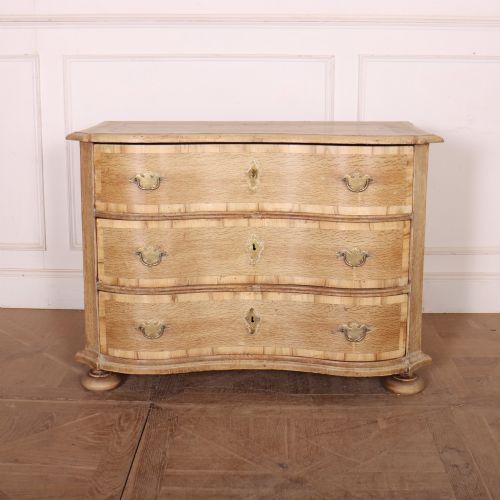
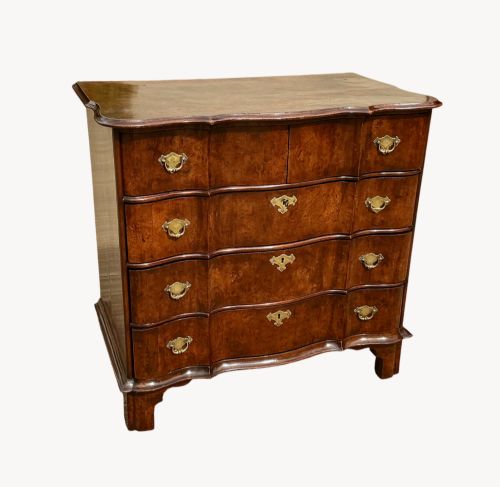
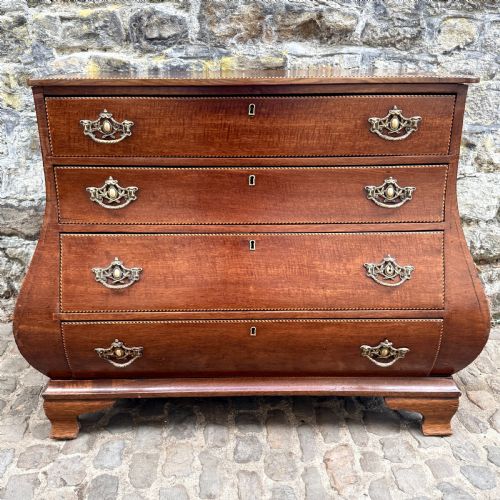
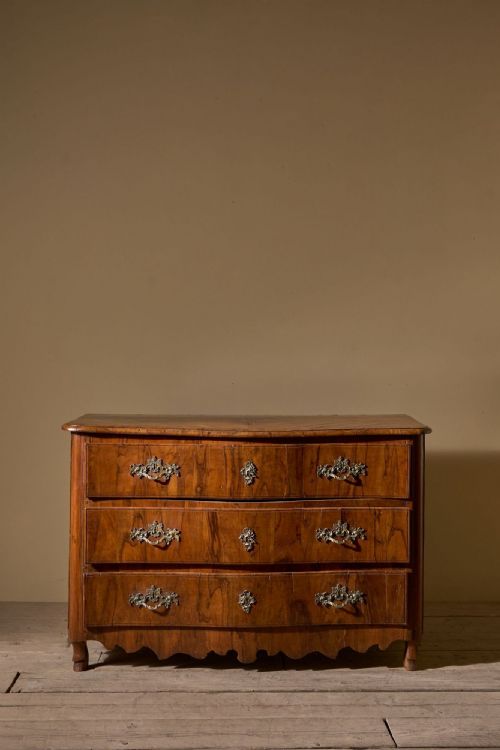
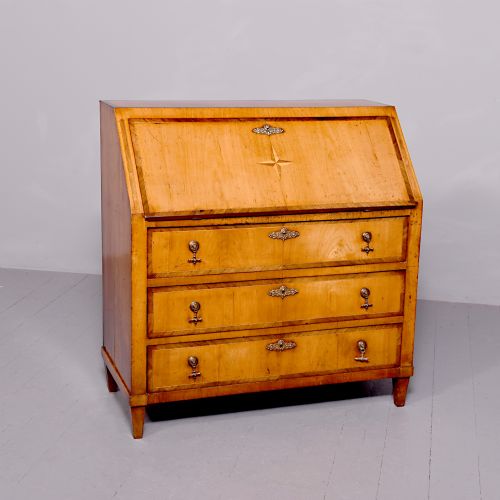
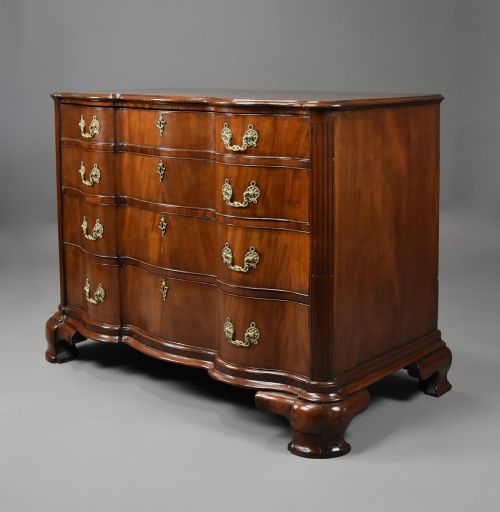
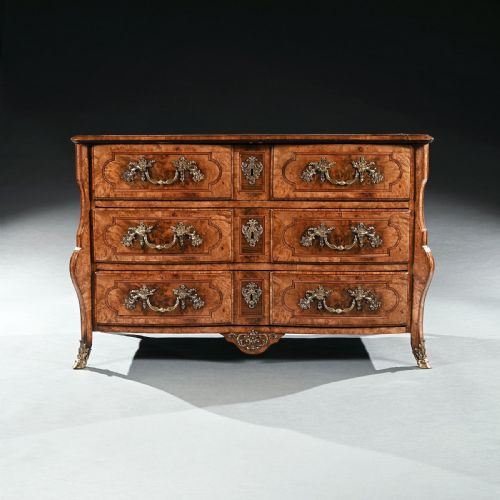
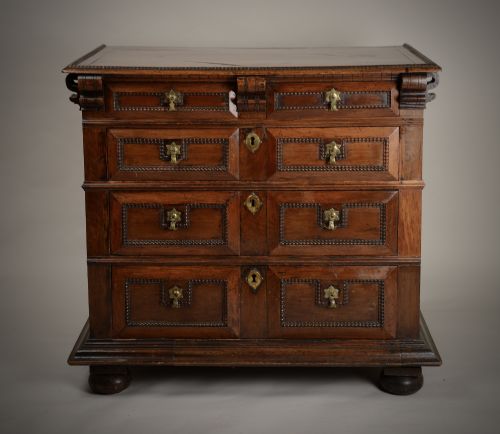
A continental chest of drawers encompasses practical storage furniture produced across European workshops from the seventeenth century through to the twentieth century. These pieces range from substantial pine storage items to highly decorative commodues shaped in walnut, fruitwood, and mahogany.
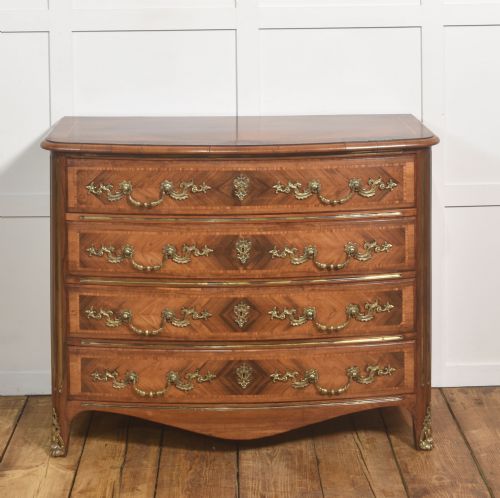
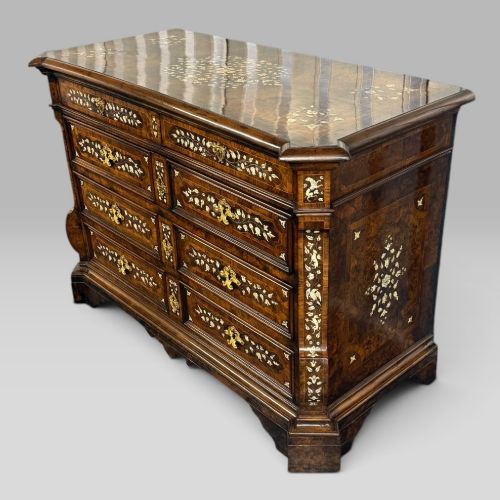
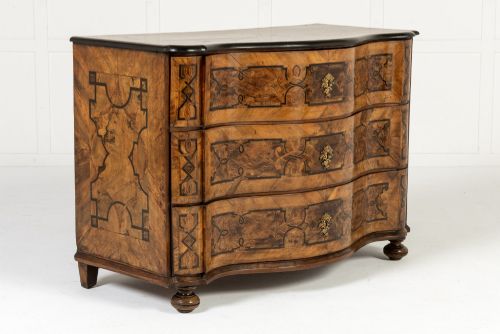
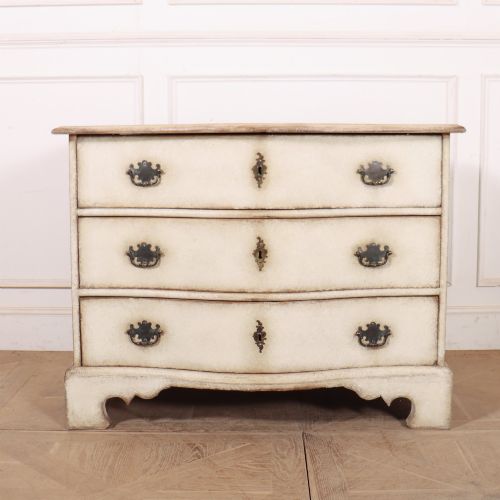
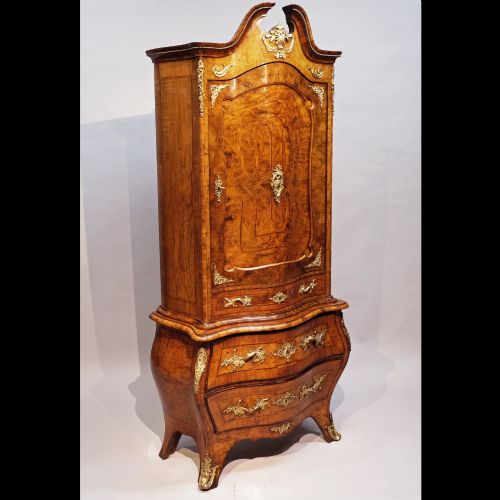
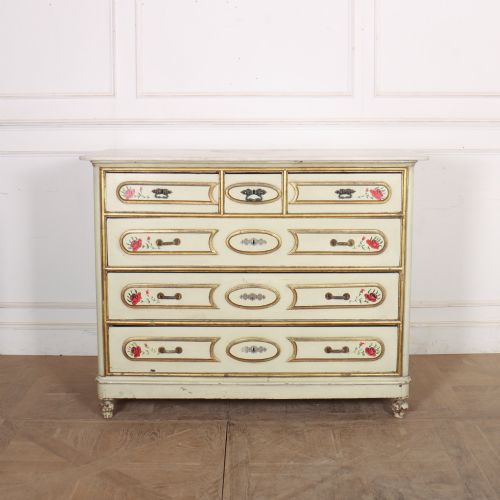
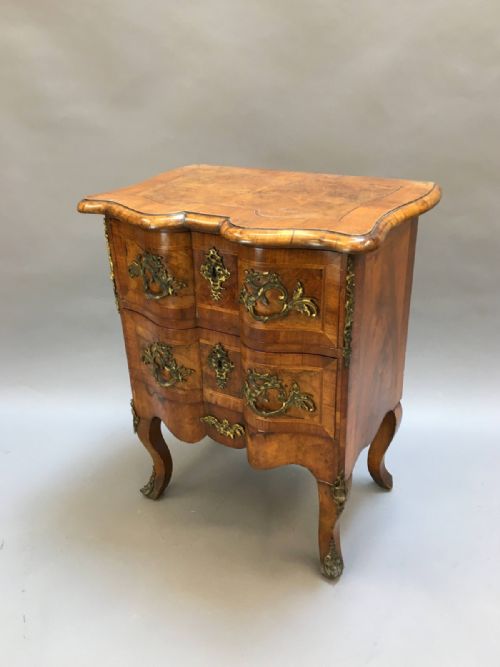
The selection frequently includes eighteenth-century examples featuring serpentine outlines, marble tops, and intricate inlay work alongside nineteenth-century painted pine variants. Regional aesthetics dictate whether a piece follows French Regence, Louis XVI, Austrian Rococo, or Italian styling.
Buyers encounter both grand reception-room commodes and simpler provincial pine chests. Each regional tradition applies distinct construction methods and timber choices, reflecting local material availability.
Materials and Construction
Carpenters utilised native and exotic timbers including oak, walnut, burr maple, olive-wood, fruit-wood, mahogany, and pine. Veneers and solid planks were shaped using hand tools to create serpentine, bombé, or straight-fronted carcases.
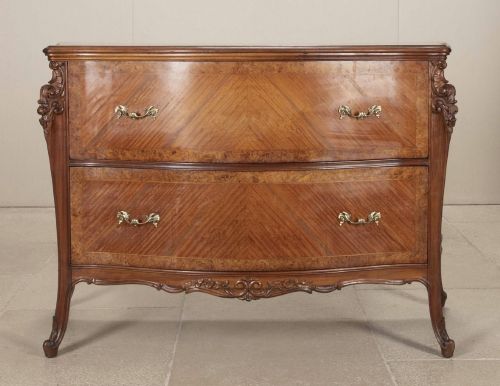
Decorative surfaces frequently incorporated brass handles, gilt bronze mounts, marble tops, and intricate inlay patterns. Painted finishes appeared on provincial pine pieces, while finer examples displayed polished burr walnut or chevron veneer designs.
Retail Price Guide 2026
Typical UK retail prices for continental chest of drawers, calculated from the Sellingantiques database of over a million retail prices indexed since 2003. This retail price guide relies exclusively on Sellingantiques data; no external sources or auction records are used, so the figures do not describe the wider market.
Listings span walnut, oak, bleached oak, burr maple, pine, and mahogany, frequently paired with marble tops and brass hardware.
Assessing Quality
Quality rests in the precision of the timber selection and the complexity of the silhouette, such as a fluid serpentine or bombé curve. Finer examples display expertly matched burr walnut, fruit-wood, or olive-wood veneers rather than plain painted or secondary softwoods.
The integration of decorative elements like marble tops, brass mounts, and detailed inlay work distinguishes standard utility pieces from high-status regional workshops. Superior construction is evident in the joinery of the carcase and the smooth operation of the drawers.
Thomas Hache of Grenoble
The Continental Chest of Drawers Glossary
- Commode
- A low chest of drawers or cabinet, often associated with French and Italian eighteenth-century design. These pieces typically feature decorative marble tops and ornate handles.
- Serpentine
- A furniture front or edge shaped with a central convex curve flanked by two concave curves. This contour requires skilled woodworking to achieve.
- Bombé
- A swelling, outward-curving chest profile popular in eighteenth-century continental furniture. The sides and front bulge outward before tapering towards the base.
- Inlay
- A technique where pieces of contrasting timber, brass, or other materials are inserted into recessed portions of a wooden base to form decorative patterns. It defines many high-end continental surfaces.
- Carrara marble
- A type of white or blue-grey marble quarried in Italy, frequently used for the tops of continental commodes. It provides a durable and cooling surface.
Frequently Asked Questions
How do I spot an eighteenth-century commode?
Look for hand-cut dovetails, timber shrinkage appropriate to age, and regional design traits such as Austrian Rococo or French Regence styling. The choice of woods like walnut and fruit-wood often points to this earlier period.
Examine the internal construction and backboards, which should show tool marks consistent with manual carpentry. Secondary woods utilised internally also help establish the geographical origin and age.
What is the difference between a commode and a chest of drawers?
While both serve storage purposes, a commode specifically refers to a decorative low chest of drawers, frequently originating from France or Italy and often topped with marble. Standard chests of drawers span a broader range of utilitarian and regional continental styles.
Commodes generally emphasise aesthetic display with serpentine or bombé shapes and elaborate mounts, whereas continental chests can include tall pine or walnut storage units designed for domestic utility.
Where were painted continental chests made?
Painted chests of drawers appear across various European provinces, particularly in nineteenth-century pine examples. These pieces often reflect local folk art traditions and domestic interior fashions of the period.
The paint finishes range from simple single-layer applications to decorative motifs applied over pine or softwood carcases intended for provincial homes.
How do I care for a marble top?
Marble tops require gentle cleaning with mild, non-acidic soap and water to protect the polished stone surface. Avoid harsh chemical cleaners that can etch or dull the natural material.
Using coasters and mats helps prevent staining, particularly on porous antique marble found on eighteenth and nineteenth-century commodes.