


Dark Walnut Commode
A dark walnut commode brings deep, rich timber tones and practical drawer storage to a room.
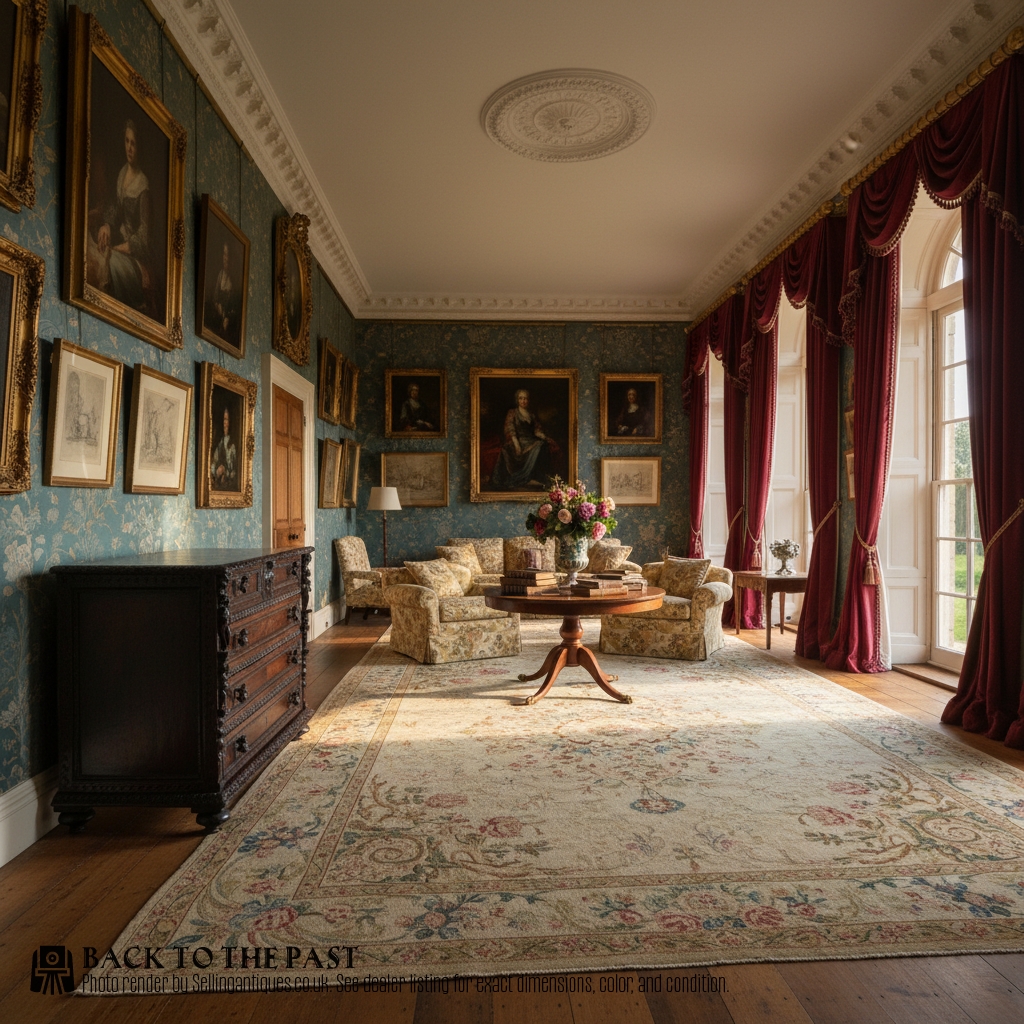
What a dark walnut commode is
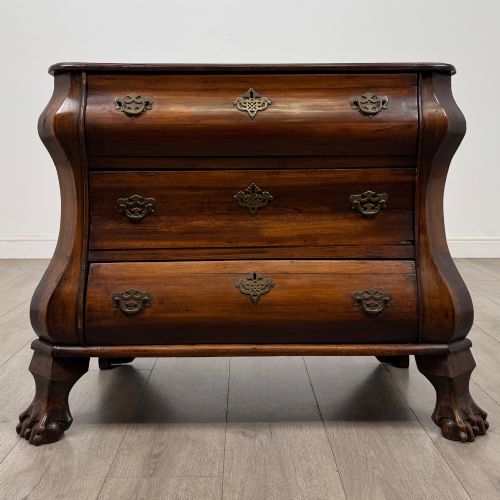
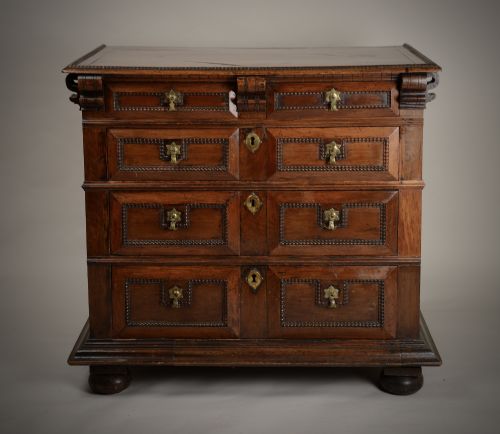
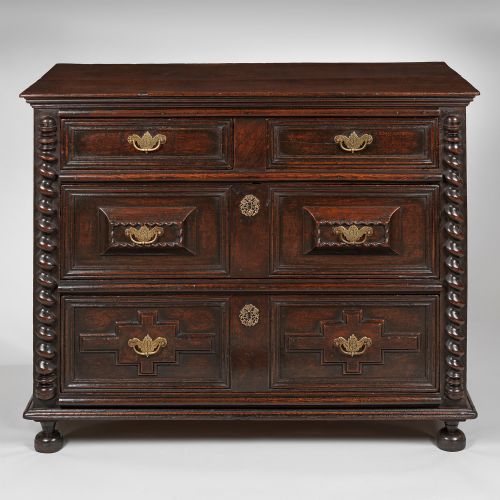
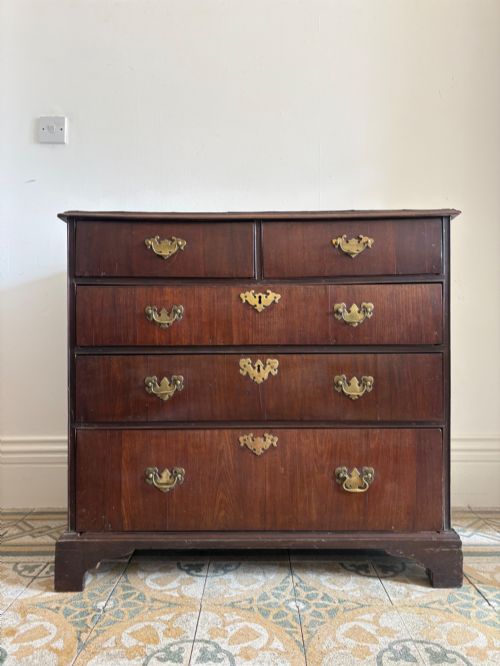
A dark walnut commode is a substantial chest of drawers built primarily for storage and display, appearing across several centuries from the seventeenth to the twentieth. These pieces draw on diverse European regional traditions, ranging from French Provincial and Louis Philippe designs to Italian Renaissance and Dutch Rococo styles.
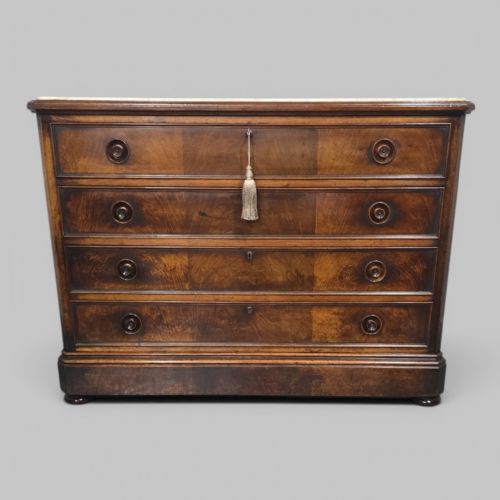
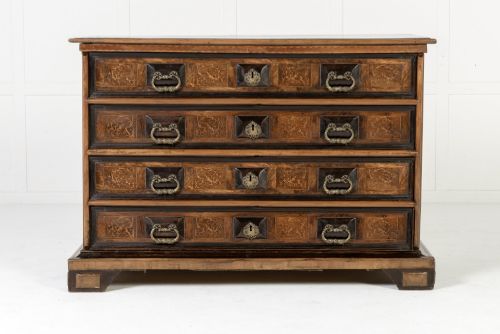
The versions most commonly met on this page span the eighteenth and nineteenth centuries, often featuring shaped fronts, marble tops, or intricate inlay work. Makers constructed these chests of drawers to anchor principal rooms, utilising the heavy grain and dark natural hues of walnut timber.
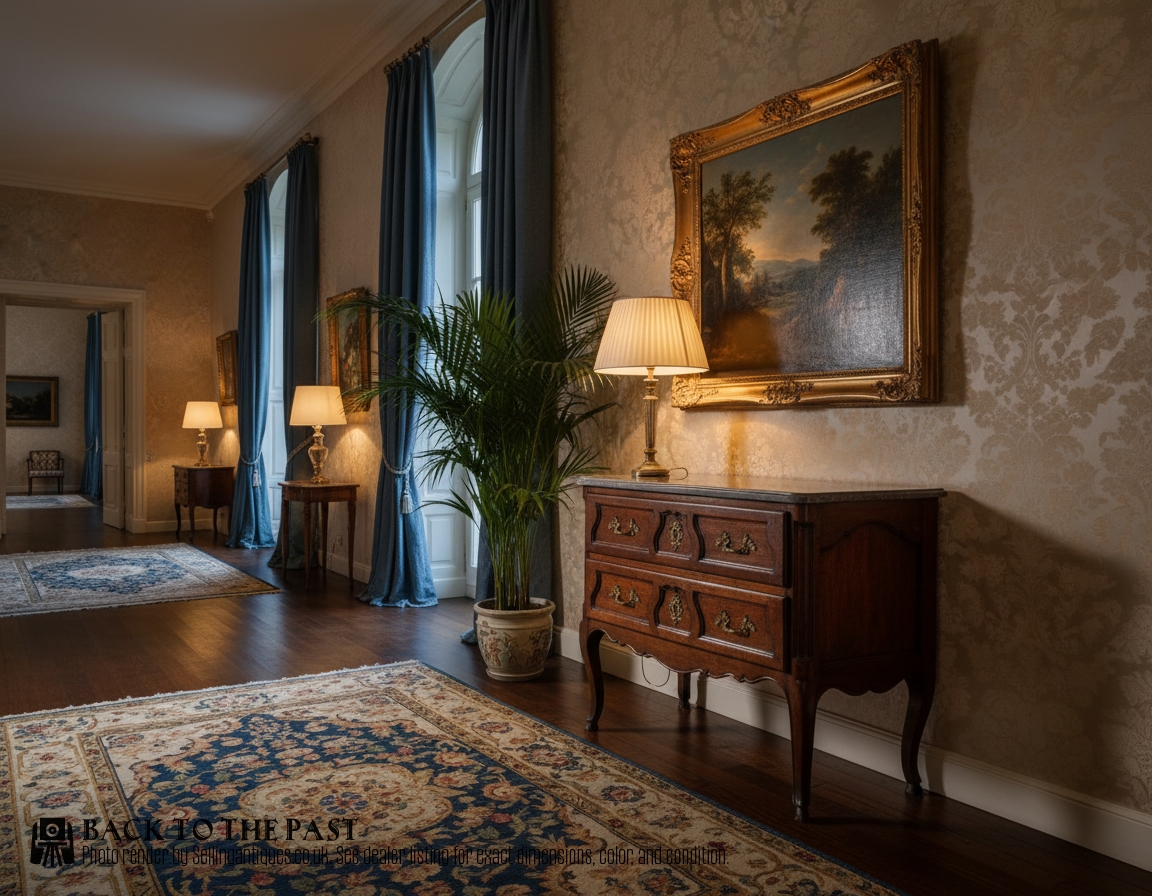
How they were made
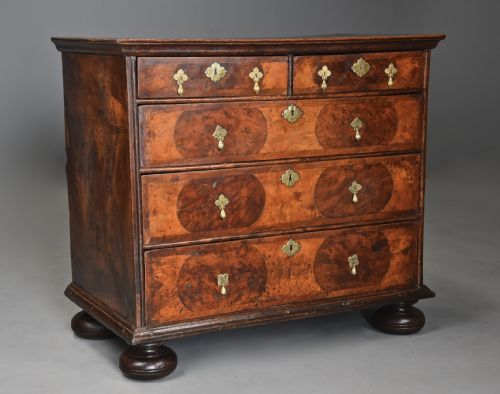
Cabinetmakers built these chests using solid walnut and burr walnut veneers applied over secondary timbers such as oak, creating dense, heavy carcases designed to last. They frequently integrated contrasting materials like polished marble for the tops and cast brass for handles, escutcheons, and mounts.
Construction techniques varied by period, employing traditional joinery to accommodate the shaped fronts and intricate inlay patterns seen across the French, Italian, and Dutch examples.
Retail Price Guide 2026
Typical UK retail prices for dark walnut commode, calculated from the Sellingantiques database of over a million retail prices indexed since 2003. This retail price guide relies exclusively on Sellingantiques data; no external sources or auction records are used, so the figures do not describe the wider market.
Walnut was once so prized for cabinetmaking that some eighteenth-century workshops carefully matched the swirling burr grain to trick the eye.
What varies in quality
The standard of a dark walnut commode rests on the depth of the timber grain, the crispness of any carved elements, and the integration of secondary materials like marble and brass. Finer examples display meticulous attention to veneering, particularly with burr walnut, and harmonious proportions across shaped fronts.
Weaker pieces may show less refined joinery or simpler surface finishing, whereas superior items exhibit the distinct regional characteristics of seventeenth-century Italian Renaissance work or mid-eighteenth-century French design with greater fidelity.
The Dark Walnut Commode Glossary
- Commode
- A low chest of drawers or cabinet, originating in France during the seventeenth century. These pieces typically provide substantial drawer storage while serving as decorative furniture.
- Burr Walnut
- A specialised wood cut from the abnormal growth or burl of a walnut tree, producing highly figured, swirling grain patterns. Cabinetmakers prized this timber for decorative veneer work on prominent surfaces.
- Escutcheon
- A protective plate surrounding a keyhole, frequently cast in brass on these chests. It serves both a functional purpose and a decorative role on drawer fronts.
- Louis Philippe
- A French design style spanning the nineteenth century characterised by restrained curves and simple, elegant lines. Pieces from this period rely on the natural beauty of the walnut timber rather than heavy ornamentation.
Frequently Asked Questions
How do I date a commode?
Dating relies on examining the construction methods, secondary timbers like oak, and stylistic details such as shaped fronts or marble tops.
Periods represented on this page span from the seventeenth century through to the early twentieth century, with distinct markers like Louis Philippe or Dutch Rococo styling helping to place them.
Where were these pieces made?
These chests originate from various European workshops, reflecting regional preferences in France, Italy, and the Netherlands.
Each area imparted its own stylistic vocabulary, from Italian Renaissance Bambocci figures to French Provincial shaping and Dutch Rococo curves.
How do I care for walnut furniture?
Walnut timber benefits from consistent indoor humidity levels and protection from direct sunlight to preserve the rich dark colour of the grain.
Regular dusting with a soft cloth keeps the surface clean without requiring heavy polishes that can build up over time.