

Antique Bombe Chest
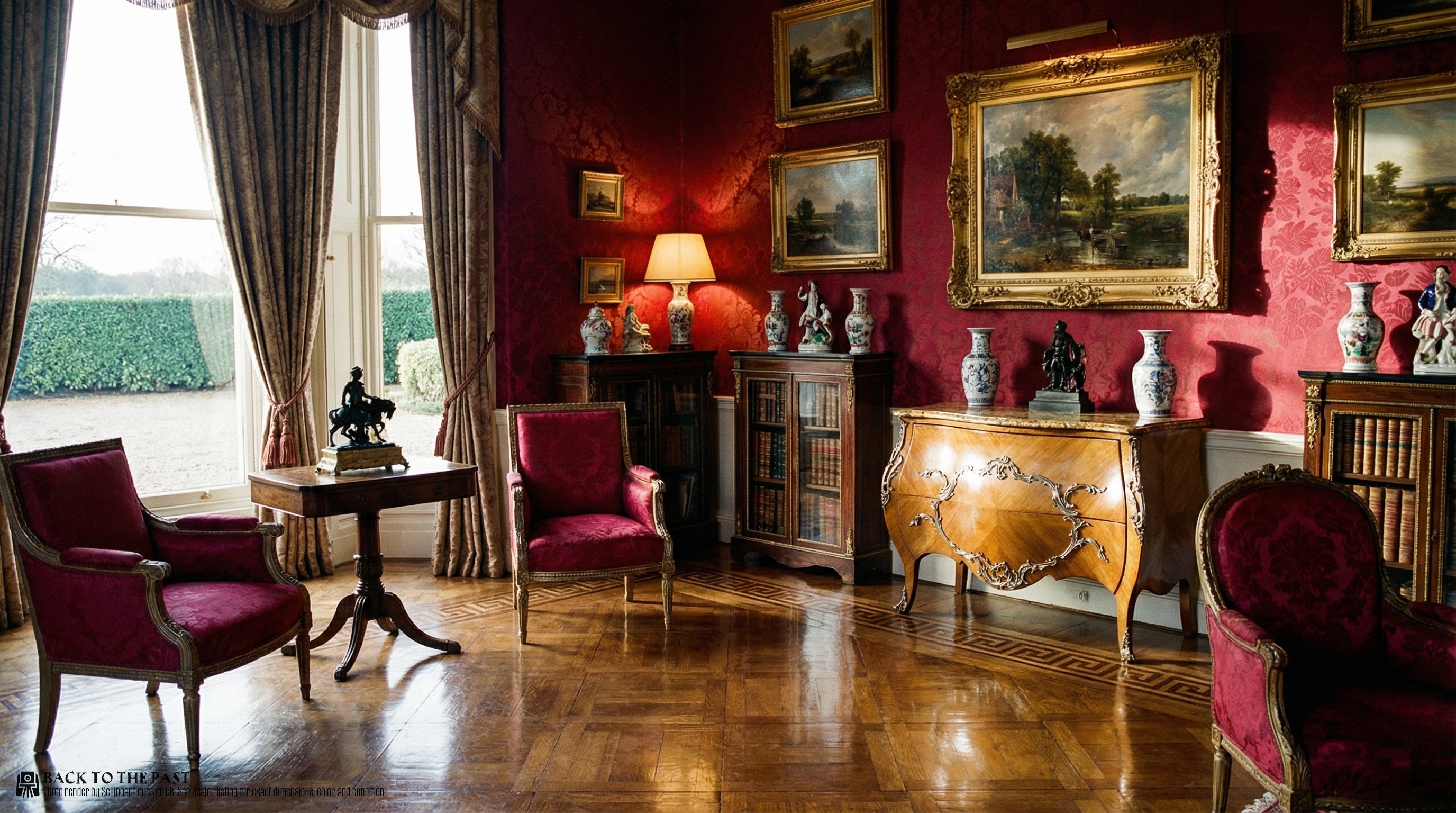
When you handle an antique bombe chest, you find swelling curved fronts and sculptural profiles that define formal European cabinet-making.
Forms and Origins
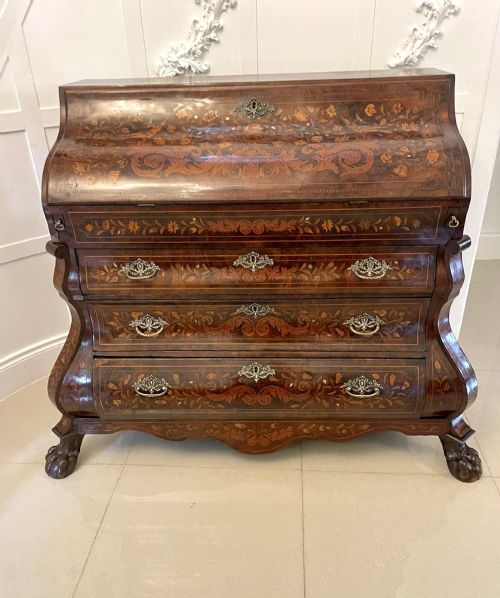
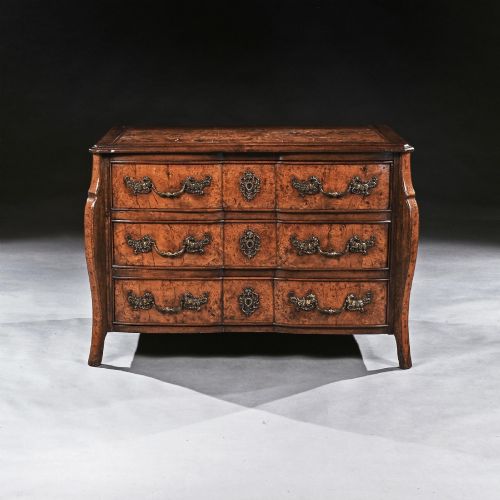
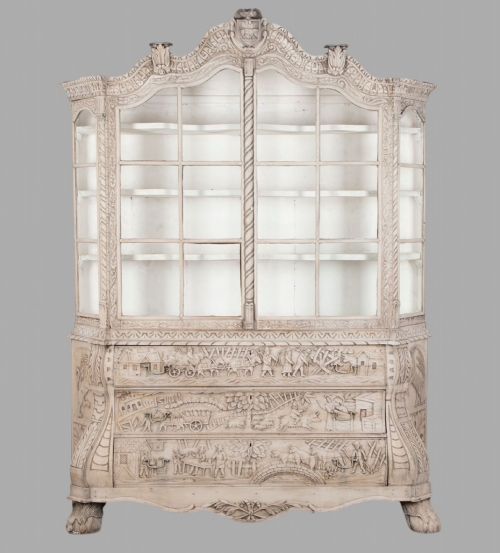
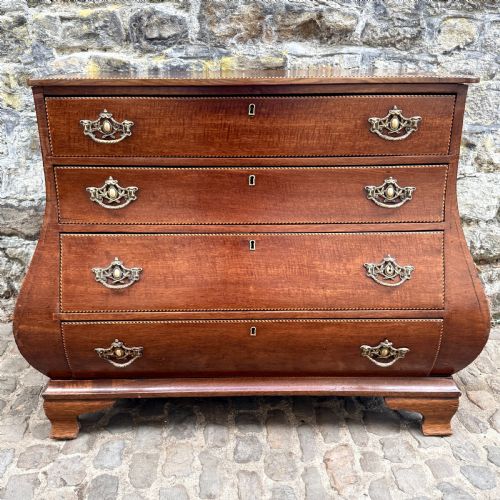
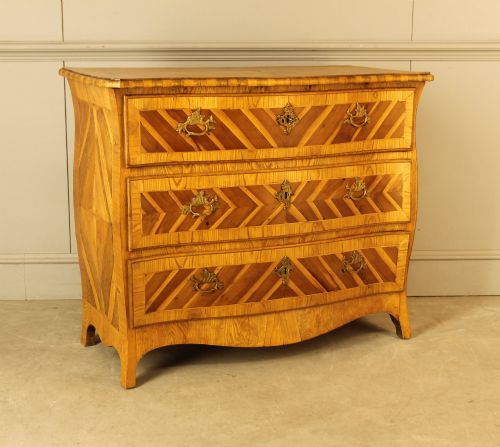
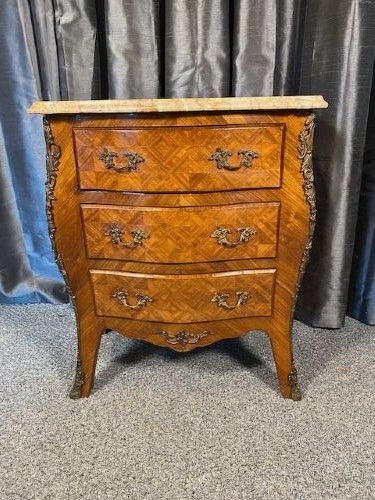
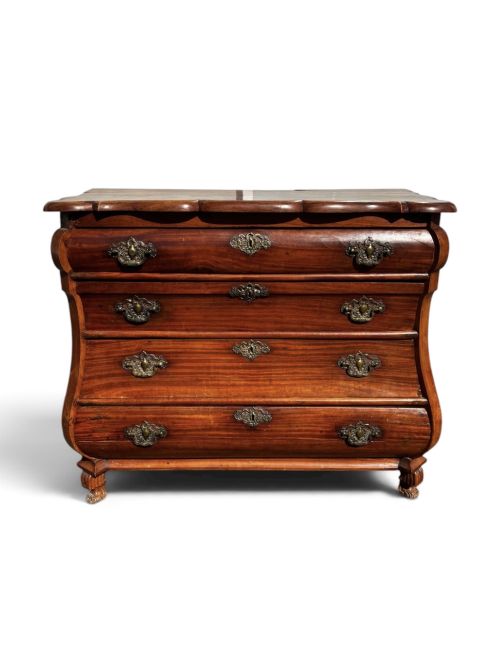
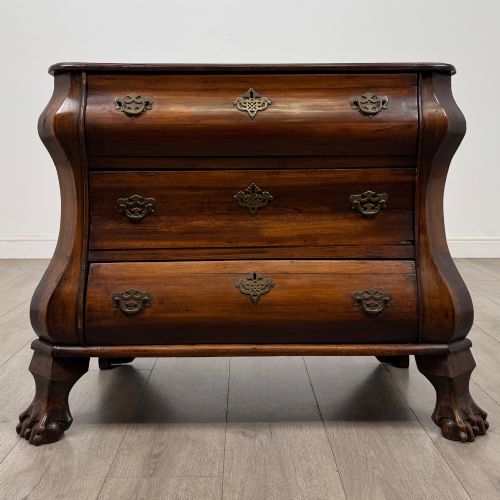
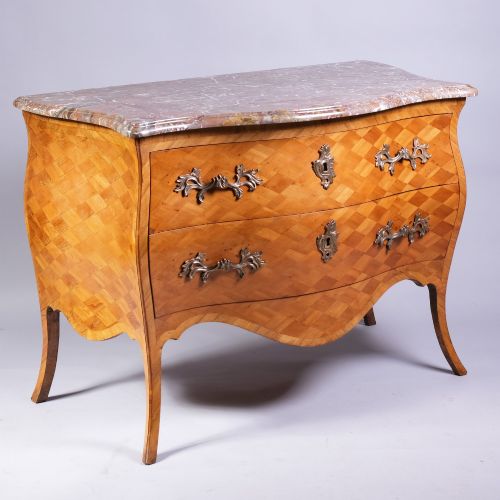
An antique bombe chest presents a distinct swelling, convex profile to the front and sides, emerging most frequently as a commode or chest of drawers. The pieces appearing here span the eighteenth and nineteenth centuries, carrying origins in Dutch, French, Swedish, and Italian workshops.
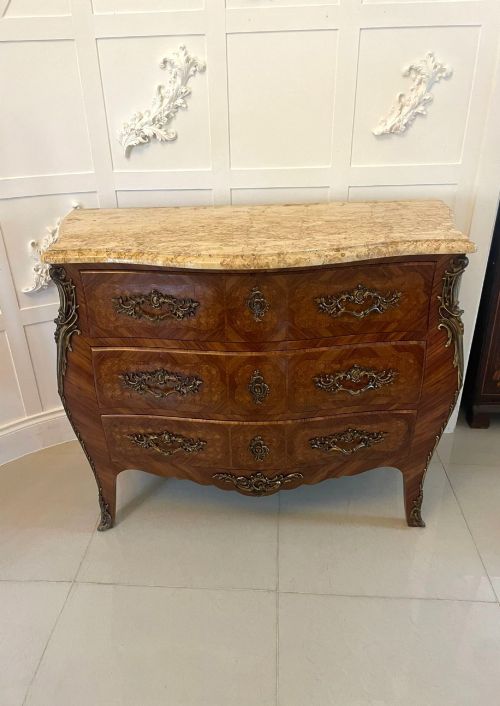
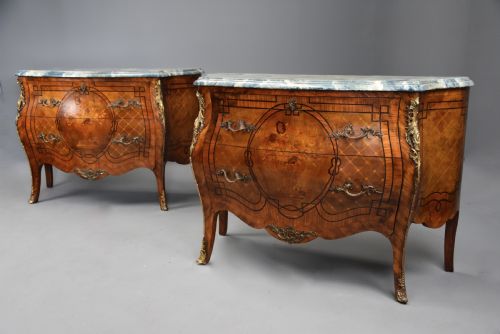
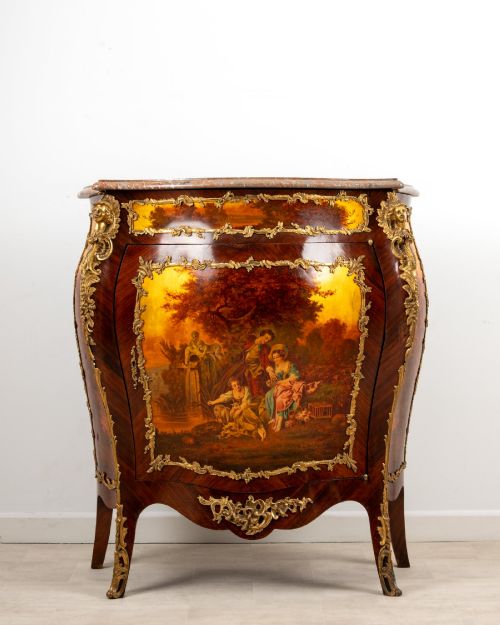
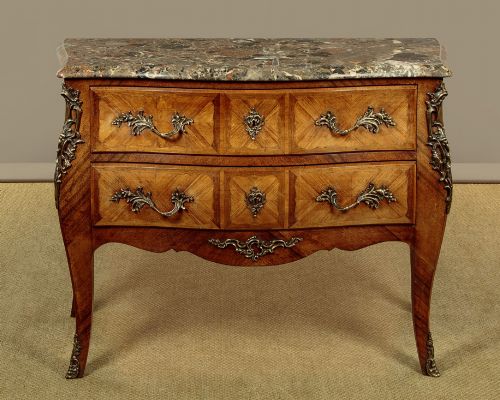
The dominant forms include substantial Dutch baroque and rococo chests alongside lighter French Louis XV styles, often fitted with marble tops and ormolu mounts. Buyers encounter both solid cabinet timbers and intricate marquetry panels across these regional interpretations.
Assessing Craftsmanship
Quality rests upon the skill required to construct and veneer a complex curved carcass without warping or joint failure. Finer examples display seamless grain alignment across the swelling drawer fronts and crisply cut marquetry.
The distinction between standard and superior pieces also lies in the weight and chasing of the ormolu mounts and the thickness and selection of the marble top. Heavy, well-fitted marble and hand-chiselled bronze hardware separate workshop standards.
Retail Price Guide 2026
Typical UK retail prices for bombe chest, calculated from the Sellingantiques database of over a million retail prices indexed since 2003. This retail price guide relies exclusively on Sellingantiques data; no external sources or auction records are used, so the figures do not describe the wider market.
Secret compartments tucked inside secretaire drawers kept clandestine love letters safe from curious household staff.
The Antique Bombe Chest Glossary
- Bombe
- A French term describing a bulging or swelling outward contour on the front and sides of furniture. This curved profile requires advanced joinery to maintain structural integrity.
- Commode
- A low chest of drawers originating in France during the seventeenth century. These pieces often serve as decorative storage units in principal rooms.
- Marquetry
- The art of applying small pieces of wood veneer to a structural structure to form decorative patterns or pictures. Craftsmen utilise contrasting timbers to create tonal depth.
- Ormolu
- Gilded bronze mounts applied to furniture for decorative accent and edge protection. The technique involves treating metal with a mercury and gold amalgam.
- Secretaire
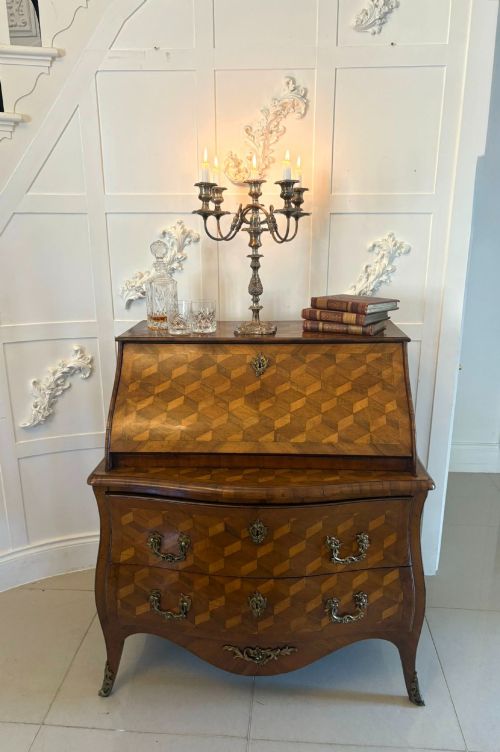
- A cabinet or chest incorporating a writing drawer with a drop-front desk surface. These compartments typically conceal small pigeonholes and inner drawers.
Frequently Asked Questions
How do I spot a true period bombe chest?
Examine the interior drawer construction, timber shrinkage, and hand-cut joinery methods typical of eighteenth and nineteenth-century workshops. Regional variations in veneer choice and mount casting also help confirm period authenticity.
Compare the carcass curvature and secondary woods against known continental manufacturing traditions to distinguish genuine examples from later reproductions.
Where should I place an antique bombe chest?
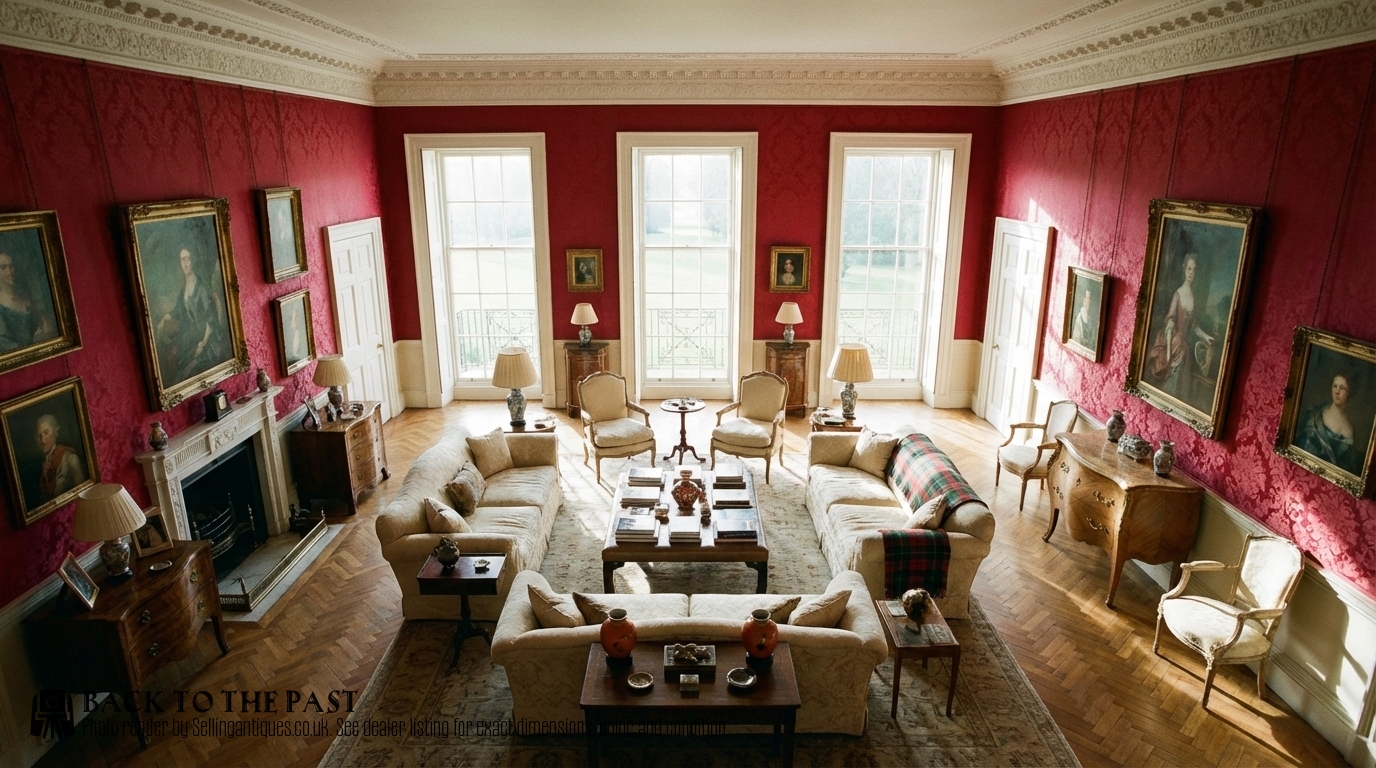
These sculptural pieces function well as primary focal points in hallways, living rooms, or bedrooms where their curved profiles can be viewed from multiple angles. Ensure placement avoids direct sunlight and intense heat sources to protect sensitive veneers.
Because of their protruding fronts, measure floor space carefully to allow adequate clearance for drawer operation and foot traffic.
How do I clean marble top commodes?
Wipe the marble surface regularly with a soft, damp cloth and neutral soap, avoiding acidic cleaning agents that etch the stone. Dry thoroughly to prevent water spots.
Treat the surrounding wood timbers with appropriate wax polish applied sparingly, buffing gently to maintain the natural sheen of walnut or kingwood.
What is the difference between Dutch and French styles?
Dutch bombe chests tend to feature heavier, highly figured burr walnut or solid oak carcasses with bold, sweeping proportions. French commodes of the Louis styles frequently employ lighter kingwood or rosewood veneers paired with ornate marble tops and gilt bronze mounts.
Swedish interpretations often display paler fruitwoods or painted finishes with restrained rococo carving tailored to northern interiors.