

1930s Oak Table
A 1930s oak table brings robust construction and vernacular charm to a room, offering everything from refectory dining pieces to compact side tables.
What a 1930s oak table is
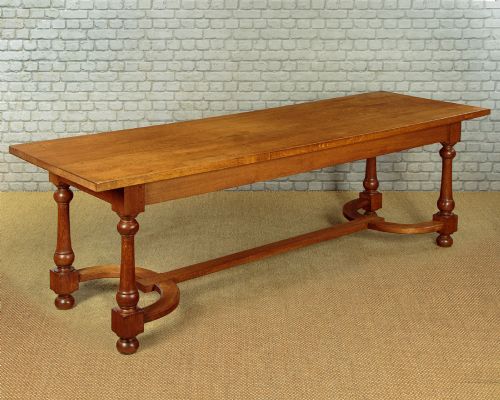
A 1930s oak table spans several distinct stylistic revivals and modern movements of the interwar period. Buyers searching for a 1930s oak table encounter robust refectory dining furniture alongside lighter occasional forms.
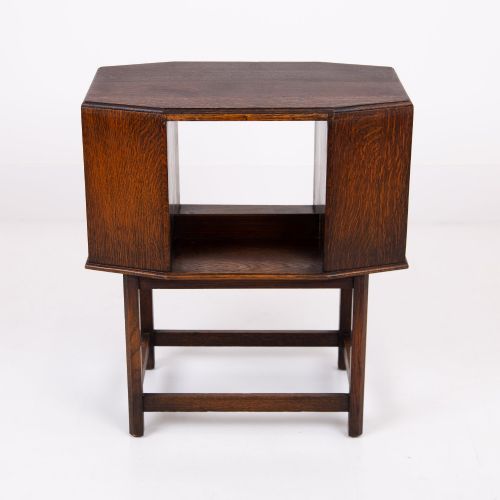
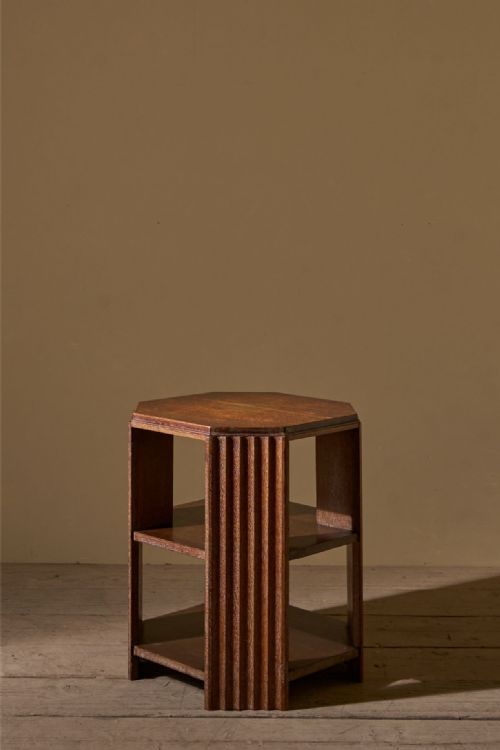
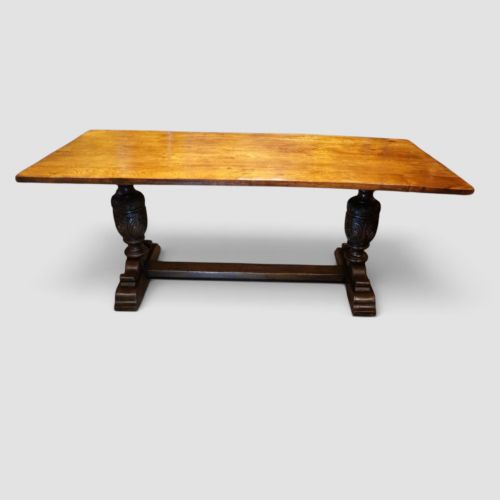
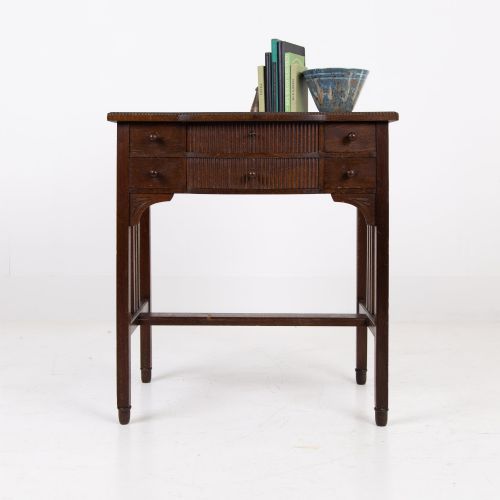
The most common examples on this page include sturdy refectory dining tables designed for larger spaces, alongside side tables and coffee tables for everyday utility. These pieces reflect the enduring popularity of solid timber during a time of shifting domestic interiors.
Makers and designers of the period drew heavily on historical vernacular styles such as Tudor Revival, Jacobean Revival, and Arts and Crafts, while simultaneously embracing clean lines through Art Deco and limed finishes.
How they were made
Construction relies primarily on solid oak, selected for durability and pronounced grain patterns. Workshops employed traditional joinery techniques such as mortise and tenon joints to ensure stability in large refectory dining tables.
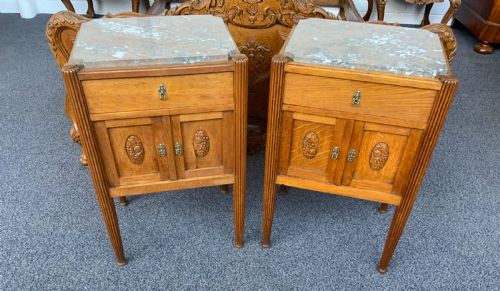
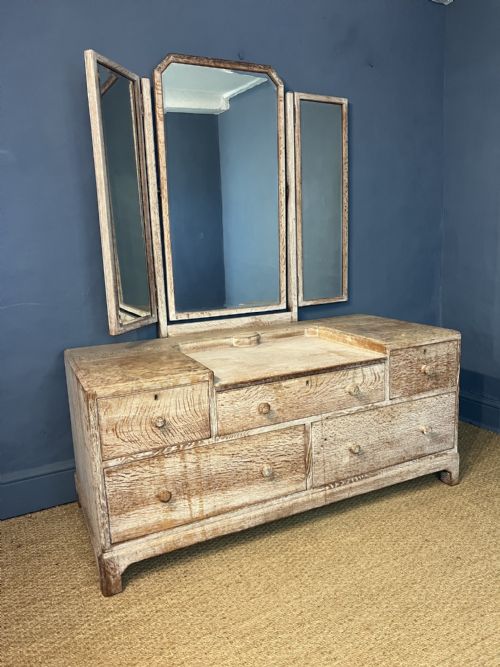
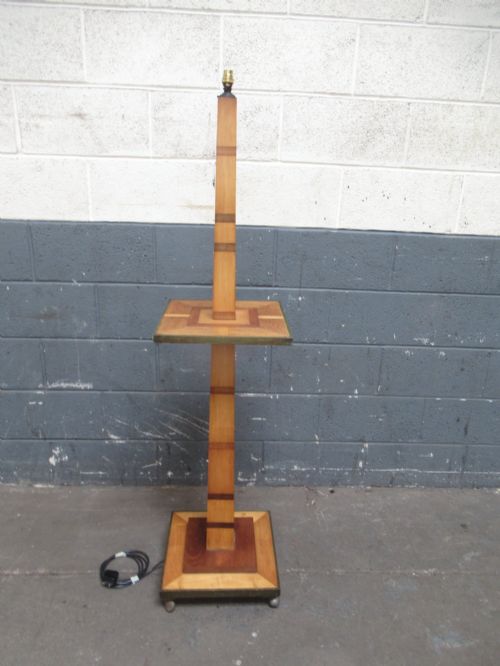
Surface treatments varied from traditional dark polishing to modern liming processes that highlighted the open pores of the timber. Occasional pieces also integrated contrasting materials, incorporating marble tops or glass display casing into the wooden framework.
Retail Price Guide 2026
Typical UK retail prices for 1930s oak table, calculated from the Sellingantiques database of over a million retail prices indexed since 2003. This retail price guide relies exclusively on Sellingantiques data; no external sources or auction records are used, so the figures do not describe the wider market.
Listings feature diverse forms including refectory dining tables, console tables with marble tops, and occasional pieces featuring barley twist legs.
What varies in quality
Quality in these tables rests upon the selection of timber and the integrity of the joinery rather than surface ornamentation alone. Superior pieces display thoughtful grain matching and substantial timber thicknesses that withstand generations of use.
Proportion and stylistic execution separate standard commercial output from pieces with notable design attribution. Refined carving, well-balanced turning such as barley twist legs, and the quality of applied finishes like limed oak distinguish the finer examples.
Hubert Simpson of Kendal·Heals
The 1930s Oak Table Glossary
- Refectory table
- A long, narrow dining table traditionally used in monastic refectories and revived in interwar domestic architecture. These heavy tables feature strong stretcher bases for added rigidity.
- Limed oak
- A wood finishing technique that leaves a white or pale pigment in the open grain of oak. This treatment achieved a fashionable, light-toned finish popular in interwar modern and Art Deco design.
- Barley twist
- A type of turning resembling a spiral rope, often used on the legs of tables and stands. This traditional decorative motif saw renewed popularity during revivalist periods of the early twentieth century.
Frequently Asked Questions
Are these tables suitable for everyday dining?
Solid oak refectory and dining tables from this period were built for heavy domestic use and remain exceptionally sturdy. Their robust construction handles daily family meals with ease.
Ensure you check the under-table clearance and chair heights, as interwar seating proportions can occasionally differ from modern standards. Adding protective pads underneath keeps the top safe during daily tasks.
How do I identify Art Deco features on oak?
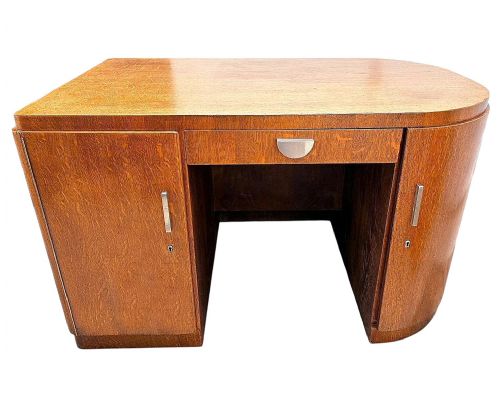
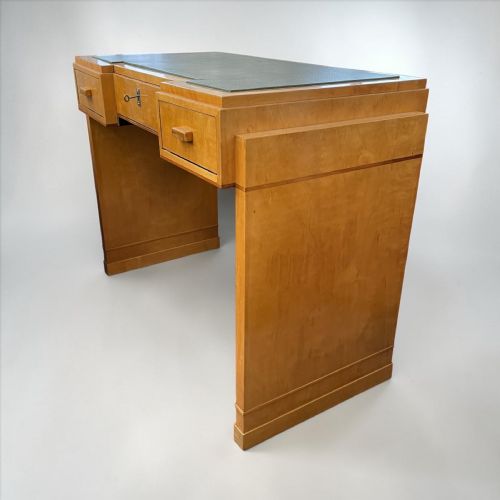
Art Deco oak tables often discard heavy revivalist carving in favour of geometric simplicity and streamlined silhouettes. Look for symmetry, clean edges, and simplified structural forms.
The use of limed oak finishes is also frequently associated with this period, as lighter tones suited modern interwar interior design preferences.
What is a refectory table?
A refectory table is a long, narrow dining table originally designed for communal dining halls. Interwar makers revived this form using solid oak to anchor large dining rooms.
They typically feature thick legs connected by a low wooden stretcher running near the floor for structural stability. This makes them heavy, permanent fixtures in a dining space.