

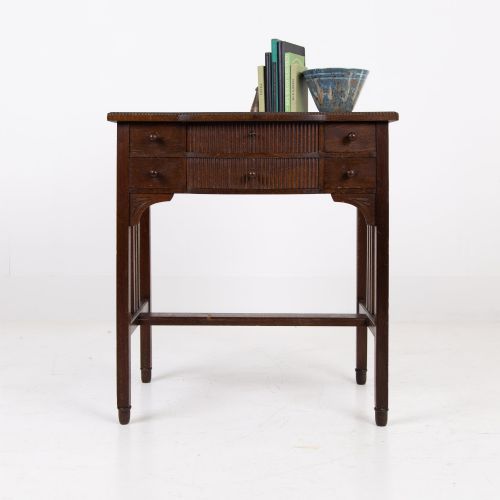
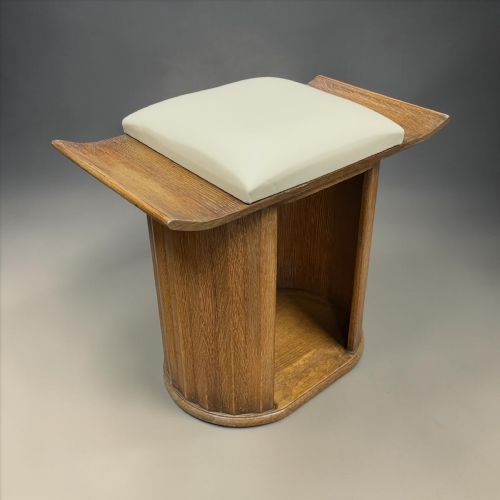
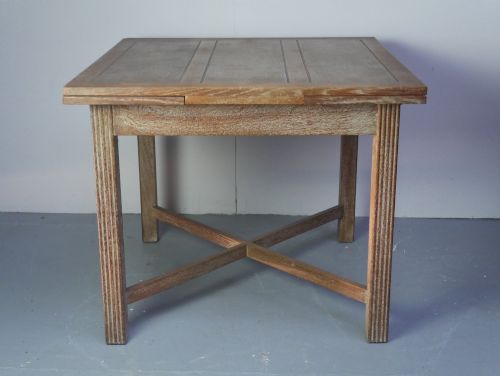
Art Deco Oak Table
An art deco oak table brings geometric discipline and robust twentieth-century grain into a modern interior.

Art Deco Oak Table
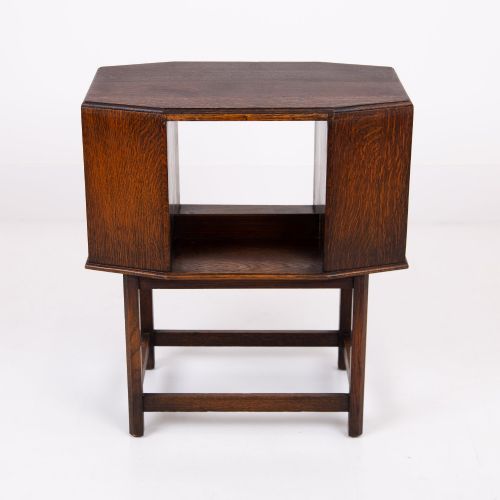
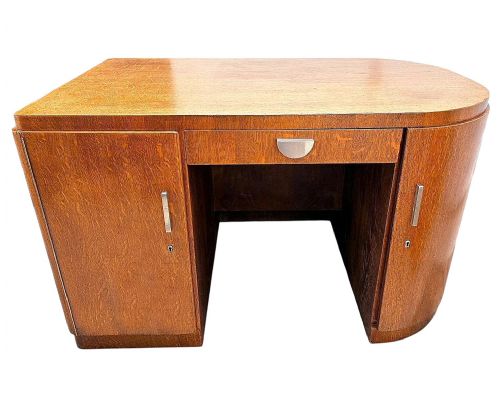
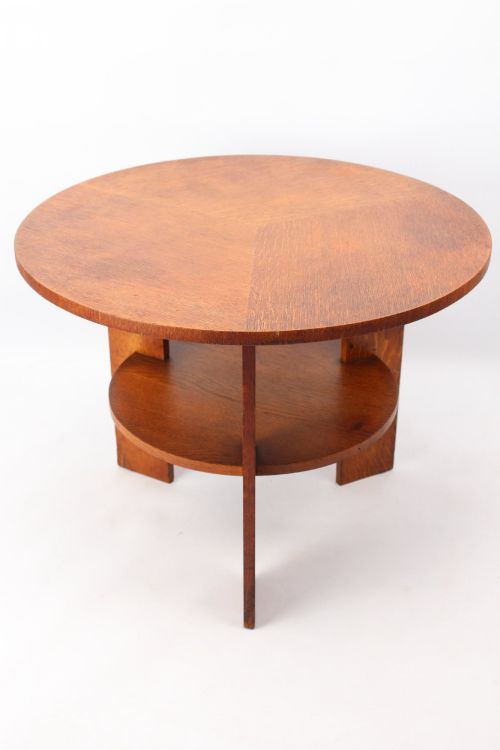
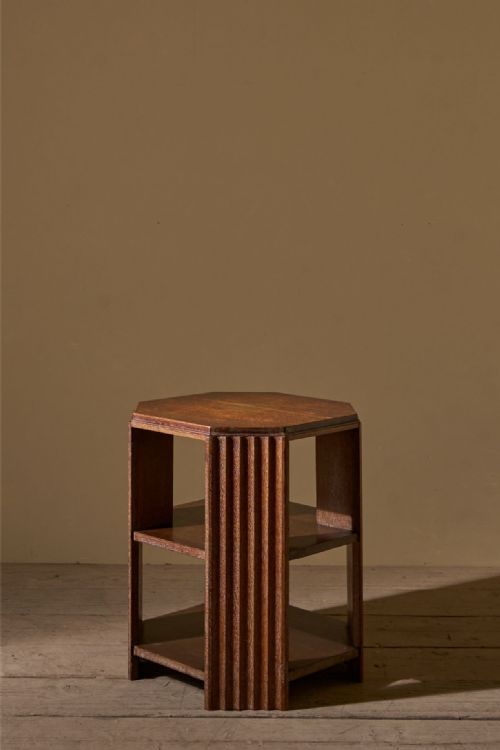
When searching for an art deco oak table, buyers encounter a diverse selection of domestic furniture spanning the nineteen-twenties and nineteen-thirties. The pieces range from compact circular coffee tables and octagonal side tables to substantial twin-pedestal office desks and extending dining tables.
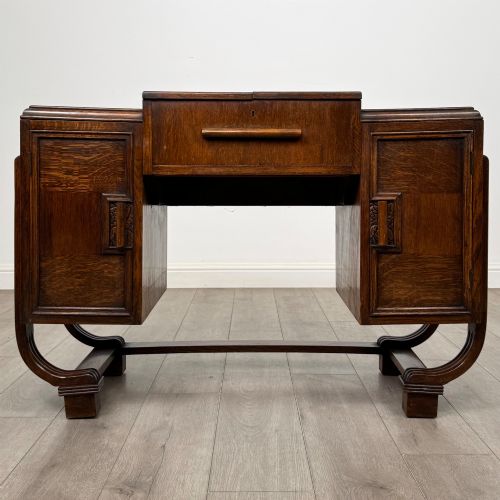
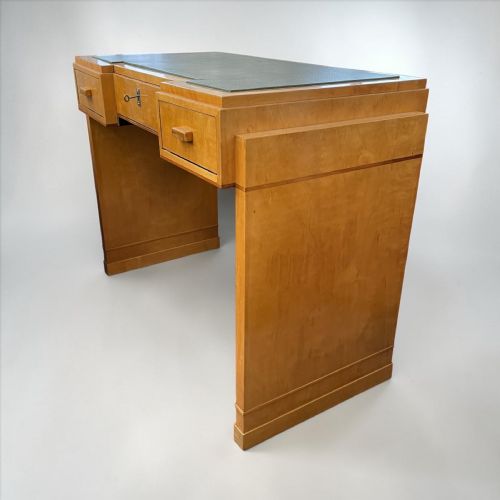
Side tables and coffee tables dominate the offerings, frequently incorporating lower tiers for books or integrated storage shelves. Larger examples include dressing tables and writing desks, which capture the functional aspirations of the period through straightforward geometric lines.
Origins stretch across English workshops, French design studios, and continental movements such as the Amsterdam School. The overarching presence of oak unites these diverse forms, providing a durable foundation for modernist experimentation.
Materials and Construction
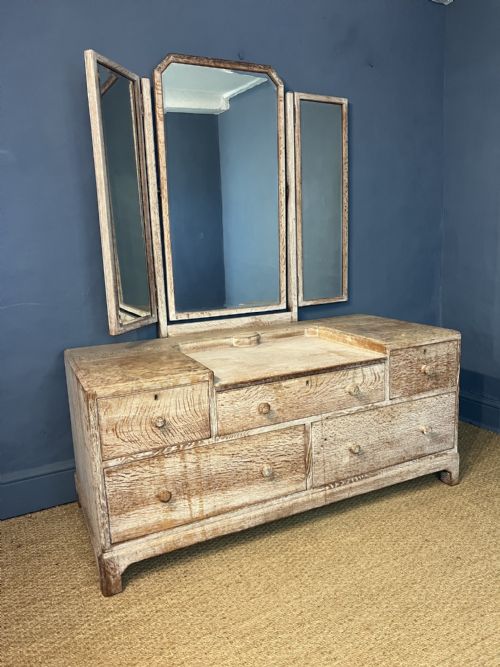
Cabinetmakers utilised solid and veneered oak, occasionally treating the timber with a limed finish to accentuate the open grain. Pale blonde oak and darker tones appear alongside contrasting woods like macassar ebony, rosewood, and coromandel.
Functional metal elements such as brass handles, chrome detailing, and occasional leather inserts punctuate the wooden structures. Construction methods combine traditional joinery with the sleek, stepped profiles characteristic of modernist design.
Listings feature oak alongside brass, chrome, glass, leather, and marble elements.
Distinctions in Execution
The division between standard commercial output and superior craftsmanship rests upon the ambition of the design and the treatment of the timber. Pieces associated with notable makers display considered proportions and harmonious integration of contrasting veneers.
Quality reveals itself in the handling of secondary materials, such as well-fitted internal drawers, substantial brass hardware, and precise parquetry. Lesser examples rely solely on mass-produced oak framing without the inventive massing that defines the best work.
Heal and Sons·Gomme·Betty Joel·Maija Heikinheimo·P E Gane Bristol·Étienne Kohlmann
The Art Deco Oak Table Glossary
- Limed oak
- Timber treated with a white pigment or lime to highlight the open grain of the wood. This finish became popular in modernist interior design during the interwar years.
- Amsterdam School
- An expressionist architectural and design movement originating in the Netherlands. It favoured rounded brick forms, expressive timber joinery, and intricate decorative ironwork.
- Macassar ebony
- A heavily figured exotic hardwood featuring dark brown and warm reddish stripes. Makers utilised it as a contrasting veneer against plain oak surfaces.
- D-end
- A furniture shape featuring a straight edge on one side and a semi-circular curve on the other. It frequently appears on modular desks and dining tables from the period.
- Quartetto nest
- A set of four graduating occasional tables designed to slide neatly beneath one another. They maximise floor space in smaller domestic interiors.
Art Deco Oak Table: Frequently Asked Questions
Were these tables used in offices or homes?
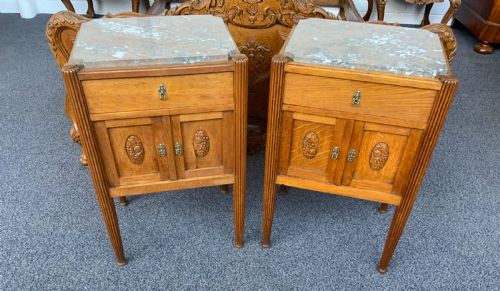
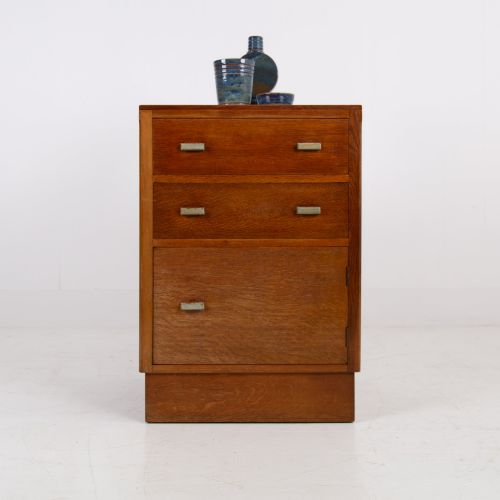
The category encompasses both domestic and commercial furniture, ranging from bedside cabinets and dressing tables to partner desks and refectory tables. Smaller occasional tables served residential sitting rooms for holding lamps or books.
Larger pedestal desks provided functional workspaces for offices, combining ample drawer storage with the striking grain of solid oak.
What is limed oak and when was it used?
Limed oak is a wood finishing technique where a white compound is rubbed into the open pores of the grain to create a pale, frosted appearance. This treatment gained widespread popularity during the nineteen-twenties and nineteen-thirties.
Designers utilised the pale finish to soften the heavy appearance of oak, aligning the timber with contemporary modernist tastes.
How do French designs differ from English pieces?
French interpretations frequently incorporate luxurious contrasting elements like marble tops and exotic wood veneers such as macassar ebony. They often display more flamboyant curves and dramatic massing.
English variants tend to focus on straightforward utility, favouring pale or limed oak constructions with subtle modernist detailing and practical storage solutions.