
Rustic Farmhouse Kitchen Table
A rustic farmhouse kitchen table brings centuries of functional craftsmanship and sturdy utility straight into the heart of any home.
Rustic Farmhouse Kitchen Table
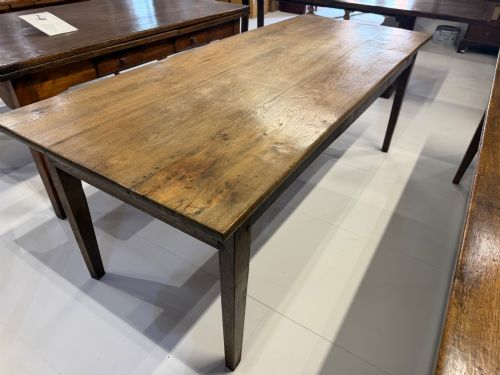
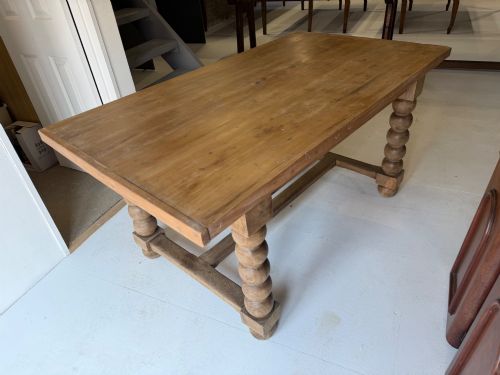
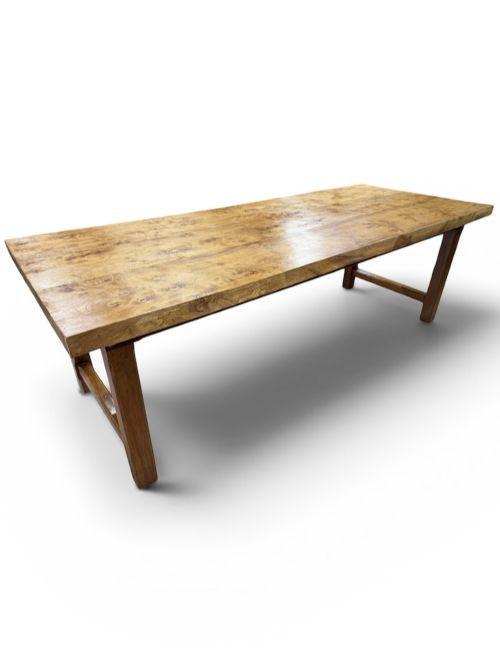
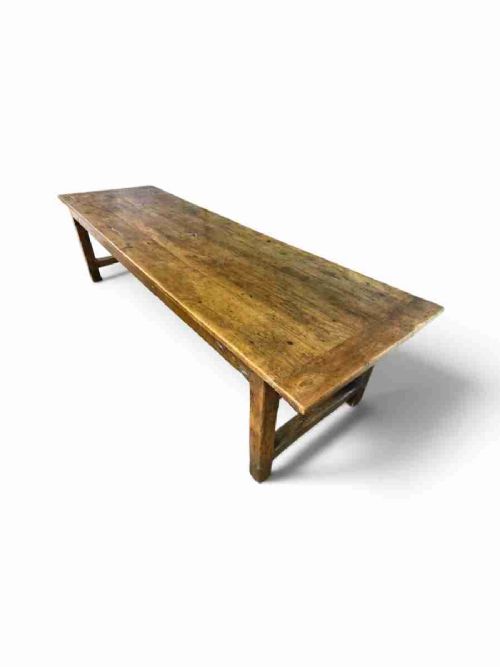
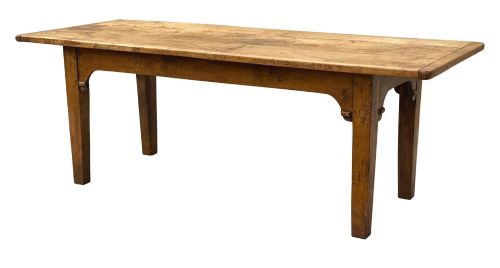
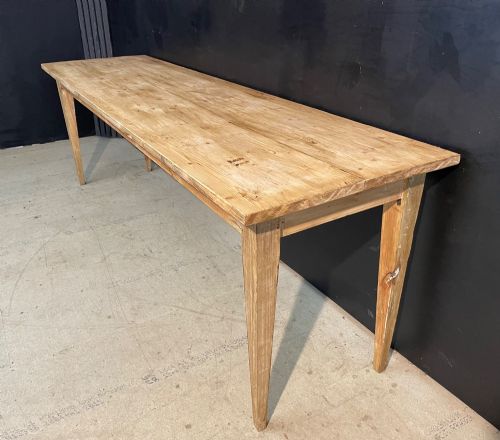
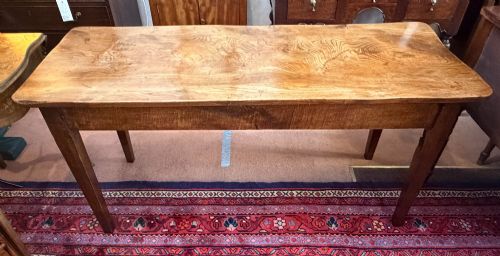
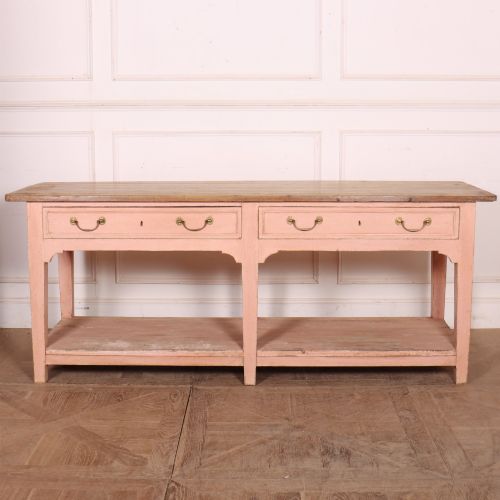
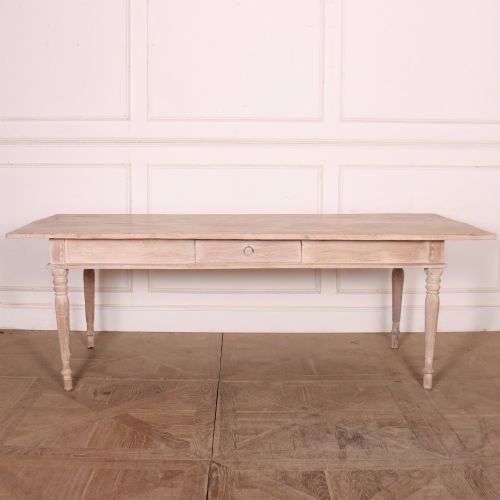
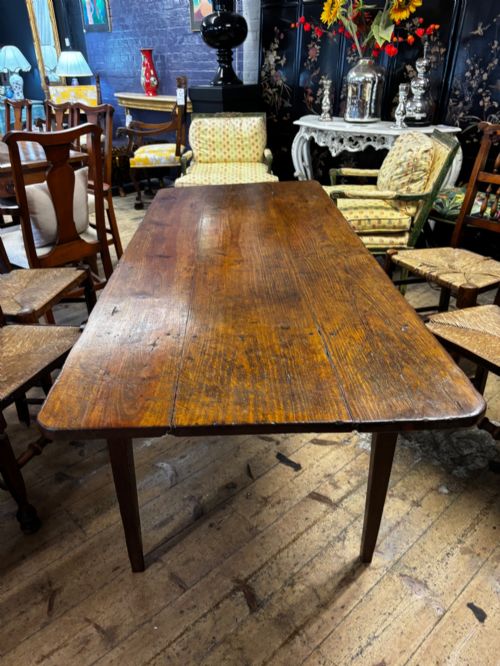
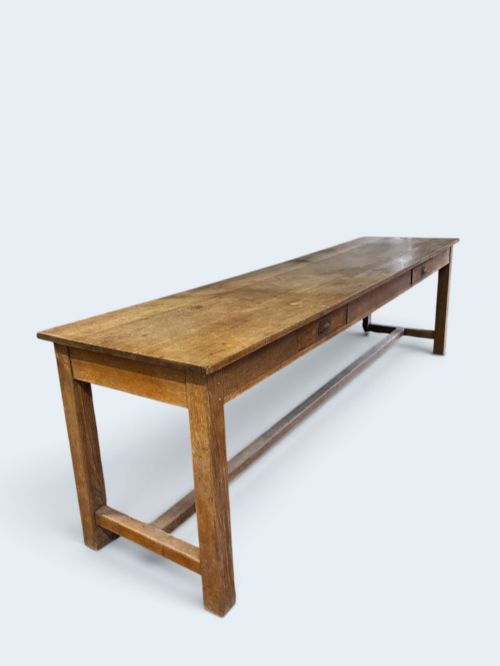
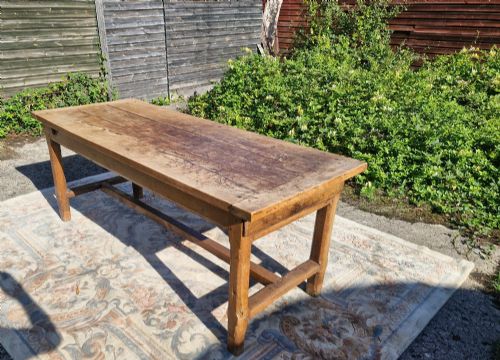
A rustic farmhouse kitchen table serves as the central hub for domestic life, designed originally for heavy daily use in rural homes. These pieces appear in forms such as large dining tables, prep tables, and dresser bases spanning several centuries.
The versions most common on this page emerge from the eighteenth, nineteenth, and early twentieth centuries. They originate from British, French, and Spanish traditions, reflecting regional domestic needs across different European countrysides.
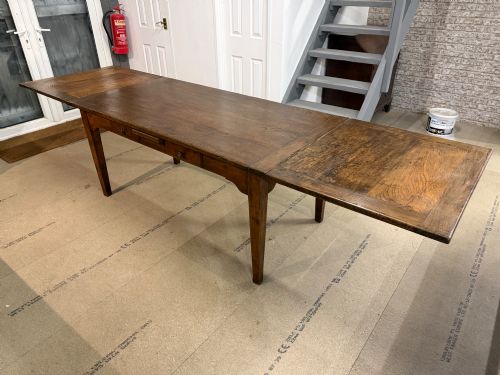
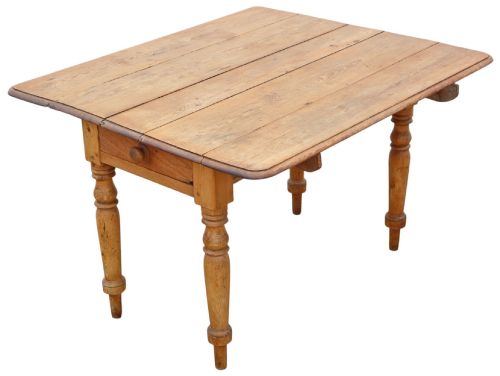
Makers constructed these tables for hard work, often featuring practical additions like drawers, drop leaves, or extending mechanisms. Their enduring appeal lies in this honest utility combined with rich, patinated timber surfaces.
How They Were Made
Cabinet makers relied heavily on solid hardwoods like oak, elm, fruitwood, and cherry alongside softer timbers such as pine and pitch pine. Boards were joined to create thick, durable tops capable of withstanding constant food preparation and communal dining.
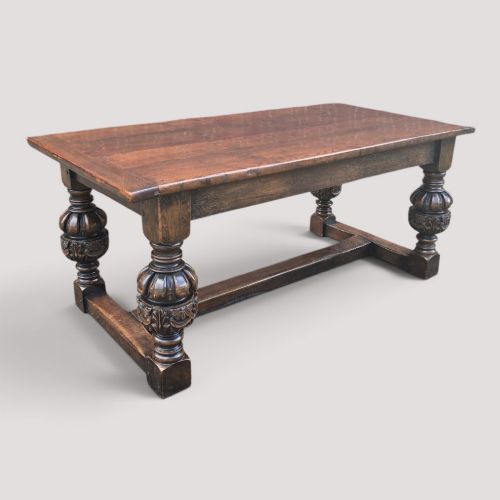
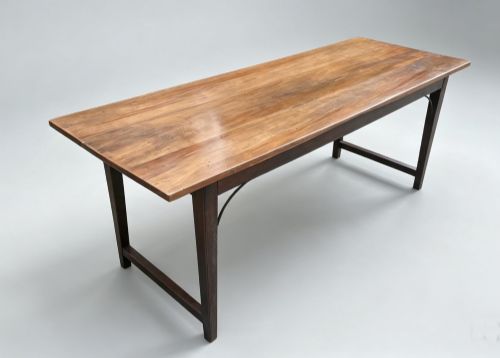
Frames utilised traditional mortise and tenon joinery to ensure stability under heavy loads, supported sometimes by brass hardware or turned wooden legs including bobbin and tapered designs. Surfaces were frequently left untreated, waxed, or simply painted, allowing decades of use to build natural character.
Rustic Farmhouse Kitchen Table Retail Price Guide 2026
Typical asking prices for rustic farmhouse kitchen table among the pieces listed under this phrase on Sellingantiques today, from the lower quarter to the upper quarter. They describe what is for sale here now, not the wider market.
Some tables still retain hidden flour drawers that smell faintly of baking history.
What Varies In Quality
The distinction between ordinary and exceptional examples rests in the choice of timber and the integrity of the original construction. Superior tables display dense, mature grain patterns in woods like oak or fruitwood rather than utilitarian pine, paired with robust framing that remains entirely rigid.
Proportion and untouched patination elevate certain pieces above standard utility furniture. Tables that retain their original drawer configurations, uncompromised stretcher bases, and authentic surface wear demonstrate superior historical authenticity.
The Rustic Farmhouse Kitchen Table Glossary
- Potboard Dresser Base
- A low kitchen storage unit featuring an open lower shelf designed for holding pots and pans. This lower board sits just above the floor.
- Refectory Table
- A long, narrow dining table historically used in communal dining halls and large country houses. They typically feature sturdy legs joined by long central stretchers.
- Harvest Table
- A long, narrow table traditionally used during seasonal farm gatherings and crop processing. These pieces often incorporate drop leaves or folding mechanisms for flexible space usage.
- Dairy Table
- A specialised work table utilised in agricultural butter and cheese production. They frequently feature scrubbed pine tops designed for regular washing.
- Patina
- The deep sheen and surface alteration developed on wood over centuries of use and polishing. This quality marks genuine age and handling.
- Stretcher
- A horizontal wooden bar connecting the legs of a table to provide structural rigidity. They often run close to the floor between opposing legs.
Rustic Farmhouse Kitchen Table: Frequently Asked Questions
How do I clean an antique pine table?
Wipe surfaces gently using a slightly damp cloth with mild soap, avoiding harsh chemical cleaners that strip the historic finish. Dry the wood immediately to prevent moisture rings or warping.
Apply a traditional beeswax polish occasionally to nourish the timber and maintain its natural lustre. Buff the surface with a soft dry cloth after application.
Can I use a farmhouse table daily?
These pieces were originally built for heavy daily labour and family life, making them remarkably resilient for modern dining and kitchen work. Using placemats and coasters helps protect the historic surface from hot dishes and liquid spills.
Regular usage actually enhances the timber by feeding the patina rather than harming it. Simply treat the wood with respect and clean up messes promptly.
What is a refectory table?
A refectory table is an elongated dining table designed originally for large communal meals in monastic or country estate settings. Their narrow profile allows diners to sit comfortably facing one another across the span.
These tables rely on strong stretcher rails near the floor to keep the long top steady. They form a distinct subset of the broader farmhouse table category.