


Vintage Tavern Table
A vintage tavern table brings sturdy British vernacular character to a room, offering the honest timber and iron construction valued by traditional hosts and modern hosts alike.
Vintage Tavern Table
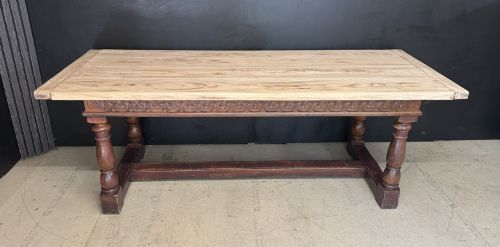
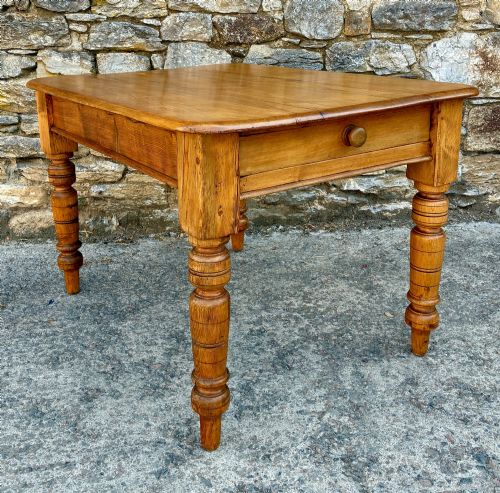
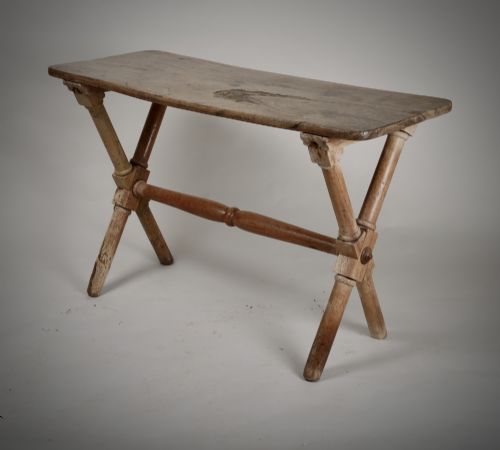
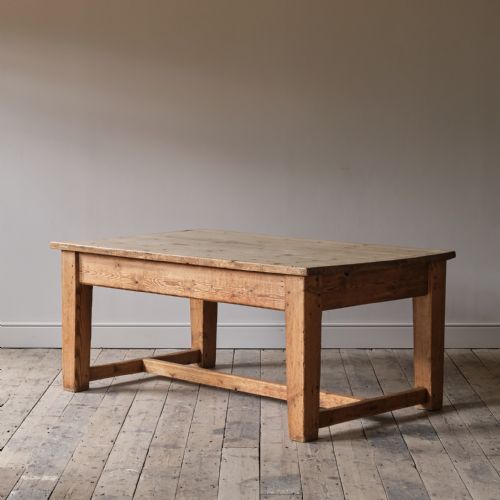
A vintage tavern table represents the sturdy, functional furniture developed for public houses and country homes across the nineteenth and early twentieth centuries. These pieces appear in forms such as compact pub tables, cricket tables, and long refectory formats.
The selections available here showcase regional British vernacular styles alongside rustic farmhouse and Victorian country designs. Buyers encounter everything from small round pedestal tables with cast iron bases to substantial oak plank-top dining tables.
Origins stretch from Welsh country workshops to English provincial makers, utilising robust materials intended to withstand heavy daily use. The enduring appeal lies in this straightforward utility and centuries of honest wear.
How they were made
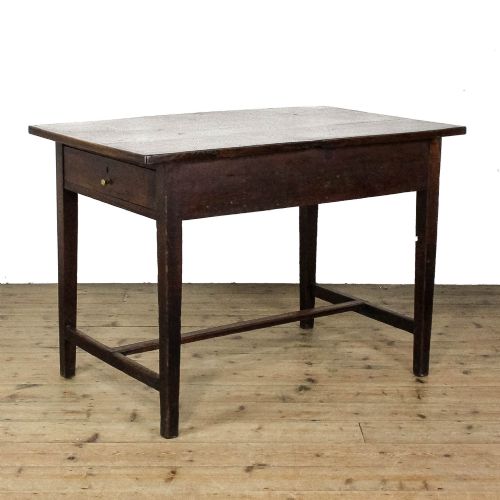
Makers constructed these tables using honest domestic timbers like oak, pine, elm, and mahogany for the tops and structural frames. Planks were joined securely, sometimes featuring cleated ends or thick solid tops designed to resist warping during heavy use.
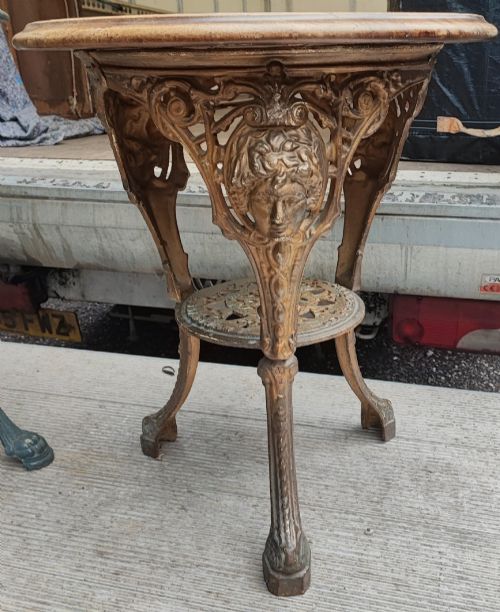
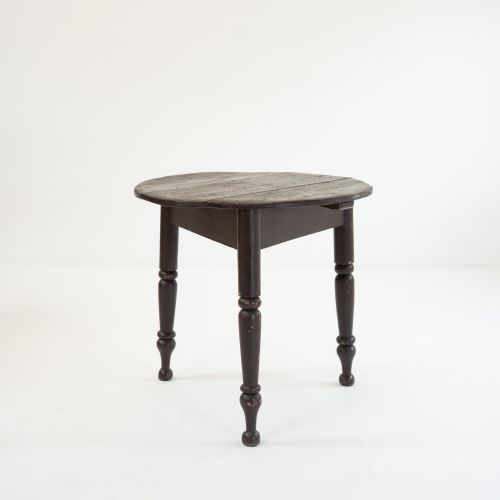
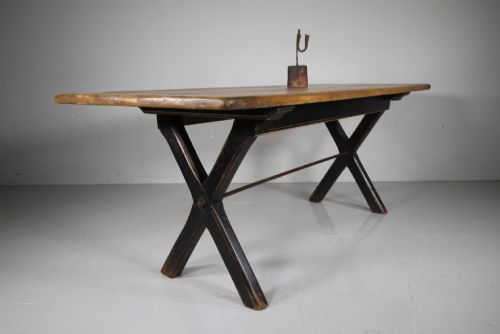
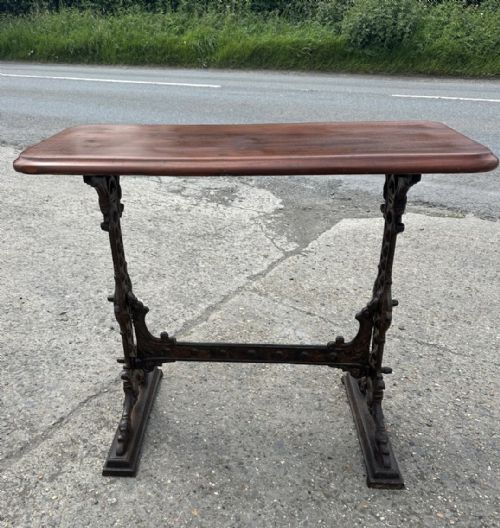
Many examples incorporate durable cast iron bases, particularly the distinctive Britannia designs associated with Victorian public houses. Workshops also utilised painted finishes on pine bases, combining metal and timber for maximum stability.
Vintage Tavern Table Retail Price Guide 2026
Typical asking prices for vintage tavern table among the pieces listed under this phrase on Sellingantiques today, from the lower quarter to the upper quarter. They describe what is for sale here now, not the wider market.
Tables featuring sturdy cast iron Britannia bases ensure that even the liveliest evening arguments fail to topple your pint.
What varies in quality
The distinction between standard utility pieces and superior examples rests upon the integrity of the materials and the originality of the components. Tables retaining their original cast iron bases paired with untouched mahogany or oak tops hold particular distinction.
Construction methods also define the tier of craftsmanship, where pegged joints, substantial timber thickness, and well-executed X-framing or trestle supports elevate the piece. Surface patination accumulated through decades of authentic use completes the measure of quality.
The Vintage Tavern Table Glossary
- Cricket table
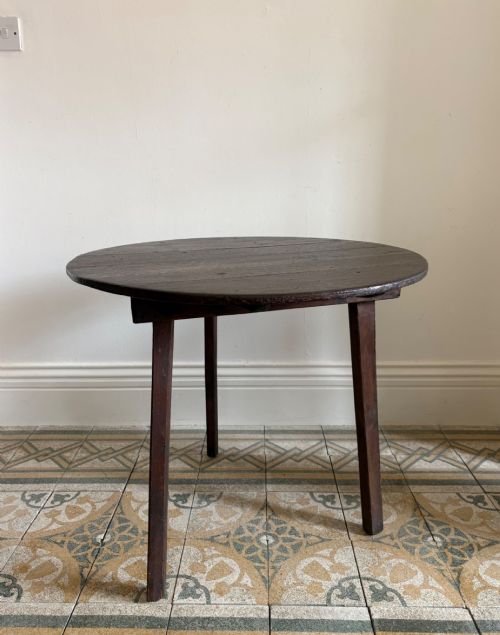
- A small three-legged round table traditionally associated with vernacular English domestic interiors. The tripod design ensures stability on uneven flagstone floors.
- Britannia metal
- A specific tin-based alloy frequently cast into ornate pedestal bases for Victorian pub tables. It provides a heavy, durable support featuring classical motifs.
- Refectory table
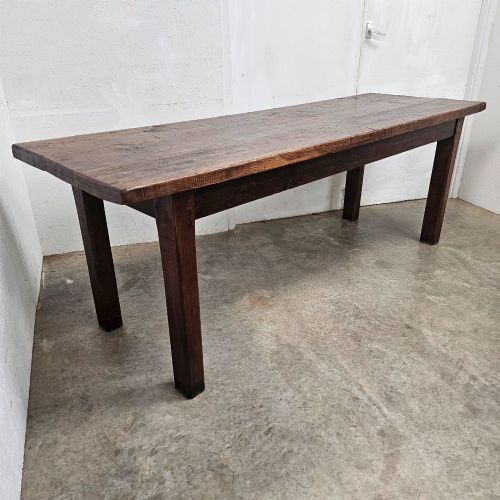
- A long, narrow dining table traditionally built for communal dining halls. These sturdy forms feature stretcher bases for added rigidity.
- Cleated ends
- Wooden battens fixed across the grain at the ends of a plank top. This technique prevents the main boards from warping over time.
Vintage Tavern Table: Frequently Asked Questions
What is a tavern table?
A tavern table is a sturdy utilitarian piece built from woods like oak or pine, historically used in public houses and farmhouses for daily dining and drinking.
These tables prioritize durability and stability, often featuring thick timber tops supported by heavy wooden frames or cast iron pedestals.
How do I style a tavern table?
Living with these pieces involves pairing their rustic timber surfaces with simple benches or Windsor chairs to maintain an authentic country aesthetic.
Their robust construction makes them suitable as daily kitchen dining tables or characterful side surfaces in living spaces.
Are cast iron pub tables original?
Many Victorian pub tables combine heavy cast iron bases with original mahogany or timber tops designed to withstand commercial public house environments.
Examining the fixings and the wear patterns on both the metal pedestal and the wooden top helps confirm their period authenticity.
How do I date a tavern table?
Dating relies on observing construction marks, timber species, and design styles ranging from Georgian oak examples to Victorian cast iron designs.
Characteristics such as hand-planed surfaces, pegged joints, and painted pine finishes point toward nineteenth-century craftsmanship.