
Vintage Wooden Table
A vintage wooden table brings character to a room, offering practical surfaces formed in oak, mahogany, walnut, and satinwood across periods from the nineteenth century to the mid-twentieth century.
Vintage Wooden Table
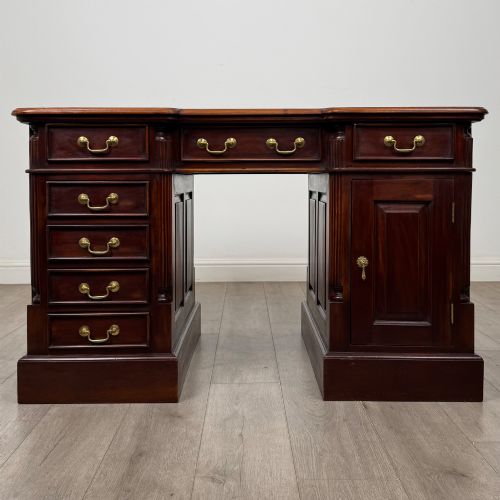
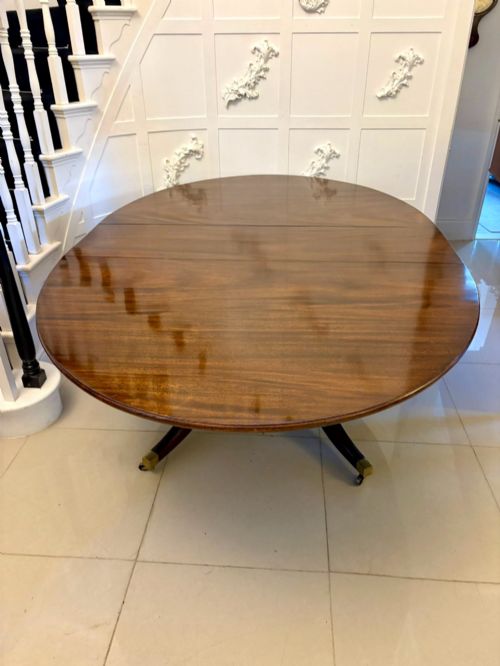
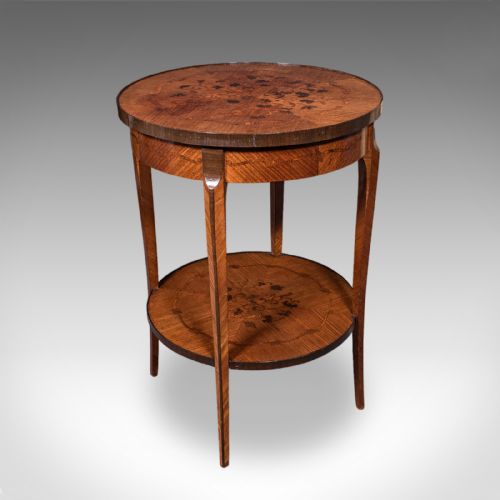
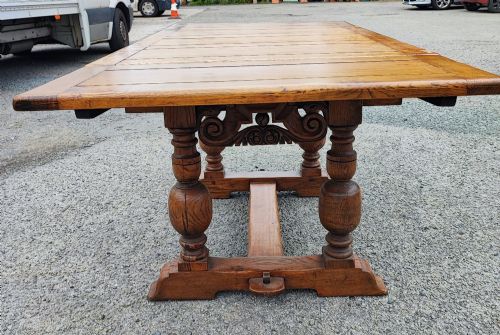
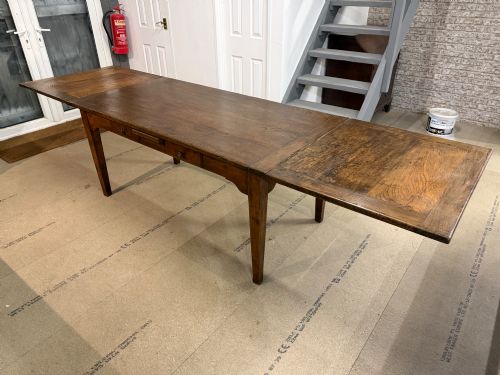
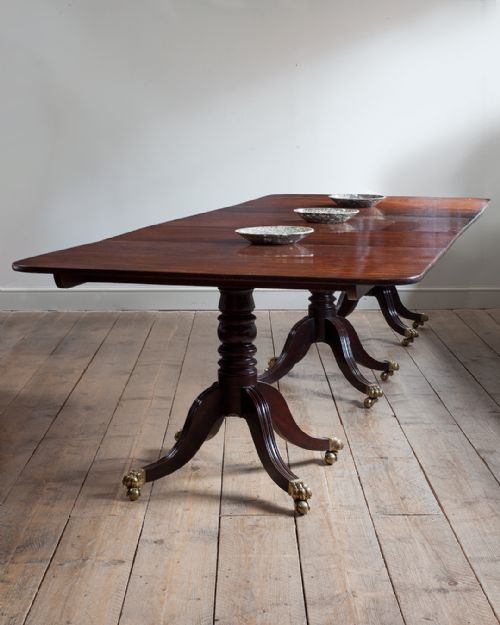
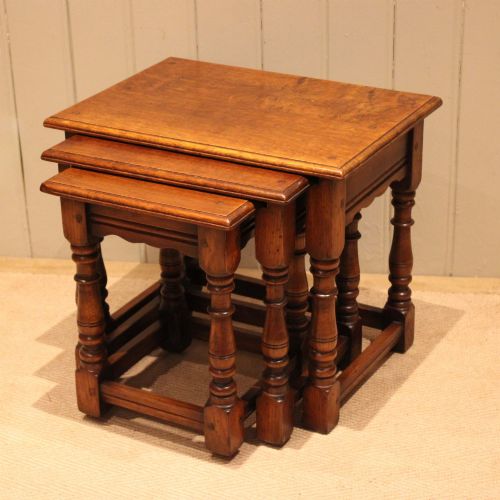
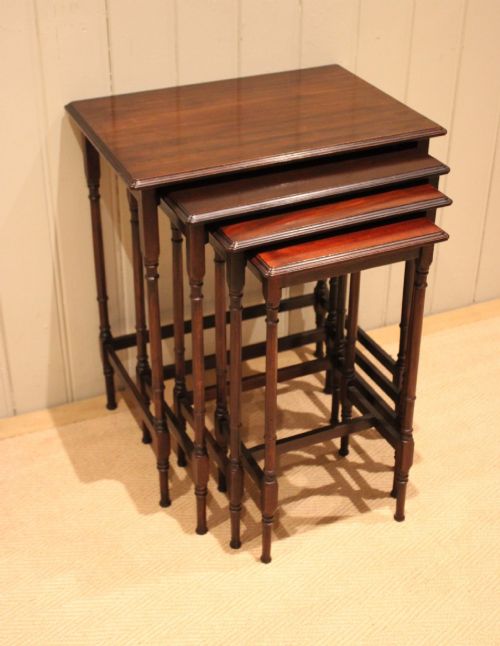
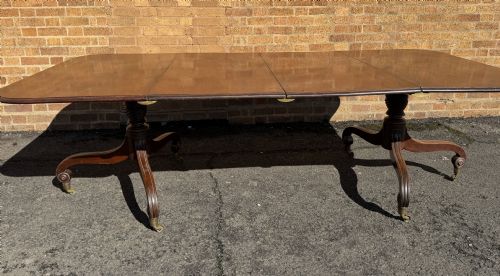
A search for a vintage wooden table reveals a diverse selection of furniture spanning the nineteenth century through to the Edwardian era and the nineteen-forties. Buyers encounter dining tables, refectory draw leaf tables, pedestal desks, occasional tables, nests of tables, and side tables.
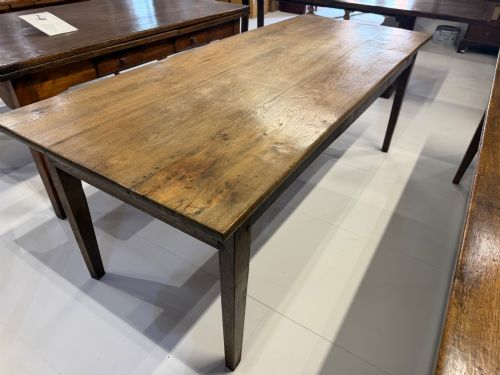
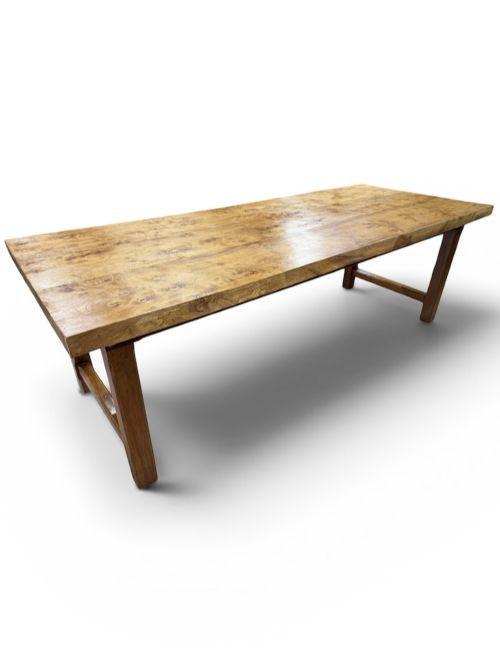
The most common versions met on this page include sturdy oak farmhouse tables from the nineteenth century alongside refined Edwardian and Victorian mahogany dining tables. Occasional tables and folding campaign styles in beech also appear frequently.
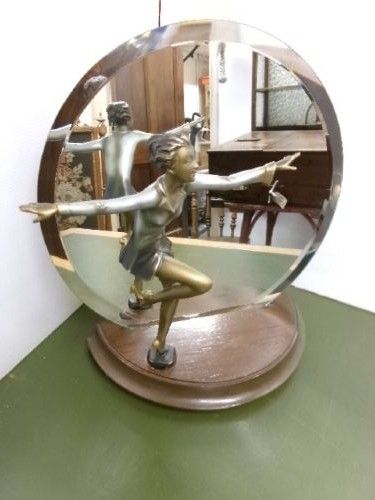
Origins range across English workshops, French makers, and regional farmhouse settings, utilising timber styles from rustic Jacobean revival to sleek Art Deco.
Materials and construction
Construction relies heavily on solid hardwoods like oak, mahogany, walnut, and rosewood, often complemented by satinwood veneers and brass fittings. Carpenters employed traditional joinery techniques, utilising draw leaves, tilt-top mechanisms, and pedestals to ensure stability.
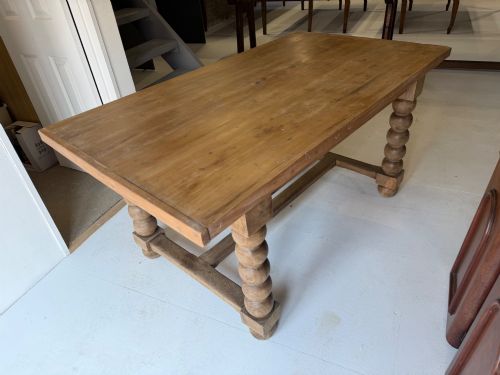
Turned legs, including barley twist supports and tapered designs, provide structural support while adding decorative detail to dining and occasional pieces. Finishes range from polished wood to painted surfaces and scumble treatments.
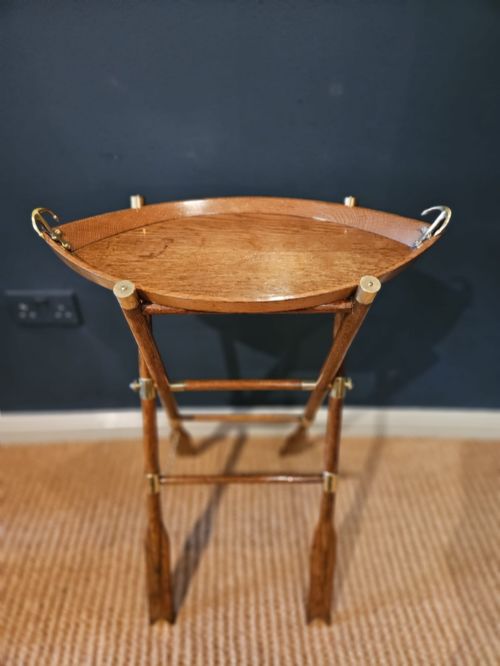
Even a quiet corner appreciates a sturdy nineteenth-century butler tray standing at attention, ready to pour.
Assessment of quality
Quality rests upon the selection of timber and the precision of the joinery, distinguishing robust daily furniture from finer parlour pieces. Dense grains in mahogany, walnut, and oak indicate superior durability and longevity.
Proportion and execution define the better examples, where turned legs, extending mechanisms, and brass details are integrated with care. The integrity of the structure and the depth of the polished finish separate standard workshop pieces from superior examples.
The Vintage Wooden Table Glossary
- Draw leaf table
- A dining table with extension leaves hidden beneath the main top that pull out from each end. This mechanism allows the surface area to expand easily for guests.
- Tilt top pedestal
- A table featuring a top that pivots on a central pillar, allowing the surface to be stored flat against a wall when not in use. This clever design saves space in smaller rooms.
- Pembroke table
- A drop leaf table with hinged flaps on two opposite sides, supported by folding brackets or swinging legs. It serves as a versatile occasional or writing surface.
- Refectory table
- A long, narrow dining table traditionally built with sturdy timber legs connected by a low stretcher. These pieces originated in monastic dining halls.
- Campaign style
- Portable furniture designed to be easily folded and transported by military officers. Beech folding tables represent this practical tradition.
Vintage Wooden Table: Frequently Asked Questions
How do I choose the right size?
Consider the intended room and the primary function of the surface, measuring available floor space to allow comfortable movement around the piece. Extendable dining tables offer flexibility for hosting guests without dominating daily space.
Matching the scale of occasional tables or desks to surrounding seating ensures a balanced layout. Compact nests or folding tables provide surfaces that adapt to changing needs.
What woods were commonly used?
Oak and mahogany appear most frequently in these listings, valued for their strength and rich grain patterns. Walnut and satinwood were often selected for finer decorative tables and sideboards.
Beech and other native timbers supported structural elements like turned legs and folding frames. Rosewood and kingwood were reserved for select occasional pieces requiring distinct colour.
How do I care for wooden surfaces?
Dust surfaces regularly with a soft, dry cloth to prevent grit accumulation on polished finishes. Avoid placing timber furniture in direct sunlight or near heat sources to prevent warping and drying.
Apply appropriate natural waxes periodically to nourish the wood and maintain its lustre. Use coasters and mats to protect the grain from moisture and heat.
Are these tables suitable for daily use?
Solid hardwood construction ensures these tables withstand regular household activities. Dining tables and desks are built to handle daily meals and writing tasks.
Careful handling of extension mechanisms and drop leaves preserves their function. Their durable materials mean they continue to serve practical roles in modern homes.