
Antique Wood Dining Table
When you search for an antique wood dining table, you find pieces built from mahogany, oak, and rosewood that anchor a room with substance.
Antique Wood Dining Table
An antique wood dining table serves as the central gathering place for meals, drawing on centuries of domestic design. When you search for this phrase, you encounter forms ranging from massive pedestal dining tables to simple farmhouse boards.
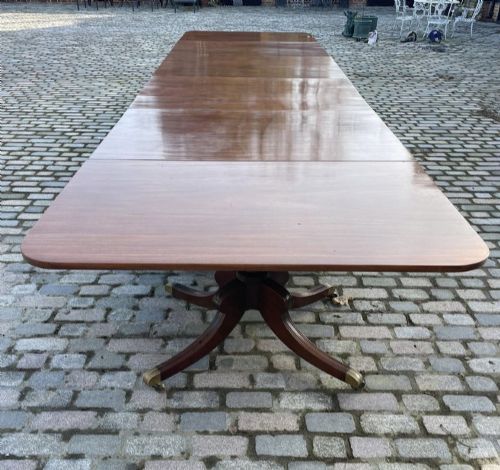
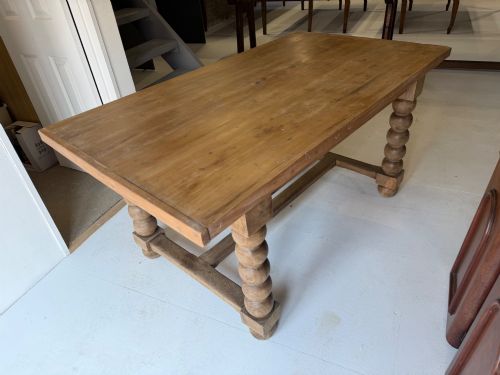
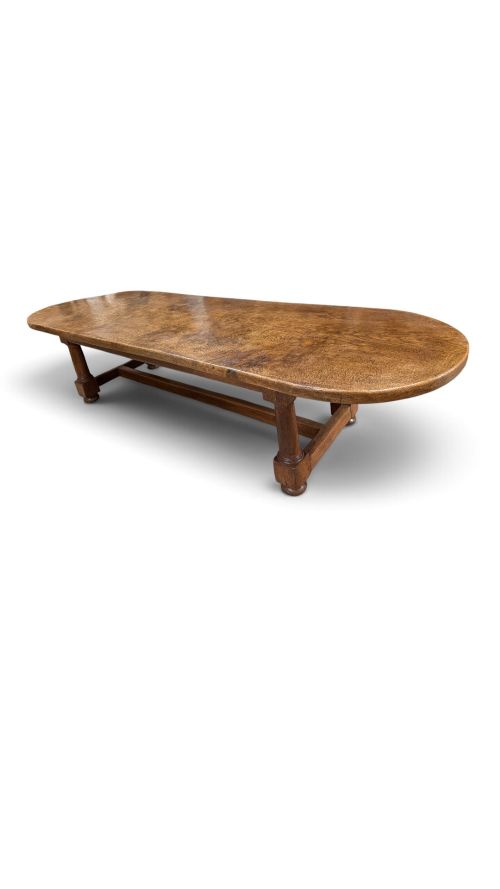
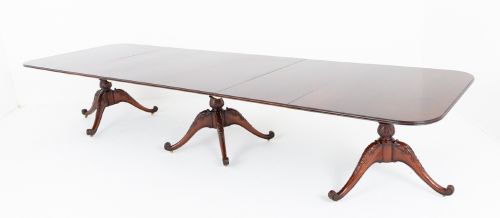
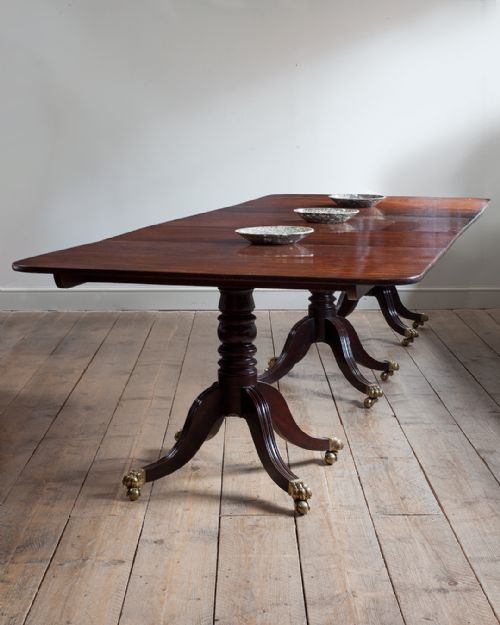
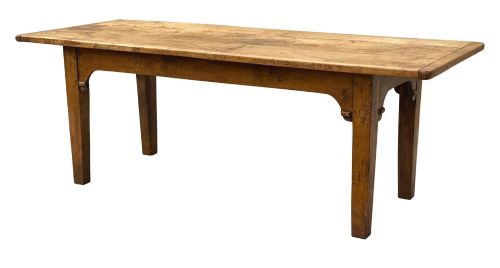
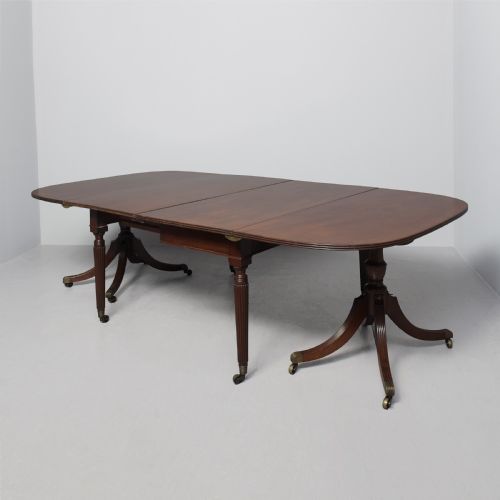
The selections span distinct eras including the 18th Century, Regency, and Victorian periods. You meet heavy mahogany multi-pedestal tables alongside rustic oak refectory tables and circular rosewood centre pieces.
Makers utilised native and exotic timbers to construct furniture intended for daily family use or formal entertaining. The variety includes extending mechanisms, drop leaves, and fixed tops suited to different spatial requirements.
How They Were Made
Carpenters constructed these tables using dense timbers like mahogany, oak, elm, and rosewood, often applying flame mahogany or satinwood veneers to prominent surfaces. Workshops employed solid wood boards for heavy farmhouse use and finely figured grain patterns for formal dining rooms.
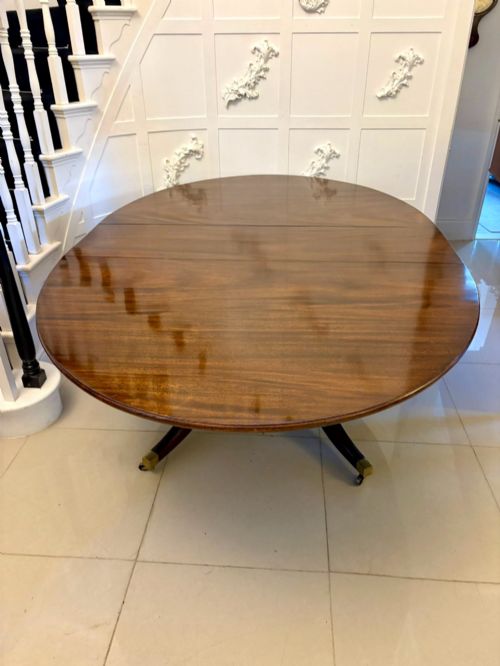
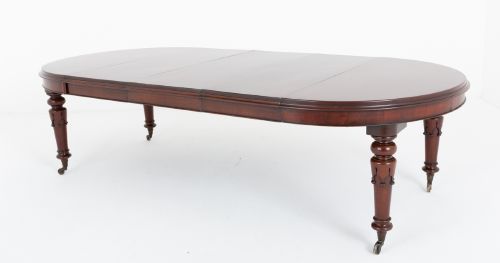
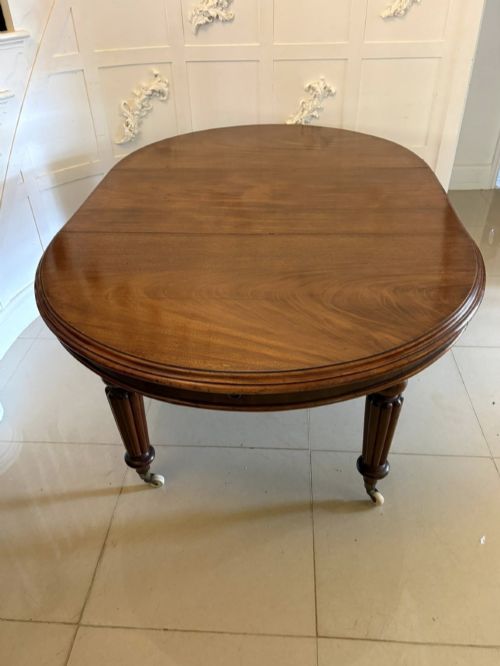
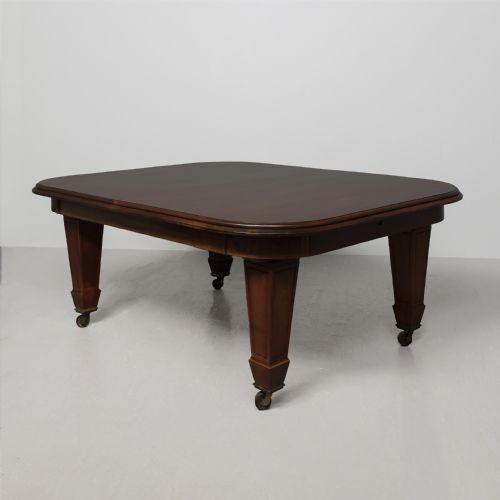
Joinery methods depended on the period and the form, utilising draw leaves, wind-out extending mechanisms with original leaves, and tilt-top actions on pedestals. Brass castors, carved bases, and bobbin legs provided mobility and structural support.
Listings feature 18th Century, Regency, and Victorian periods alongside materials such as brass, mahogany, oak, rosewood, and elm.
What Varies in Quality
The distinction between ordinary utility furniture and high workshop production rests on timber selection and structural integrity. Tables featuring highly figured mahogany veneers, solid rosewood carved bases, or documented maker attribution represent the upper tier of craftsmanship.
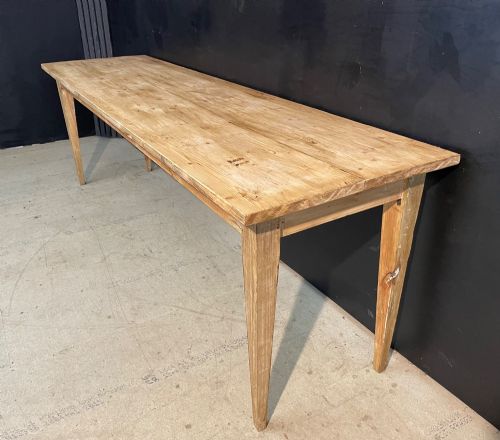
Proportion and the retention of original components, such as extending leaves and winding mechanisms, define the worth of a dining table. Simpler farmhouse examples rely on the thickness of single plank tops and the honesty of their regional construction.
Gillows of Lancaster
The Antique Wood Dining Table Glossary
- Pedestal table
- A table supported by a central pillar or multiple pillars resting on a platform base rather than four corner legs. This configuration allows greater legroom around the perimeter.
- Refectory table
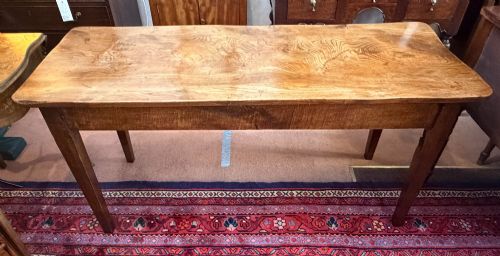
- A long, narrow dining table traditionally used in monastic dining halls and later adapted for domestic country houses. These pieces typically feature thick wooden planks supported by trestles or sturdy legs with stretchers.
- Tilt-top table
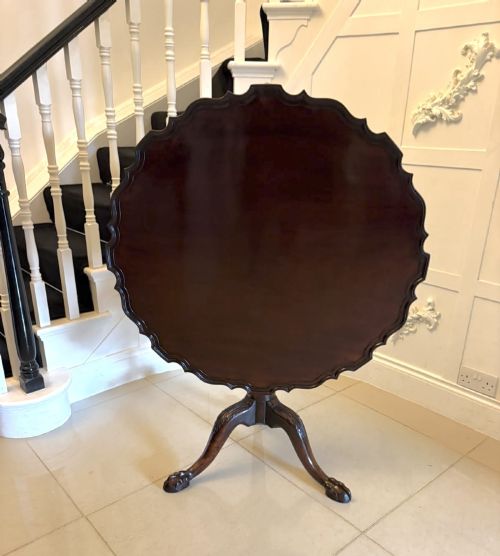
- A table designed with a mechanism that allows the tabletop to pivot to a vertical position when not in use. This clever engineering saved floor space in smaller rooms.
- Draw leaf table
- An extending table equipped with hidden leaves stored beneath the main top that pull out to lengthen the surface. It provides a practical solution for accommodating extra guests.
- Pembroke table
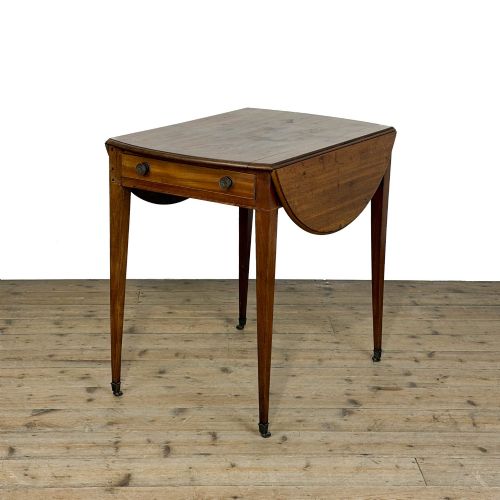
- A small rectangular drop-leaf table featuring hinged flaps on opposing sides that can be raised or lowered. It functions well as a versatile side or breakfast table.
Antique Wood Dining Table: Frequently Asked Questions
How do I measure for an extending dining table?
Assess the maximum extended length against your dining room dimensions, ensuring sufficient clearance for chairs to pull out comfortably on all sides.
Take note of the table width and the height of the apron to guarantee adequate legroom for seated guests.
Can I use an antique wood dining table daily?
These tables were built for heavy domestic use from durable timbers like oak, mahogany, and elm. Regular service suits them well when protected from excessive heat and moisture.
Utilising placemats and coasters preserves the polished surface and historical finish over years of family meals.
How do I identify a Regency dining table?
Regency tables often feature architectural elements inspired by classical antiquity, including brass inlay, reeded edges, and pillar supports. Mahogany and rosewood serve as the primary timbers of the era.
Many examples incorporate multiple pedestals with brass castors designed to support long extending leaves.
What is the difference between a centre table and a dining table?
Centre tables are traditionally smaller, highly decorative pieces meant to stand in the middle of a room for display or occasional use. They frequently feature circular rosewood tops and elaborate triform bases.
Dining tables prioritise length and stability to seat multiple people comfortably around a shared meal.