

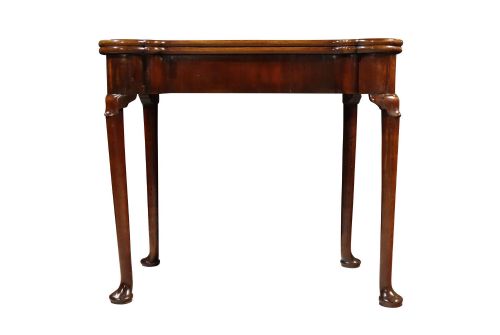


George II Gaming Table
A george ii gaming table brings eighteenth-century craftsmanship into the room, offering a clever fold-over surface designed for cards and tea.
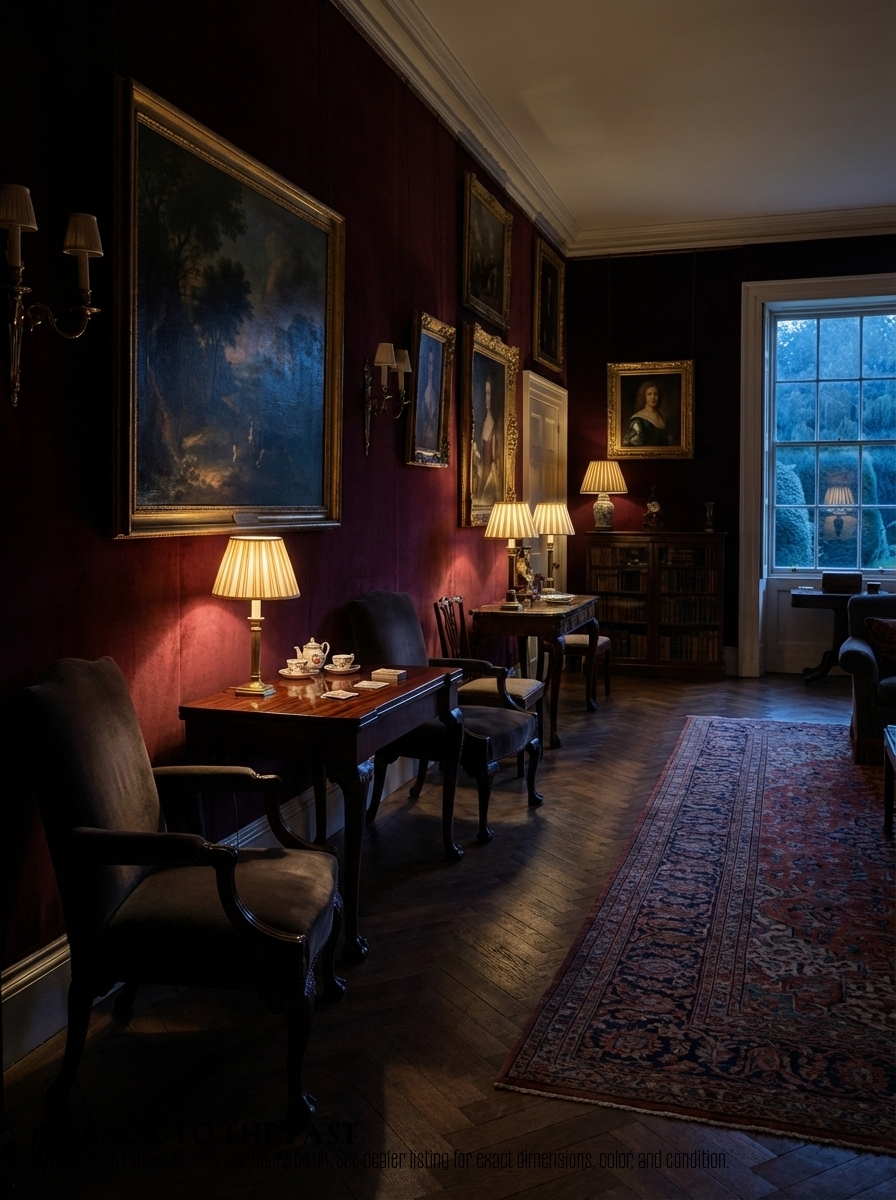
George II Gaming Table
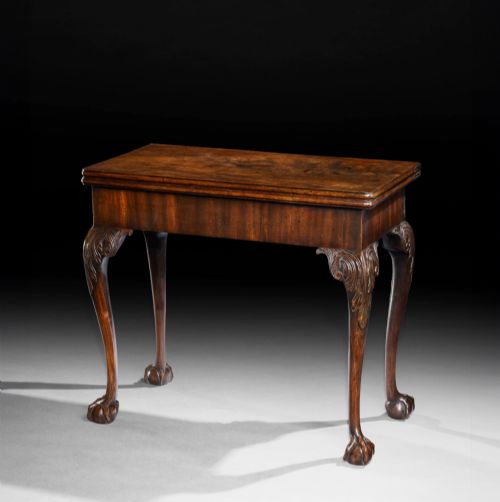
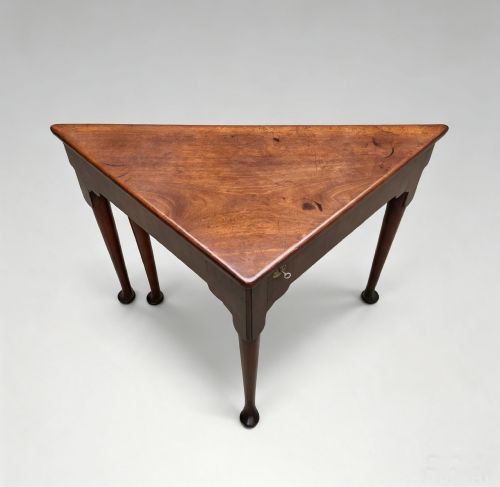
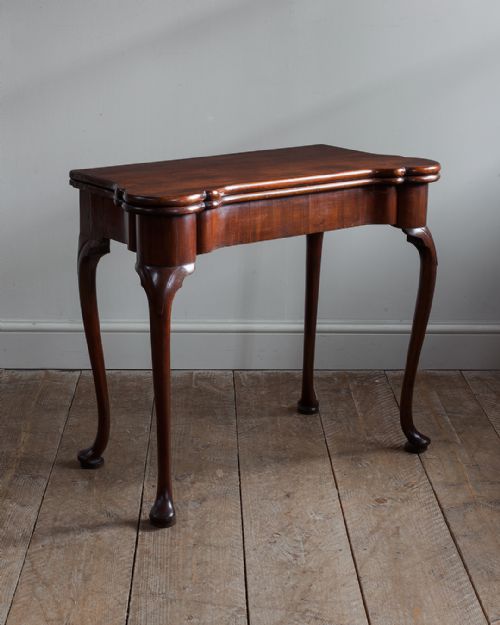
A george ii gaming table appears most frequently in eighteenth-century mahogany, walnut, and red walnut, reflecting the domestic habits of the Georgian period. These pieces function primarily as card tables, tea tables, and games tables, often featuring clever concertina actions or folding tops that conceal gaming wells.
Makers and craftsmen of the eighteenth century produced various configurations, including envelope corners, demi-lune shapes, and triple top designs. Alongside period examples, later nineteenth-century and Edwardian pieces executed in the George II style also appear.
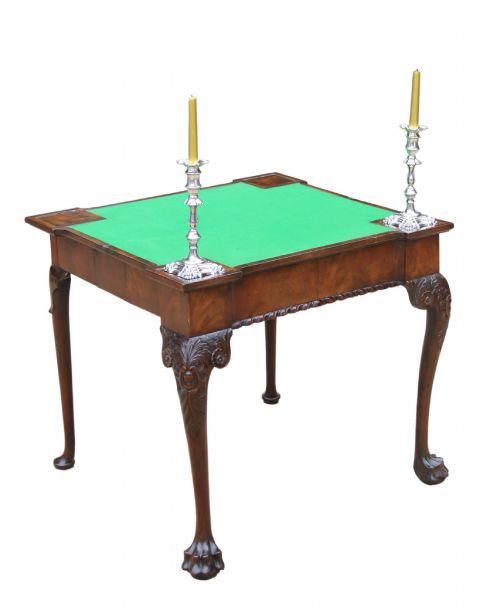
The physical evidence spans card and games tables equipped with counter wells, guinea wells, and dished gaming wells for holding stakes. Irish variants appear alongside English ones, demonstrating regional preferences in timber selection and carving.
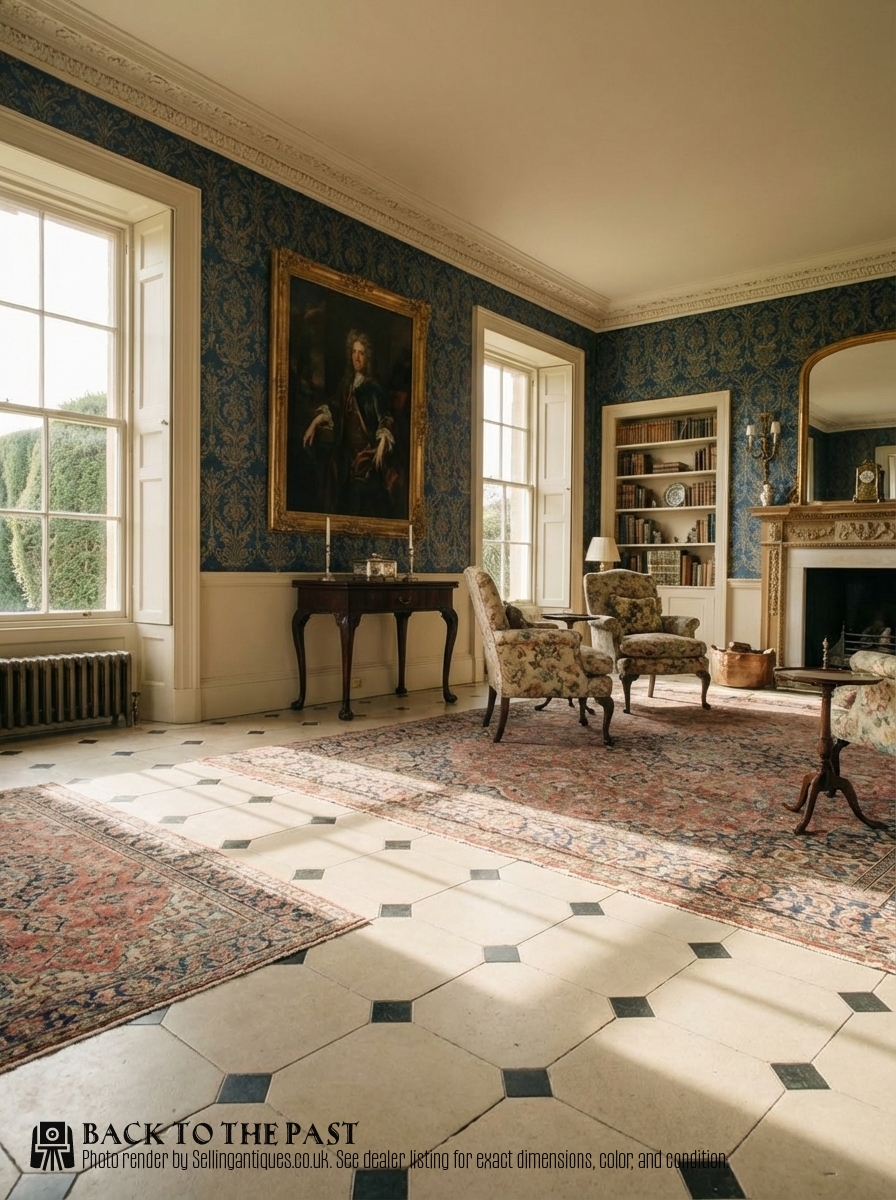
Materials and construction
Cabinet makers constructed these tables predominantly from solid mahogany, Cuban mahogany, walnut, and red walnut, occasionally utilising oak for internal framing and secondary timbers. Surfaces were frequently lined with baize to provide a suitable playing field for card games.
The mechanics of these tables rely on clever joinery, particularly concertina actions that allow the rear legs to extend outwards with the folding top for stability. Fold-over mechanisms, pivoting leaves, and integrated drawers demonstrate the high level of technical skill employed by period joiners.
George II Gaming Table Retail Price Guide 2026
Typical asking prices for george ii gaming table among the pieces listed under this phrase on Sellingantiques today, from the lower quarter to the upper quarter. They describe what is for sale here now, not the wider market.
Listings feature eighteenth-century and Georgian pieces alongside Edwardian revivals, constructed primarily in mahogany, walnut, and oak with baize linings.
Judging quality
Quality rests heavily on the choice of timber and the depth of the figuring in the mahogany or walnut veneers. Tables displaying rich natural patination and careful grain matching across the fold-over leaves stand apart from simpler iterations.
The precision of the concertina action and the crispness of any carved details, such as those found on Chippendale manner pieces, determine the level of craftsmanship. Solid construction of the interior gaming wells and the retention of original brass hardware elevate certain examples above others.
Giles Grendey
The George II Gaming Table Glossary
- Concertina action
- A table frame design where the rails and rear legs extend outward on a hinged frame like a concertina to support the opened fold-over top. This complex mechanism allows the table to double its surface area securely.
- Baize
- A coarse woollen material, typically green, used to line the playing surface of card and gaming tables. It provides a soft texture that protects playing cards and dampens the sound of counters.
- Guinea well
- A small circular depression carved into the corners of a gaming table surface. These wells held gold guinea coins or gaming counters during play.
- Demi-lune
- A half-moon shape used for table tops and frames. When folded, a demi-lune table sits flat against a wall as a side table.
- Fold-over top
- A hinged table top that opens out to reveal a larger surface underneath, often supported by a swing leg or concertina frame.
George II Gaming Table: Frequently Asked Questions
What is a concertina action table?
A concertina action table utilises a sophisticated expanding frame where the rear legs move outward with the opening leaf to provide balanced support.
This engineering feat ensures the extended top remains completely stable during card games without requiring a simple swing leg.
How were these tables used originally?
These tables served multiple functions in the Georgian home, transitioning easily from a side or tea table into a dedicated surface for evening card games.
Built-in wells held counters, coins, or candles, making them central furniture pieces for social gatherings and domestic entertainment.
Are all these tables from the eighteenth century?
While many examples date from the eighteenth century and the Georgian period, the evidence also includes later nineteenth-century and Edwardian pieces.
Craftsmen in these later eras frequently built pieces in the George II style, utilising traditional mahogany and walnut materials.
What are guinea wells?
Guinea wells are small circular recesses carved directly into the corners of the gaming surface.
Players used these designated hollows to securely hold their stakes, counters, or gold coins during card sessions.