
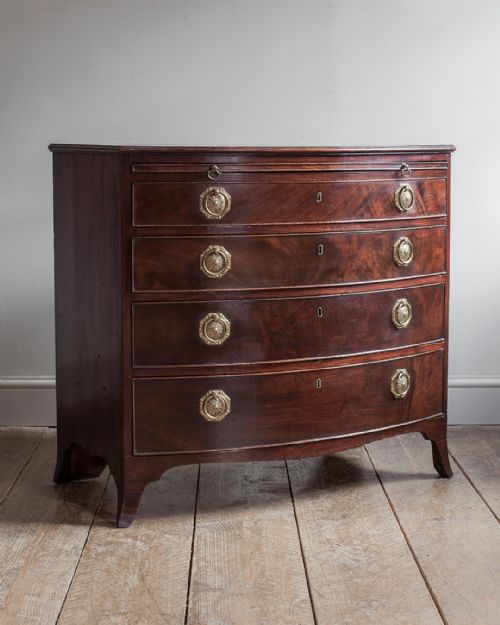
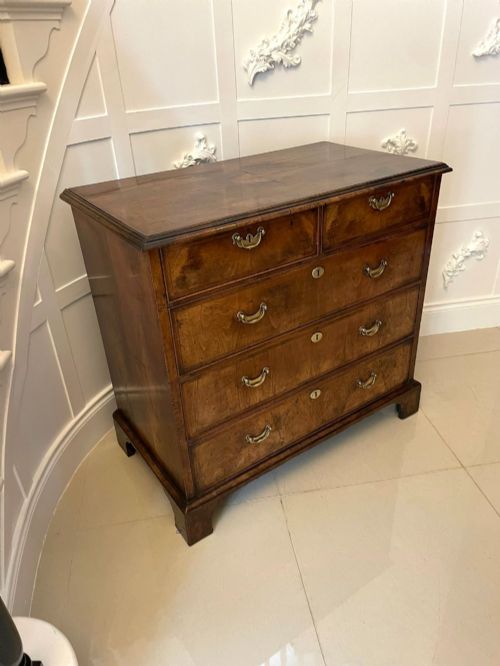
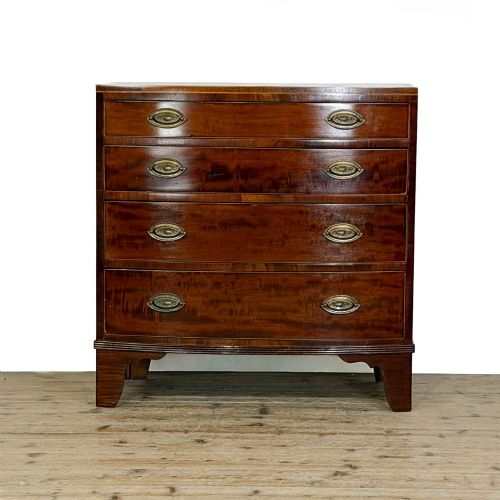
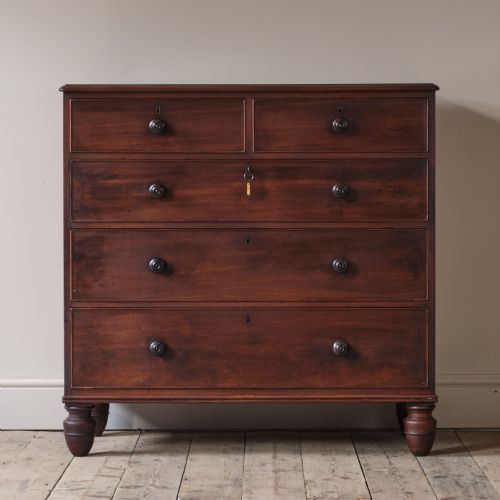
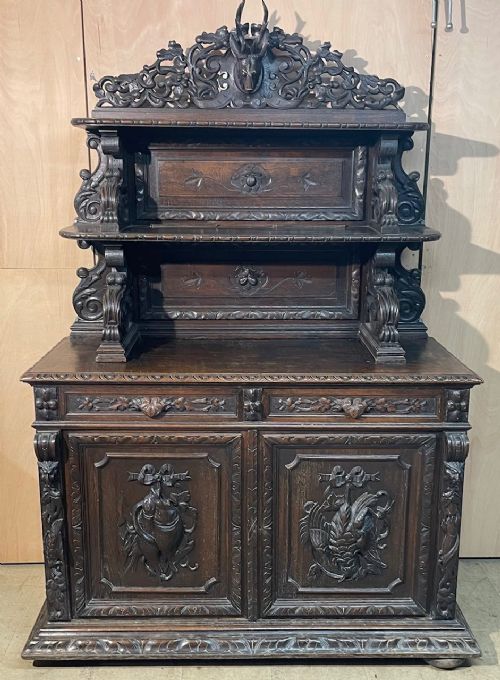


Antique Wood Dresser
An antique wood dresser brings immediate warmth and grounded history to a room, offering practical surface space alongside deep storage.
Identifying your antique wood dresser
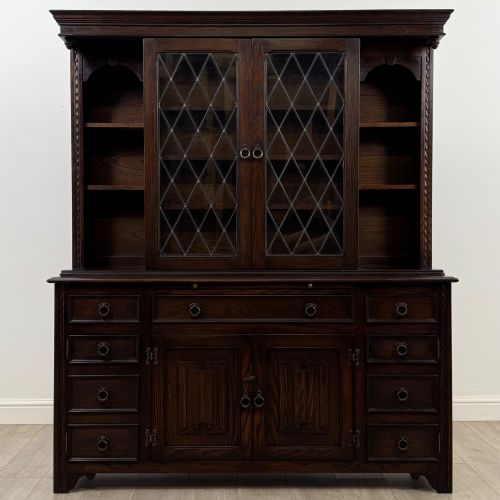
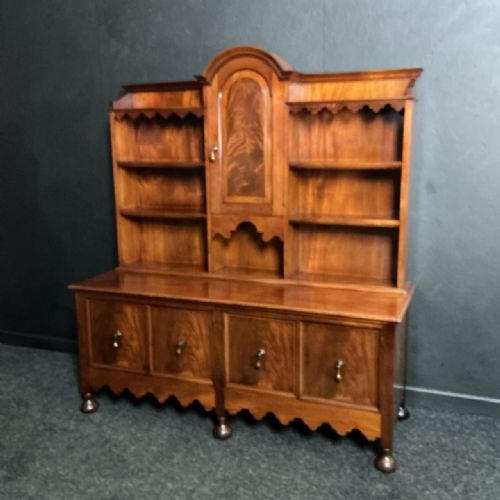
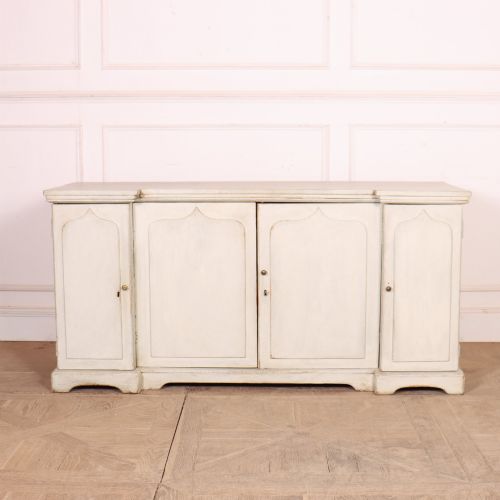
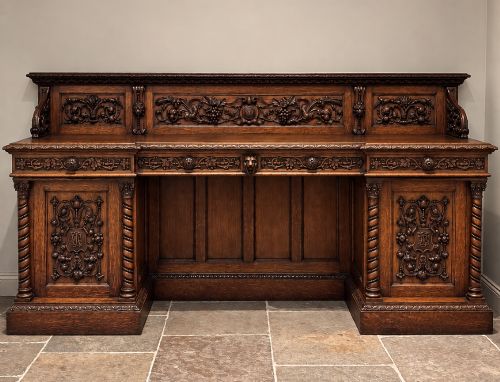
When you search for an antique wood dresser, you are looking at substantial storage furniture that evolved through several distinct British and European design movements. The listings include examples ranging from early eighteenth century walnut chests to expansive Welsh and Irish fruitwood dresser bases with integrated plate racks or sideboards.
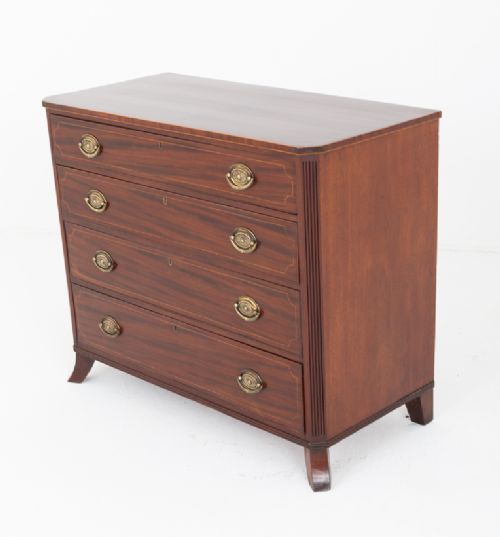
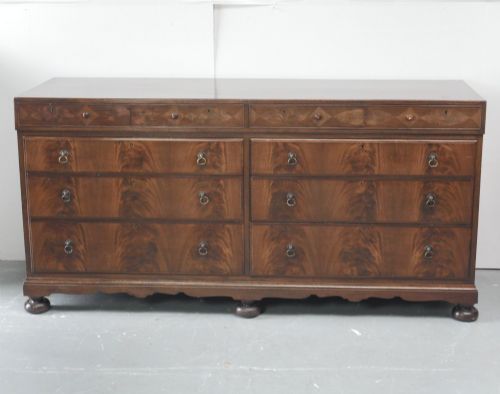
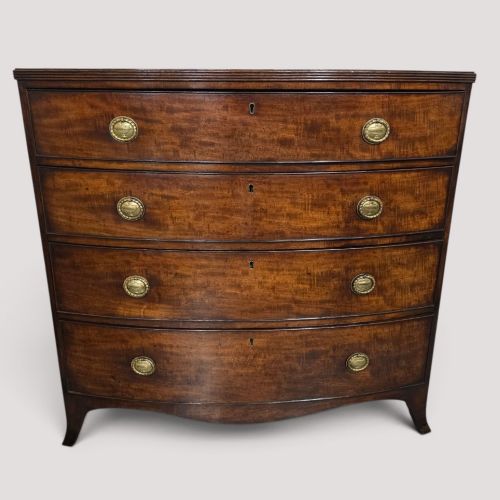
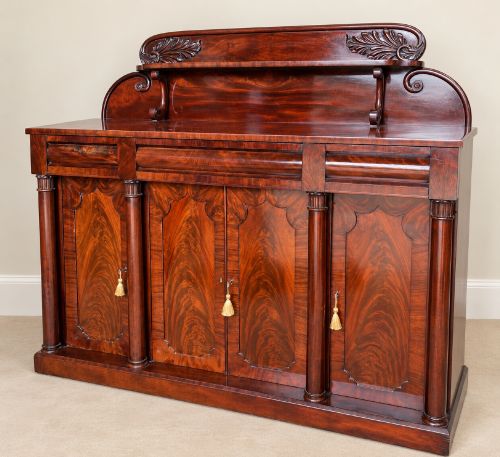
The version you are most likely to meet on this page is a Georgian or Victorian mahogany chest of drawers, alongside substantial country pieces in oak and fruitwood. These forms span formal styles like Queen Anne and George II, through to regional vernacular furniture.
Makers recorded in archive sales include Henry Woodyer, reflecting the breadth of styles from formal British cabinetmaking to Arts and Crafts workshops. Every piece brings different regional proportions and timber selections to your interior.
Materials and construction
Cabinetmakers utilised dense timbers such as mahogany, walnut, oak, and fruitwood, often enhanced with secondary woods like boxwood or bone for inlay details. Brass hardware including handles and escutcheons completed the structural assembly.
Joinery techniques relied on traditional hand-cut dovetails for drawer construction and pegged joints for frames. Surfaces received hand-rubbed finishes that developed rich patination over centuries of daily use.
Retail Price Guide 2026
Typical UK retail prices for wood dresser, calculated from the Sellingantiques database of over a million retail prices indexed since 2003. This retail price guide relies exclusively on Sellingantiques data; no external sources or auction records are used, so the figures do not describe the wider market.
The site's listings feature pieces spanning the eighteenth and nineteenth centuries, utilising solid oak, walnut, mahogany, and fruitwood.
Assessing craftsmanship and condition
The top of the range is distinguished by choice timber selections, such as figured walnut or rich mahogany, coupled with intact original feet and hardware like ogee brackets. Superior pieces retain their original surface patination and uncompromised structural integrity.
Lower tiers often show replacement brasses, heavily sanded surfaces that remove historic character, or mismatched timber repairs. The integration of original brushing slides and secondary wood consistency separate exceptional examples from standard ones.
Henry Woodyer
The Antique Wood Dresser Glossary
- Brushing slide
- A pull-out shelf integrated above the top drawers, historically used for folding clothes or writing.
- Ogee bracket foot
- An S-shaped scroll foot common on eighteenth century case furniture, elevating the piece off the floor.
- Patination
- The deep, lustrous surface sheen developed over centuries through waxing, handling, and oxidation of the wood.
- Dovetail
- A interlocking woodworking joint formed of pins and tails, prized for its tensile strength in drawer construction.
- Escutcheon
- A decorative shield or plate surrounding a keyhole, usually cast in brass.
Frequently Asked Questions
What is the difference between a chest of drawers and a Welsh dresser?
A chest of drawers is a compact storage unit consisting solely of stacked drawers, whereas a Welsh dresser typically incorporates an upper rack for displaying plates above a lower base cabinet or sideboard.
While both serve storage functions, dressers with plate racks were traditionally used in kitchens and dining areas for tableware display.
How do I date an antique wood dresser?
Dating relies on examining construction methods, timber choices, and hardware styles. Hand-cut dovetails, secondary woods, and cabinetmaker pencil marks provide key temporal clues.
Design motifs such as Queen Anne cabriole legs or Georgian bracket feet further narrow down the decade of manufacture.
Which woods are most common in these pieces?
Oak and fruitwood dominate country vernacular pieces, while walnut and mahogany define the formal eighteenth-century urban items on the market.
Secondary timbers like boxwood and bone frequently appear in stringing and inlay details.
Where should I place a dresser in my home?
These versatile pieces work well in hallways, dining rooms, and bedrooms, providing substantial surface space and deep drawer capacity.
Ensure placement avoids direct sunlight and dramatic radiator heat fluctuations to protect the antique timber and finish.