

18th Century Walnut Commode
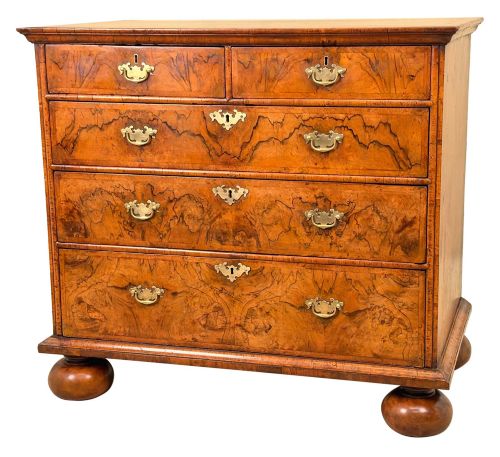
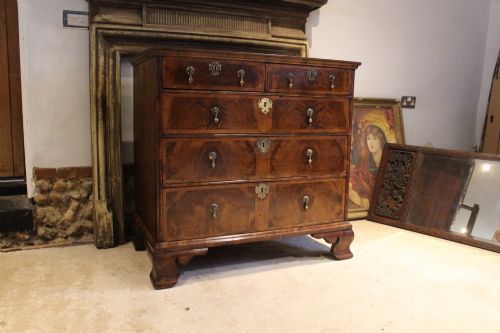
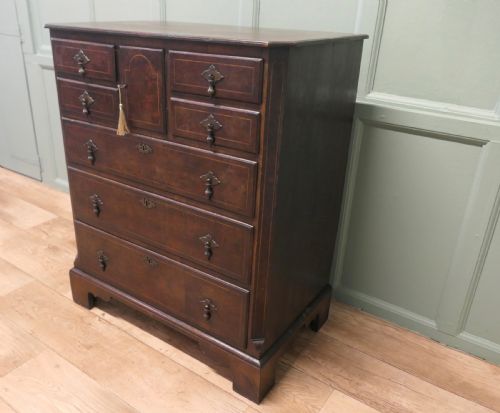
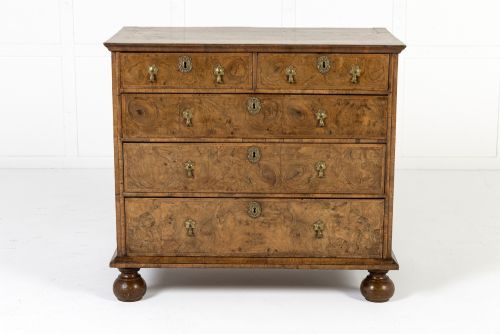
An 18th century walnut commode brings substantial timber and deep grain into a room, offering both surface display and deep drawer storage.
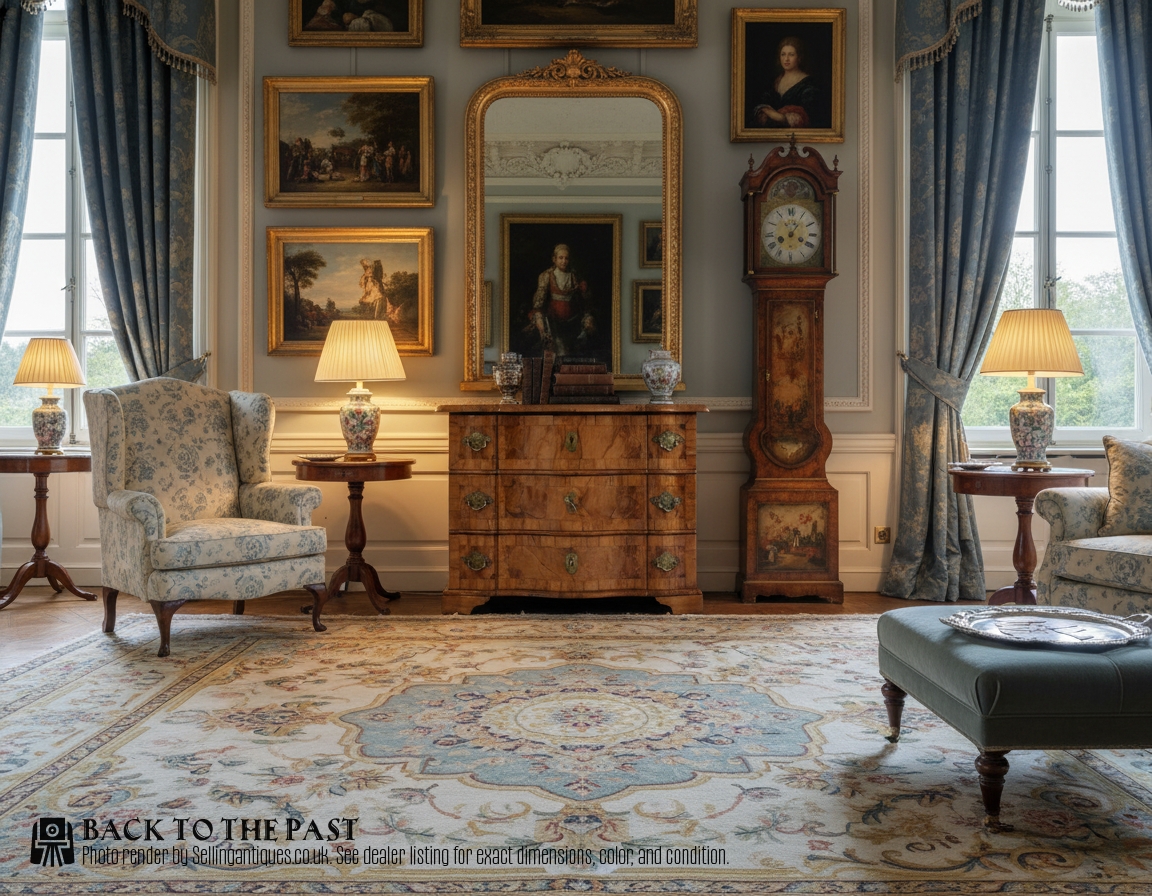
18th Century Walnut Commode
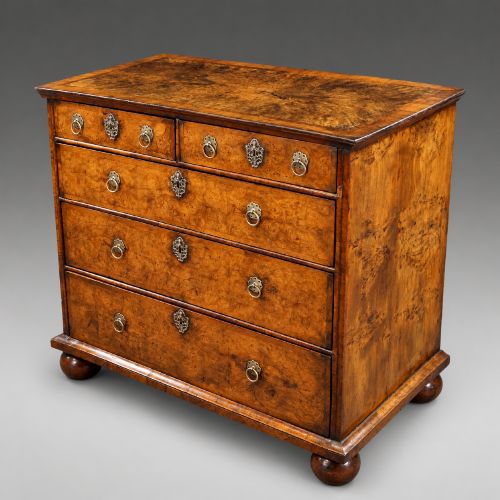
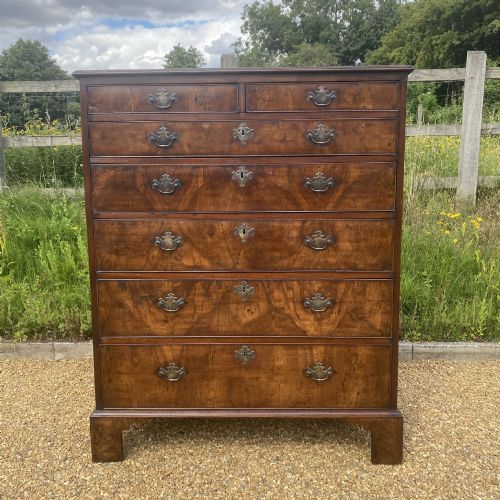
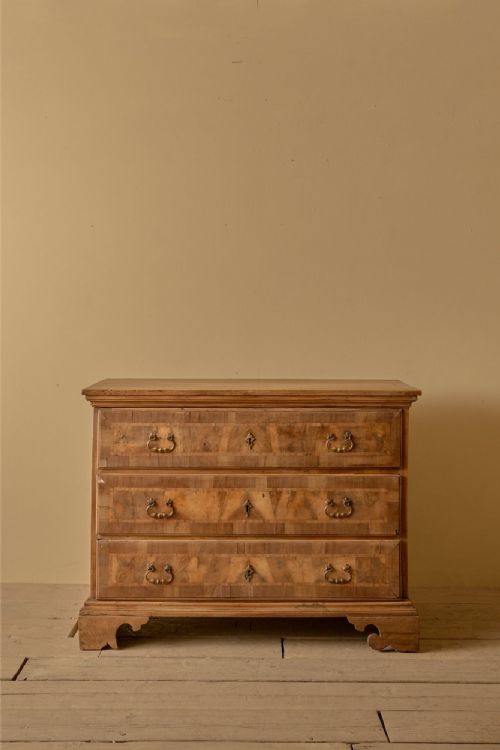
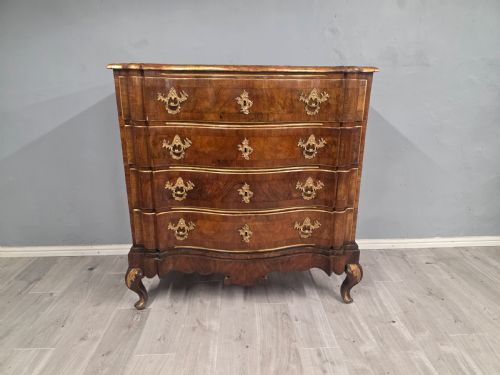
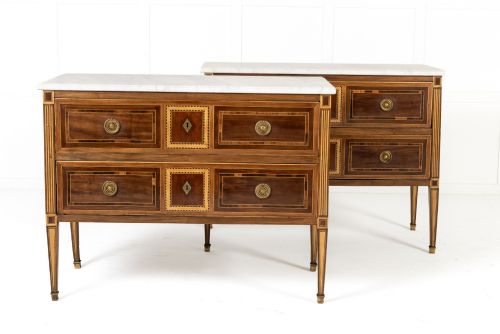
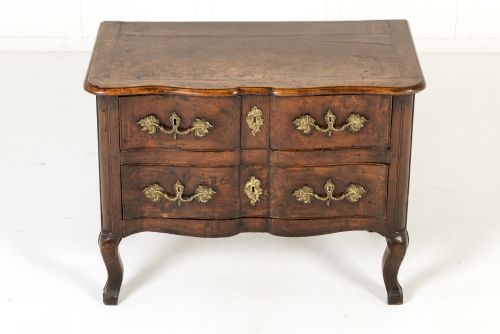
An 18th century walnut commode functions as a low chest of drawers, appearing across English, French, Italian, German, Austrian, and Maltese workshops of the period. These pieces present in styles from Georgian and George III to French Provincial, Louis XV, Louis XVI, Régence, Rococo, and Austrian Baroque.
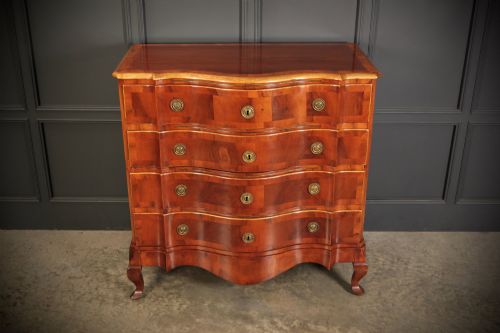
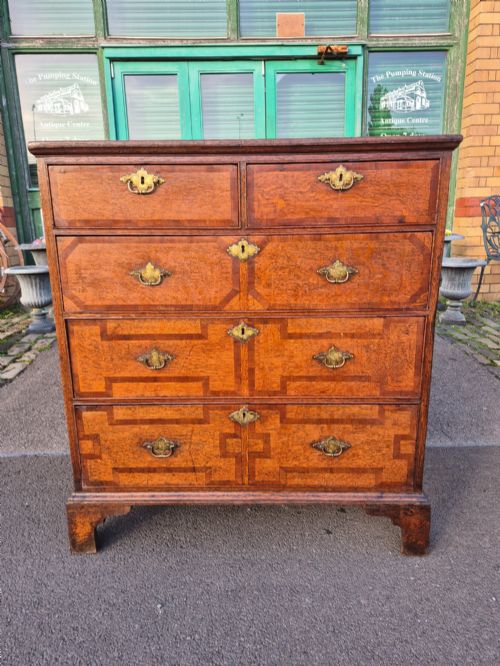
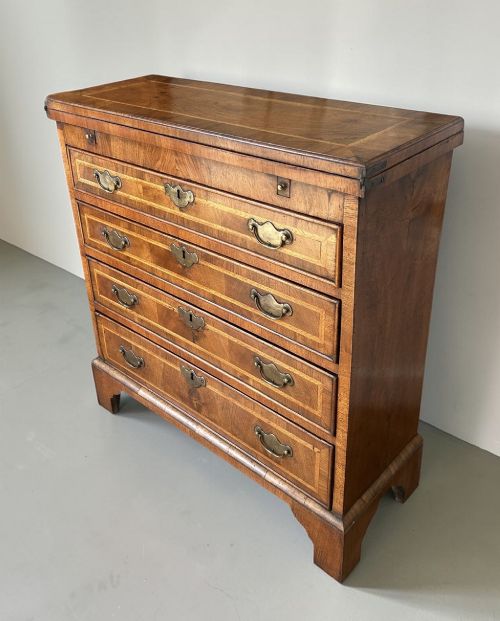
The form is most frequently encountered as a chest of drawers, sometimes featuring a serpentine or breakfront shape, or incorporating a sliding top panel. English examples align with Georgian walnut chests of drawers, while continental pieces adopt the commode designation with varied regional proportions.
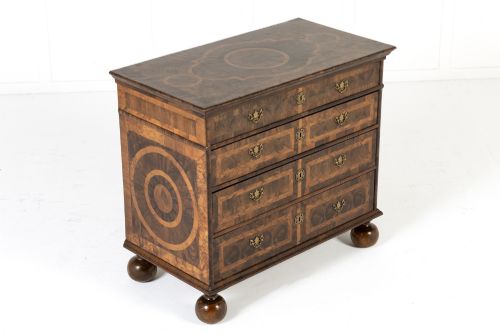
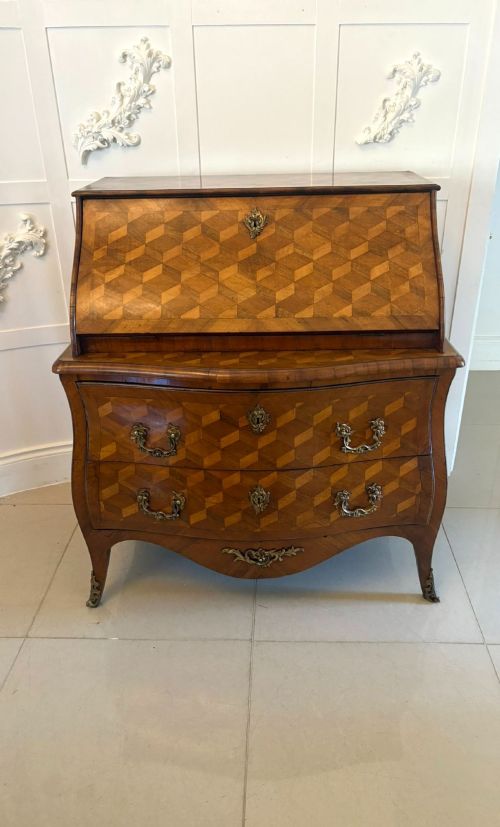
Maltese, German, and Italian examples frequently incorporate intricate marquetry and parquetry work. French pieces from the provinces and major periods display regional carving and varied timber selections.
Materials and Construction
Makers constructed these commodes using solid walnut, burr walnut, fruitwood, cherry, and rosewood, supported by secondary timbers such as oak, pine, and other native woods. Surfaces often feature feather-banded borders or intricate parquetry and marquetry patterns.
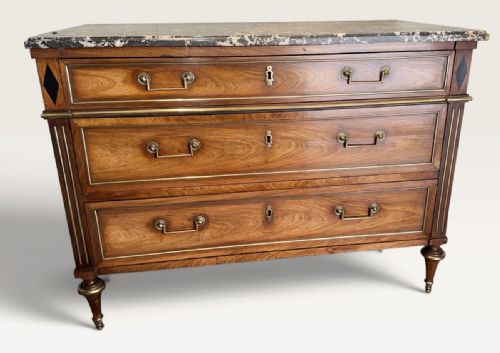
Hardware consists of brass handles and escutcheons fitted to the drawer fronts. Certain continental examples incorporate marble tops above the timber carcase.
18th Century Walnut Commode Retail Price Guide 2026
Typical asking prices for 18th century walnut commode among the pieces listed under this phrase on Sellingantiques today, from the lower quarter to the upper quarter. They describe what is for sale here now, not the wider market.
Listings feature walnut, burr walnut, fruitwood, and oak across Georgian, French Provincial, and Austrian Baroque styles.
Judging Quality and Execution
The distinction between tiers of quality rests upon the selection of timber, particularly the choice of burr walnut figures and the precision of parquetry or marquetry detailing. Superior execution shows in the crispness of carved elements and the integration of secondary woods.
Proportion and decorative restraint govern the character of the piece, separating standard regional cabinetmaking from finer court and metropolitan production.
The 18th Century Walnut Commode Glossary
- Commode
- A low chest of drawers originating in continental Europe during the eighteenth century.
- Burr Walnut
- A figured timber harvested from walnut tree growths, prized for intricate grain patterns.
- Parquetry
- Geometric wood inlay work forming repeating patterns across the surface.
- Serpentine
- A curved line featuring a convex centre flanked by concave sweeps.
- Feather-Banded
- Inlay work where thin strips of veneer are arranged in a V-shape resembling a feather.
18th Century Walnut Commode: Frequently Asked Questions
How do I identify a French commode?
French commodes from this era typically feature distinct regional styles such as Louis XV or Louis XVI, often carrying the commode designation rather than chest of drawers.
Many examples incorporate marble tops, serpentine fronts, and specific provincial carvings that separate them from English or Italian equivalents.
What is burr walnut?
Burr walnut is a decorative timber taken from the gnarled growth on a walnut tree, creating swirling patterns across the drawer fronts and top.
Cabinetmakers utilised these figured veneers on higher-status pieces to create striking visual contrast against straight-grained walnut borders.
Where were these commodes made?
Production spanned across England, France, Italy, Germany, Austria, and Malta during the eighteenth century.
English pieces generally follow Georgian stylistic rules, while continental pieces showcase regional specialities like marquetry, parquetry, and baroque shaping.
How should I care for walnut furniture?
Walnut furniture requires a stable environment away from direct heat sources and strong sunlight to protect the aged timber and delicate veneers.
Routine dusting with a soft cloth and occasional gentle waxing preserve the historic finish without building up unwanted residue.