



George III Wooden Box
These George III wooden box examples bring the domestic storage of the Georgian period directly into modern rooms.
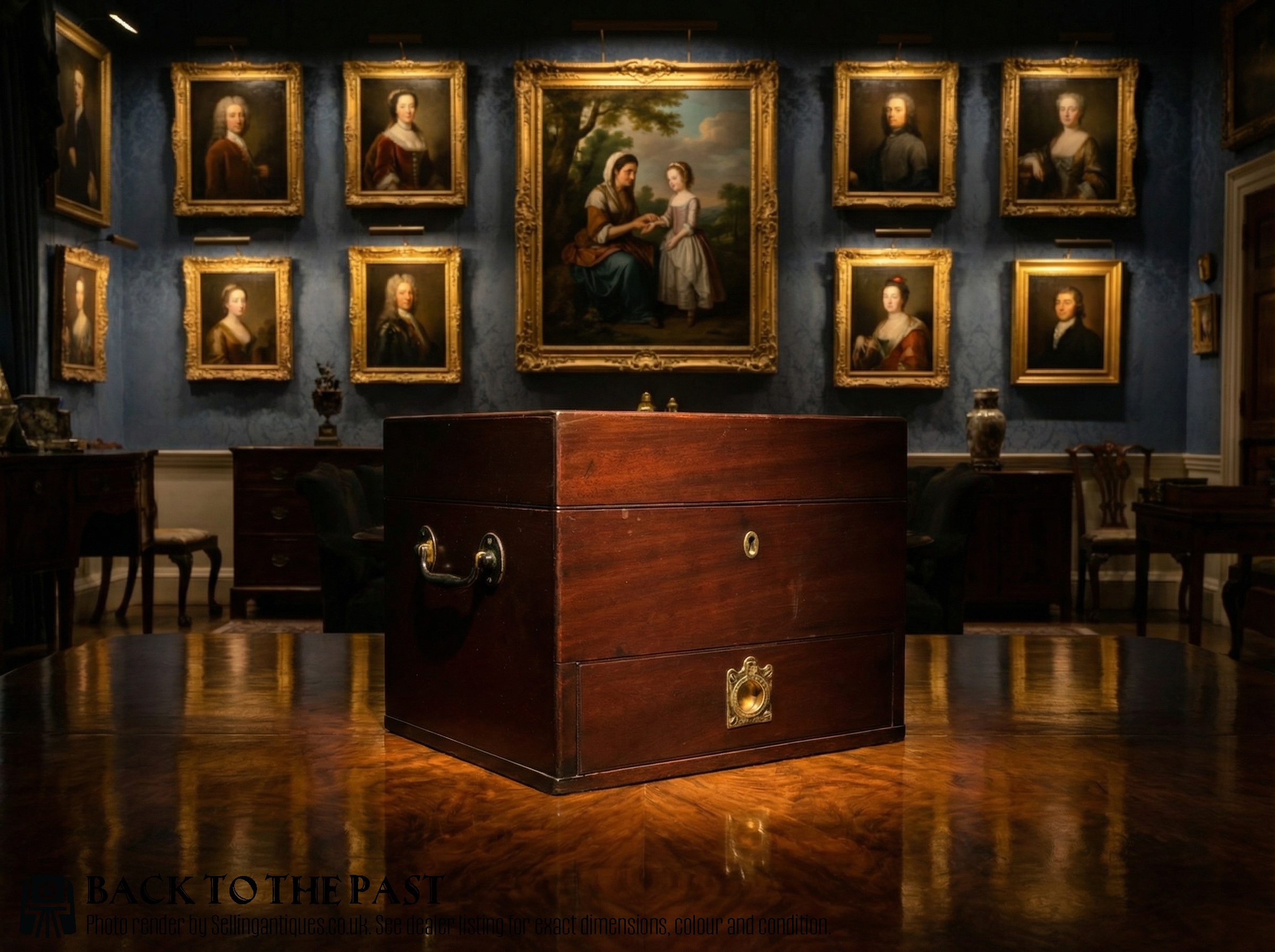
George III Wooden Box
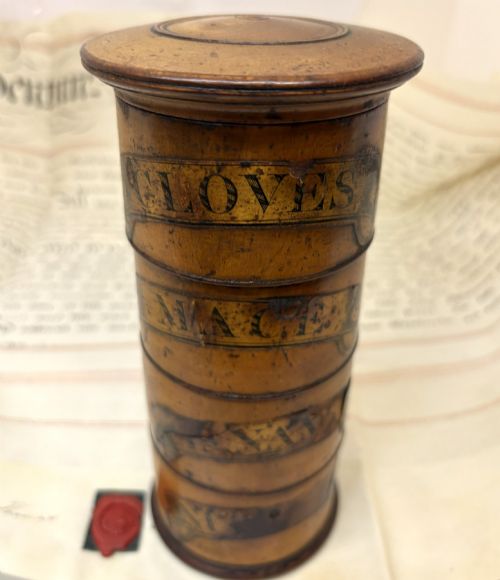
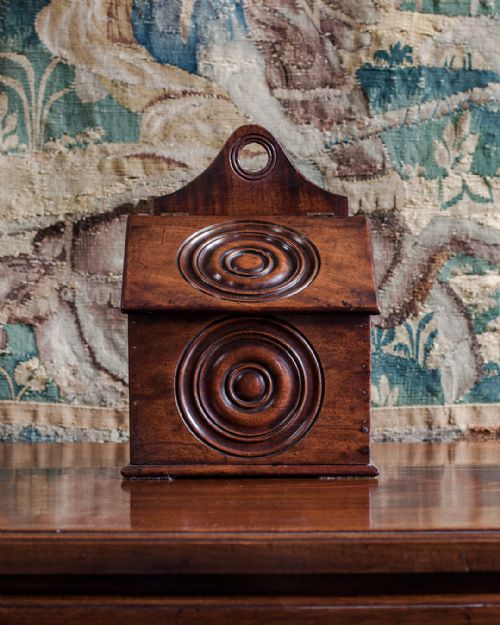
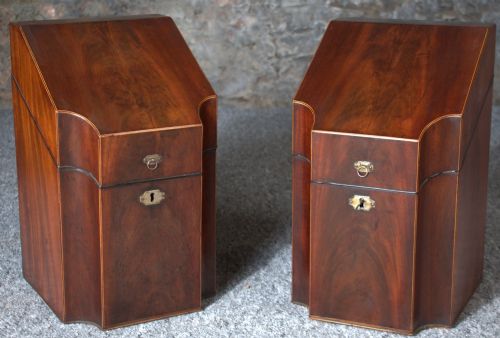
A george iii wooden box encompasses functional containers made during the Georgian era, ranging from tea caddies and apothecary chests to knife boxes, writing slopes, and larger blanket trunks. These pieces served specific domestic tasks in wealthy households, holding dry goods, medicines, cutlery, or personal papers.
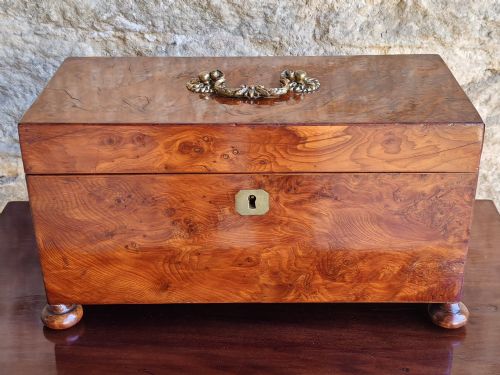
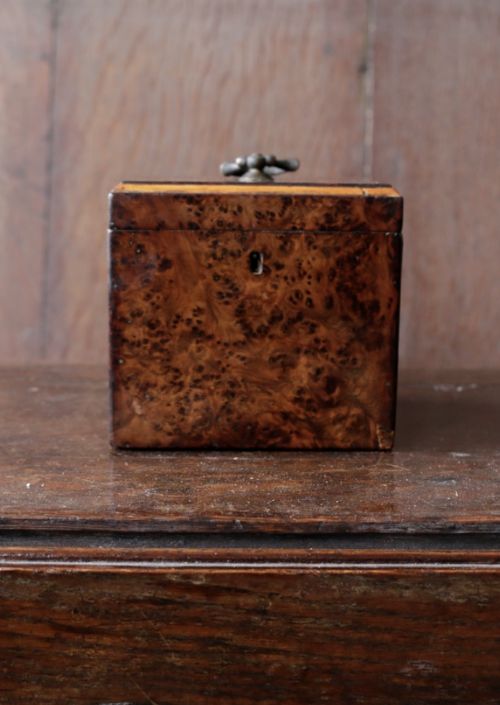
Tea caddies dominate the selection, appearing in varied woods like mahogany, yew, and satinwood with fitted interiors for loose leaf tea. Writing boxes and campaign slopes also emerge frequently, designed with folding lids and internal compartments for stationery and ink.
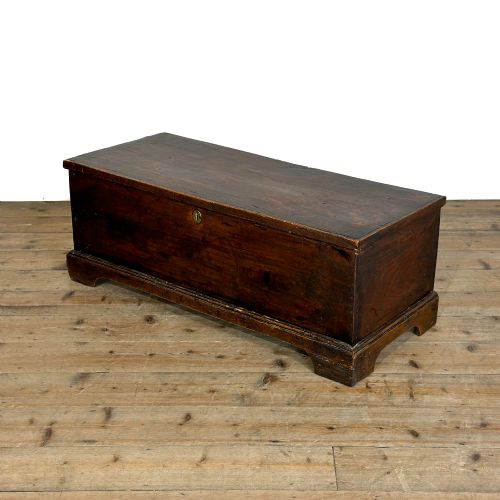
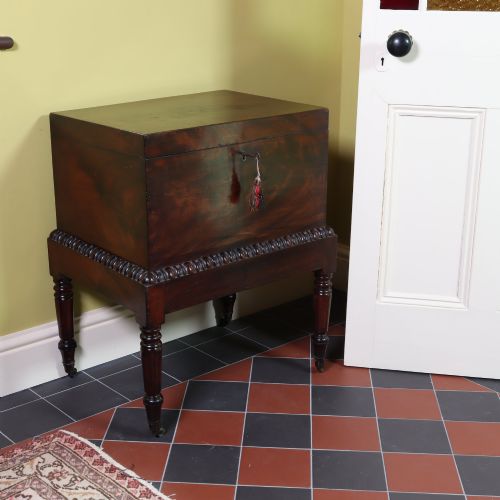
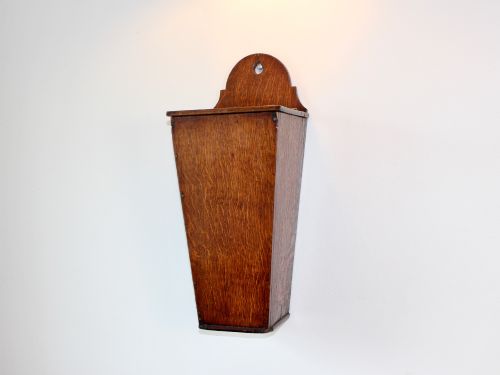
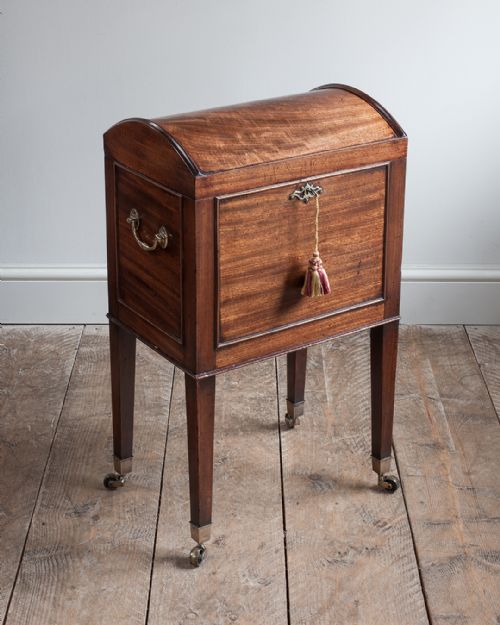
Larger storage forms appear alongside tabletop boxes, including cellarettes for wine storage, oak log bunkers, and blanket chests fashioned from elm, pine, or oak. The origins stretch from English workshops to Scottish and Scandinavian makers, reflecting diverse regional timber choices.
Materials and construction
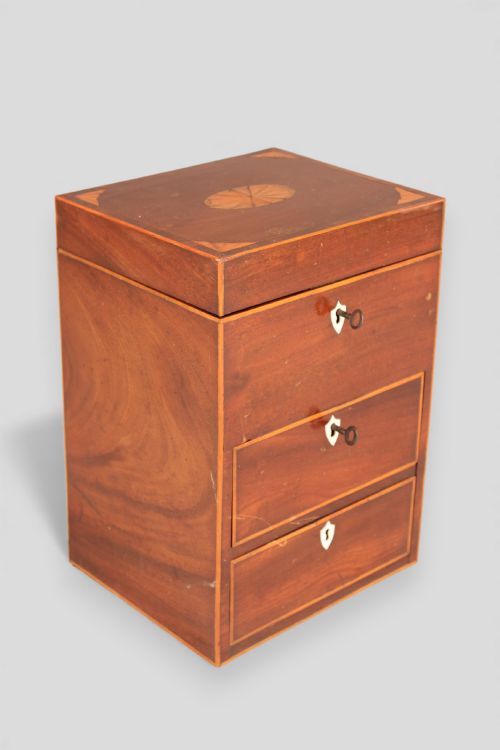
Cabinet makers built these boxes primarily using native and imported hardwoods like mahogany, oak, yew, and elm, often applying decorative veneers such as flame mahogany, burr yew, and satinwood. Wood inlay, bone stringing, and boxwood banding supplied geometric and botanical decoration to the exterior surfaces.
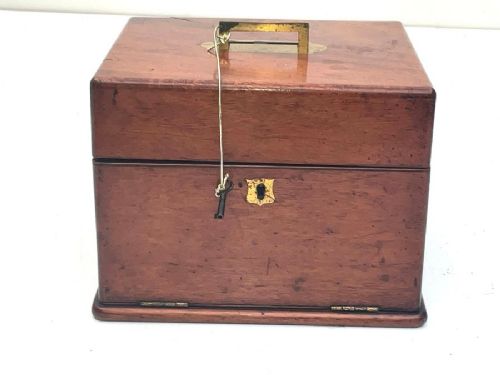
Hardware played a crucial structural and ornamental role, with brass carrying handles, escutcheons, hinges, and lock plates fitted to secure valuable contents. Linings inside tea caddies and apothecary boxes frequently utilised foil, velvet, or fitted wooden dividers to protect fragile glass bottles and dry ingredients.
Several tea caddies manage to hide secret compartments behind clever sliding panels, proving that Georgian tea drinkers loved a hidden stash.
Judging quality in georgian boxes
The choice of timber grain defines the visual merit of a george iii wooden box, with highly figured burr yew, flame mahogany, and matched satinwood veneers commanding greater attention than plain planks. Superior examples display careful book-matching where grain patterns mirror across the lid and panels.
Internal complexity and original hardware condition separate standard containers from finer productions. Surviving secret drawers, complete glass bottles within apothecary chests, original brasses, and working locks demonstrate high craftsmanship and careful preservation over centuries.
Seabrook of St.Pauls London
The George III Wooden Box Glossary
- Tea Caddy
- A small box designed to store loose leaf tea safely away from moisture and light. These containers often featured internal lids and partitioned compartments to separate different tea varieties.
- Apothecary Box
- A portable wooden chest fitted to hold medical vials, scales, and ingredients for domestic or travel healing. They typically include secure brass latches and fitted pigeonholes for glass bottles.
- Writing Slope
- A desk box with an angled hinged lid that drops open to form a slanted writing surface. Inside compartments store pens, inkwells, and correspondence papers.
- Cellarette
- A freestanding or tabletop wooden container used to hold wine bottles and decanters. Many feature internal division sections and heavy brass carrying handles for transport.
- Veneer
- A thin slice of decorative timber applied to a secondary wood core to create patterned surfaces. Cabinet makers utilised figured veneers like mahogany and satinwood to enhance visual depth.
George III Wooden Box: Frequently Asked Questions
What were tea caddies used for?
Tea caddies held expensive loose leaf tea under lock and key in Georgian households.
Servants or the master of the house kept the key to control access to the precious leaves.
How do I clean a mahogany box?
Clean antique wood surfaces using a soft cloth and microcrystalline wax to preserve the finish.
Avoid liquid cleaners and excessive moisture, which can lift delicate veneers and damage old glue.
Are apothecary boxes missing contents?
Many surviving apothecary chests retain their original glass bottles, while others survive empty.
Boxes with intact internal glass vials and scales generally indicate higher retention of original fittings.
Where were these boxes made?
Workshop origins span English urban centres like London alongside regional Scottish and Scandinavian makers.
Local timber availability heavily influenced whether a box used native oak and elm or imported mahogany and satinwood.