



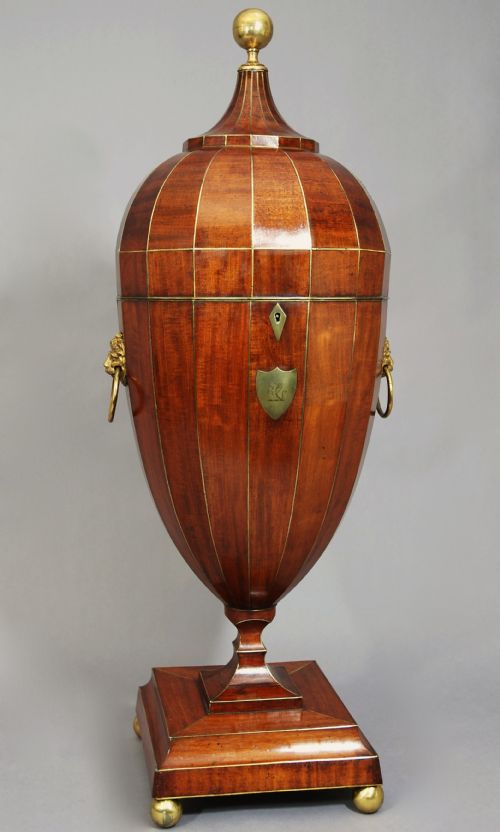


Antique Cutlery Urn
An antique cutlery urn brings monumental neoclassical proportion and refined storage to the dining room table.
Antique Cutlery Urn
The antique cutlery urn stands as a sophisticated neoclassical form designed to hold dining implements securely upon the sideboard. These pieces originate primarily from the eighteenth century, spanning the Georgian and George III periods alongside later Victorian interpretations.
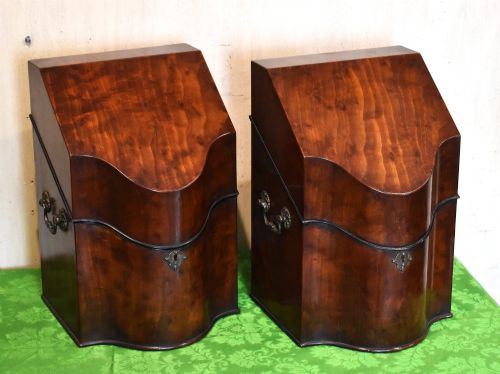
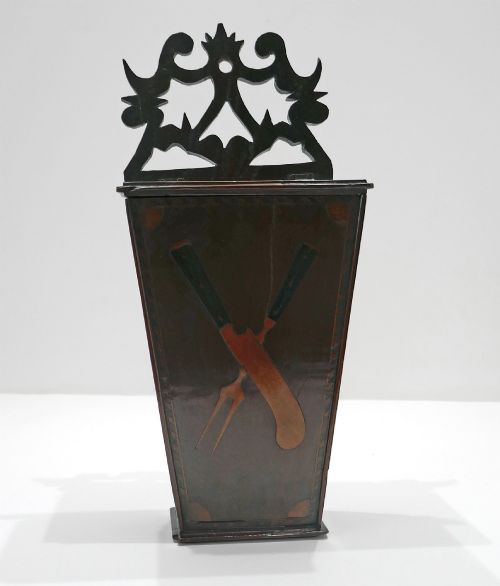
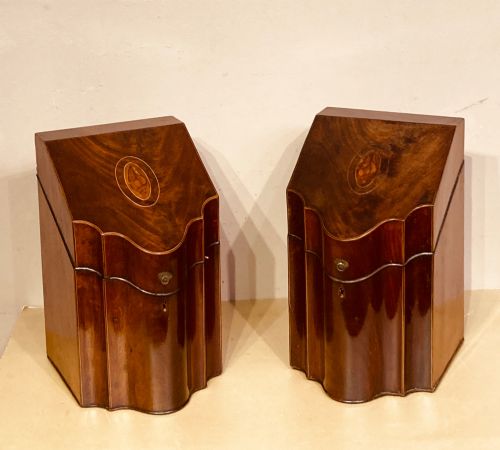
Buyers encounter related forms alongside the true urn shape, including serpentine and bow-fronted knife boxes as well as stationery boxes. Mahogany provides the dominant structural body across the pieces listed.
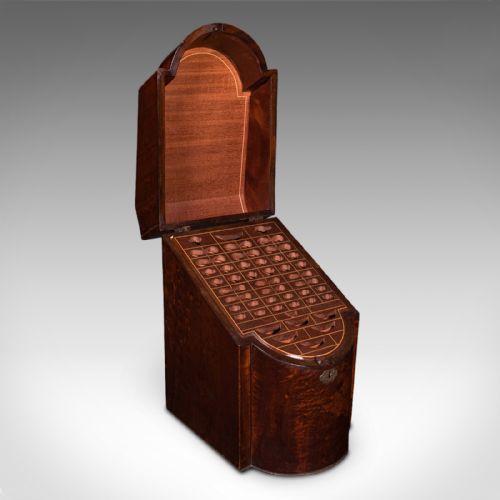
Craftsmen shaped these towering vessels with classical architectural lines, often featuring tapering bodies and fitted lidded compartments. The examples recorded here demonstrate the shift from formal dining service storage to decorative interior display.
Differentiating quality across pieces
Quality rests in the precision of the timber selection and the complexity of the cabinetwork. Figured mahogany with strong grain patterns and delicate string inlay commands greater regard than plain surfaces.
The sophistication of the silhouette defines the upper tier, particularly serpentine fronts, bow-fronted profiles, and balanced proportions. Original brass hardware and intact internal fittings further elevate a piece.
Antique Cutlery Urn Retail Price Guide 2026
Typical asking prices for cutlery urn among the pieces listed under this phrase on Sellingantiques today, from the lower quarter to the upper quarter. They describe what is for sale here now, not the wider market.
Materials recorded across these items include mahogany, brass, satinwood, boxwood, wood inlay, silver, metal, and bone.
The Antique Cutlery Urn Glossary
- Serpentine front
- A furniture front characterised by a wavy outline with a convex centre flanked by concave sides. This shape required advanced woodworking skill.
- Satinwood
- A durable, yellowish timber prized for its lustrous grain and used extensively for contrasting inlay. It creates bright geometric patterns against dark mahogany.
- Boxwood
- A dense, pale wood employed for fine stringing and banding details. Craftsmen used it to outline panels and accentuate structural edges.
- George III
- The period spanning the reign of George III, known for refined neoclassical furniture design. Pieces from this era display strict symmetry and classical restraint.
- Stationery box
- A desk accessory or converted storage container adapted for paper goods. Several dining boxes transitioned to this role over time.
Antique Cutlery Urn: Frequently Asked Questions
What is an antique cutlery urn?
An antique cutlery urn is a tall, decorative wooden vessel designed in the eighteenth century to store knives and forks on the dining room sideboard. These architectural pieces bring formal neoclassical presence to a room.
Craftsmen built them from mahogany and accented them with brass hardware and inlay. They reflect the high standards of Georgian dining culture.
How do you date a knife box?
Dating relies on examining the timber, the style of the brass mounts, and the profile of the box itself. Georgian examples from the eighteenth century feature hand-cut dovetails and specific neoclassical proportions.
Later Victorian interpretations often show different interior fittings and secondary woods. Comparing the construction methods to known period pieces clarifies the age.
Were these urns used for dining?
These vessels served a practical purpose during formal meals by keeping silver-handled knives organised and protected. Servants retrieved the cutlery from the lidded compartments as needed during the course.
Over the centuries, many examples were adapted for alternative uses such as holding stationery. Their interiors often show modifications from this functional shift.
How do I care for mahogany?
Maintenance requires keeping the timber away from direct sunlight and maintaining stable indoor humidity. Gentle dusting with a dry, soft cloth preserves the polished surface.
Harsh chemical cleaners strip the aged patina from the wood. Occasional application of appropriate wax feeds the antique grain.