





Brown Wooden Lap Desk
A brown wooden lap desk offers a portable writing surface, combining rich timber and fitted compartments for the travelling writer.
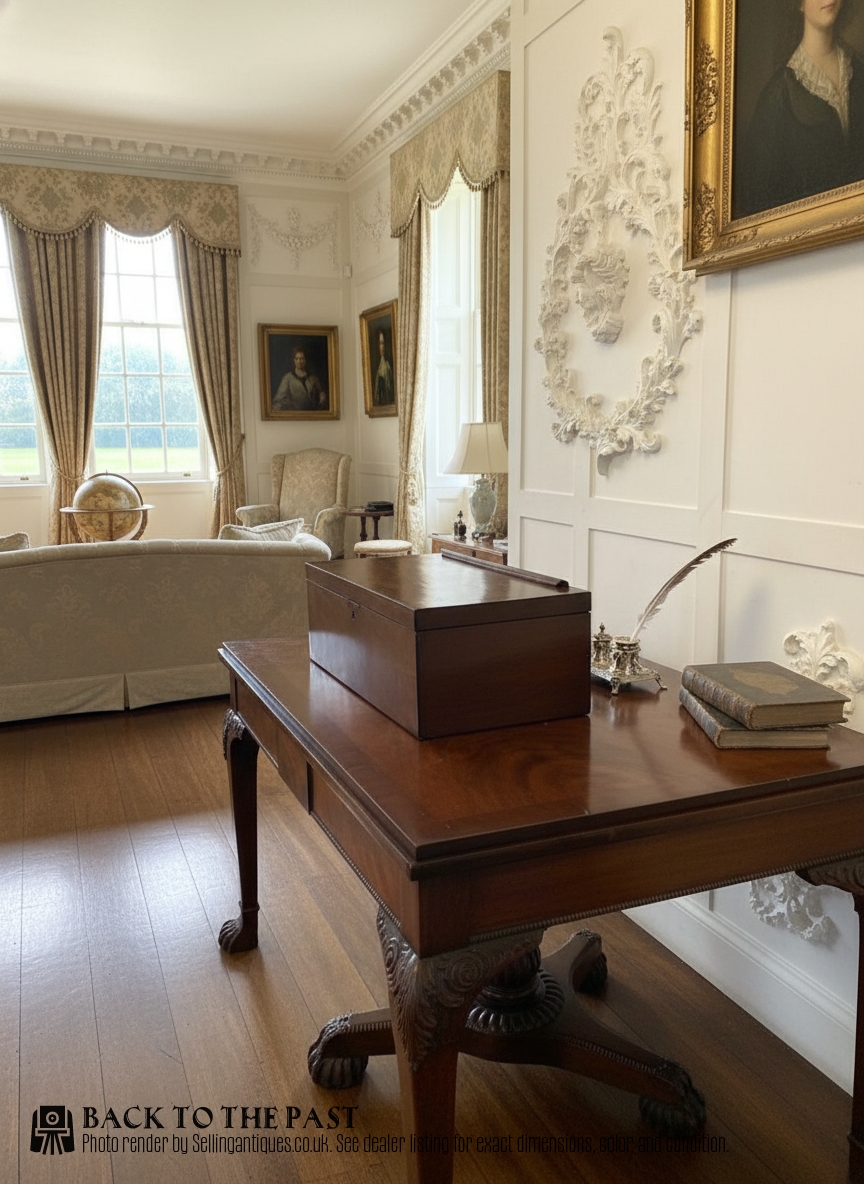
Brown Wooden Lap Desk
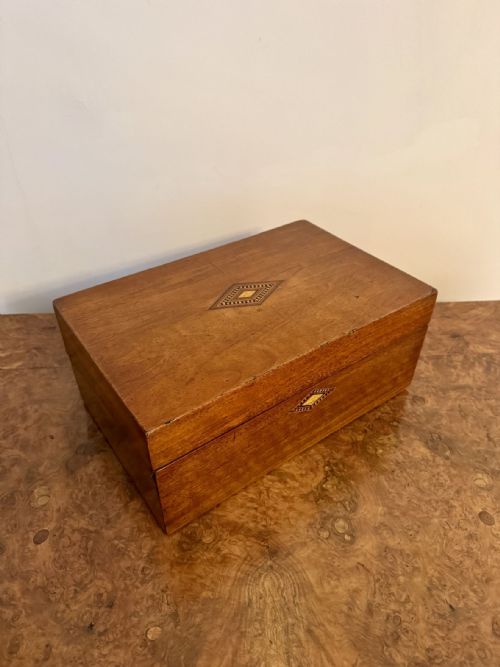
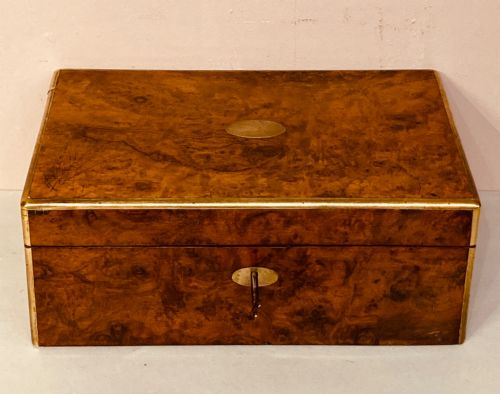
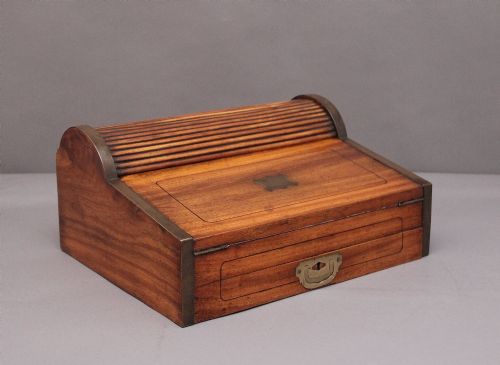
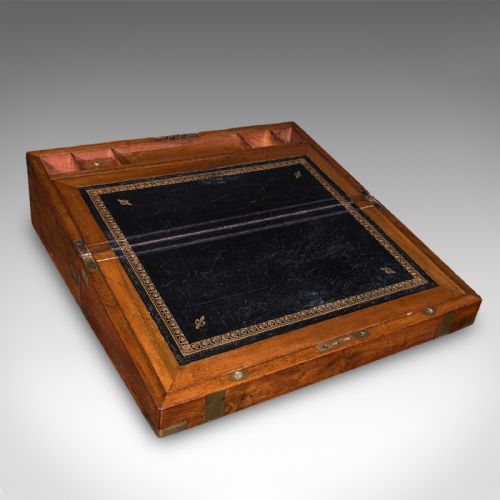
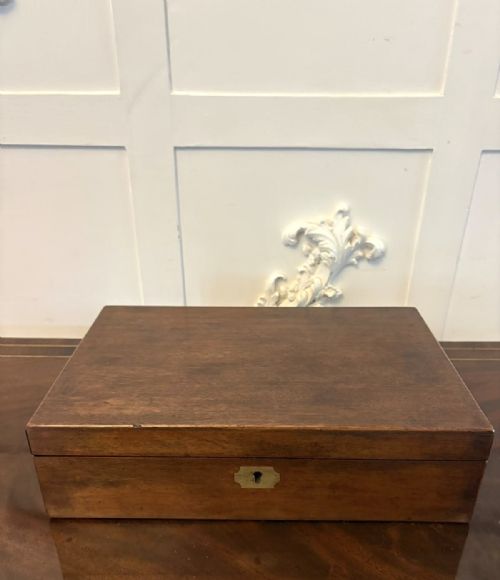
A brown wooden lap desk is a portable writing box designed for correspondence while travelling or at home. When you search for a brown wooden lap desk, you encounter pieces spanning the Georgian, Regency, and Victorian periods.
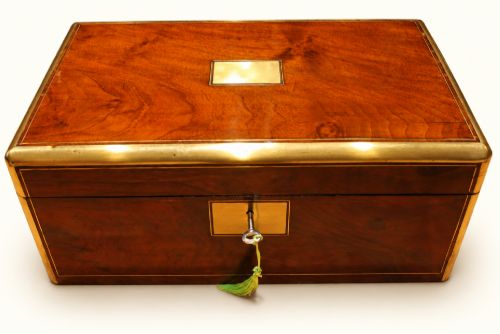
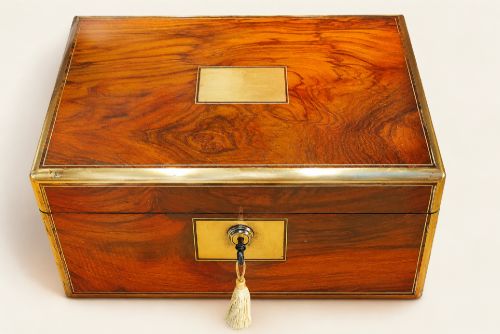
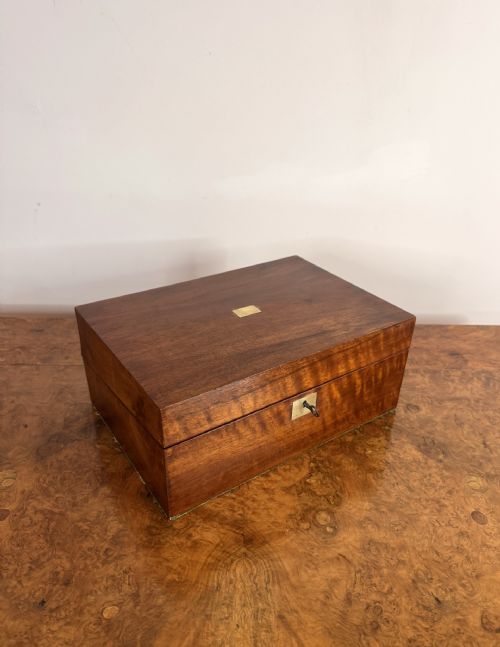
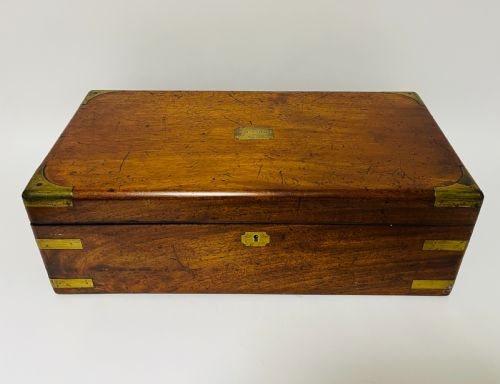
Mahogany and walnut predominate among the listings, often featuring brass binding for durability during transport. Many examples reflect campaign use by officers or overseas travellers.
Materials and construction
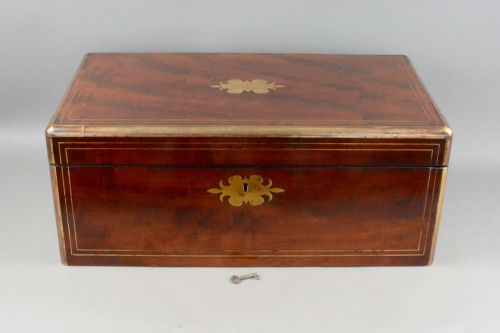
Cabinet makers utilised dense hardwoods such as mahogany, walnut, burr walnut, rosewood, and camphor wood to construct these durable writing boxes. Timber selection provided both structural strength and decorative grain patterns.
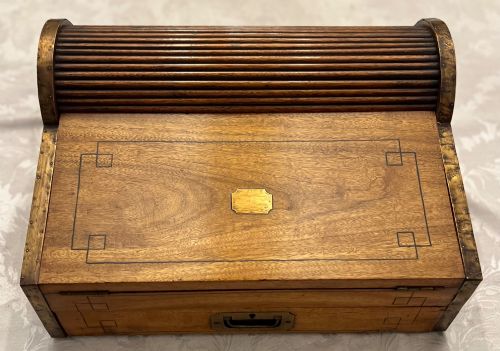
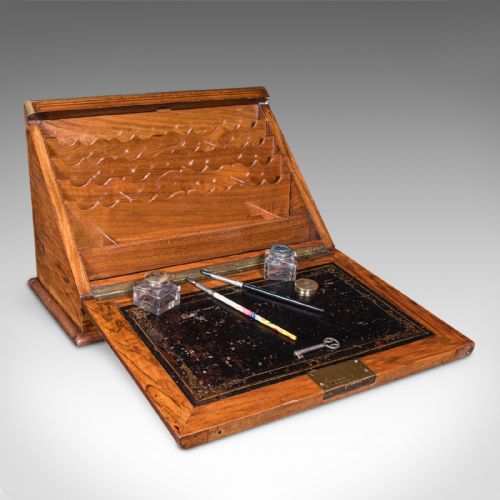
Many boxes incorporate brass corners, straps, and flush carrying handles to withstand regular travel. Interiors frequently include fitted compartments lined with leather for writing surfaces, alongside specialised housings for glass inkwells and secret drawers.
Brown Wooden Lap Desk Retail Price Guide 2026
Typical asking prices for brown wooden lap desk among the pieces listed under this phrase on Sellingantiques today, from the lower quarter to the upper quarter. They describe what is for sale here now, not the wider market.
Listings feature 19th Century, Victorian, Regency, and Georgian periods, utilising materials like brass, mahogany, walnut, burr walnut, leather, camphor wood, rosewood, and glass.
Assessing quality in writing slopes
Quality rests in the choice of timber veneer, such as highly figured burr walnut or select mahogany, and the precision of the cabinet work. Superior examples display seamless dovetail joints and well-integrated secret compartments.
Hardware details distinguish finer pieces, including maker-marked locks by firms like Bramah, substantial brass bound edges, and intact leather writing slopes. The sophistication of internal mechanisms and fitted stationery compartments also indicates higher craftsmanship.
Austin·Fisher
The Brown Wooden Lap Desk Glossary
- Writing slope
- A portable box with a hinged, slanted lid designed to provide an angled surface for writing letters. Interiors typically contain compartments for paper, pens, and ink.
- Campaign box
- A piece of furniture or a box constructed for military use or travel, often featuring recessed brass handles, reinforced corners, and robust hardwood construction.
- Bramah lock
- A patented high-security lock invented by Joseph Bramah in the late 18th century, commonly found on better quality period writing boxes and desks.
- Secret compartment
- A hidden drawer or concealed space within a writing slope accessed by removing specific partitions or sliding panels.
- Tunbridge ware
- Small wooden decorative items ornamented with tiny mosaic tesserae to form intricate geometric or pictorial patterns, seen on specific Victorian boxes.
Brown Wooden Lap Desk: Frequently Asked Questions
How do I use a lap desk today?
A brown wooden lap desk functions well as a portable writing station or a decorative storage box for modern stationery and correspondence. Placed on a table or desk, it provides an elevated, angled writing surface.
Opening the box reveals original compartments that accommodate modern pens, paper, and small notebooks while adding period character to a room.
How do I date a wooden lap desk?
Dating relies on timber choices, construction methods, and hardware styles across the Georgian, Regency, and Victorian eras. Earlier Georgian and Regency examples often feature plain mahogany or walnut with subtle brass stringing.
Victorian pieces frequently utilise burr walnut, elaborate marquetry, or heavier brass binding. Maker marks on locks and hinges also help establish precise periods.
Why do some lap desks have brass corners?
Brass corners and strapping reinforce the structural joints of boxes intended for travel and military campaigns. These metal mounts protect vulnerable wood edges from knocks during transport.
Over time, this functional military feature became a desirable decorative convention for domestic writing slopes.