

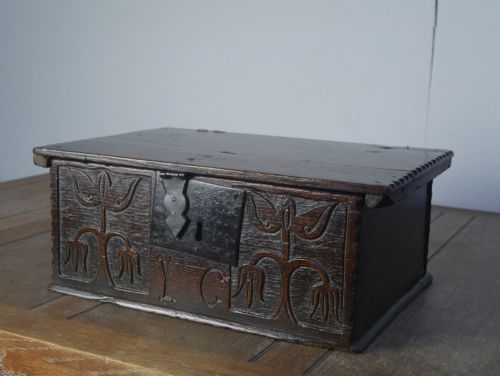


Carved Oak Trinket Box
A carved oak trinket box is a sturdy lidded container for small valuables, bringing centuries of regional craftsmanship and domestic utility into the modern room.
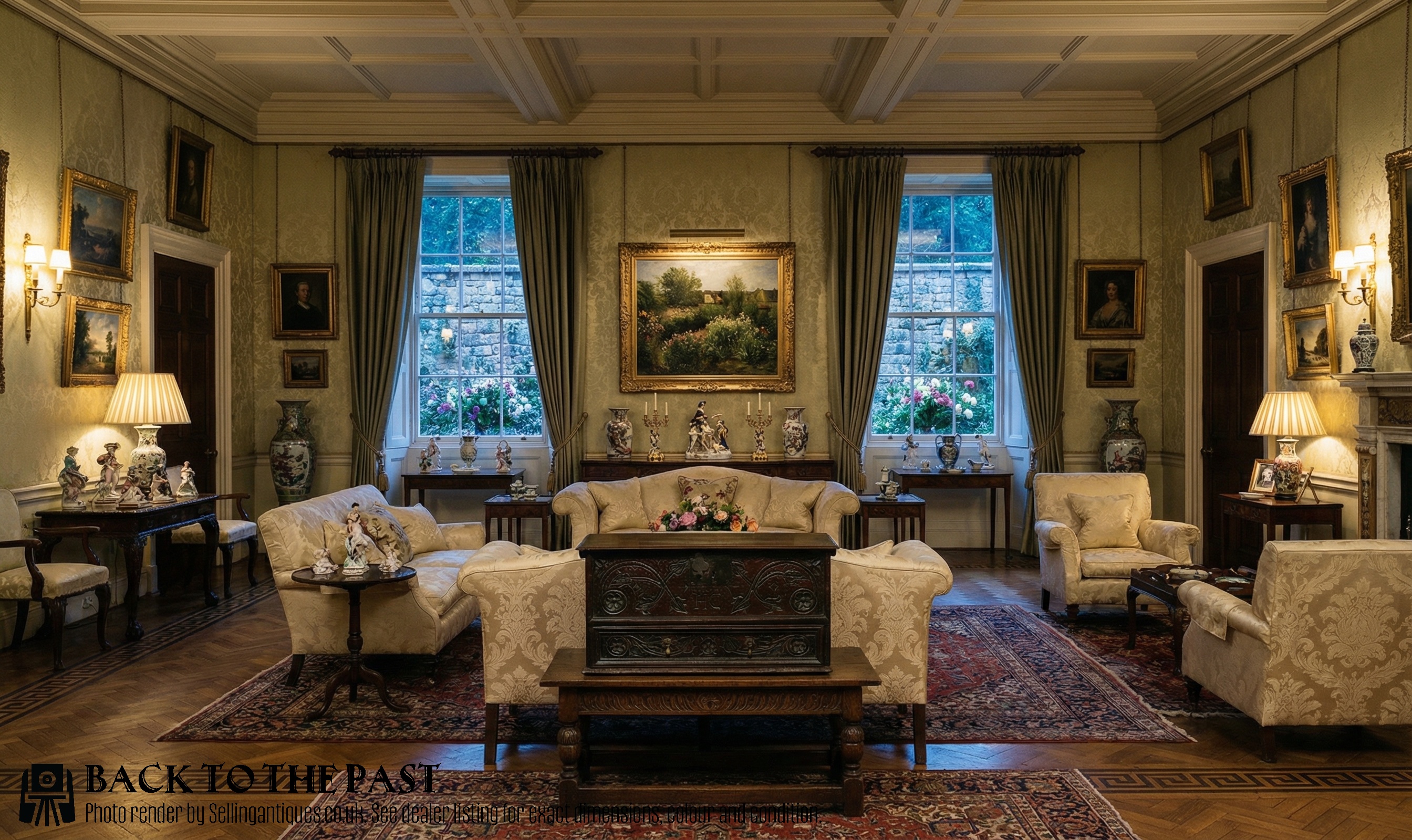
Carved Oak Trinket Box
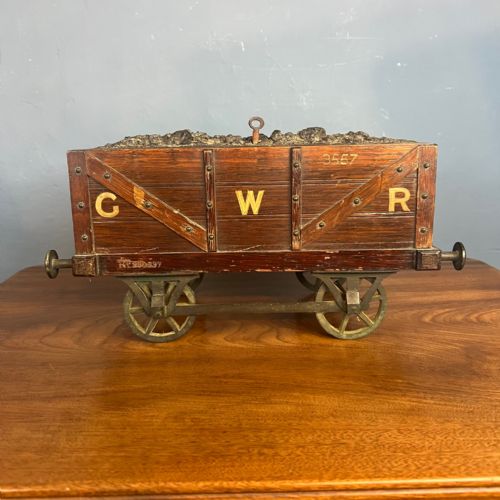
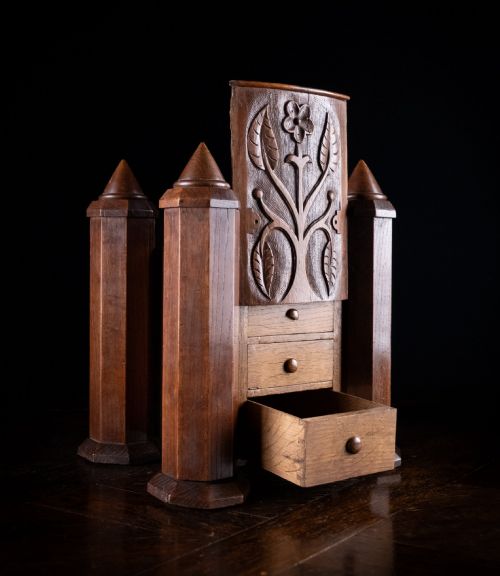
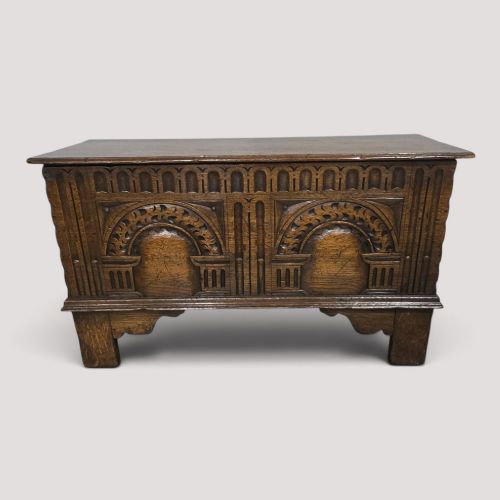
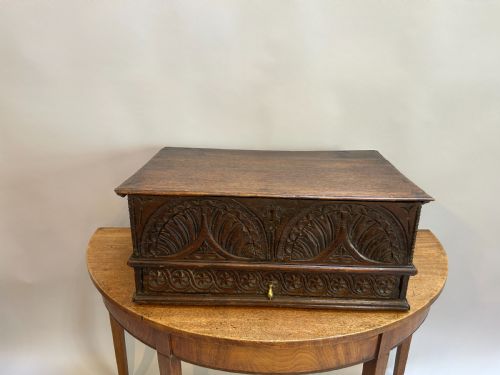
A carved oak trinket box spans compact storage forms including miniature coffers, bible boxes, desk containers and book-shaped receptacles. Pieces on this page trace lineages from the seventeenth century through the Georgian era, Edwardian period and into the early twentieth century.
Makers across different regions produced distinct local interpretations, ranging from Welsh folk art chip-carved examples and vernacular coffor bach designs to Anglo-Indian colonial items and Swedish lidded boxes. These smaller receptacles often mirrored the architectural or domestic furniture of their respective periods in miniature scale.
The functional variety matches the stylistic range, serving variously as correspondence boxes, secret safes, scales containers and snuff boxes. Buyers encounter both utilitarian campaign pieces bearing regimental arms and highly decorative folk items featuring heart inlays and intricate chip carving.
Evaluating Quality and Detail
The crispness and depth of the hand carving distinguish superior examples, where chip-carved geometric patterns or figurative details retain sharp edges and deliberate rhythm. Finer pieces demonstrate careful selection of timber grain, particularly where contrasting woods like holly or bog oak form intricate inlay work.
Structural integrity of the joints and the preservation of original hinges, locks and interior compartments elevate an item's standing. Finer vernacular boxes maintain their original patination and uncompromised wooden surfaces without heavy modern restoration.
Carved Oak Trinket Box Retail Price Guide 2026
Typical asking prices for carved oak trinket box among the pieces listed under this phrase on Sellingantiques today, from the lower quarter to the upper quarter. They describe what is for sale here now, not the wider market.
Current listings feature oak boxes spanning the seventeenth century, Georgian period, Edwardian era, and the year 1920.
The Carved Oak Trinket Box Glossary
- Coffor Bach
- A miniature Welsh coffer or chest used traditionally for storing valuables or as a bridal gift. These small lidded chests often feature drawers beneath the main compartment and display local chip-carving traditions.
- Chip Carving
- A primitive yet precise relief-carving technique where small chips are removed from a wooden surface with knives or chisels to create geometric patterns. This method appears frequently on regional seventeenth-century and Georgian folk boxes.
- Bible Box
- A desk box or lidded receptacle originally designed to hold a family bible and writing materials. These sturdy oak pieces usually feature sloping or flat hinged lids and date predominantly to the seventeenth and eighteenth centuries.
- Inlay
- A decorative technique where pieces of contrasting materials such as bog oak, fruitwood or brass are inserted into recessed cavities in the oak surface. This method creates decorative borders, hearts or geometric motifs.
- Vernacular
- Architecture or craftsmanship created from local traditions and materials rather than formal academic styles. Welsh folk art boxes exemplify this regional approach to design and construction.
Carved Oak Trinket Box: Frequently Asked Questions
What were carved oak trinket boxes used for?
These small lidded containers served multiple domestic purposes, from holding family bibles and personal letters to securing coins, trinkets and tobacco snuff. Desk boxes provided a portable writing surface and storage for documents.
More specialised examples housed weighing scales or served as secret book-shaped receptacles for confidential items. Their sturdy construction ensured valuable personal possessions remained protected in the home or during travel.
How do I date an antique oak box?
Dating relies on examining the construction techniques, hardware, joinery methods and decorative styles present on the piece. Seventeenth-century examples often display simpler board construction and chip carving, while Georgian and later items incorporate refined mouldings and varied timber inlays.
Regional characteristics, such as Welsh vernacular traits or specific colonial styles, also provide strong chronological markers. Comparing the hinge types and interior layout against established historical periods helps narrow the date of manufacture.
How should I care for an antique oak box?
Preserve the wood by keeping the box away from direct sunlight, radiators and sudden changes in humidity that can cause the oak to split. Dust the surfaces gently with a dry, soft cloth and avoid applying modern liquid polishes or silicone sprays.
Allowing the wood to retain its natural patina ensures the historic finish remains undisturbed. Period brass or iron fittings require only light dusting without abrasive cleaning agents.