
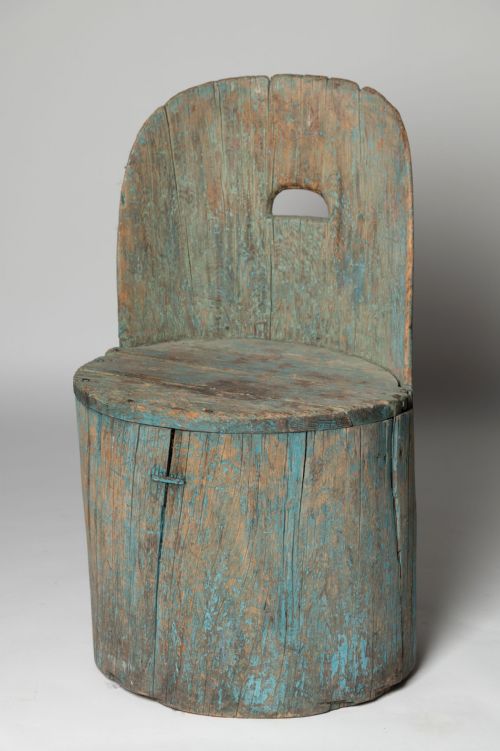


Scandinavian Folk Art Trunk
These pieces of scandinavian folk art trunk are heavy pine marriage chests and painted coffers that bring authentic nineteenth century rustic character into a modern interior.
What They Are
When you search for a scandinavian folk art trunk, you find nineteenth century storage chests, coffers, and blanket boxes originating from Sweden. These pieces were built for practical household storage and significant family events like marriages.
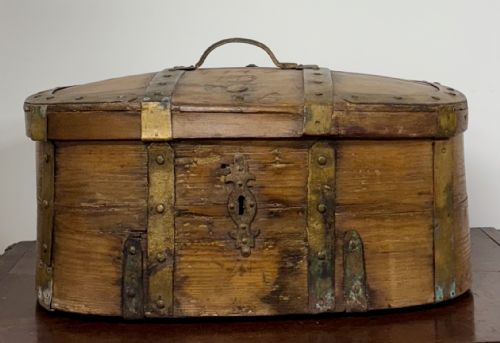
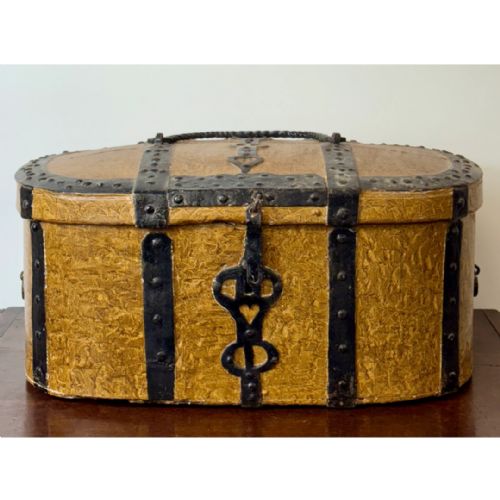
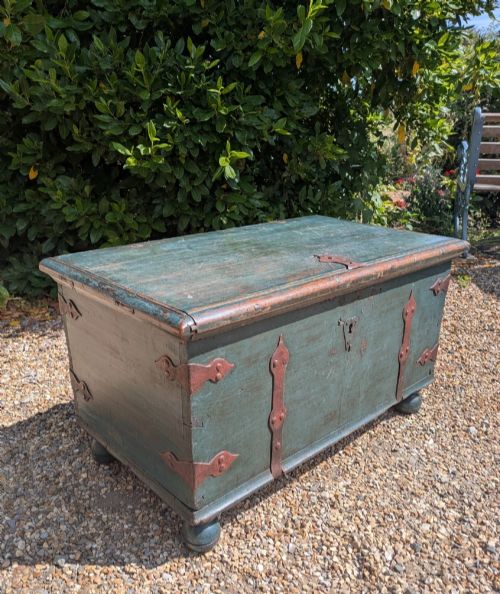
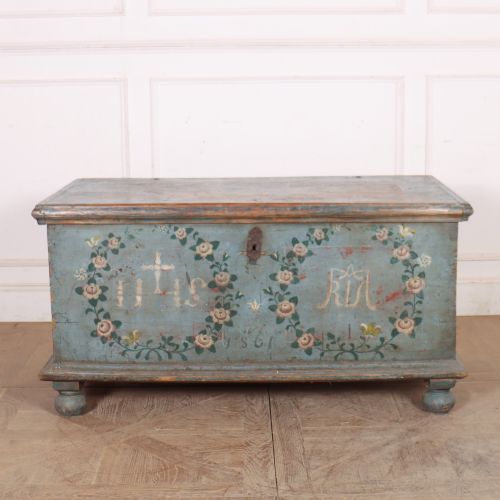
The versions you meet on this page are predominantly mid nineteenth century examples, specifically dated to eighteen sixty or broadly placed in the nineteenth century. They take the form of dome top coffers and flat topped marriage chests.
Makers constructed these storage pieces within the Scandinavian country and Scandinavian folk art traditions. They served as essential household furniture before evolving into decorative collectors' items.
How They Were Made
Craftsmen built these trunks from solid pine timber, utilising sturdy construction methods suitable for heavy domestic use. Wrought iron hardware, including hinges and brackets, reinforced the pine structures.
Surfaces received decorative treatments using pigment paint and hand painted designs. These painted finishes define the folk art aesthetic recorded across the listings.
Retail Price Guide 2026
Typical UK retail prices for scandinavian folk art trunk, calculated from the Sellingantiques database of over a million retail prices indexed since 2003. This retail price guide relies exclusively on Sellingantiques data; no external sources or auction records are used, so the figures do not describe the wider market.
Every listed piece utilises solid pine as the primary material, decorated with hand applied pigment paint in the nineteenth century.
What Varies in Quality
The distinction between standard storage boxes and superior pieces lies in the complexity and preservation of the hand painted decoration. Elaborate pigment work on Swedish marriage chests elevates the visual presence of the object.
Proportion and form also separate the ordinary from the exceptional, particularly in the sweep of a dome top coffer versus a simple box. Original wrought iron fittings intact on the pine body contribute to a higher tier of craftsmanship.
The Scandinavian Folk Art Trunk Glossary
- Marriage chest
- A large storage box traditionally commissioned for a wedding to hold the bride's dowry. These pieces frequently feature specific dates or initials alongside decorative painting.
- Coffer
- A heavy wooden box with a lid, used historically for storing valuables and textiles. In Scandinavian folk art, coffers often feature dome tops.
- Pigment paint
- Coloured powder mixed with a binder to create traditional matte finishes on wooden furniture. This material gives folk art pieces their characteristic chalky surface.
- Wrought iron
- Iron beaten into shape by hand by a blacksmith to create functional hardware. This material appears on trunks as strap hinges, locks, and corner braces.
Frequently Asked Questions
What is a scandinavian folk art trunk?
A scandinavian folk art trunk is a nineteenth century painted pine storage chest or marriage coffer from Sweden. These pieces combine utilitarian design with traditional decorative painting.
They were originally used in rural homes to store textiles, garments, and valuables. Today, collectors value them for their historical painted surfaces and rustic form.
How were these painted chests used?
These chests served primarily as household storage for blankets, clothing, and dowry items in nineteenth century Sweden. Their sturdy construction allowed them to double as seating or tables within the home.
Marriage chests held the important possessions of a newly wedded couple. They occupied a central place in the domestic interior.
How do I date a painted pine chest?
Dating relies on construction methods, hardware styles, and the characteristics of the pigment paint. Pieces from the mid nineteenth century often display specific stylistic markers and regional painting techniques.
Some marriage chests include painted dates directly on the exterior. Comparing the timber joints and ironwork helps confirm the nineteenth century period.
How do I care for antique pine furniture?
Care involves keeping the wooden chest away from direct heat sources and dramatic humidity fluctuations. This protects the nineteenth century pine and prevents the painted surface from drying out.
Maintenance should focus on gentle dusting rather than harsh chemical cleaning. Preserving the original pigment paint is essential for maintaining the character of the folk art.