
Inlaid Wood Box
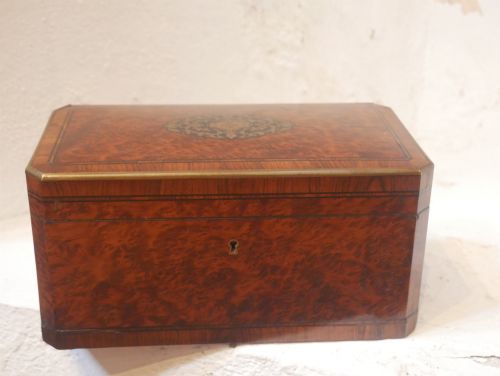
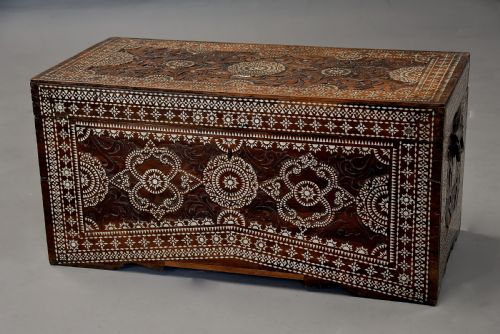
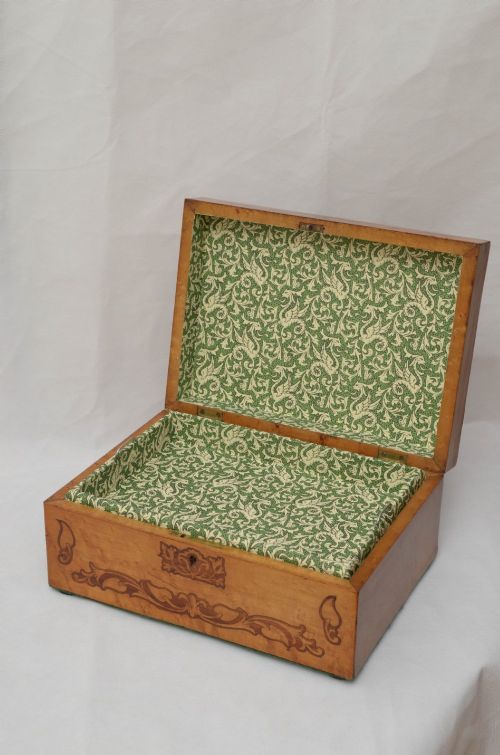
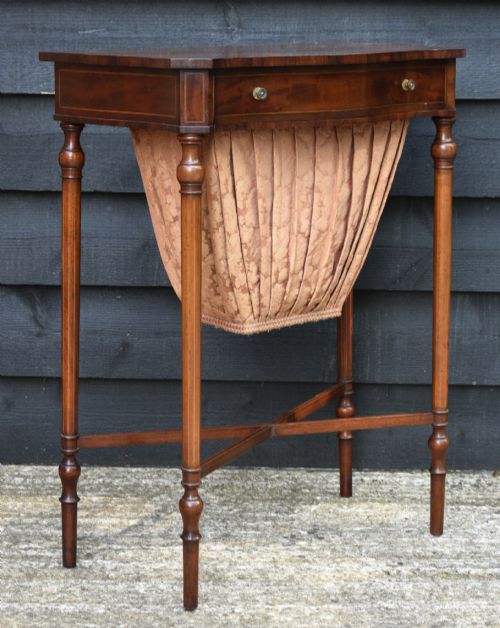
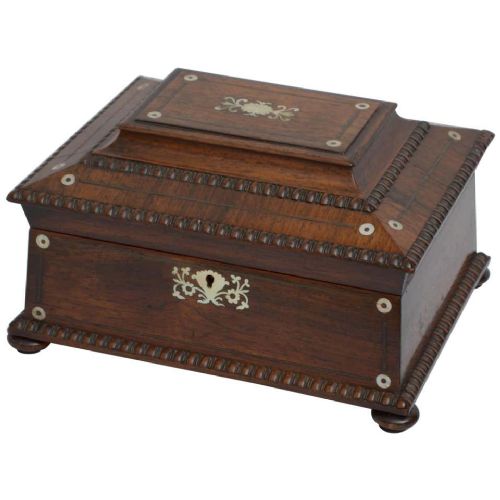
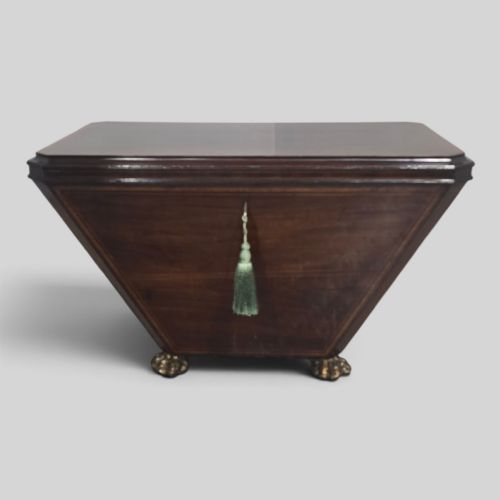
An inlaid wood box holds small treasures or correspondence, bringing patterned grain and contrasting stringing into domestic spaces from the Georgian period onward.
Inlaid Wood Box
The phrase inlaid wood box encompasses a diverse range of receptacles designed for personal storage, writing, and sewing across the eighteenth, nineteenth, and early twentieth centuries.
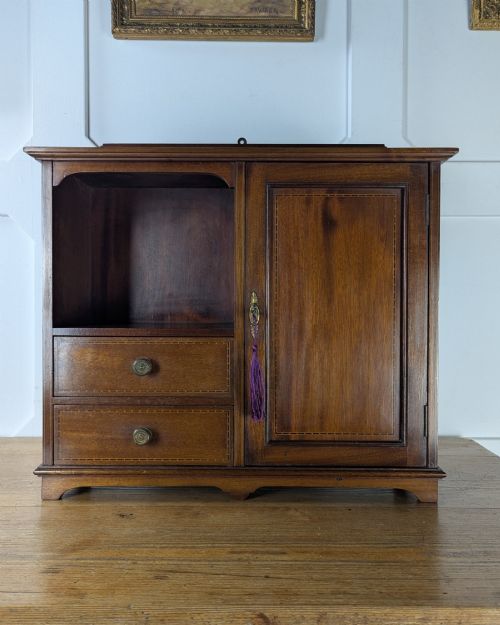
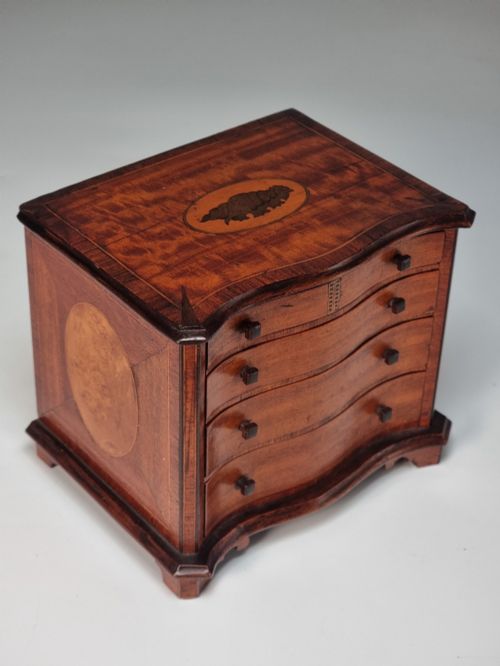
Tea caddies, jewellery cases, and writing slopes dominate the selection, alongside larger pieces such as correspondence boxes and table cabinets originating from British, European, and Middle Eastern workshops.
Makers utilised dense hardwoods to protect fragile contents, producing portable caskets alongside stationary boxes intended for desks and dressing tables.
Materials and Technique
Craftsmen built carcass structures in mahogany, rosewood, walnut, and satinwood, applying contrasting veneers and solid timber panels.
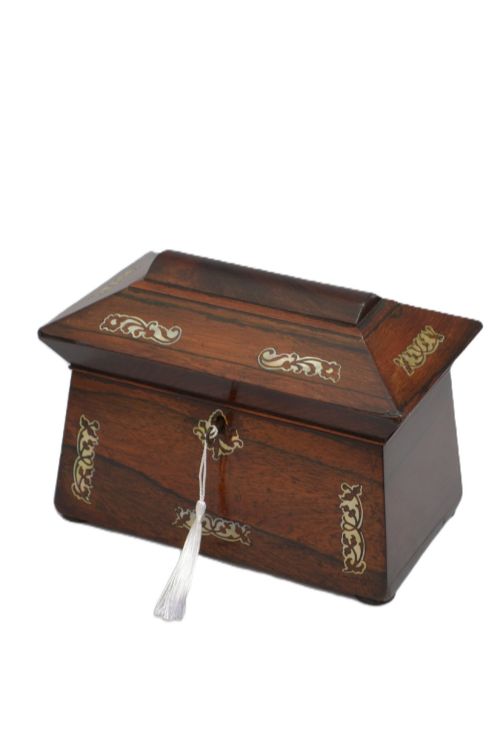
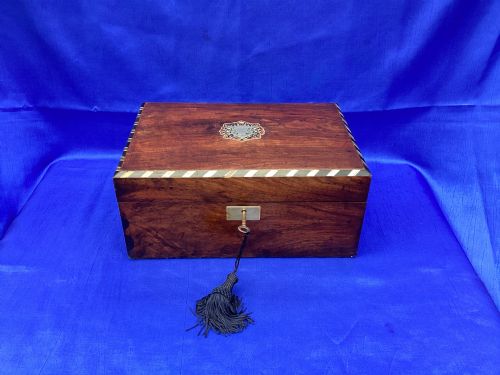
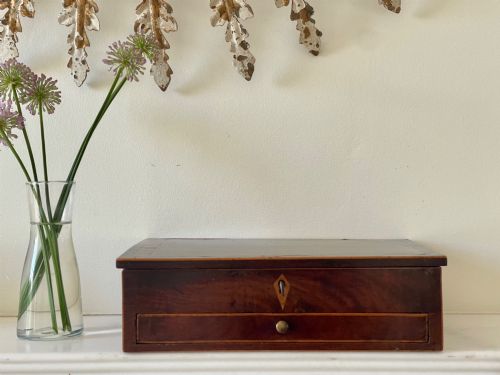
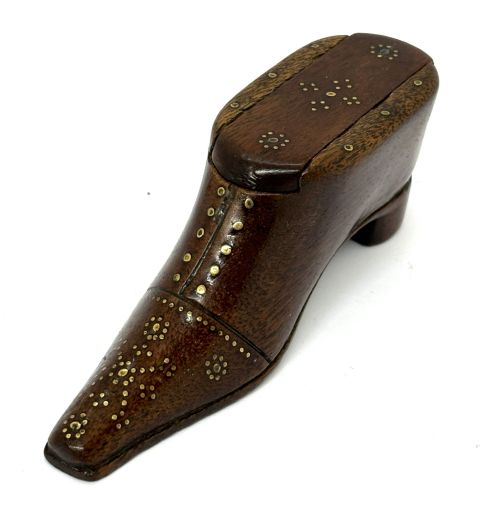
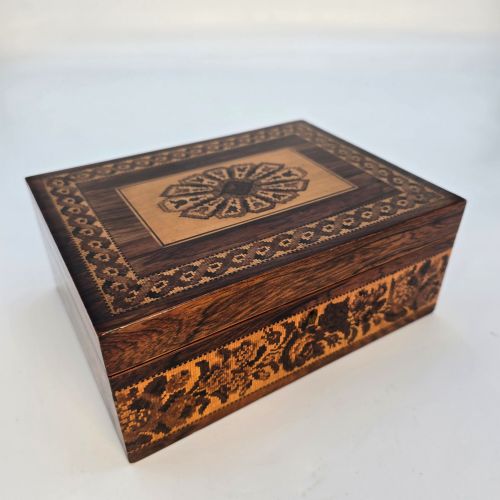
Decoration relied on precise insertion of boxwood, ebony, bone, brass, and mother-of-pearl into recessed channels to create geometric stringing or floral motifs.
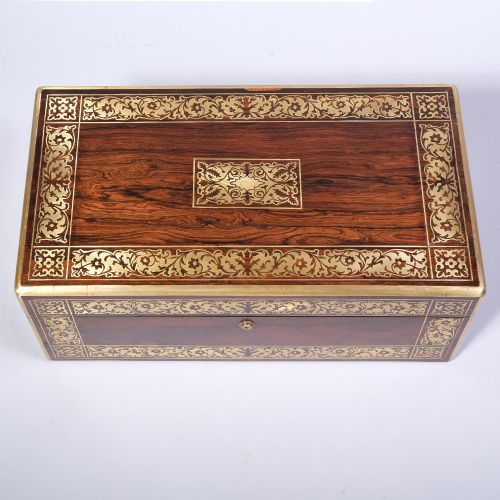
Tunbridge ware examples employed thousands of tiny dyed wood blocks assembled into mosaic pictures, while brass inlay utilised thin strips bedded directly into the wood grain.
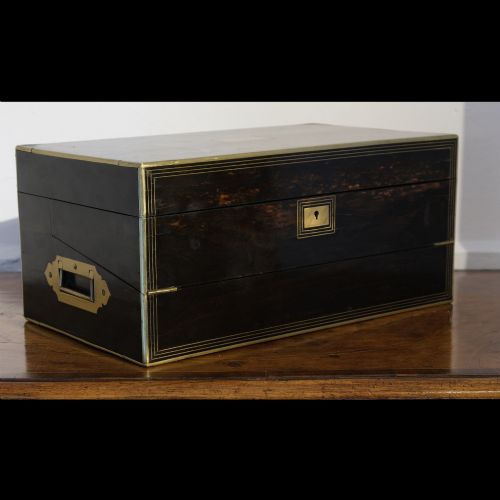
Listings feature exotic timbers including rosewood, satinwood, and coromandel alongside domestic mahogany and walnut.
Standard and Execution
Quality rests on the precision of the joinery and the snugness of the fit between contrasting materials in the inlaid patterns.
Superior examples retain original fitted interiors, working locks with keys, and unwarped lids that align correctly with the box base.
The choice of dense primary timbers and finely figured veneers distinguishes standard production items from masterworks produced by documented cabinet-makers.
Edwards and Roberts·Edmund Nye·Henry Hollamby·Holtzapffel and Co·James Shoolbred and Co
The Inlaid Wood Box Glossary
- Inlay
- The technique of inserting pieces of contrasting material into a depressed wooden matrix to form a decorative design.
- Marquetry
- Elaborate veneer work forming pictorial or decorative patterns using various woods, shells, or metals.
- Crossbanding
- A border band of veneer laid around the edges of a panel with the grain running perpendicular to the centre.
- Stringing
- Thin lines of contrasting wood or metal inlaid into straight channels to outline panels and drawers.
- Tunbridge Ware
- Woodware decorated with mosaic patterns made from tiny segments of naturally coloured timbers.
- Sarcophagus
- A box form with a sloping lid profile resembling an ancient stone coffin, common in Regency tea caddies.
Inlaid Wood Box: Frequently Asked Questions
What were inlaid wood boxes used for?
These receptacles served specific domestic tasks, holding loose tea leaves, personal correspondence, sewing implements, or valuable jewellery. Wealthy households relied on them to keep delicate items secure and organised in private rooms.
Over time, many adapted to general desktop storage as fashion changed, though their internal compartments often retain evidence of their original purpose.
How do I date an antique wooden box?
Dating relies on observing the primary timber choice, construction joints, and the style of the inlay work. Regency examples frequently feature brass inlay on rosewood, whereas Georgian pieces favour mahogany with boxwood stringing.
Interior fittings, paper linings, and lock mechanisms also provide key indicators of the decade of manufacture.
Are original keys common with these boxes?
Original working keys are scarce because small keys were easily lost over generations of domestic use. Many boxes survive with locks intact but lack the mechanism to secure them.
Replacement keys can sometimes be fitted by specialists, though collectors generally prize pieces retaining their original hardware.
How should I care for antique rosewood?
Rosewood requires stable humidity and protection from direct sunlight to prevent the natural oils from drying out and causing the wood to split. Gentle dusting with a dry cloth maintains the surface sheen.
Avoid liquid polishes and wax buildups, which can darken delicate inlay work and damage old veneer finishes.