


Floral Marquetry Chest
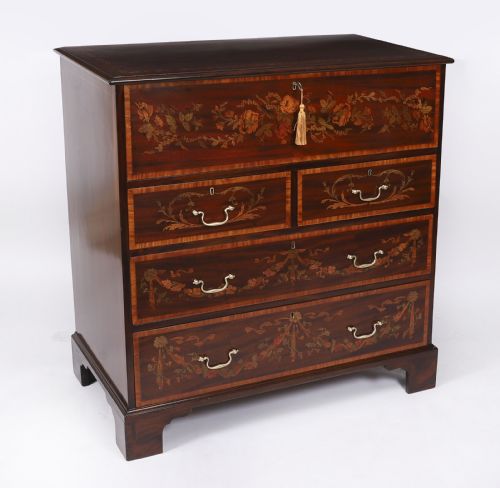
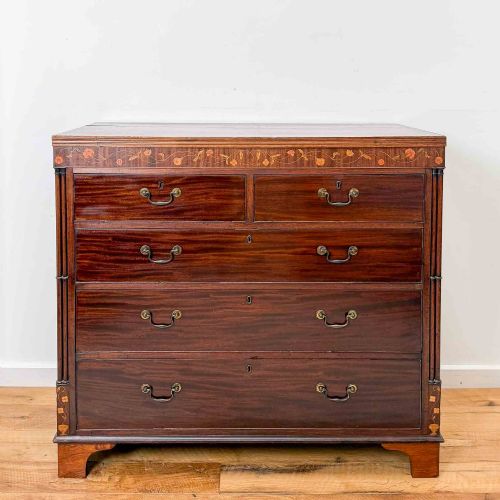
A floral marquetry chest brings botanical imagery straight into the room through precise wood inlay.
What these chests are
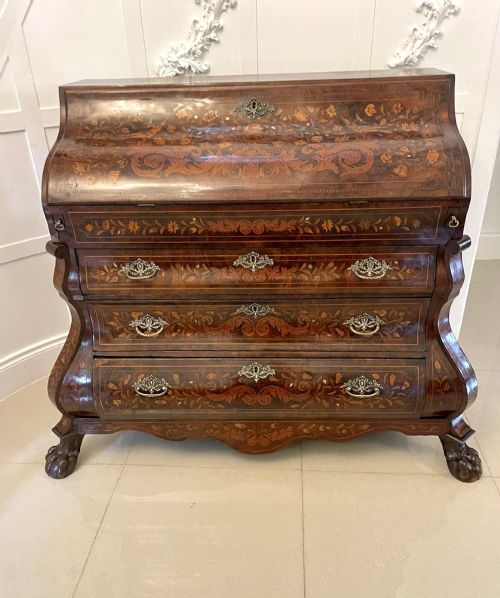
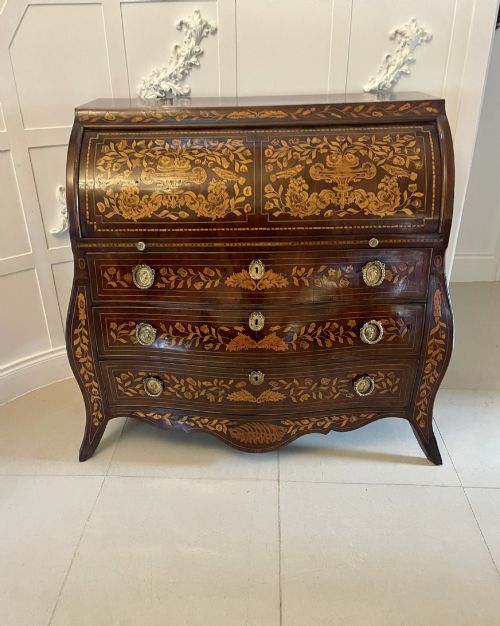
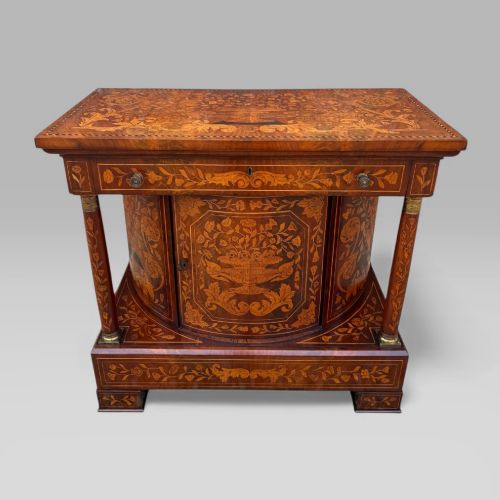
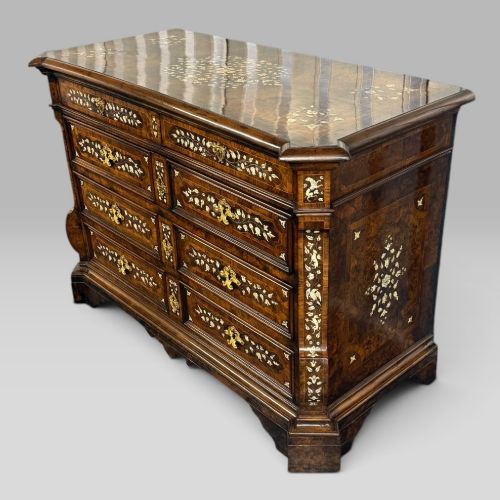
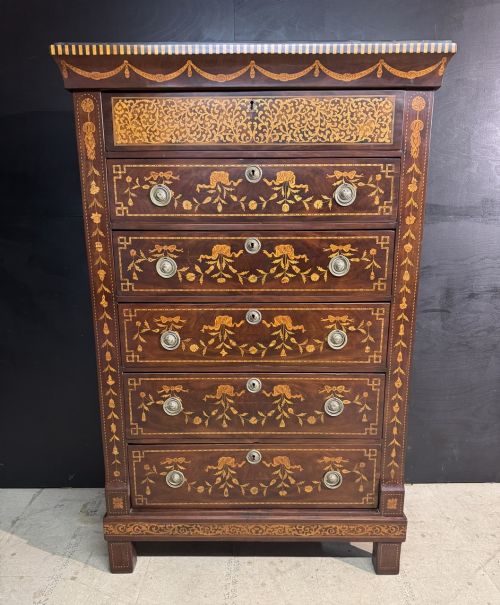
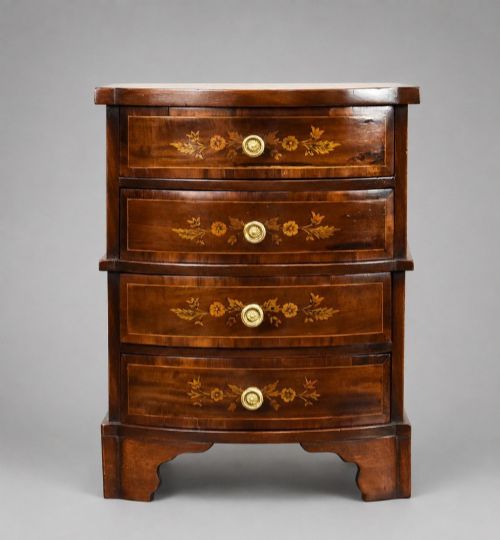
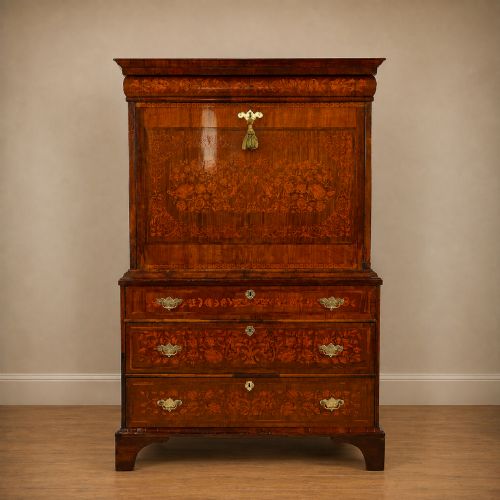
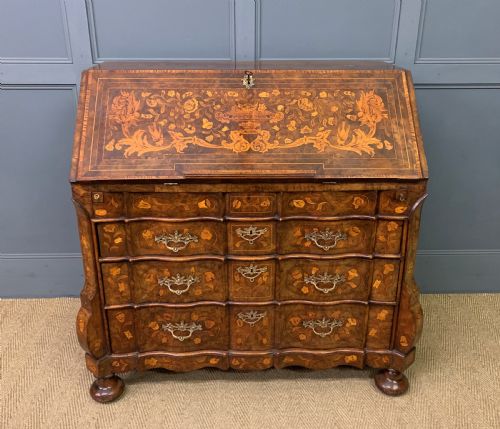
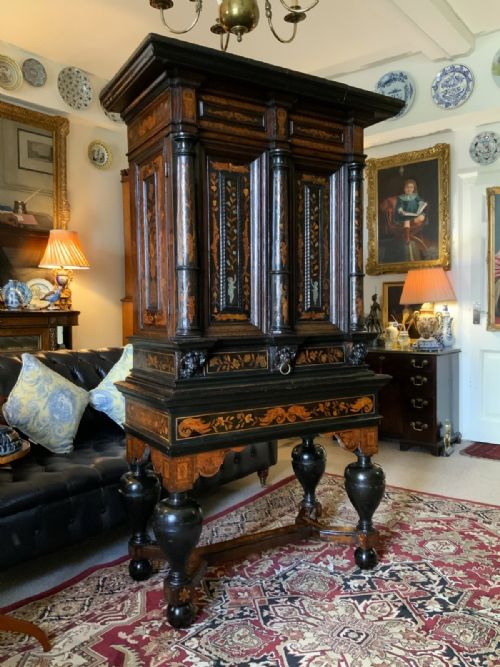
A floral marquetry chest is a storage piece decorated with detailed wood inlay depicting botanical patterns. These forms emerge across the seventeenth, eighteenth, and nineteenth centuries, spanning Georgian, Victorian, Regency, and continental styles.
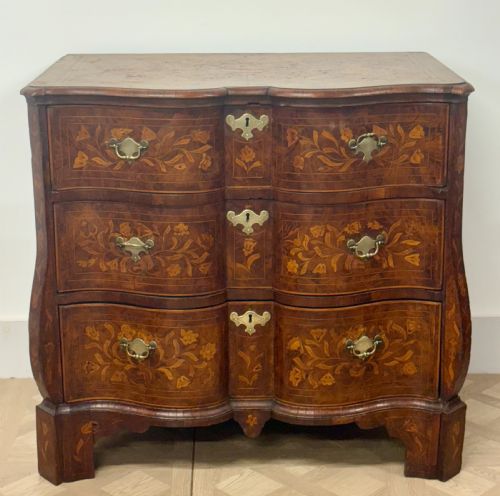
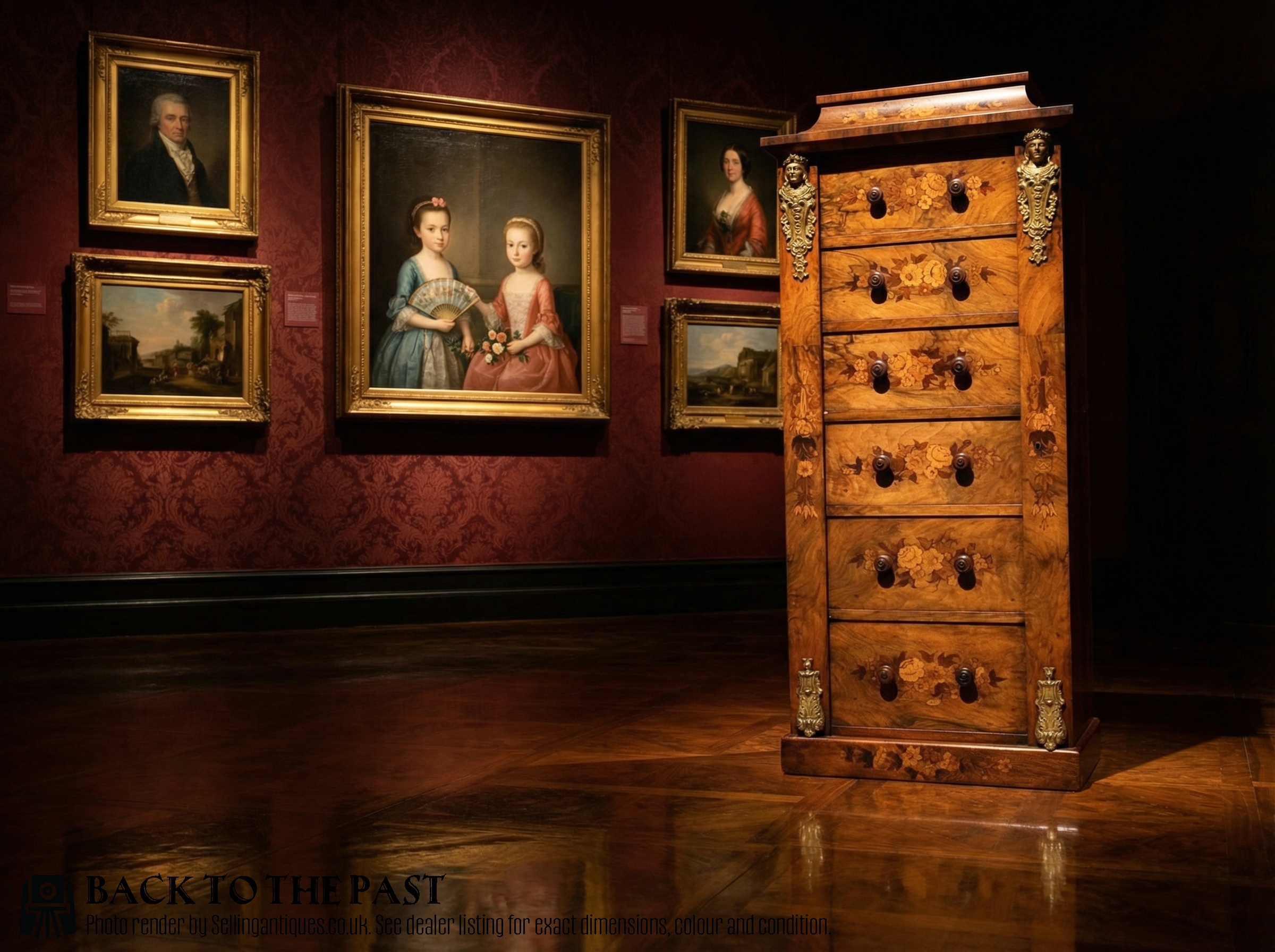
Buyers frequently encounter commodes, Wellington chests, and bombé fronts alongside traditional chests of drawers and boxes. Walnut, kingwood, mahogany, and teak serve as the primary foundational timbers for these decorated surfaces.
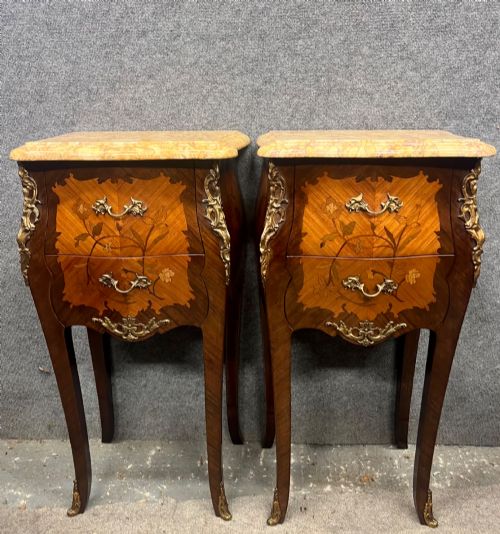
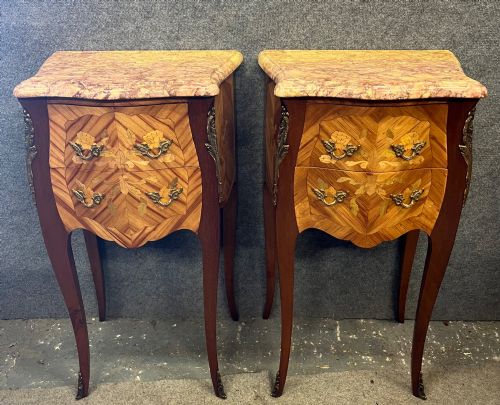
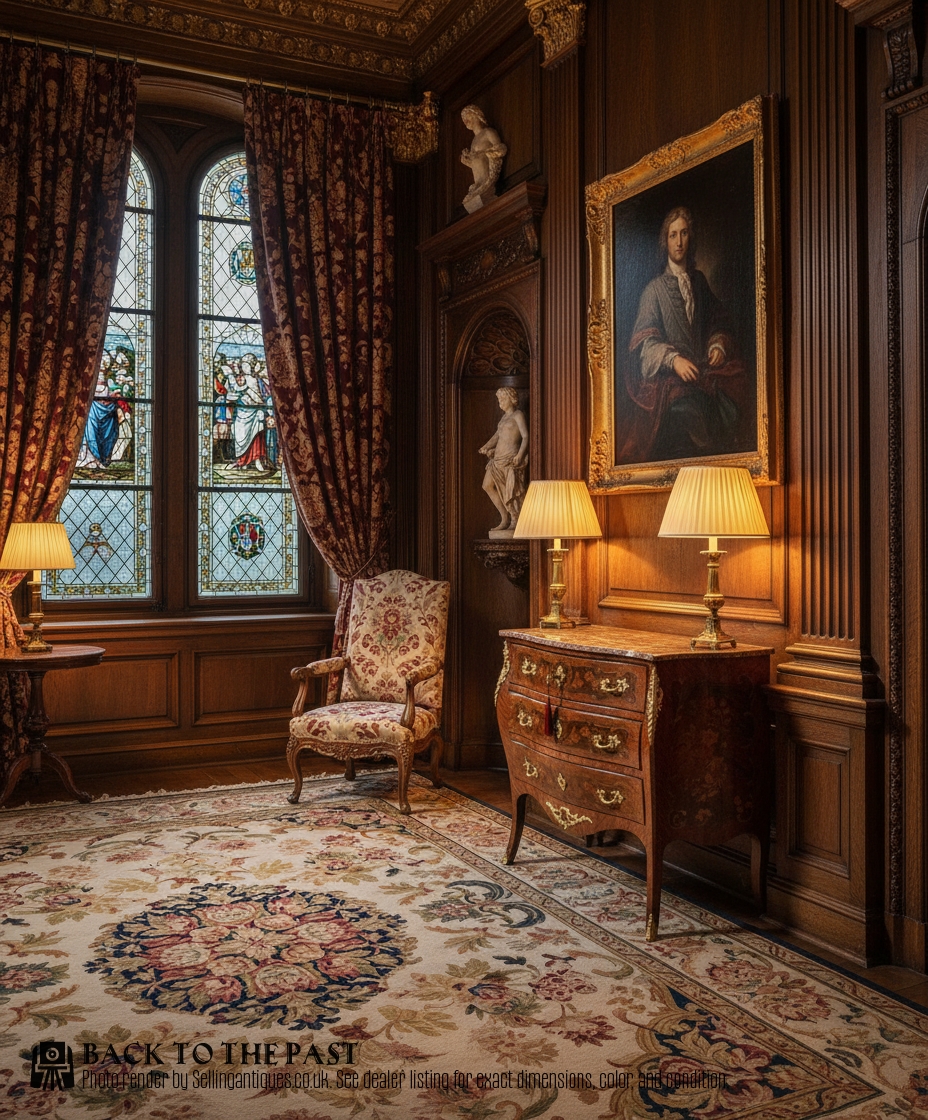
Continental pieces often display French Louis XV revival or German baroque characteristics, including marble tops and ormolu mounts. English interpretations tend to favour rectilinear drawer configurations set with subtle floral inlay details.
Materials and construction
Craftsmen construct these carcasses from hardwoods such as mahogany, walnut, kingwood, and teak, providing a stable foundation for decorative veneers. Marble tops appear on specific continental commodes, adding weight and a cool tactile surface.
Marquetry relies on fine wood inlay techniques, combining fruitwood and assorted timber veneers to build up naturalistic floral motifs. Brass and ormolu hardware frequently accentuates the cabinetry, securing corners and framing drawers.
Retail Price Guide 2026
Typical UK retail prices for floral marquetry chest, calculated from the Sellingantiques database of over a million retail prices indexed since 2003. This retail price guide relies exclusively on Sellingantiques data; no external sources or auction records are used, so the figures do not describe the wider market.
Some seventeenth-century chests doubled as heavily reinforced coffre forts, keeping botanical beauty under lock and key.
Distinctions in quality
Quality rests upon the precision of the wood inlay and the complexity of the carcass shape, where bombé curves demand advanced joinery. The variety and tonal range of fruitwoods used within the floral marquetry determine the visual depth of the botanical design.
The integration of secondary materials like marble tops and chased ormolu mounts elevates certain commodes and coffre forts above standard drawer configurations. Superior execution shows seamless alignment between the marquetry patterns and the structural contours of the chest.
The Floral Marquetry Chest Glossary
- Marquetry
- A technique where small pieces of veneer are fitted together to form decorative pictures and patterns on a wooden surface. This method creates the signature floral designs found across these chests.
- Commode
- A low chest of drawers, often highly decorative and associated with French cabinet making. These pieces frequently feature marble tops and bombé profiles.
- Bombé
- A swelling or bulging contour applied to the front and sides of a cabinet or chest. This curved form requires expert woodworking to ensure the marquetry follows the sweeping lines.
- Ormolu
- Gilded bronze mounts and decorative trimmings applied to furniture. It provides metallic contrast against the polished walnut and kingwood veneers.
- Wellington chest
- A tall, narrow chest of drawers secured by a hinged locking side stile. Examples in walnut incorporate floral marquetry details.
Frequently Asked Questions
What is a floral marquetry chest?
A floral marquetry chest is a storage furniture piece featuring decorative wood inlay depicting botanical patterns and flowers.
These items range from English mahogany drawers to continental walnut commodes and bombé chests.
How do I identify periods?
Periods are identified through structural silhouettes, timber choices, and decorative motifs associated with specific centuries.
Seventeenth-century pieces include heavy coffre forts, while nineteenth-century items often show French Louis revival influences.
Where were these chests used?
These pieces served as functional storage furniture in principal rooms, combining utility with artistic display.
Their decorative floral surfaces made them suitable for reception spaces and bedrooms alike.
What woods are used?
Construction relies on a variety of primary timbers including walnut, mahogany, kingwood, and teak.
Fruitwoods and contrasting veneers are specifically selected to form the intricate floral marquetry details.