

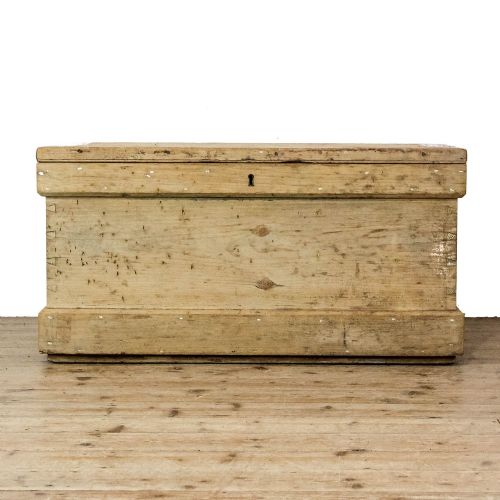
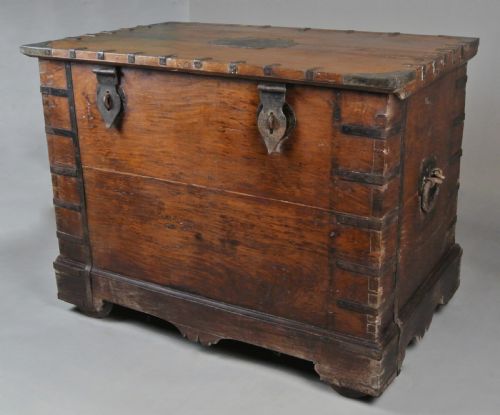
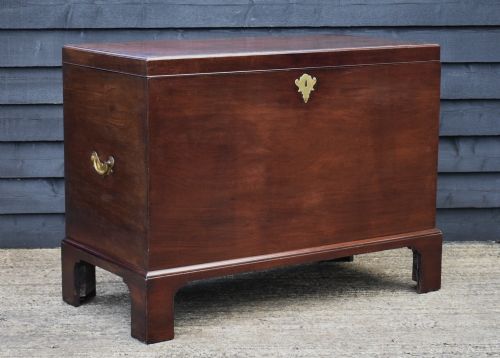
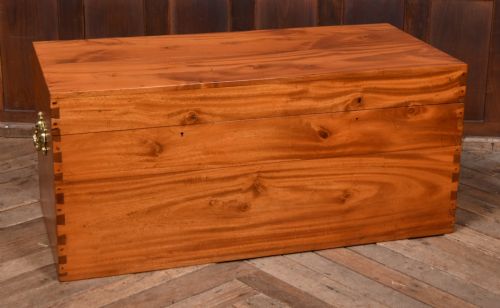
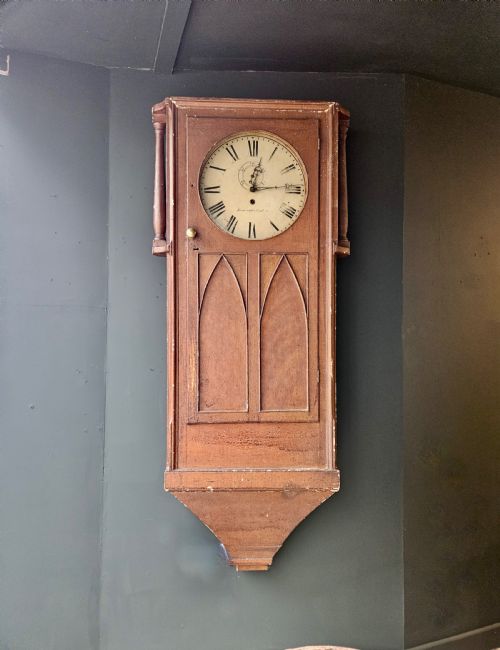
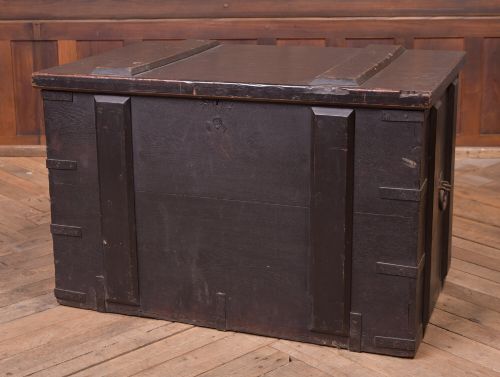
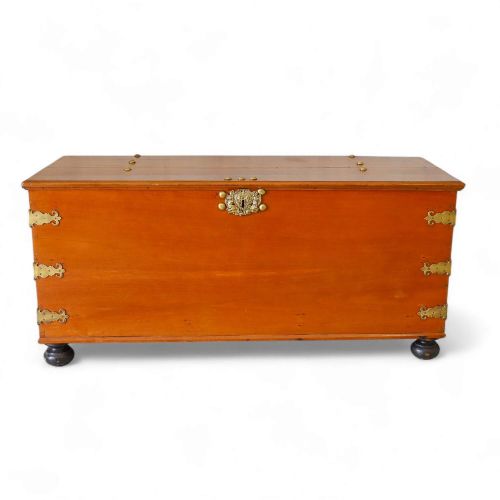
Large Wooden Trunk
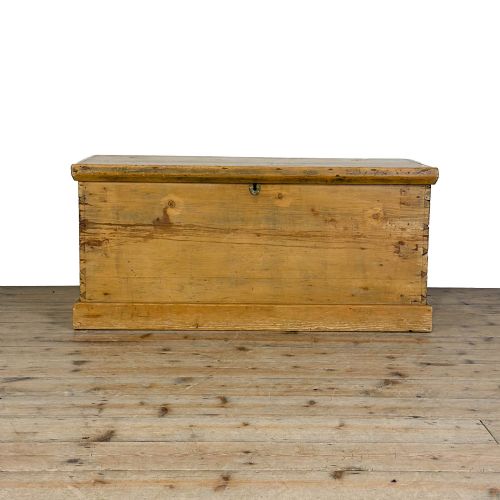
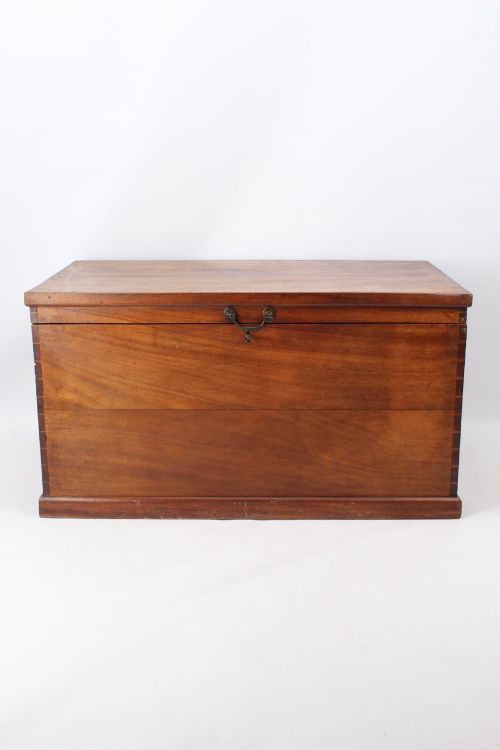
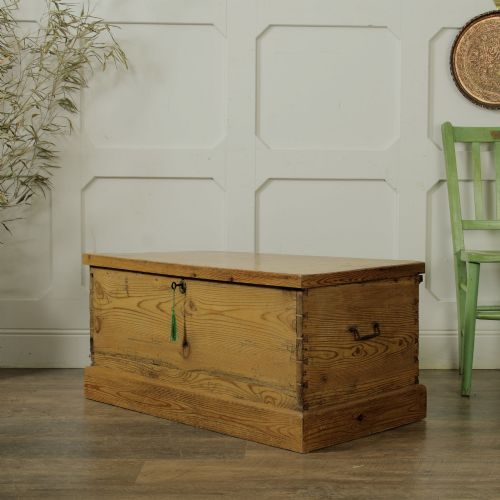
A large wooden trunk delivers robust storage with centuries of practical character, bringing substantial timber and honest craftsmanship directly into a modern room.
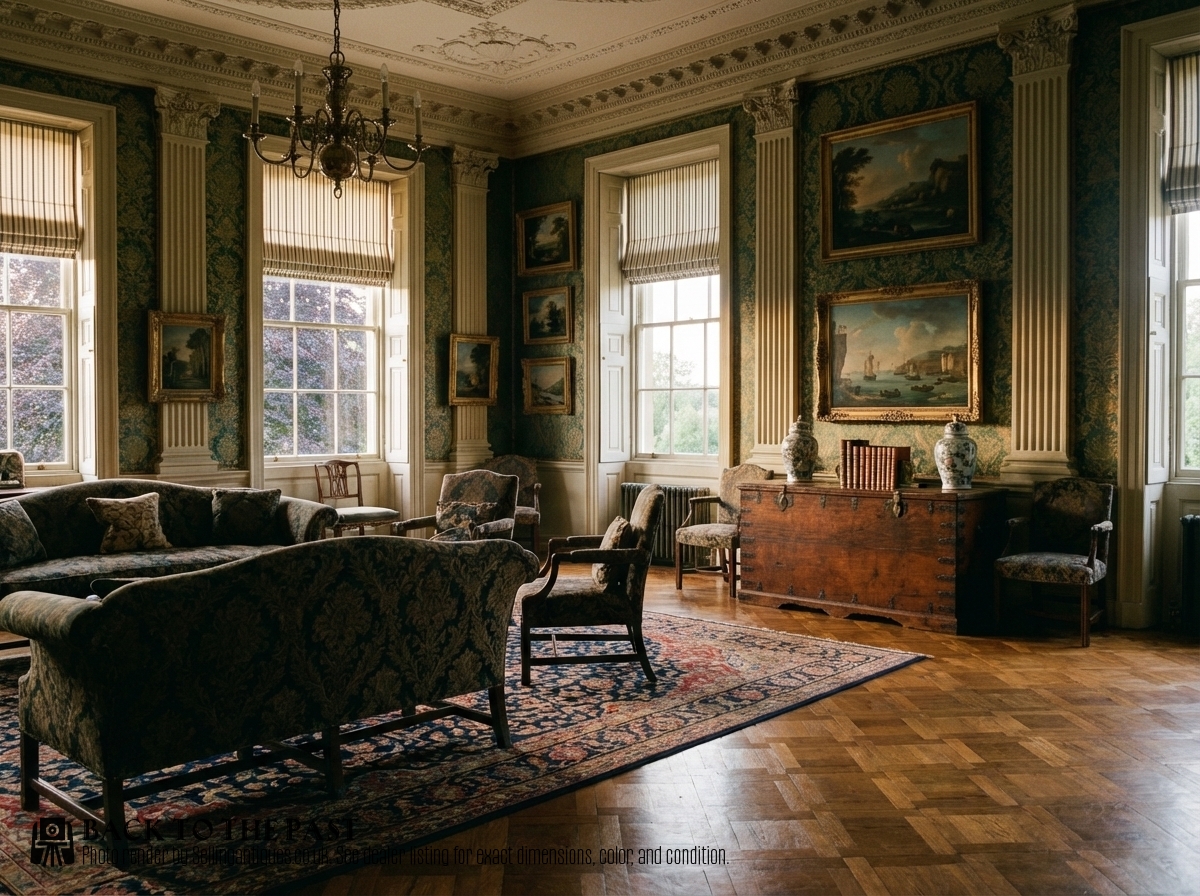
Large Wooden Trunk
A large wooden trunk serves as a heavy-duty container for blankets, travel equipment, and household goods. These pieces originate from domestic workshops, colonial outposts, and rural farmhouses across Europe and beyond.
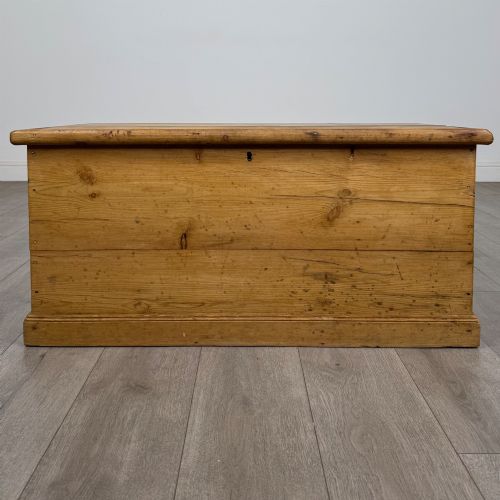
Buyers meet sturdy examples in pine and oak alongside exotic hardwoods like teak and camphor wood. Victorian blanket boxes and Georgian coffers dominate the selection, offering deep interiors and hinged lids.
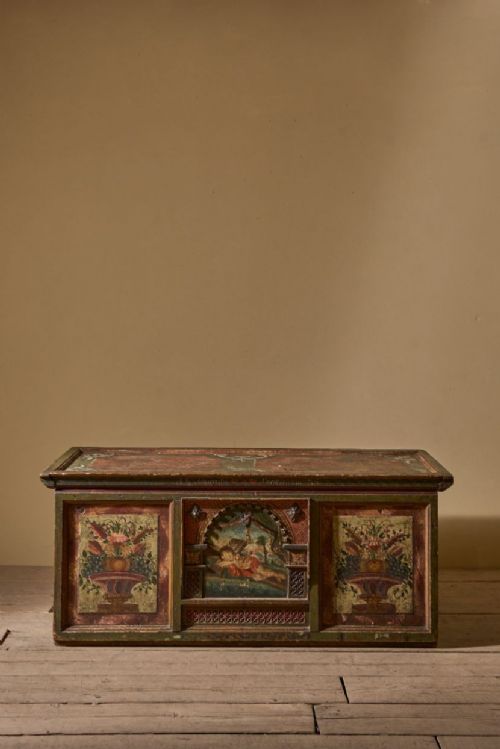
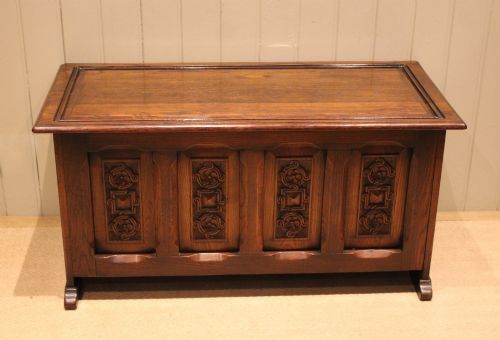
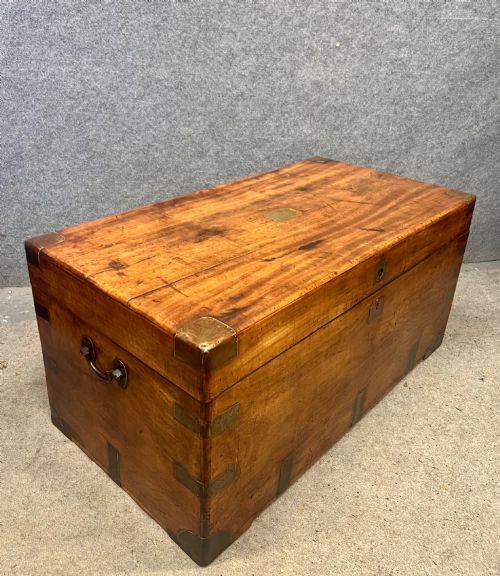
Domestic pine and oak chests range from plain country boxes to carved storage pieces. Campaign chests and brass-bound trunks reflect a travelling heritage designed for endurance on long journeys.
Evaluating Quality
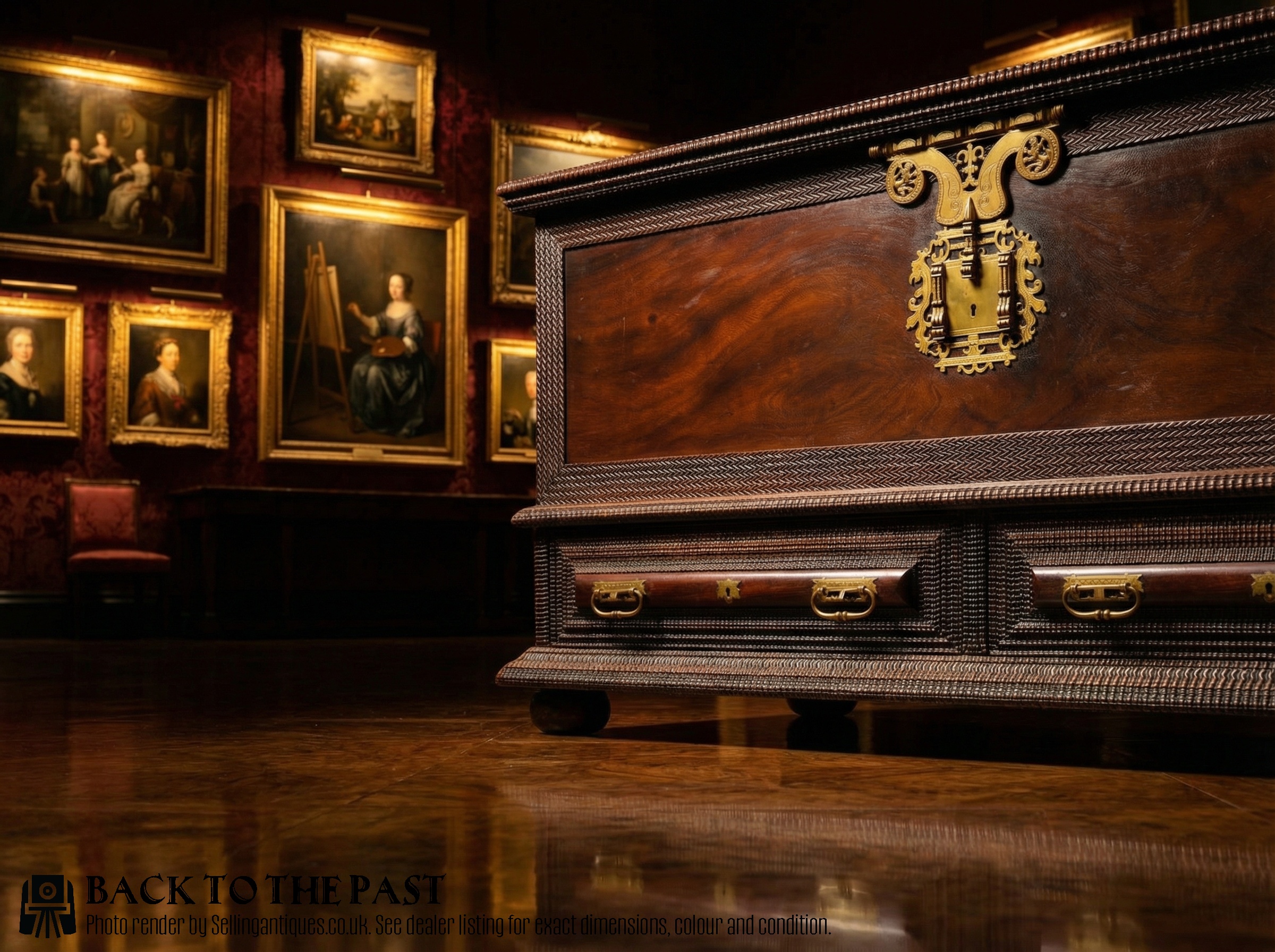
The standard of a large wooden trunk rests on the integrity of its timber and the retention of its original hardware. Heavy oak coffers with deep hand-carving or camphor wood chests with intact brass mounts represent superior craftsmanship.
Original surface finishes, whether early paint or a deep waxed patina, elevate a piece above later stripped examples. Internal fittings such as till boxes and working locks add functional depth that collectors prize.
Many camphor wood chests still carry a faint, century-old aroma of distant spice routes.
The Large Wooden Trunk Glossary
- Coffer
- A heavy wooden chest traditionally used for storing valuables, money, or documents. These pieces often feature sturdy timber construction and secure locking mechanisms.
- Mule chest
- A storage chest featuring one or more drawers beneath the main lift-top compartment. This form bridges the traditional blanket box and the modern chest of drawers.
- Campaign chest
- A portable furniture form designed for military officers on the move, typically constructed in sections with recessed brass handles and corner brackets.
- Dowry chest
- A large storage box prepared for a bride to hold household linen and personal possessions for marriage. These pieces frequently display decorative painting or carving.
Large Wooden Trunk: Frequently Asked Questions
What were large wooden trunks used for originally?
These trunks held personal belongings, household linens, and valuables during domestic storage or transport. Campaign chests accompanied officers on military journeys, while blanket boxes kept textiles safe at home.
Heavier coffers secured important household documents or traded goods. Their robust build ensured contents remained protected from dampness and rough handling.
How do I care for an antique wooden chest?
Maintain the wood by applying a gentle natural wax rather than modern liquid polishes. Keep the trunk away from direct heat sources and dramatic humidity shifts to prevent timber splitting.
Allow air to circulate inside periodically, particularly with camphor wood or lined chests. Avoid placing overly damp items directly against the historic interior surfaces.
How can I tell a Victorian pine trunk from an earlier piece?
Victorian pine trunks often display machine-sawn timber and simpler box construction without hand-carved details. Earlier pieces from the seventeenth and eighteenth centuries typically show pegged joinery, hand-planed boards, and deeper patination.
Oak coffers from the Georgian or Jacobean periods feature heavier framing and panelled fronts. Pine examples from the Victorian era tend towards stripped surfaces or painted finishes.
Are camphor wood trunks safe for modern clothes storage?
Camphor wood chests provide excellent storage for garments because the natural aromatic oils deter moths and insects. The distinct scent of the wood helps keep stored textiles fresh over long periods.
Ensure the interior is clean and dry before adding clothes. Very delicate fabrics can absorb the strong timber aroma, so wrapping them in acid-free tissue is advised.