



Heavy Teak Chest
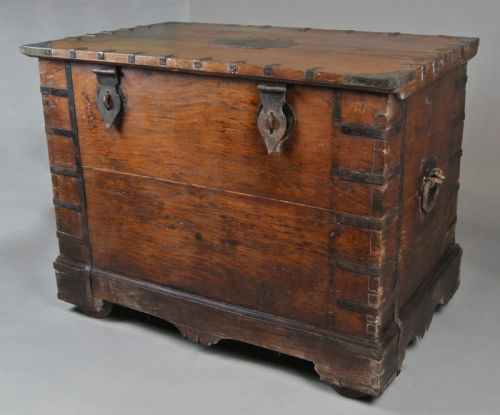
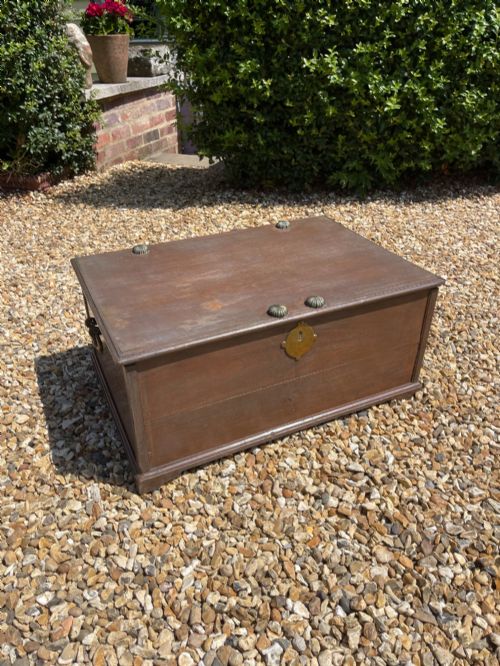
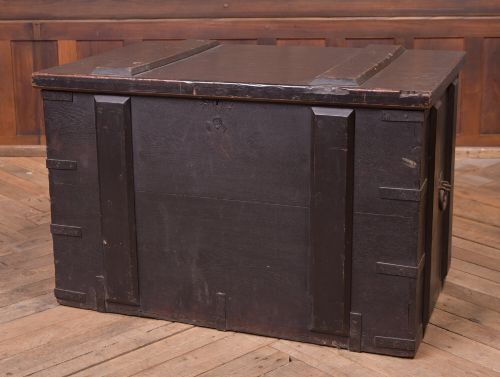
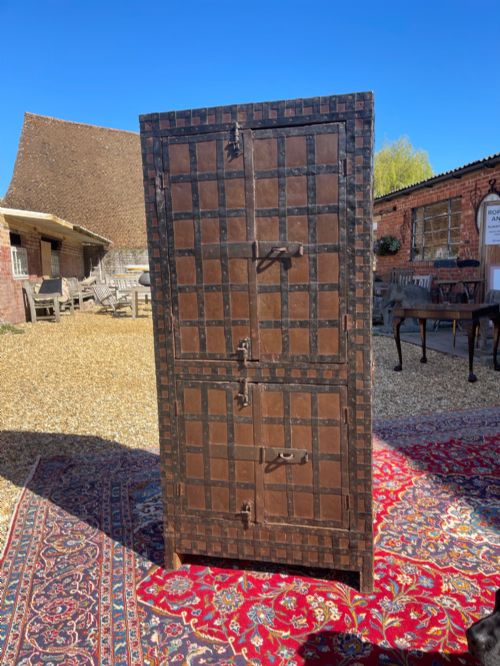
These heavy teak chest examples are substantial repositories of personal wealth and household goods, prized for their ability to anchor a room with rich timber and robust metalwork.
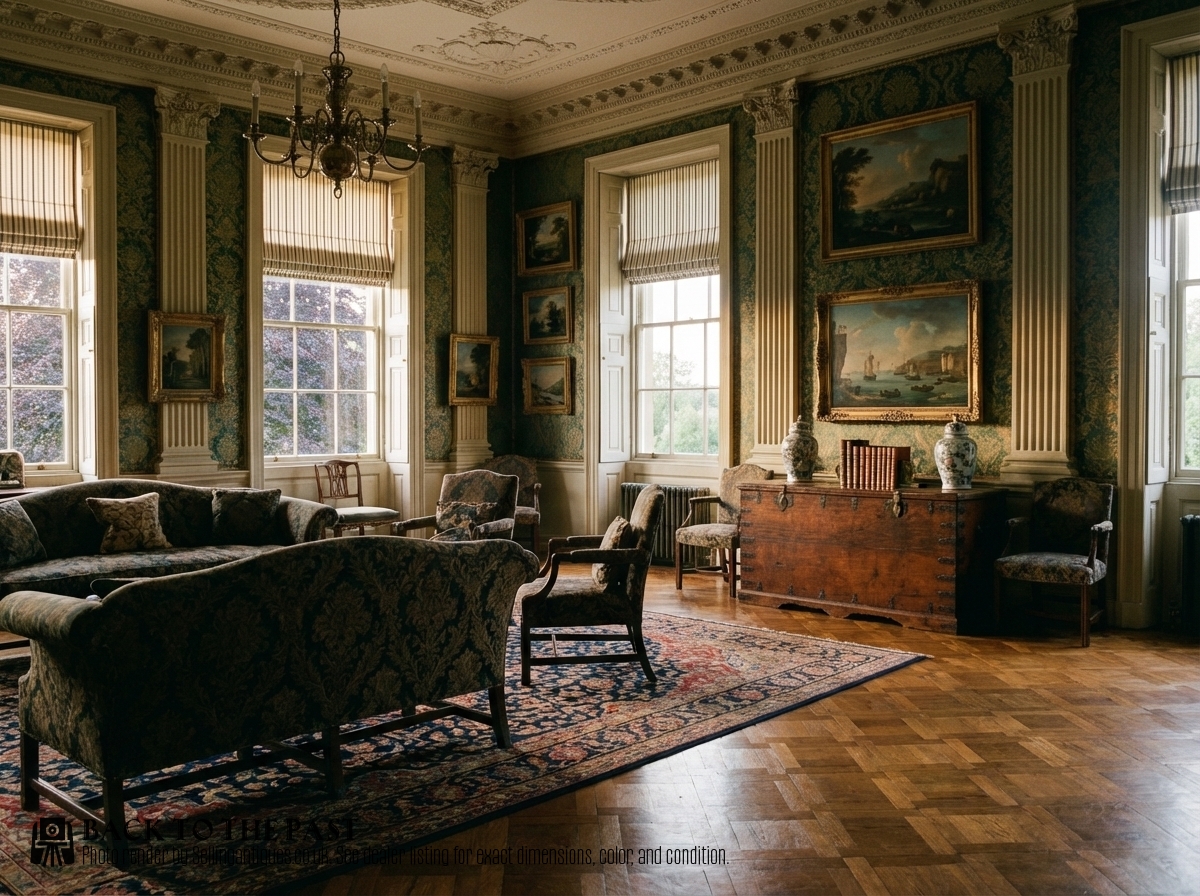
Heavy Teak Chest
A heavy teak chest represents a robust category of storage furniture that spans regional traditions from British colonial workshops to Indian domestic manufacture. When you search for a heavy teak chest, you encounter large trunks, blanket boxes, and coffer forms designed for endurance and security during transport or daily household use.
The pieces on this page lean heavily towards nineteenth-century production, frequently exhibiting the dense grains of tropical hardwood alongside utilitarian or decorative reinforcement. Examples range from simple Indian storage trunks to elaborate Zanzibar chests and English craftsman tool boxes built for practical service.
Many of these storage vessels display regional styling such as Anglo-Indian or Victorian colonial aesthetics, often incorporating hinged lids and compartmented interiors. They serve equally as functional furniture and historical artefacts carrying the marks of maritime trade and domestic utility.
Materials and construction methods
Makers utilised dense teak and assorted hardwoods selected for their resistance to humidity and structural stability over decades of heavy service. These durable timbers form the primary carcass of each trunk, providing a heavy foundation capable of withstanding rough handling.
Blacksmiths and joiners reinforced the wooden panels with wrought iron straps, cast iron bands, and heavy brass studs to secure corners and prevent splitting. This combination of thick tropical timber and metal hardware creates the characteristic weight and longevity seen across the inventory.
Heavy Teak Chest Retail Price Guide 2026
Typical asking prices for heavy teak chest among the pieces listed under this phrase on Sellingantiques today, from the lower quarter to the upper quarter. They describe what is for sale here now, not the wider market.
Listings feature pieces spanning the nineteenth century, utilising teak, iron, brass, and hardwood within traditional colonial and Indian styles.
Assessing quality in construction and hardware
Quality rests upon the integrity of the original joinery and the heaviness of the metal mounts rather than mere scale. Superior examples display carefully fitted dovetail joints, hand-forged iron bindings that sit flush with the timber, and intact internal till boxes.
The distinction between standard utility items and finer pieces often lies in the refinement of the brass stud work and the patination accumulated on the teak surface. Pieces retaining their original hinges, locks, and handles demonstrate a higher degree of preservation and original craftsmanship.
The Heavy Teak Chest Glossary
- Teak
- A dense, durable tropical hardwood prized for its oily content and resistance to moisture. This timber forms the main body of nearly all pieces found within this category.
- Zanzibar chest
- A specific form of heavily decorated trunk featuring brass studding and strapwork, originating from East African coastal trade routes with India. These boxes typically include internal compartments for valuable goods.
- Campaign chest
- Portable furniture designed in sections for military officers on the move, often constructed from durable hardwoods with recessed brass handles. They prioritize modular transport without sacrificing domestic utility.
- Dowry chest
- A large storage box commissioned or acquired to hold household goods and linens in preparation for marriage. These pieces frequently display the most elaborate ironwork and scale in regional traditions.
Heavy Teak Chest: Frequently Asked Questions
How do I date a heavy teak chest?
Dating relies heavily on examining the construction marks, the type of metal fastenings, and the style of the hinges and locks. Nineteenth-century examples often display hand-forged iron straps and characteristic Victorian or colonial proportions.
Secondary indicators include the wear patterns on the timber base and the presence of internal paper linings or maker marks. Comparing the wood species and construction methods to documented regional pieces helps narrow the decade of origin.
What were these chests originally used for?
These robust containers served varied purposes ranging from maritime transport of personal belongings to secure storage of domestic wealth and dowry items. Tool chests and campaign boxes were built specifically for tradesmen or officers needing to move their equipment safely.
In domestic settings, they functioned as blanket boxes, strong boxes, and general repositories for valuables in transit or at home. Their heavy metal bindings ensured contents remained secure against theft and rough handling.
How do I care for antique teak furniture?
Maintaining teak requires keeping the timber away from direct heat sources and sudden humidity changes that can cause the dense wood to split. Regular dusting with a dry cloth preserves the natural oils and patination of the surface.
Avoid heavy commercial polishes or silicone treatments which can build up on the porous grain. Occasional application of a suitable wax helps nourish the hardwood without altering its historical character.
Are these trunks heavy to move?
These pieces are exceptionally heavy due to the density of the teak and the extensive use of iron and brass reinforcement. Most require two people to lift safely, particularly larger dowry chests and iron-bound coffer forms.
Their substantial weight was intentional to provide stability during sea voyages and security against theft in domestic environments. Side carrying handles found on many examples were designed specifically for transport by multiple handlers.