

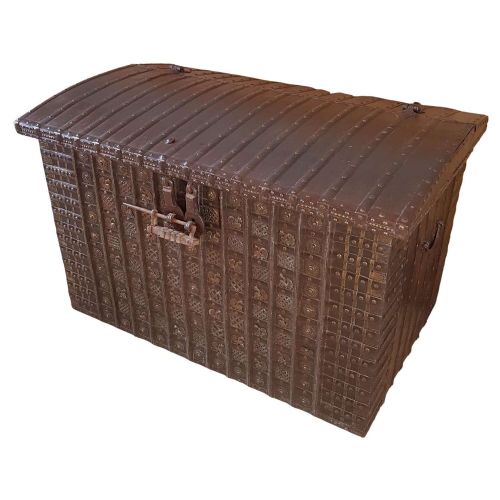


Indian Brass Fitted Chest
These robust indian brass fitted chest designs offer sturdy storage and campaign practicality, combining exotic timbers with striking metalwork.
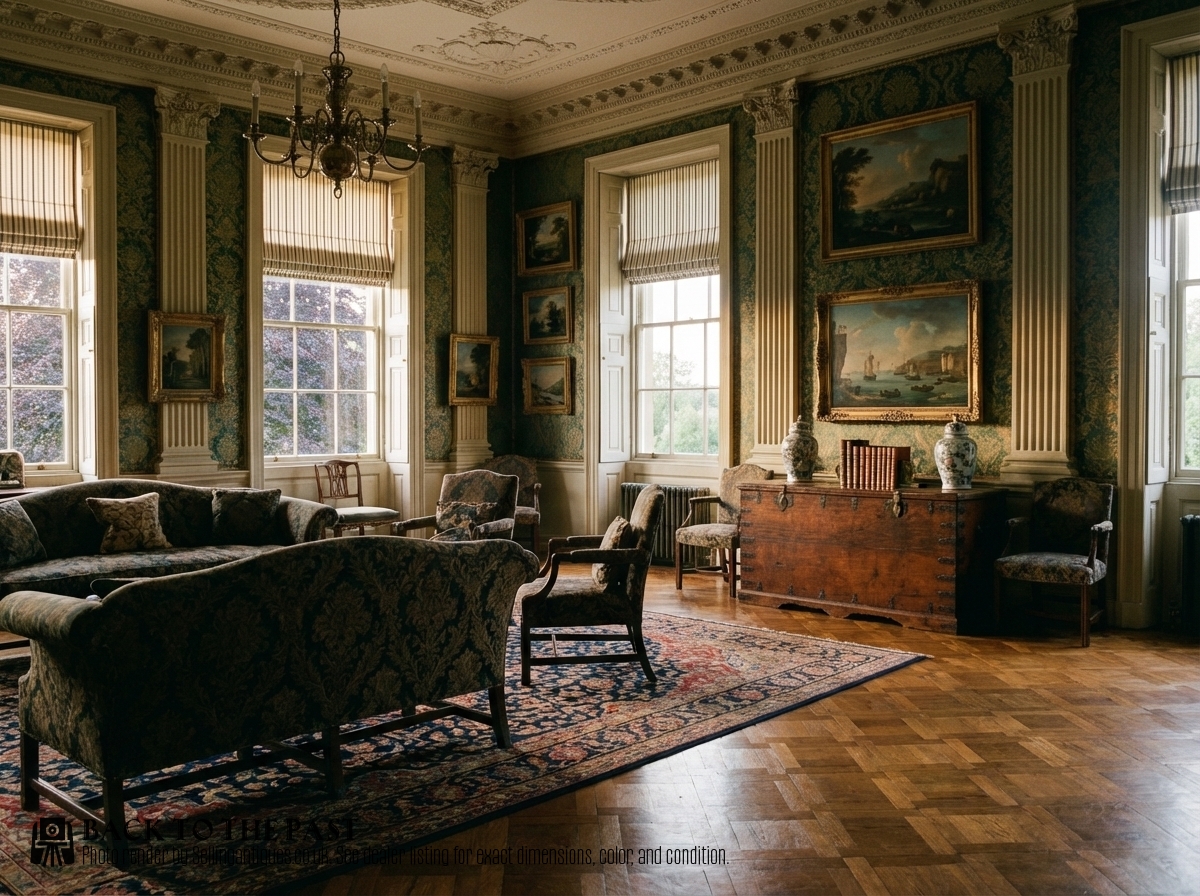
Indian Brass Fitted Chest
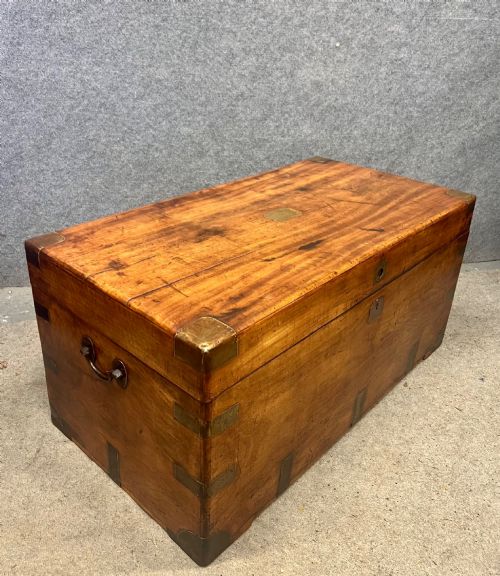
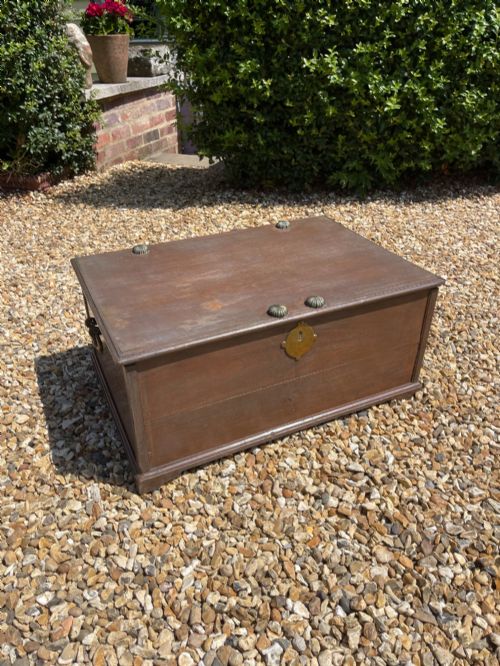
An indian brass fitted chest encompasses storage boxes, campaign trunks, and dowry chests originating from nineteenth-century contexts. These pieces serve practical storage needs while displaying distinctive metal strapwork and corner mounts.
Buyers frequently encounter Anglo-Indian campaign pieces alongside regional storage forms like the Rajasthani Damchiya and merchants trunks. Such items reflect colonial travel and traditional domestic life through their robust construction.
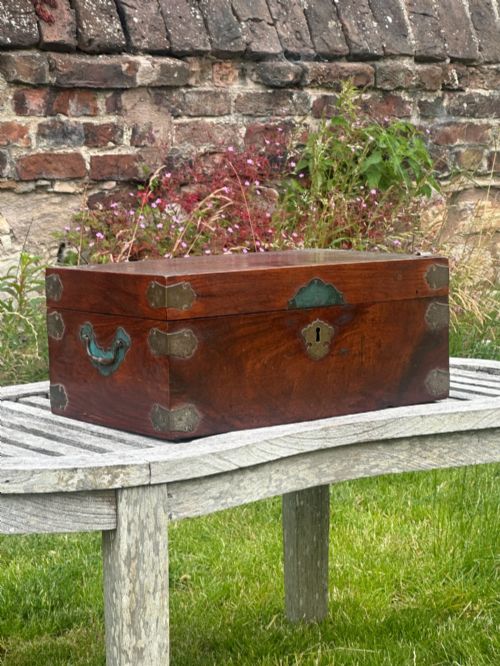
The selection includes compact writing boxes and miniature trunks alongside large blanket chests and storage boxes. Teak, camphor wood, padouk, and rosewood form the primary bodies of these functional containers.
Materials and Construction
Carpenters build these chests using dense timbers such as teak, padouk, camphor wood, and rosewood, which withstand demanding climates. These woods provide a stable carcass for heavy brass binding and iron bands.
Sheet brass and cast mounts secure the corners, edges, and lids, fastened with numerous small pins or screws. This metalwork reinforces the joints against the strains of long-distance travel and daily use.
Indian Brass Fitted Chest Retail Price Guide 2026
Typical asking prices for indian brass fitted chest among the pieces listed under this phrase on Sellingantiques today, from the lower quarter to the upper quarter. They describe what is for sale here now, not the wider market.
Craftsmanship and Proportion
Quality depends upon the precision of the brass joinery and the selection of timber grain across the panels. Superior examples feature well-fitted recessed handles, substantial locks, and harmonious proportions.
Simpler storage trunks rely on functional iron banding and plain planks, whereas exhibition or campaign items display elaborate engraved brass strapwork and finely figured hardwoods.
The Indian Brass Fitted Chest Glossary
- Campaign trunk
- A portable chest built for military officers or travellers, featuring recessed brass handles and reinforced corners to endure transit.
- Damchiya
- A traditional low dowry chest or cabinet from Rajasthan, often characterised by decorative panels and specialised locking mechanisms.
- Padouk
- A heavy, durable tropical hardwood with a reddish hue, frequently utilised in nineteenth-century colonial furniture.
- Campaign furniture
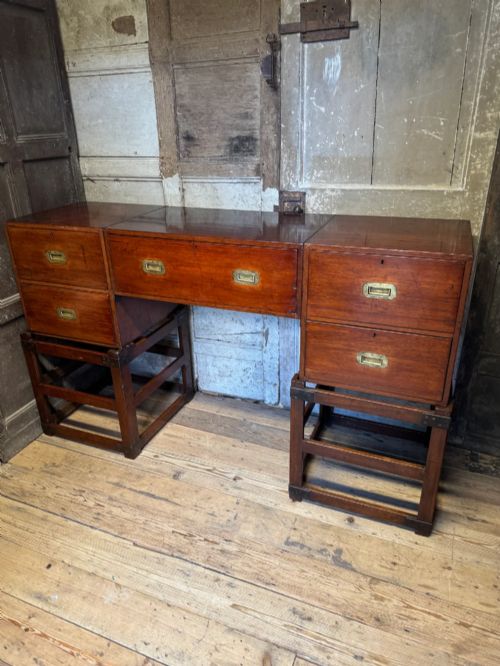
- Dismountable or robustly braced furnishings designed for easy packing and transport during the nineteenth century.
Indian Brass Fitted Chest: Frequently Asked Questions
What is an indian brass fitted chest used for?
These chests function primarily as storage containers for blankets, linens, and personal possessions. Their sturdy construction and hinged lids make them practical coffee tables or focal points in modern living spaces.
Historically, they accompanied travellers on long journeys or served as dowry pieces in Indian households. Today, they bring tactile warmth and secure storage to contemporary interiors.
How do I identify a campaign trunk?
Campaign trunks feature flush brass handles inset into the wood to prevent catching during transit. They often include reinforced brass corners and straps to protect the edges.
Many examples separate into distinct sections or possess internal compartments tailored for travel. The timber selection typically focuses on resilient woods like teak or camphor.
What woods were used in these chests?
Maker workshops utilised durable tropical timbers available in regional trade networks, predominantly teak and padouk. Camphor wood appears frequently due to its insect-repellent properties, making it ideal for clothing storage.
Rosewood and general hardwoods also feature in merchants trunks and decorative boxes. These dense materials provide the necessary strength for heavy metal mountings.
Are these chests from the Victorian period?
Many items date from the nineteenth century, aligning with the Victorian era and British colonial expansion. Construction dates span from the early nineteenth century through to around nineteen hundred.
Stylistic indicators like machine-rolled brass or specific lock mechanisms help refine the dating. Regional Indian traditions also inform the construction methods seen in dowry chests.