

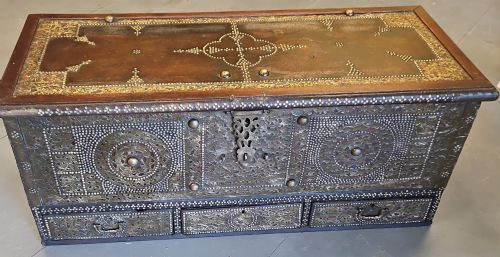


Antique Teak Trunk
An antique teak trunk is a robust timber chest built for travel or storage, offering deep historical character and practical utility for modern homes.
What these pieces are
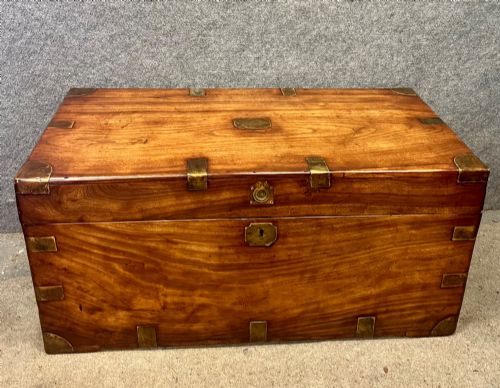
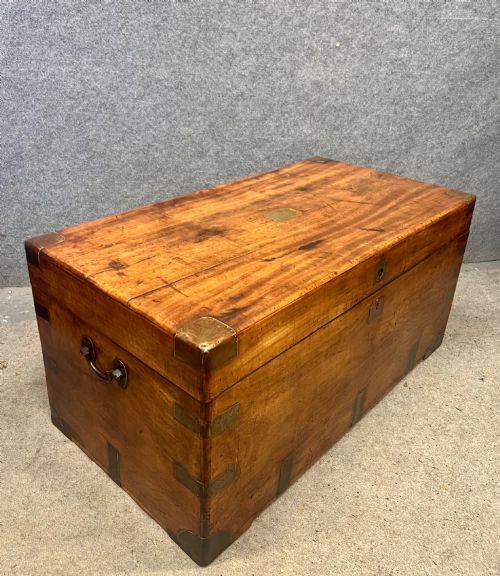
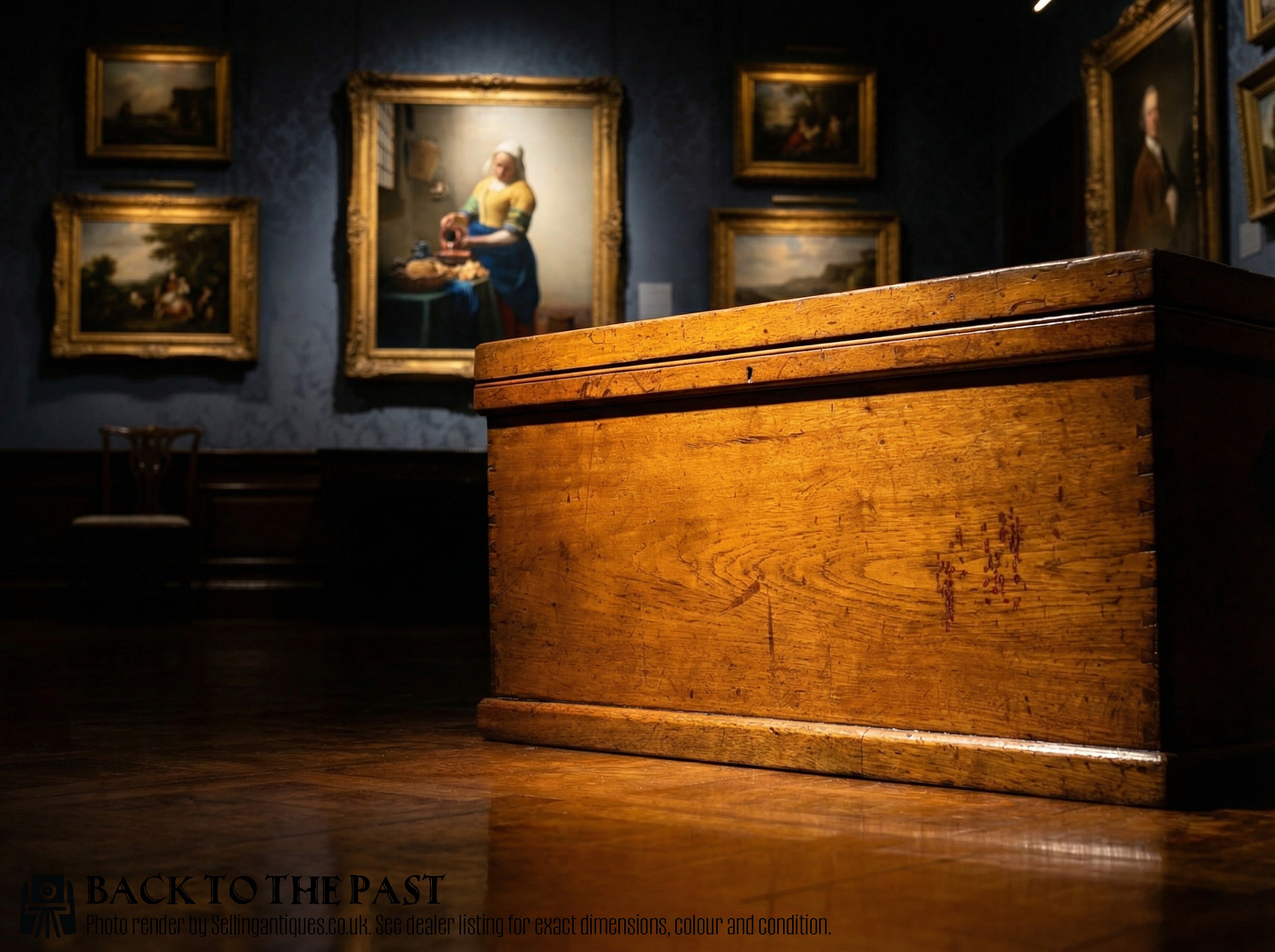
When you search for an antique teak trunk, you encounter a variety of sturdy storage chests originating from maritime, colonial and domestic contexts. These sturdy receptacles range from plain blanket boxes to elaborate campaign chests designed for distant transport.
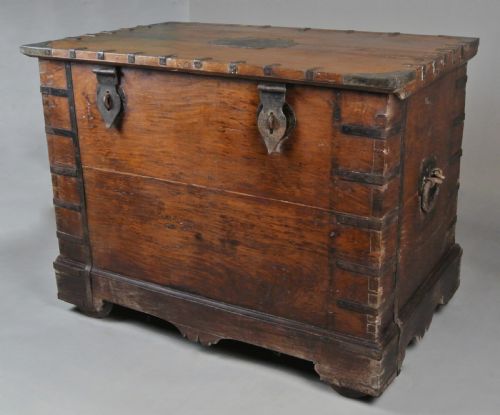
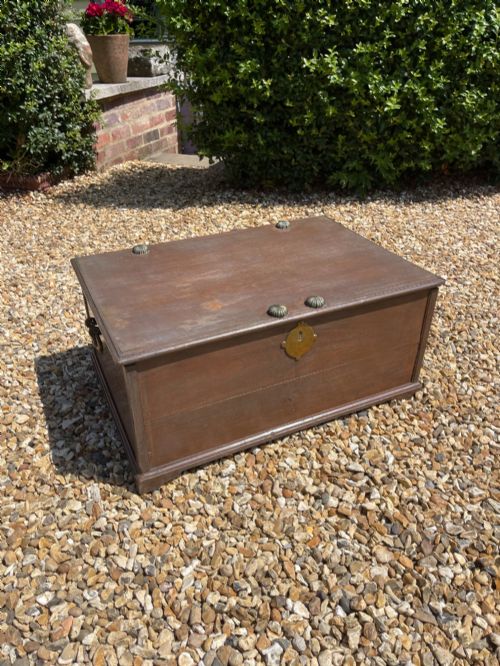
The pieces appearing on this page span the eighteenth and nineteenth centuries, including Victorian examples alongside earlier Dutch colonial and Portuguese colonial iterations. Forms include coffers, storage chests, and specialised tool or bullion boxes.
Many items reflect distinct regional trade routes, encompassing Anglo-Indian, Zanzibar and Anglo-Burmese designs. Their primary function historically was safeguarding possessions against humidity, pests and the rigours of sea travel.
How they were made
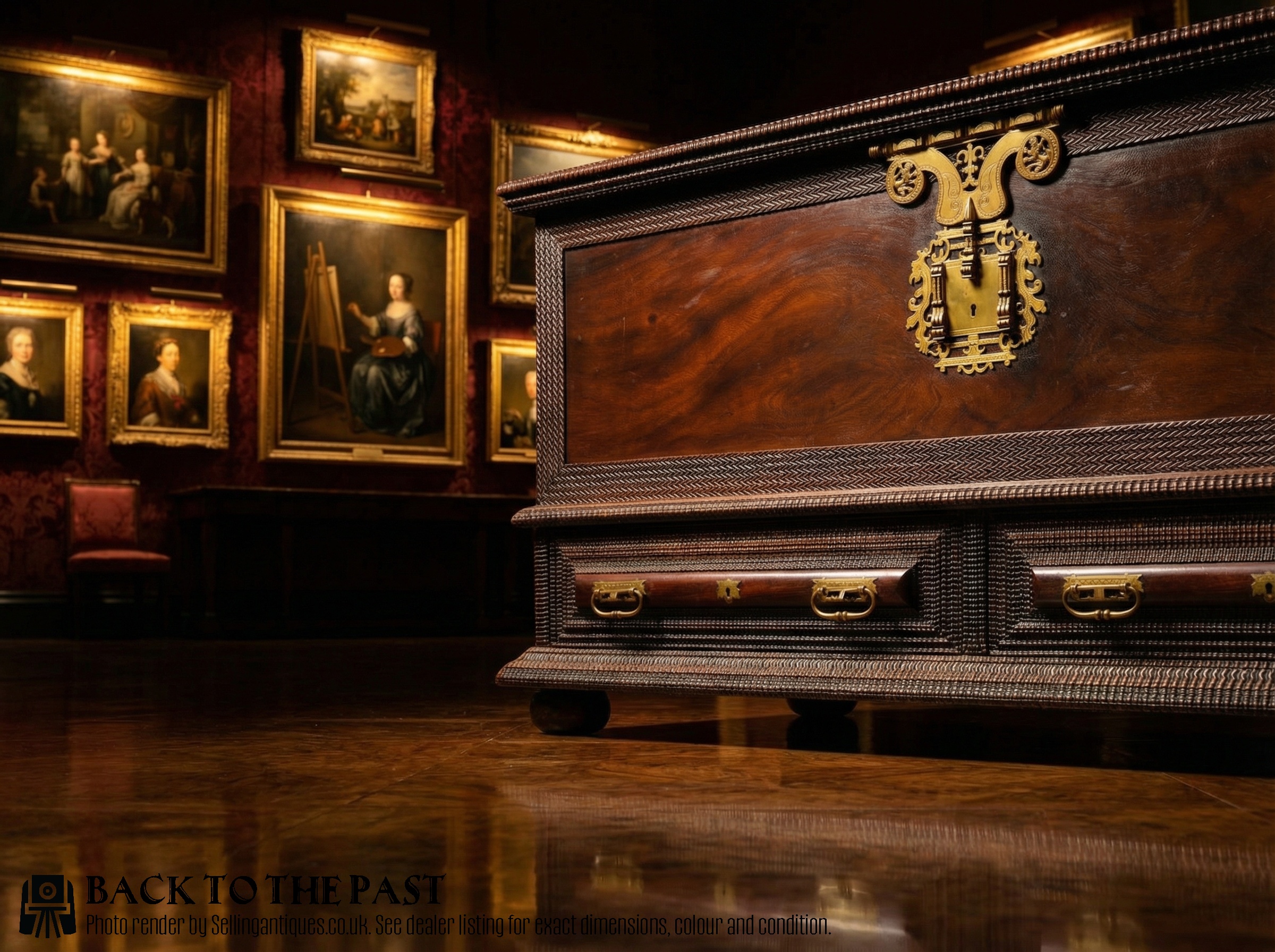
Construction relies heavily on solid teak, chosen for its natural oils and durability in tropical climates, frequently combined with secondary timbers like camphor. Carpenters joined structural panels using robust dovetail or tongue-and-groove joints capable of withstanding heavy loads.
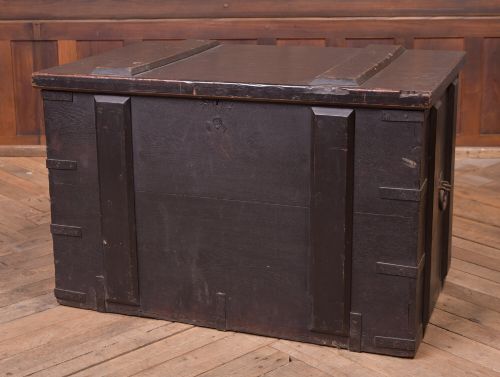
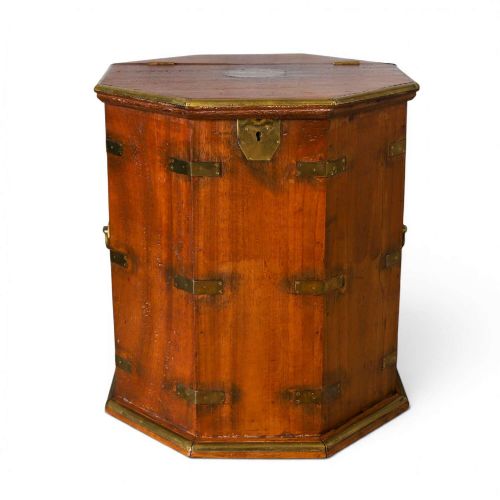
Metal reinforcement was essential for structural integrity, utilising brass corners, straps and studs alongside iron bindings and heavy-duty carrying handles. Surfaces often feature decorative brass mounts, ripple moulding, or carved detailing depending on the regional workshop tradition.
Retail Price Guide 2026
Typical UK retail prices for teak trunk, calculated from the Sellingantiques database of over a million retail prices indexed since 2003. This retail price guide relies exclusively on Sellingantiques data; no external sources or auction records are used, so the figures do not describe the wider market.
Many campaign trunks contain secret compartments inside, once used for hiding currency and small valuables from sticky-fingered deckhands.
What varies in quality
Quality separates through the integrity of the timber selection and the precision of the joinery, distinguishing utilitarian containers from high-status merchant or campaign pieces. Superior examples exhibit tightly fitted dovetails, substantial brass work, and well-preserved interior compartments.
The degree of decorative elaboration and hardware complexity also dictates standing, from plain iron-strapped ship's trunks to intricately studded Zanzibar chests or ripple-moulded coffers. Original patination and the survival of matching brass mounts elevate the distinction of the piece.
The Antique Teak Trunk Glossary
- Campaign trunk
- A portable chest constructed in sections or fitted with carrying handles for military officers travelling on colonial service.
- Brass bound
- A chest strengthened at the edges and corners with protective brass strips and plates fastened by numerous screws or tacks.
- Zanzibar chest
- A heavily decorated East African storage box characterised by brass studwork, intricate strap hinges and a hidden interior compartment.
- Ripple moulding
- Decorative undulating timber profiling carved in low relief around the borders of a coffer or chest.
- Cofer
- A large chest traditionally used for storing valuables, linen or provisions, typically featuring a hinged lid and solid timber construction.
Frequently Asked Questions
What is an antique teak trunk used for today?
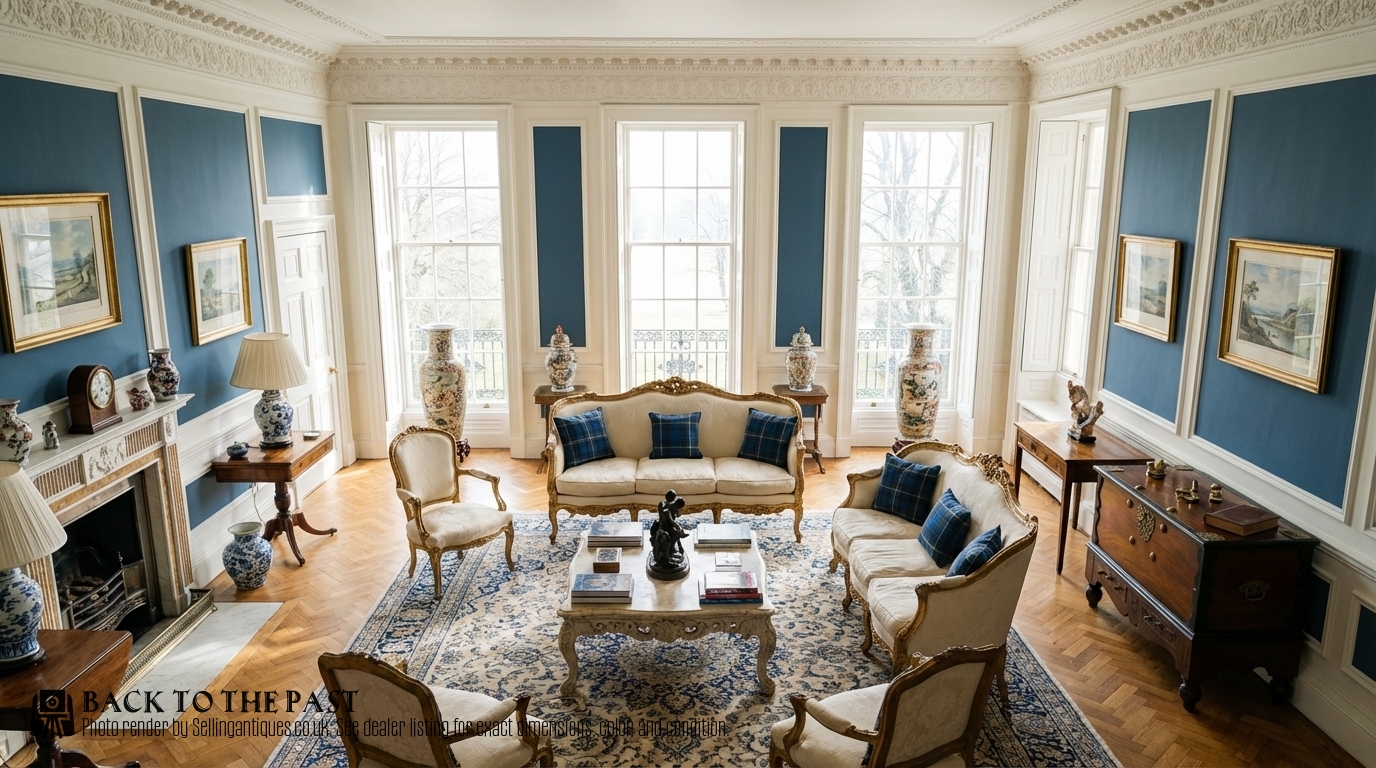
These chests serve primarily as decorative storage solutions in contemporary interiors, holding blankets, bed linen or household items.
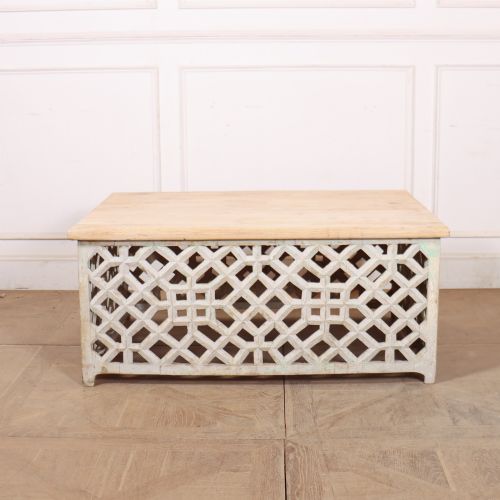
Many people also position them as coffee tables in living spaces, utilising the flat top surface while benefiting from internal storage capacity.
How do I tell a campaign trunk apart from a standard chest?
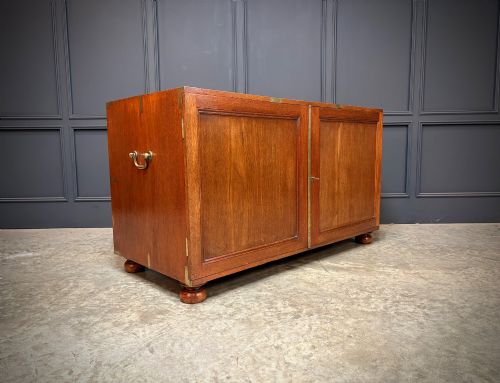
Campaign trunks feature distinctive recessed brass handles on the sides to facilitate lifting and transport during travel.
They also frequently incorporate reinforced corners and modular construction designed to withstand rough handling on ships and trains.
Why is teak used in these antique trunks?
Teak contains natural oils that render the timber resistant to moisture, rot and insect damage, making it ideal for tropical climates.
This inherent durability allowed chests to survive maritime journeys and humid environments without warping or degrading structurally.
How can I identify the period of a teak trunk?
Dating relies on examining the construction methods, hardware styles, and the specific brass or iron mountings used on the piece.
Eighteenth-century examples often display simpler, heavier regional joinery, whereas Victorian campaign pieces feature standardised brass hardware and recessed fixtures.