

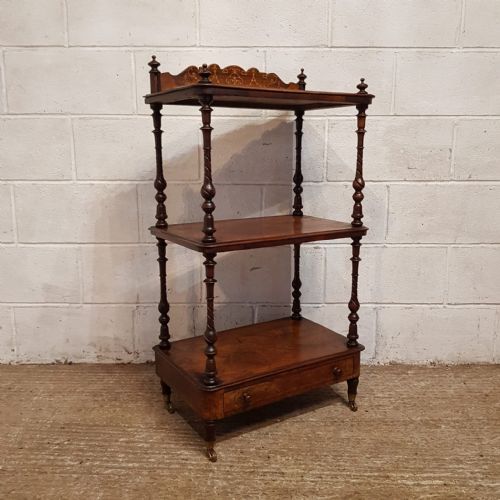
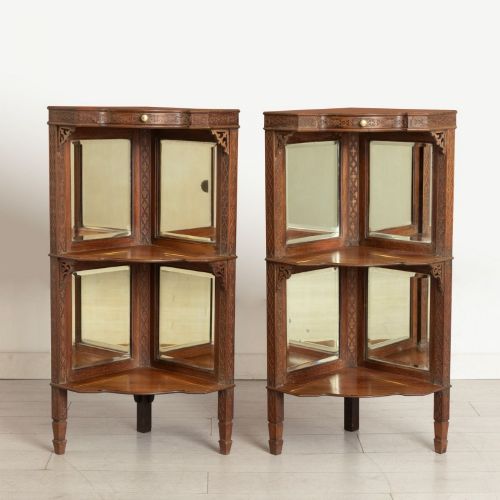
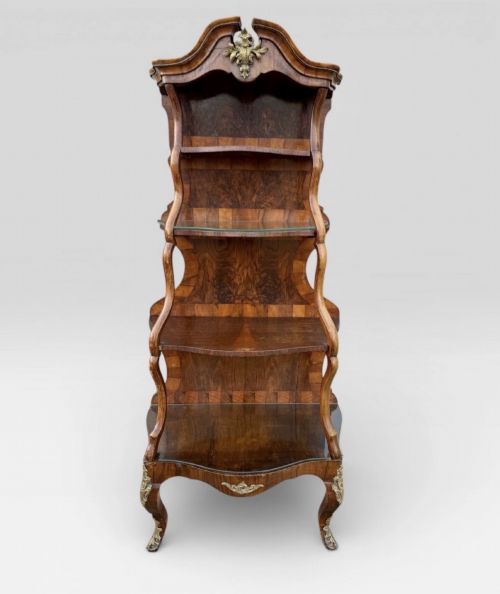


Victorian Corner Shelving
Victorian corner shelving uses neglected room junctions for display, offering tiered platforms in rich timbers to hold treasured ornaments.
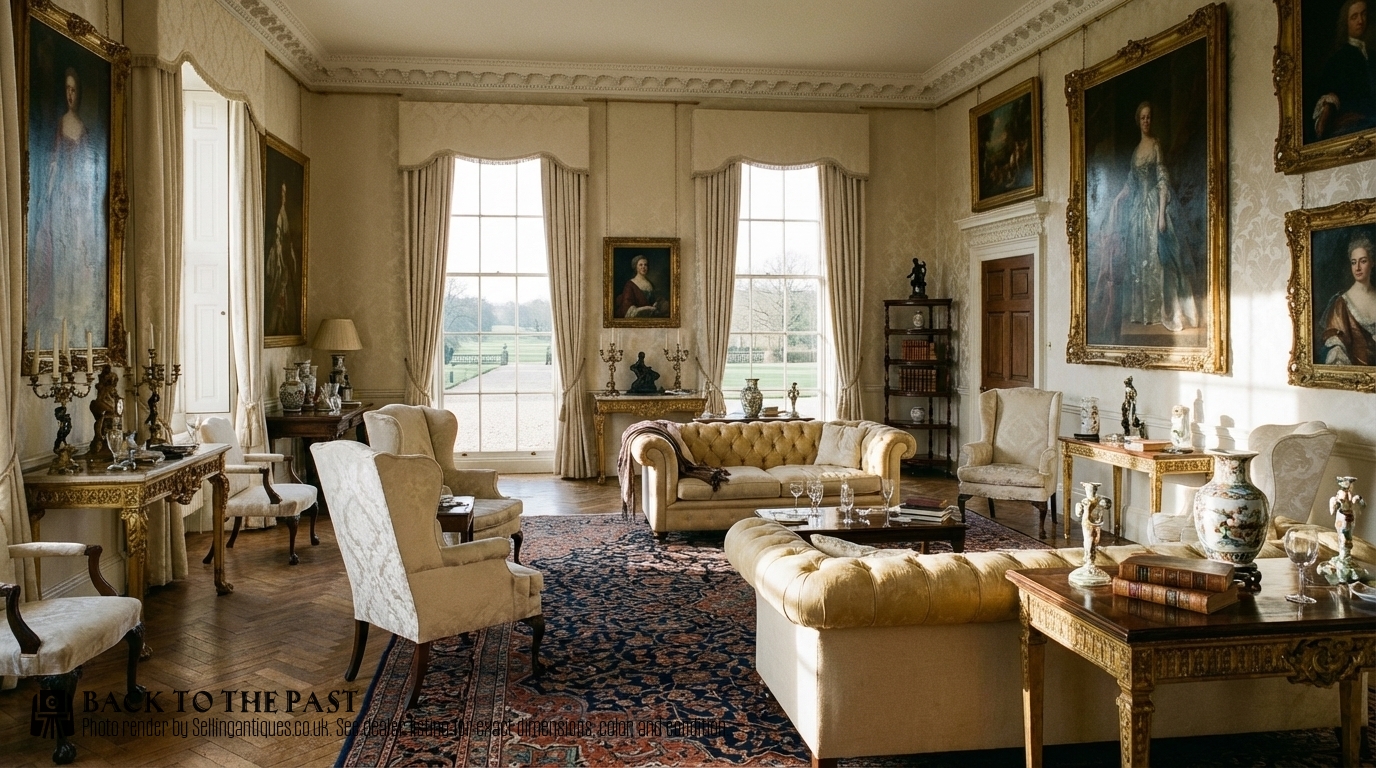
Victorian Corner Shelving
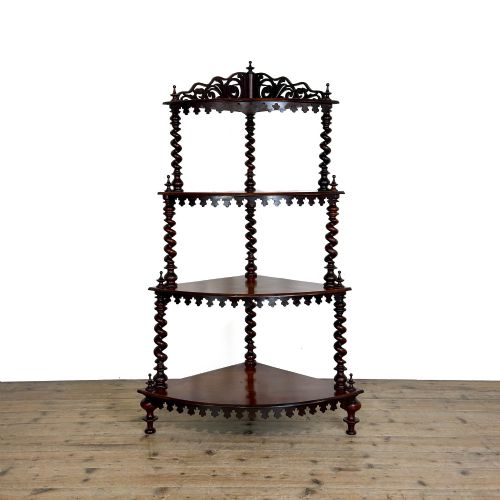
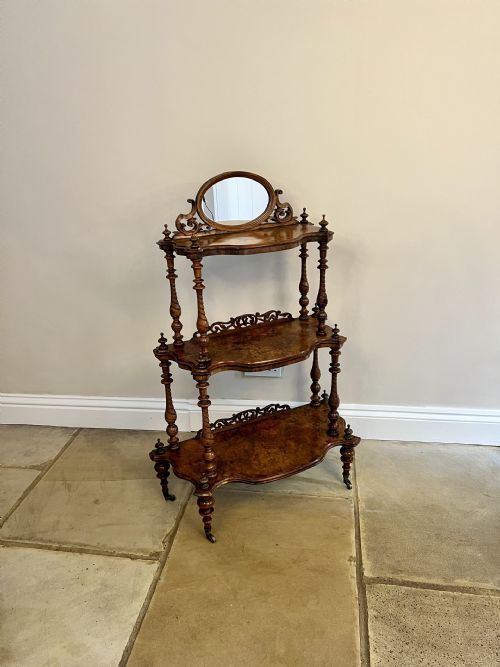
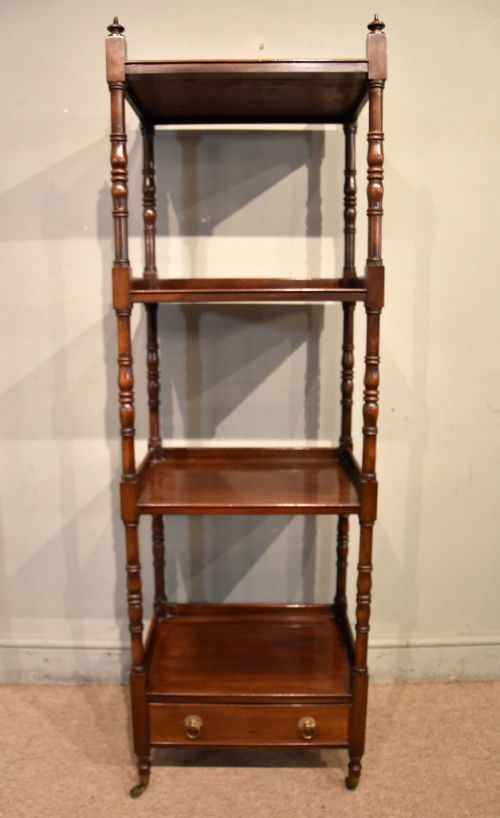
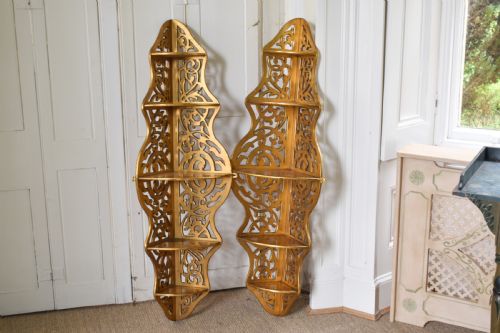
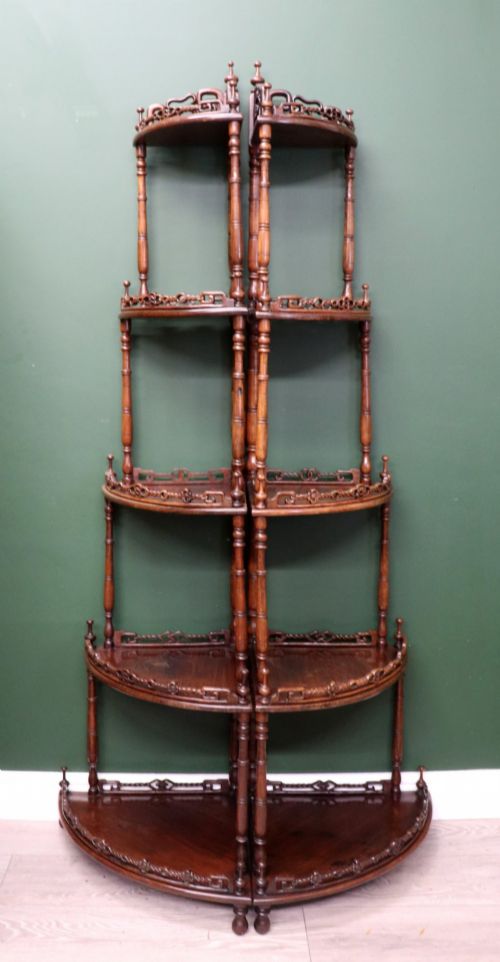
Victorian corner shelving takes several forms across this selection, appearing most frequently as tiered whatnots, etageres, and corner cabinets designed to fit domestic angles. These pieces use multiple platforms held by turned supports or brackets to display ceramics, books, and ornamental objects without crowding floor space.
The objects span the nineteenth century, including specific decades such as the eighteen fifties, sixties, eighties, and nineties, alongside pieces influenced by earlier Regency designs or later Aesthetic movements. Makers adapted the basic corner format to suit varying domestic scales, from modest pine country cupboards to towering multi-tier walnut display stands.
Alongside standard wooden shelving units, buyers encounter glazed corner cabinets, serpentine display consoles, and specialised Sorrento inlaid olive wood pieces. These variations demonstrate how nineteenth-century cabinet makers maximised awkward spaces for both utility and decorative display.
Materials and Construction Techniques
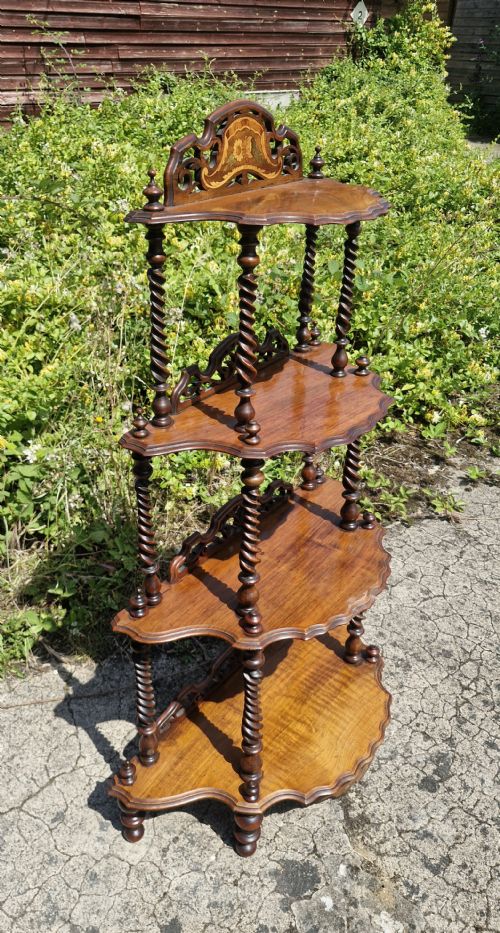
Cabinet makers relied heavily on dense hardwoods, employing mahogany, walnut, and burr walnut for structural durability and rich surface grain. Rosewood, birdseye maple, and olive wood also appear, sometimes enhanced by intricate marquetry inlay, gilt metal mounts, or brass details.
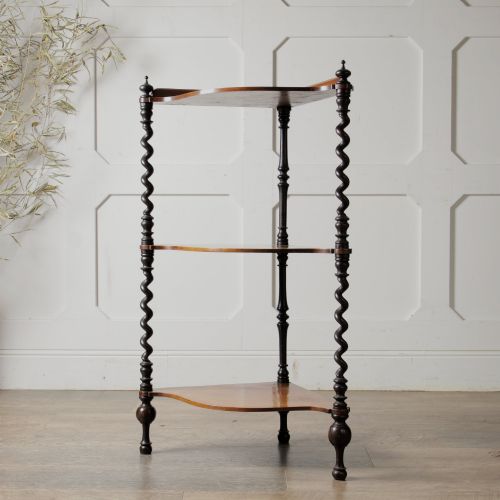
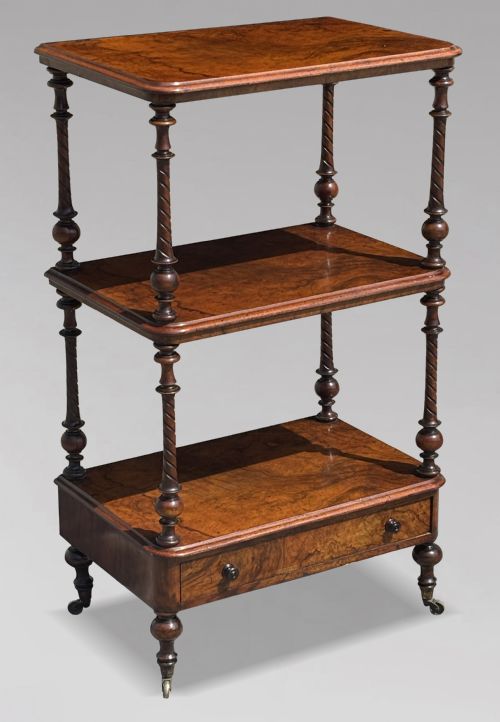
Turned uprights, barley twist supports, and carved wooden columns bear the weight of multiple tiers in etageres and whatnots. Joinery methods included precise corner fitting and bracket attachment to ensure stability when the shelves held heavy porcelain or bronze ornaments.
Listings feature woods such as walnut, mahogany, rosewood, burr walnut, and birdseye maple alongside brass, glass, and iron.
Distinguishing Quality in Construction and Finish
The distinction between standard domestic shelving and superior pieces lies in the selection of timbers, particularly the use of highly figured burr walnut or masterclass mahogany veneers. Superior examples display precise matching of wood grains across multiple tiers and crisply carved details on turned columns and bracket supports.
Construction rigour separates robust items from fragile ones, visible in the stability of tiered joints and the depth of the hand-applied polish. Pieces featuring specialised decorative elements like Sorrento inlay or gilt metal mounts demonstrate higher craftsmanship than plain utility cupboards.
Edwards and Roberts·Goodhall Lamb and Heighway
The Victorian Corner Shelving Glossary
- Whatnot
- An open piece of furniture with shelves placed one above another, used for displaying ornaments or books. Originating in the eighteenth century, it became a staple of Victorian interior decoration.
- Etagere
- A piece of furniture consisting of a set of open shelves for displaying small objects or ornaments. It shares similarities with the whatnot but often emphasises lighter, more decorative framing.
- Barley Twist
- A type of turned wooden column resembling the spiral twist of barley sugar. This decorative support appears frequently on nineteenth-century table legs and uprights.
- Marquetry
- Decorative woodwork in which thin slices of fine timber, ivory, or shell are applied to a structure to form geometric or floral patterns. Sorrento inlaid pieces showcase this technique.
- Demi-Lune
- Half-moon shaped furniture designed to sit flat against a wall or in a corner configuration. These console tables and shelving units provide curved fronts while saving floor space.
Victorian Corner Shelving: Frequently Asked Questions
What is a Victorian corner whatnot?
A Victorian corner whatnot is a multi-tiered open shelving unit specifically constructed to fit into the ninety-degree angle of a room. These pieces were designed to hold ornaments, small books, and decorative objects off the floor.
Craftsmen utilised timbers like mahogany and walnut, shaping the upright supports with turned details or barley twists to match the interior aesthetics of nineteenth-century homes.
How do you style corner shelving at home?
Corner shelving works best when displaying collections of similar items, such as ceramics, glassware, or small framed photographs. The stepped tiers allow taller objects to sit on the lower boards while smaller pieces occupy the top.
Because these units make use of neglected wall junctions, they help open up floor space in smaller rooms while drawing the eye upward through the vertical arrangement of shelves.
Are these shelves sturdy enough for heavy books?
Most nineteenth-century corner units were designed primarily for decorative ornaments, ceramics, and light display rather than heavy libraries. While sturdy, their multi-tiered construction relies on slender turned supports and bracket joints.
Owners should distribute weight evenly across the boards, reserving the lowest and deepest tier for heavier volumes and keeping delicate glassware near the top.
How do I tell an earlier Victorian piece apart?
Earlier nineteenth-century pieces often feature solid mahogany or rosewood timbers with heavier proportions and restrained ornamentation. Mid to late-century examples frequently showcase burr walnut veneers, intricate marquetry, or exotic woods like olive.
Stylistic shifts also provide clues, as pieces from the eighteen eighties and nineties often adopt Aesthetic movement bamboo frames or lighter, more elaborate fretwork.