




Anglo Indian Cupboard
An anglo indian cupboard brings rich colonial craftsmanship and dense tropical hardwoods into a modern room.

Anglo Indian Cupboard
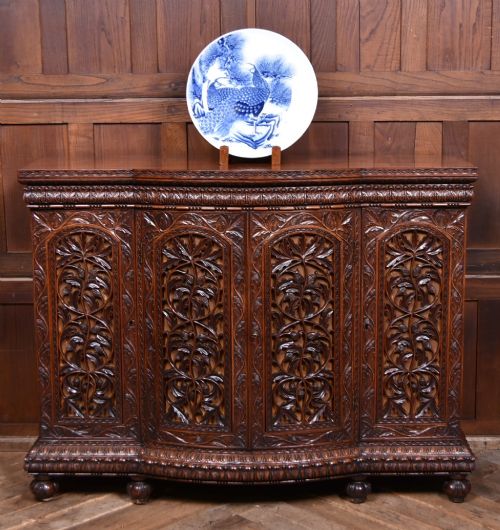
When searching for an anglo indian cupboard, buyers encounter storage furniture that blends traditional British forms with intricate subcontinent craftsmanship. These pieces span sideboard formats, side cabinets, collector chests, and linen presses originating across the nineteenth century and into the nineteen twenties.
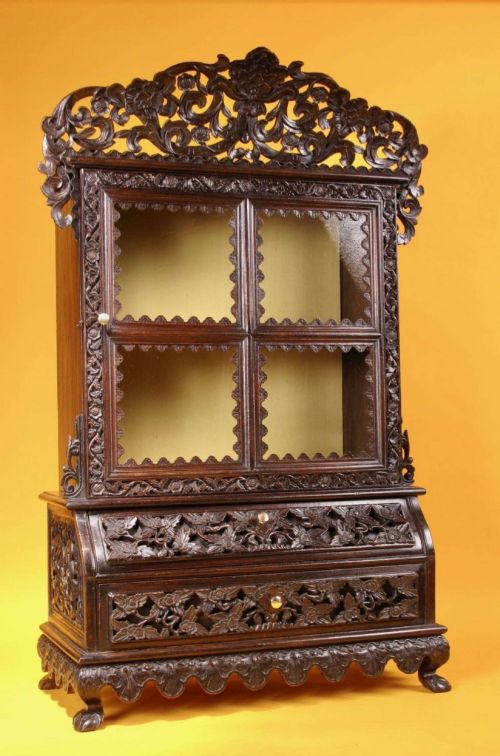
The domestic forms range from large sideboards and armoires down to smaller glazed display cabinets and corner cupboards. Teak, padouk wood, and rosewood form the structural backbone of these items, often decorated with elaborate carving or contrasting inlay.
Materials and construction
Cabinetmakers utilised dense tropical timbers such as teak, padouk, rosewood, and satinwood to build these storage pieces. These heavy hardwoods provided a stable canvas for deep relief carving and complex architectural mouldings.
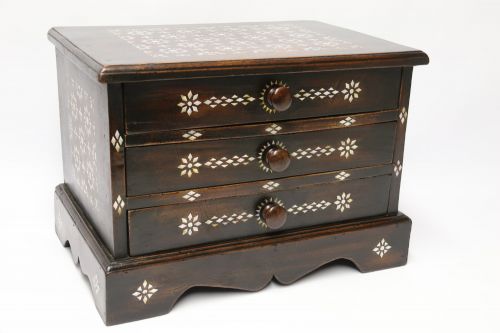
Surface decoration frequently incorporates bone, mother of pearl, brass, and abalone inlay arranged in geometric or floral motifs. Selected items also display fine turned elements and panelled doors reflecting both Victorian colonial tastes and Moorish revival styles.
Anglo Indian Cupboard Retail Price Guide 2026
Typical asking prices for anglo indian cupboard among the pieces listed under this phrase on Sellingantiques today, from the lower quarter to the upper quarter. They describe what is for sale here now, not the wider market.
Some colonial drinks cabinets arrived with hidden compartments specifically designed to keep evening gin secure from thirsty servants.
Evaluating craftsmanship
The depth and clarity of the hand carving separate simpler utility items from masterwork specimens. Crisp execution in dense padouk or rosewood indicates skilled workshop production rather than routine commercial output.
The integrity of the structural joinery and the precision of inlaid bone or mother of pearl elements dictate overall execution standards. Superior examples maintain tight joints and balanced proportions across heavy two-part forms and smaller collector chests.
The Anglo Indian Cupboard Glossary
- Padouk wood
- A heavy tropical hardwood known for its reddish hue and durability, frequently chosen for carved nineteenth-century sideboards. It takes a fine finish and supports intricate relief work.
- Linen press
- A tall storage piece traditionally used for textiles featuring upper cupboard doors enclosing sliding trays or shelves above lower drawers. Miniature versions also appear in colonial furniture.
- Moorish revival
- An architectural and decorative style popular in the nineteenth century featuring geometric patterns, horseshoe arches, and detailed inlay. It heavily influences certain inlaid cabinets and tables.
- Campaign furniture
- Portable pieces built in sections with recessed brass hardware designed for easy transport by British officers. Examples include secretaire chests and modular cupboards.
- Satinwood
- A lustrous hardwood with a golden yellow sheen utilised for fine cabinetmaking and decorative side cabinets. Its smooth grain accepts subtle inlay work.
Anglo Indian Cupboard: Frequently Asked Questions
Where were these cupboards made?
These pieces originate from workshops across the Indian subcontinent and neighbouring regions during the colonial era, combining local woodworking traditions with British furniture forms.
Craftsmen in regions such as Burma, Ceylon, and various Indian provinces produced these items for British residents and export markets.
What woods should I expect?
The primary structural timbers are dense tropical hardwoods including teak, padouk wood, rosewood, and satinwood. Cedar and ebony also appear in specific regional cabinets and collector chests.
Decorative additions often incorporate contrasting materials like bone, abalone, mother of pearl, and brass inlay to highlight the carved surfaces.
How do I date a piece?
Dating relies on combining stylistic evidence with construction methods, structural timber choices, and hardware types. Most recorded items date from the nineteenth century through the early twentieth century.
Victorian gothic revival, Moorish revival, and colonial campaign styles provide specific stylistic markers that help narrow the period of manufacture.
Are these pieces suitable for modern homes?
Their diverse formats ranging from compact side tables and corner cupboards to large sideboards allow them to function effectively in contemporary interiors. They provide practical storage while serving as distinct focal points.
The robust tropical hardwoods ensure these items handle everyday domestic use without losing their structural stability.