

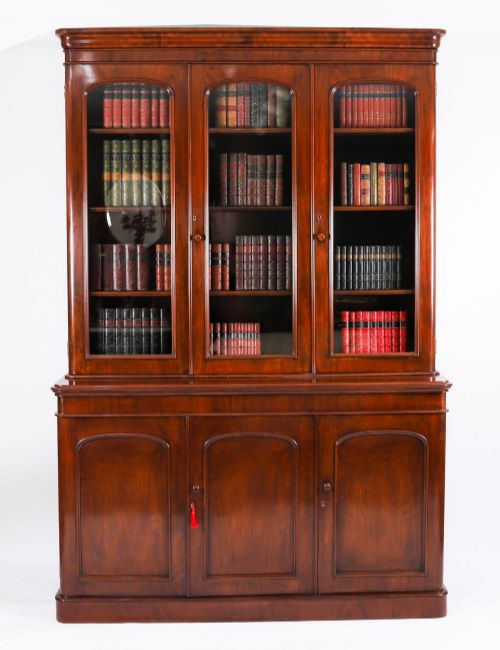
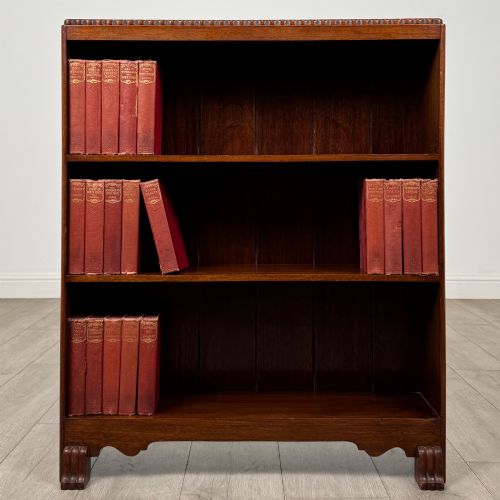
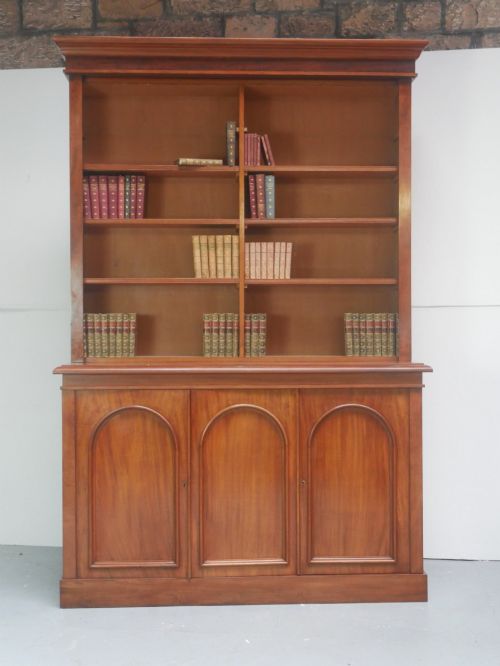
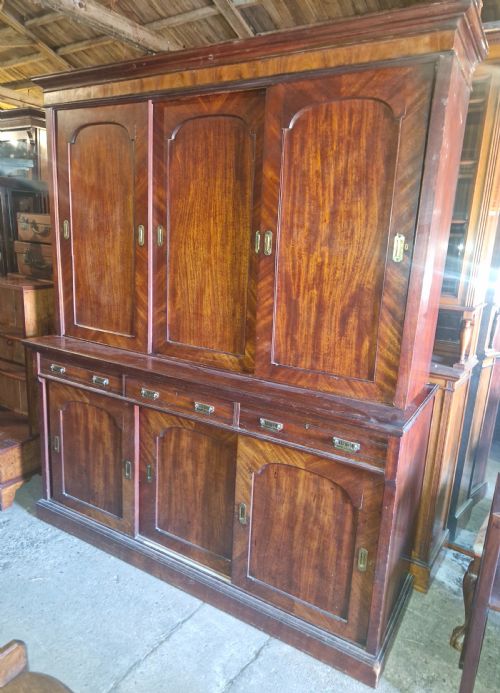


Reddish Brown Bookcase
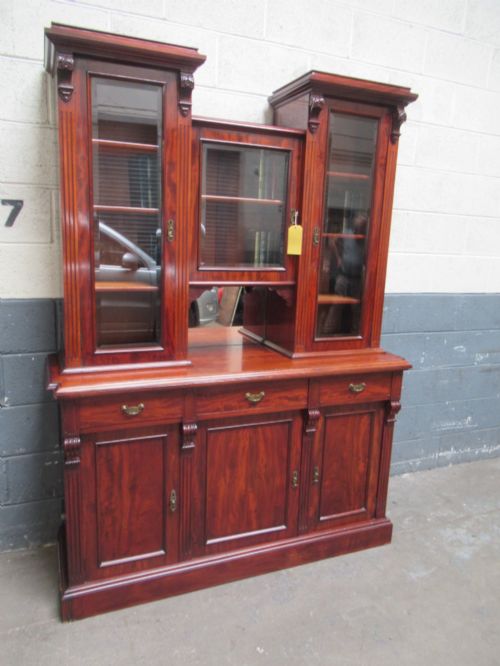
These reddish brown bookcases bring warmth and functional storage to any room, crafted from rich timbers suited to traditional interiors.
Reddish Brown Bookcase
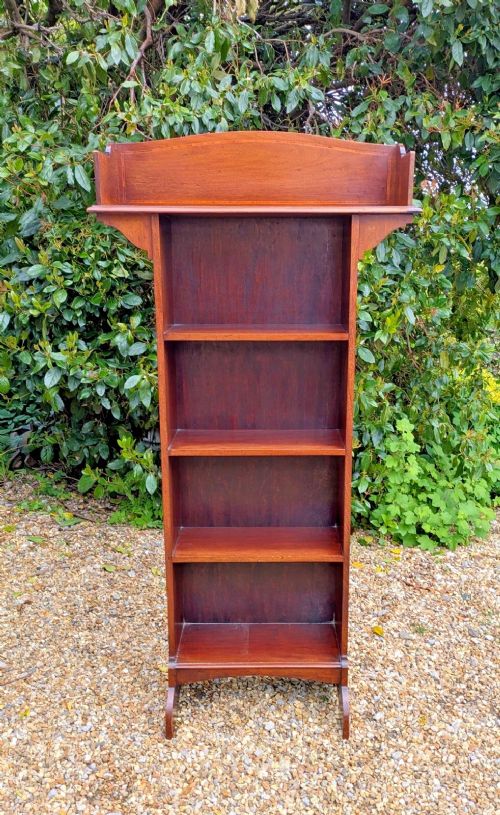
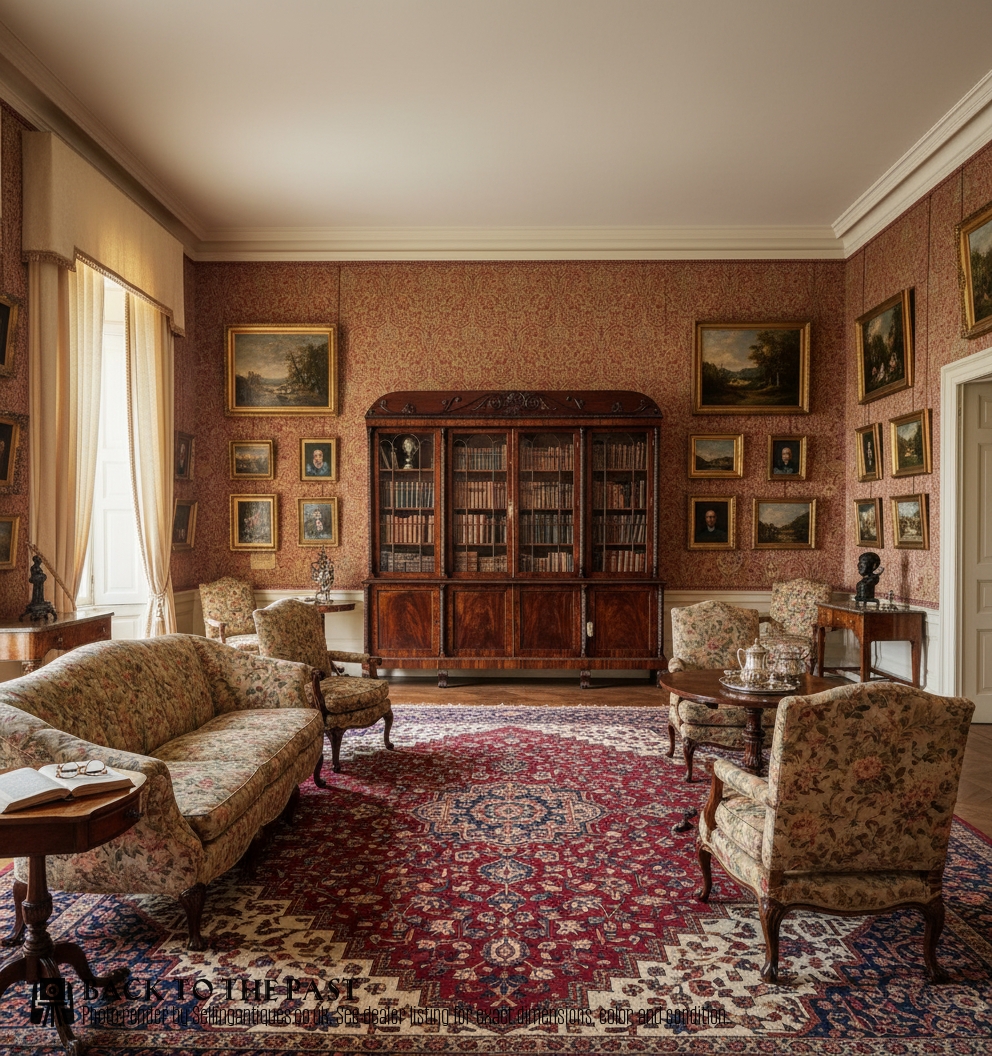
A reddish brown bookcase serves as a practical library piece, holding volumes behind timber or glazed doors. The selection on this page centres primarily on nineteenth-century examples.
The forms span standard bookcases and shelving units, along with glazed cupboards and display cabinets. Styles encompass Victorian, Edwardian, Regency, and Victorian Colonial designs.
Origins include English and Irish workshops, reflecting regional preferences in timber selection and decorative detailing. Pieces range from large library formats down to neat, compact domestic editions.
How They Were Made
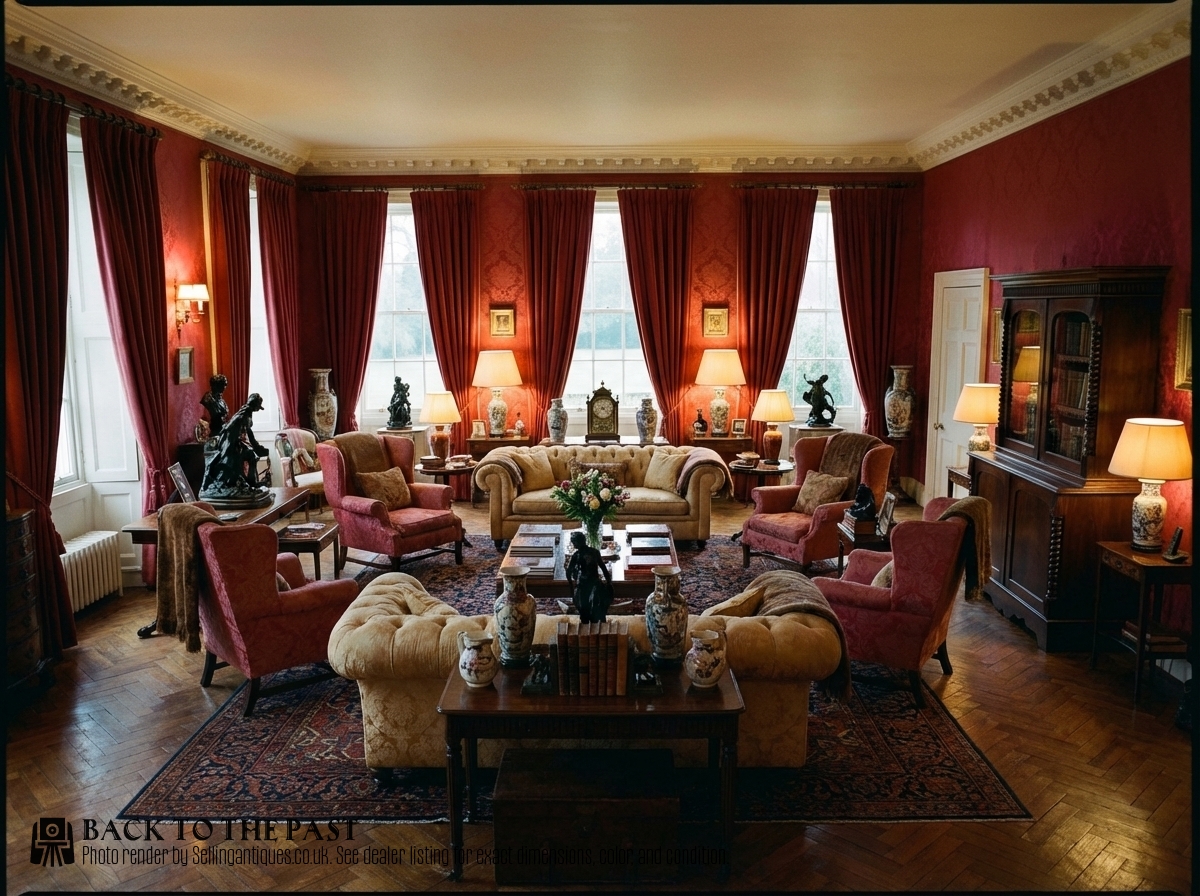
Cabinet makers utilised dense hardwoods such as mahogany, flame mahogany, and padauk to construct the primary carcases. These durable timbers provided a stable foundation for extensive shelving.
Surface enhancement involved decorative inlay work to accent the grain patterns of the wood. Brass fittings secure the doors, while glass panels protect the interior contents.
Reddish Brown Bookcase Retail Price Guide 2026
Typical asking prices for reddish brown bookcase among the pieces listed under this phrase on Sellingantiques today, from the lower quarter to the upper quarter. They describe what is for sale here now, not the wider market.
Materials appearing across the inventory include mahogany, flame mahogany, padauk, brass, inlay, and glass.
What Varies in Quality
The choice of timber significantly dictates the visual impact, particularly where highly figured flame mahogany is selected for the primary facade. Richer colouration and more active grain movement separate finer examples from plain utility pieces.
Subtlety in decorative inlay and the crispness of cabinet joints distinguish higher standard furniture. The integration of quality brass hardware and well-fitted glass doors further elevates the build.
The Reddish Brown Bookcase Glossary
- Flame mahogany
- A veneer cut from the fork of the mahogany tree, producing a distinctive fire-like ripple pattern across the wood. This decorative grain was favoured for prominent cabinet doors.
- Padauk
- A dense tropical hardwood known for its deep reddish brown tone and durability. It provides a robust structure for nineteenth-century glazed cupboards.
- Inlay
- The technique of inserting contrasting strips of wood or other materials into depressions in the carcase. This adds linear detail and geometric decoration to the facade.
- Glazed cupboard
- A storage piece featuring glass-fronted upper doors to display books while keeping dust at bay. These cabinets often sit atop a lower timber base with panelled doors.
Reddish Brown Bookcase: Frequently Asked Questions
How do I date these bookcases?
Dating relies on construction methods, timber choice, and stylistic markers associated with the nineteenth century. Details such as brass hardware and inlay styles help narrow the period.
Comparative analysis with documented examples from Victorian and Regency eras offers further chronological clarity.
What is flame mahogany?
Flame mahogany is a highly decorative wood veneer derived from specific sections of the tree trunk where the grain twists. This creates a dramatic, flamy pattern across the surface of the bookcase.
Cabinet makers reserved this striking timber for the most visible exterior panels.
How do I care for padauk wood?
Padauk furniture benefits from gentle dusting with a dry, soft cloth to protect the polished surface. Keeping the timber away from direct heat sources prevents the wood from drying out.
Occasional light treatment with appropriate wax preserves the deep reddish brown tone over time.
Where were these pieces built?
Surviving examples originate from English and Irish workshops operating during the nineteenth century. Regional furniture makers applied distinct local preferences to timber selection and decorative details.
Documented pieces reflect the broader stylistic shifts from Regency through Victorian and Edwardian periods.