

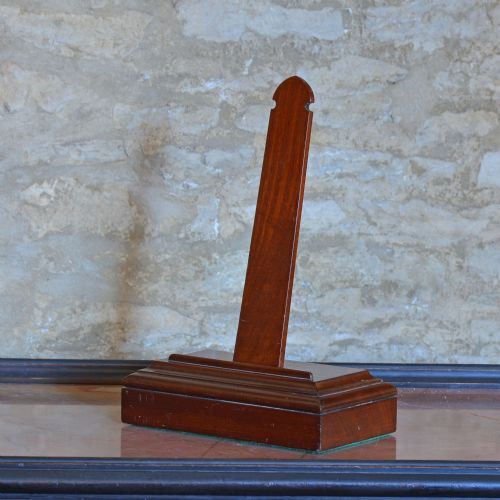


Mahogany Plate Rack
Mahogany plate rack selections bring warm timber tones and practical wall storage to a room, offering both display space and traditional utility.

Mahogany Plate Rack
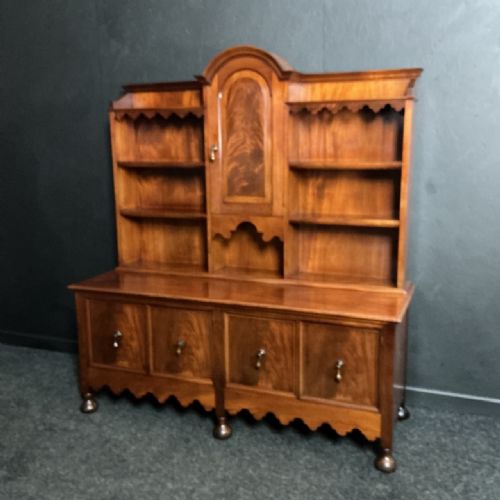
A mahogany plate rack is a functional piece of wall furniture designed to hold and display dishes securely. These pieces range from Georgian hanging shelves to Victorian wall storage and Edwardian dressers.
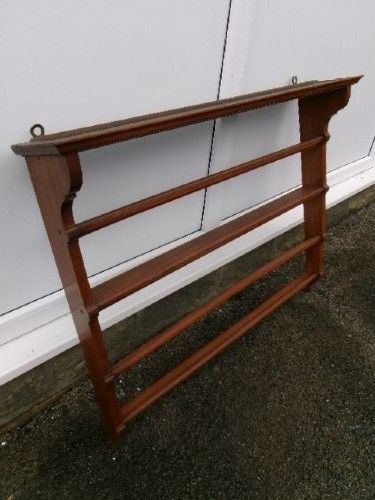
The version most commonly met on this page is the hanging shelf or wall-mounted rack, often featuring graduated tiers or timber slots intended to keep plates upright. Many examples date from the Georgian and Victorian periods, reflecting a long tradition of domestic display.
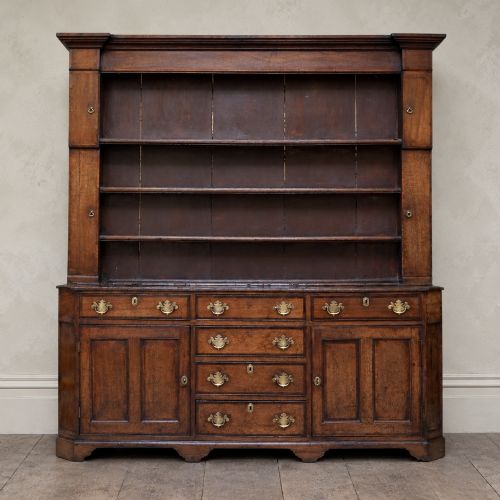
Beyond standard wall racks, related forms include open top cabinets, waterfalls, and larger dressers that incorporate mahogany timber alongside oak or brass details.
Materials and construction
Construction relies heavily on mahogany, sometimes selected as flame mahogany for richer grain patterns, occasionally paired with secondary timbers like oak or brass mounting hardware.
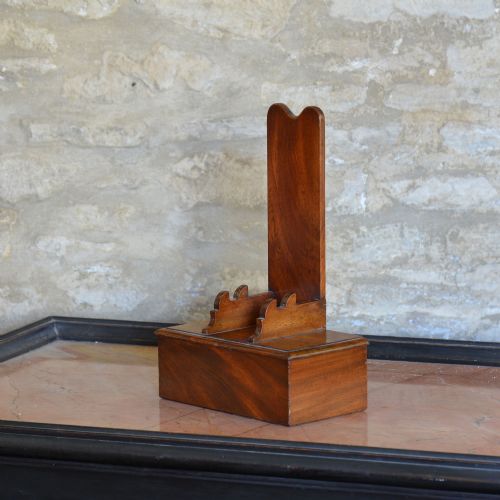
Joinery methods vary by period, utilising traditional techniques to secure shelves, backboards, and plate rails. Additional elements such as felt, leather, or bevelled glass appear on specific items like display stands and mirrors.
Mahogany Plate Rack Retail Price Guide 2026
Typical asking prices for mahogany plate rack among the pieces listed under this phrase on Sellingantiques today, from the lower quarter to the upper quarter. They describe what is for sale here now, not the wider market.
Listings span multiple centuries, ranging from eighteenth-century Georgian items to Edwardian pieces, utilising primary woods like mahogany and oak.
Distinctions in quality
Quality in a mahogany plate rack is largely determined by the selection of timber and the crispness of the cabinetmaking. Finely figured grain, such as flame mahogany, and clean structural proportions separate standard utilitarian items from finer examples.
The integrity of the original hanging points, the subtlety of mouldings, and the preservation of the timber surface contribute significantly to the standing of an individual piece.
Benetfink and Co Cheapside London
The Mahogany Plate Rack Glossary
- Mahogany
- A durable hardwood known for a reddish-brown colour and fine grain. It forms the primary material for most pieces seen here.
- Flame mahogany
- A veneer figure characterised by a flame-like or undulating pattern. It is chosen for decorative impact on visible surfaces.
- George III
- A British design period spanning the latter half of the eighteenth century and the early nineteenth century. Pieces from this era often exhibit classical proportions.
- Hanging shelves
- Wall-mounted tiers designed to save floor space while displaying ceramics or books. They frequently feature slotted plate rails.
- Dresser
- A larger storage piece combining shelving or rack space with lower cupboards or drawers. Examples span Georgian and Victorian eras.
Mahogany Plate Rack: Frequently Asked Questions
How were mahogany plate racks used?
These racks were designed to store and display ceramic plates safely in dining rooms or kitchens, keeping everyday tableware within easy reach.
The vertical slats or rails kept plates upright to prevent chipping while allowing them to air dry or remain on view.
How do I hang a vintage plate rack?
Hanging requires securing the piece directly into wall studs or using appropriate masonry fixings to support the weight of timber and heavy ceramics.
Given the solid mahogany construction, checking the stability of the original back brackets or adding discrete modern supports is essential.
How do I date a Georgian plate rack?
Dating relies on timber characteristics, construction methods, and hardware, with Georgian pieces generally showing hand-cut joinery and simpler, classical mouldings.
Later Victorian and Edwardian examples often incorporate machine-cut elements or different backboard configurations while retaining traditional forms.
How do I clean mahogany furniture?
Maintenance involves dusting with a soft cloth and occasionally feeding the timber with traditional beeswax to preserve the polished surface.
Avoid excessive moisture and harsh chemical cleaners, which can damage the original polish or veneer.