
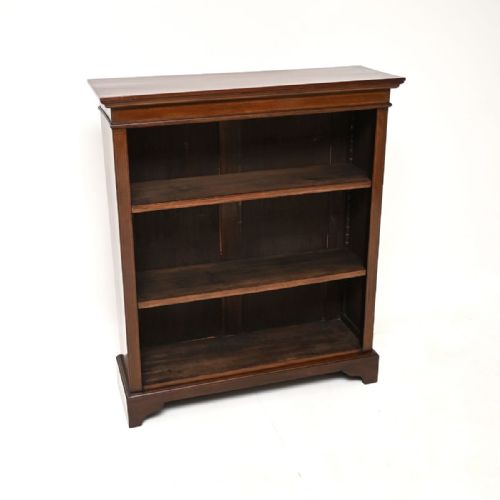
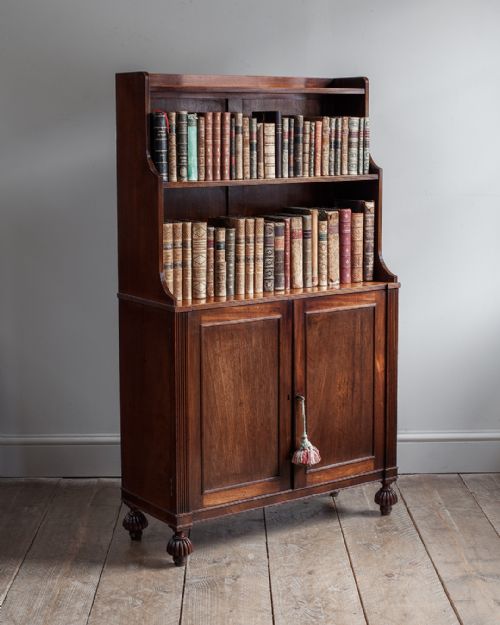
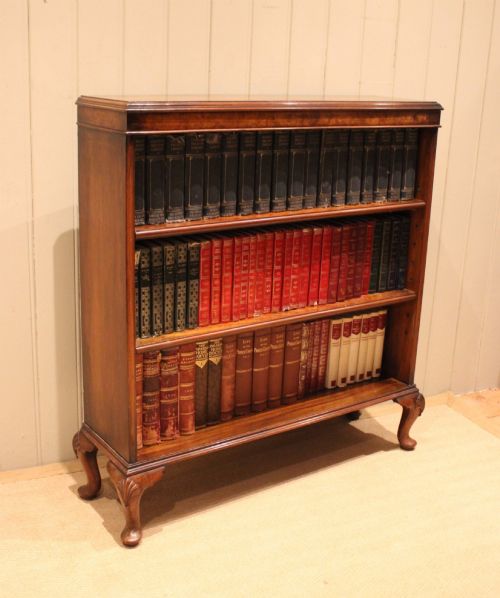
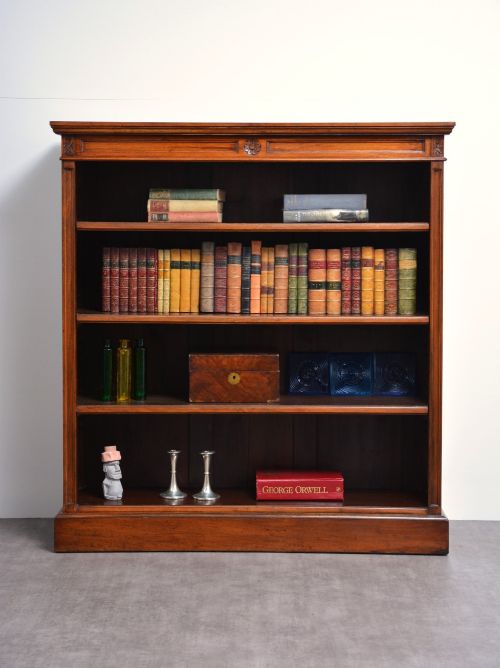
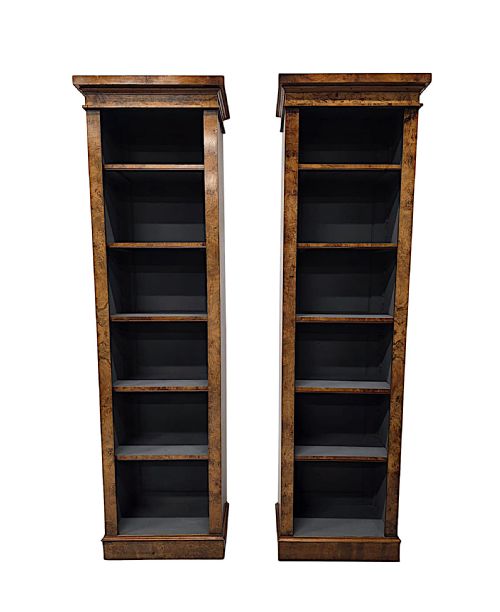
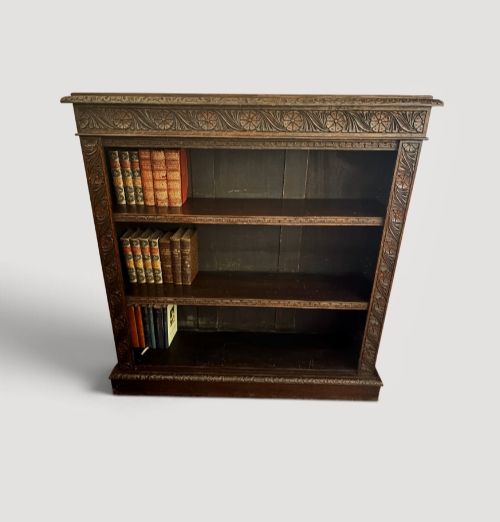
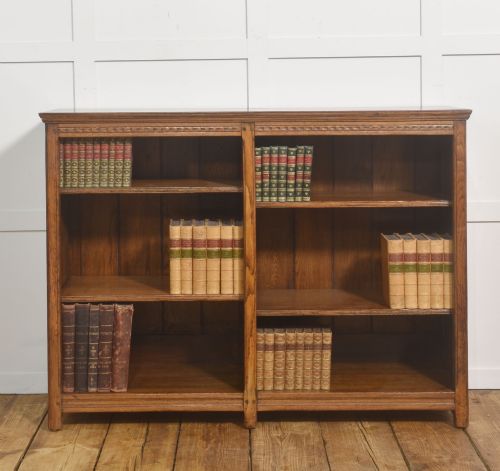
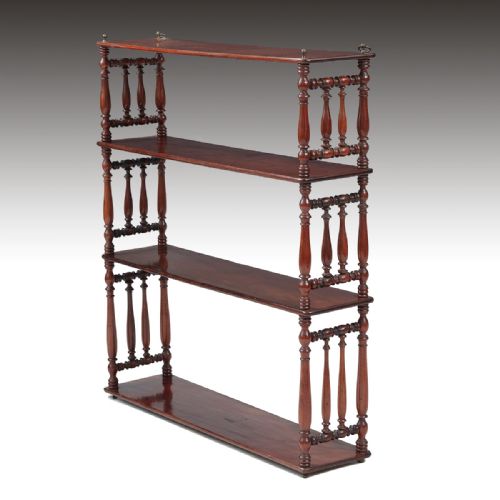
Brown Wooden Shelving Unit
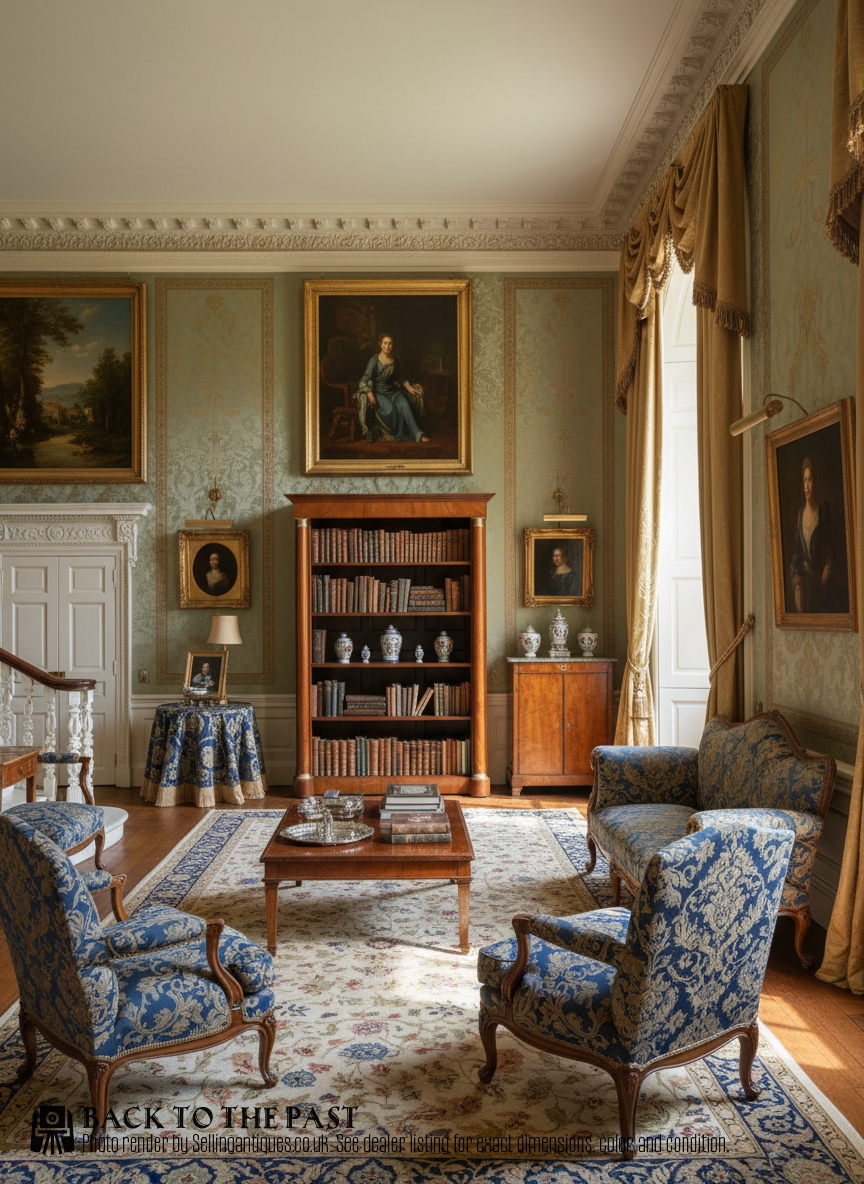
A brown wooden shelving unit organises your volumes and displays, combining sturdy practicality with rich grain.
Brown Wooden Shelving Unit
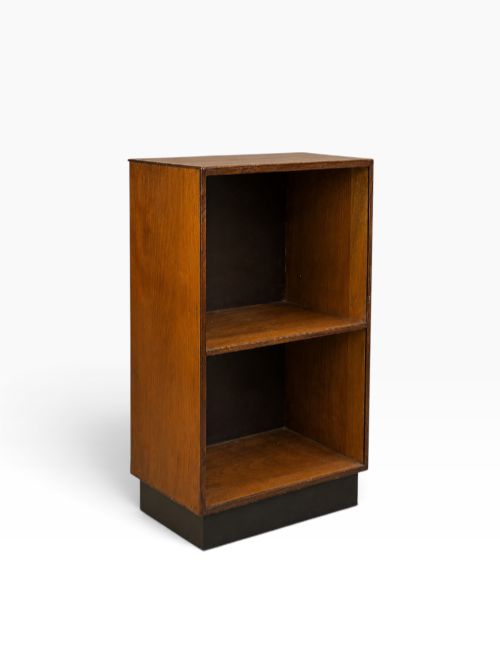
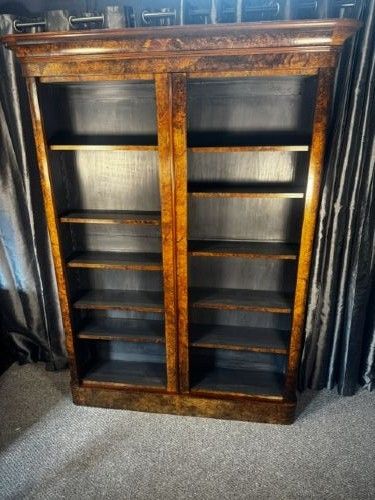
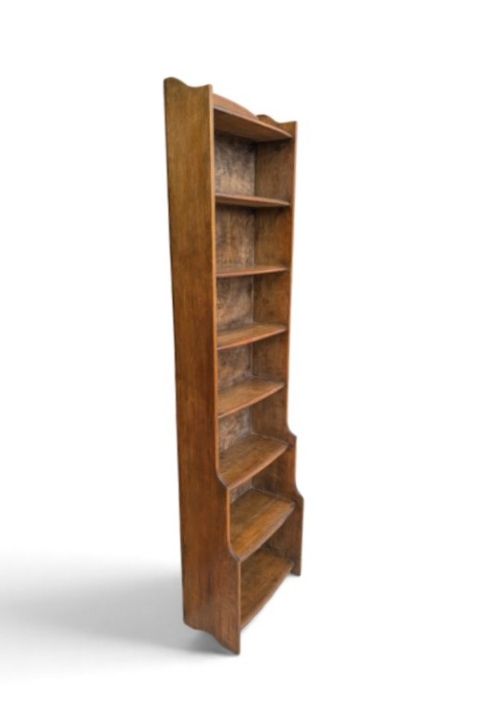
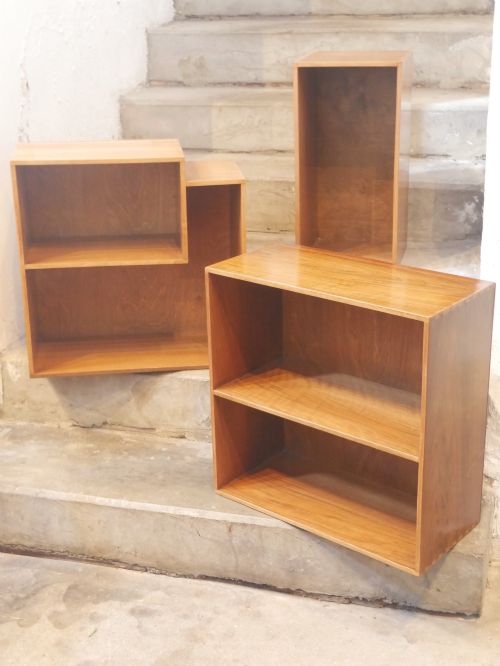
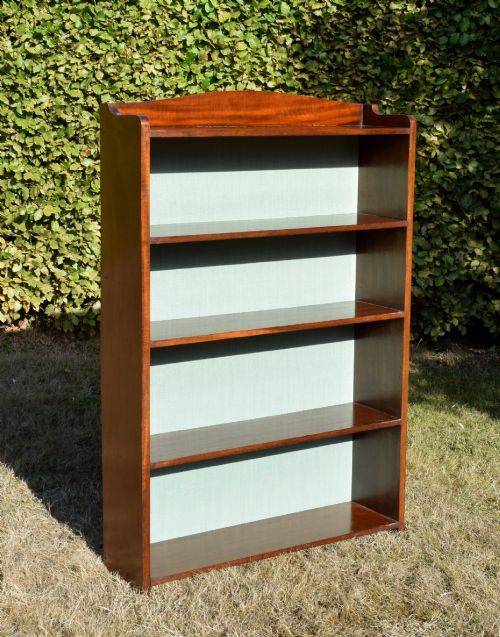
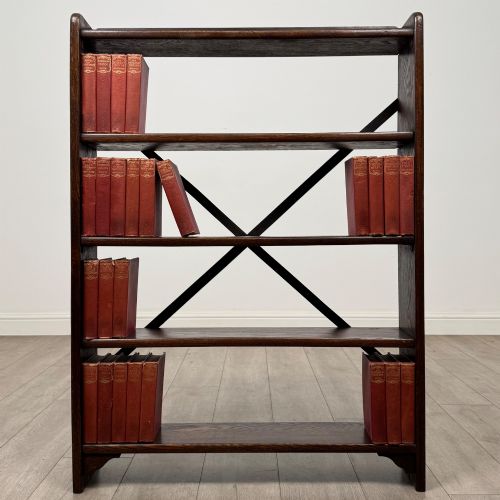
A brown wooden shelving unit serves primarily as an open bookcase, wall shelf, or etagere, designed to hold books and display objects. These pieces appear in forms ranging from slim early 20th-century burr walnut bookshelves to large breakfront library bookcases.
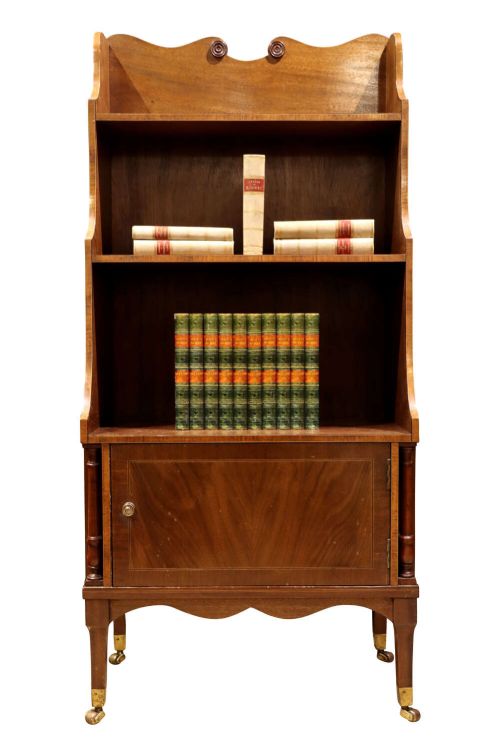
Makers fashioned these storage items as freestanding open units, hanging shelves, and rotating whatnots to suit domestic interiors. Buyers encounter variations like waterfall designs, stepped Art Deco shapes, and fitted adjustable shelves.
Materials and Construction
Cabinet makers utilised dense hardwoods such as mahogany, walnut, burr walnut, and oak to build the primary structures of these brown wooden shelving units. They frequently applied delicate inlays of satinwood or added brass elements like castors for mobility and decoration.
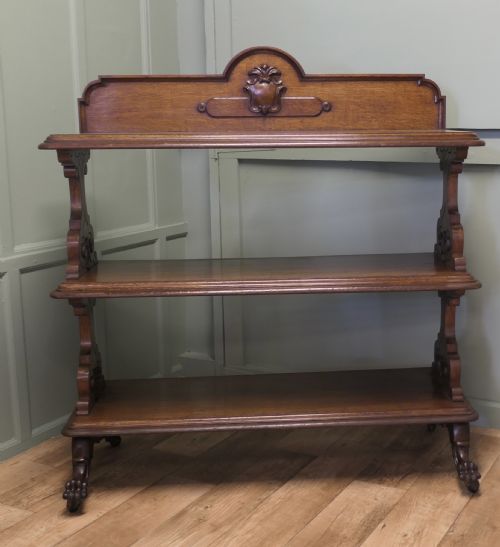
Joinery techniques varied from carved ornamentation on Victorian oak to the smooth, geometric lines seen in Art Deco ash and walnut veneer pieces. Makers incorporated adjustable shelf mechanisms in many open bookcases to accommodate different book heights.
Some Victorian whatnots were nicknamed 'what-not' because households simply ran out of names for every tiny display shelf.
Assessing Quality and Craftsmanship
The choice of timber underpins the distinction between standard and superior pieces, with burr walnut and figured mahogany commanding particular attention. Finer examples display meticulous grain matching and subtle inlay work rather than plain surfaces.
Structural refinement marks the upper tier of these items, visible in smoothly operating adjustable shelving systems and solid brass fittings. Carved details executed with crisp precision elevate pieces like Victorian buffets and oak display cabinets above utilitarian storage.
Heals
The Brown Wooden Shelving Unit Glossary
- Waterfall bookcase
- A tiered shelving unit where each lower shelf steps out wider than the one above it, creating a cascade effect. This form gained popularity during the Regency and Edwardian periods.
- Etagere
- A piece of furniture consisting of a set of open shelves for displaying small objects or ornaments. These often feature turned legs and delicate wooden supports.
- Whatnot
- A multi-tiered piece of furniture used for storing and displaying books, ornaments, or bric-a-brac. Victorians favoured them in parlours and drawing rooms.
- Breakfront
- A large cabinet or bookcase where the central section projects forward from the flanking sections. This design adds architectural depth to large libraries.
- Open bookcase
- A shelving unit without doors, allowing direct access to the books stored within. Many versions incorporate adjustable wooden shelves.
Brown Wooden Shelving Unit: Frequently Asked Questions
How do I style a brown wooden shelving unit?
Balance books of various heights with decorative objects and ceramics across the available tiers. Leave some empty space to prevent the shelves from appearing overcrowded.
Incorporate items made from contrasting materials, such as brass accents or glass, to highlight the rich tones of the walnut, mahogany, or oak timber.
Are the shelves adjustable on these bookcases?
Many of the open bookcases and shelving units feature adjustable shelves supported by wooden or metal pins. This allows you to customise the shelf heights for large volumes or smaller paperbacks.
Check individual item descriptions to confirm whether the shelving mechanism is fixed or adjustable before purchase.
What is the difference between an etagere and a whatnot?
An etagere is typically a lighter, decorative display structure featuring multiple open tiers supported by slender uprights. They often appear in French walnut styles with turned legs.
A whatnot is a sturdier piece of furniture traditionally used for general display and storage in Victorian homes, often featuring multiple stacked platforms.
How do I care for antique wood furniture?
Dust the timber regularly with a soft, dry cloth to prevent dirt accumulation on the polished surface. Avoid placing the shelving unit in direct sunlight or near heat sources to protect the veneer and grain.
Apply a quality beeswax periodically to nourish the mahogany, walnut, or oak and maintain its natural lustre.