






Narrow Open Bookshelf
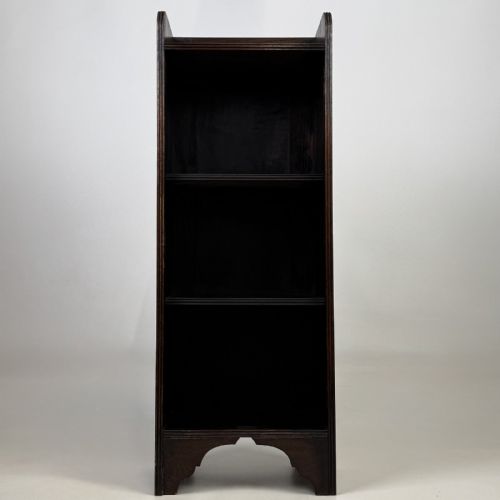
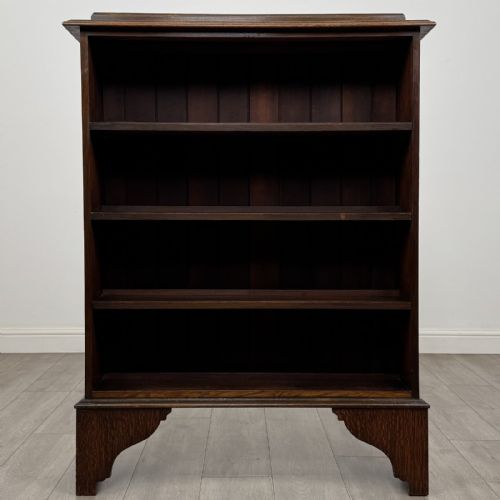
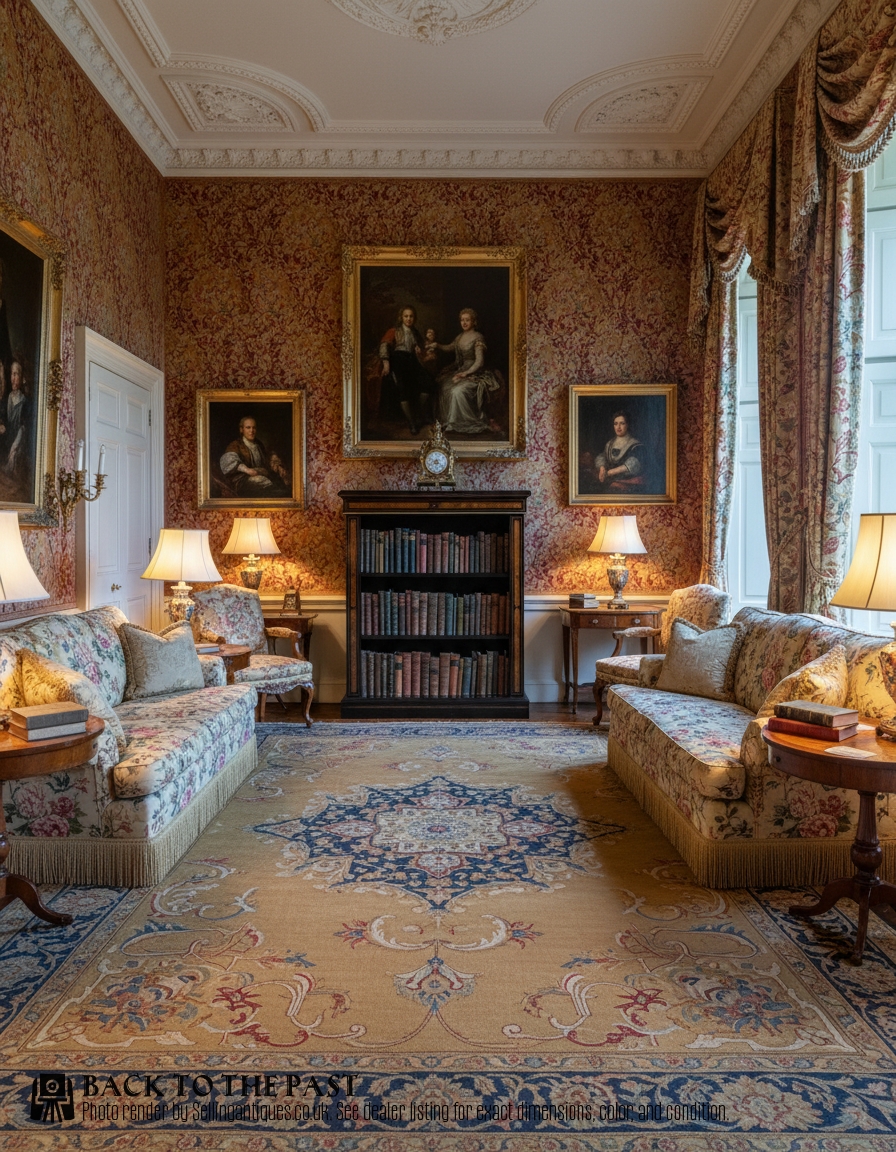
A narrow open bookshelf offers compact shelf space for rooms short on floor area, combining upright proportions with easy access to volumes.
Narrow Open Bookshelf
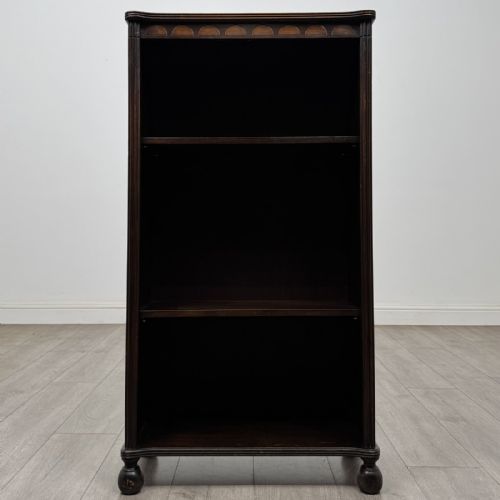
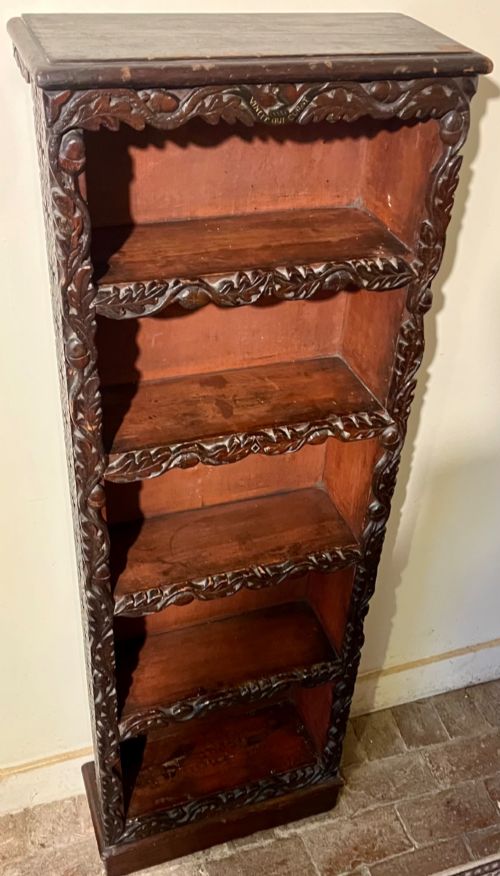
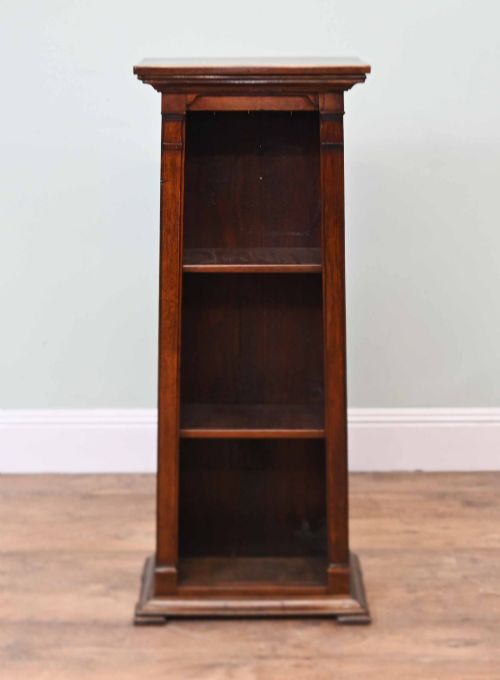
A narrow open bookshelf provides upright storage across multiple tiers without doors, designed to fit into compact alcoves and small spaces. When you search for a narrow open bookshelf, you meet pieces originating mainly from the Victorian, Edwardian, and early twentieth-century periods. These examples frequently span oak, mahogany, walnut, and pine, reflecting the domestic preferences of their eras.
The format encompasses various stylistic revivals alongside plain utilitarian forms, including Arts and Crafts, Jacobean Revival, and Georgian Revival interpretations. Oak and mahogany dominate the offerings, often built in neat, slender proportions suited to apartment living or smaller studies.
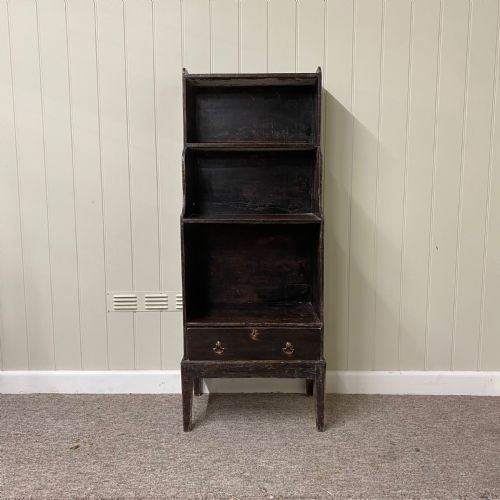
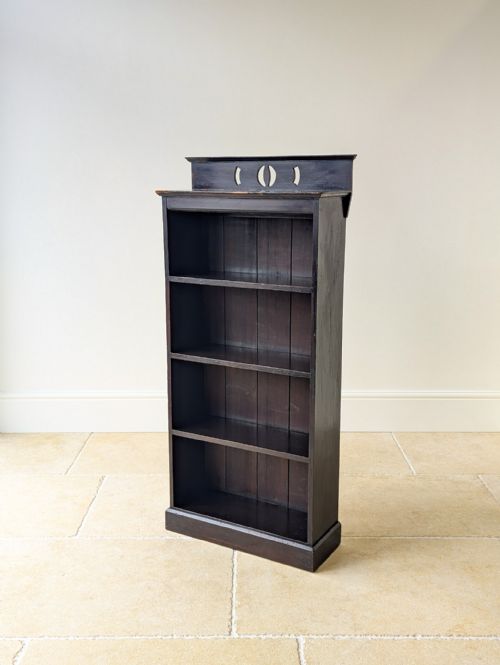
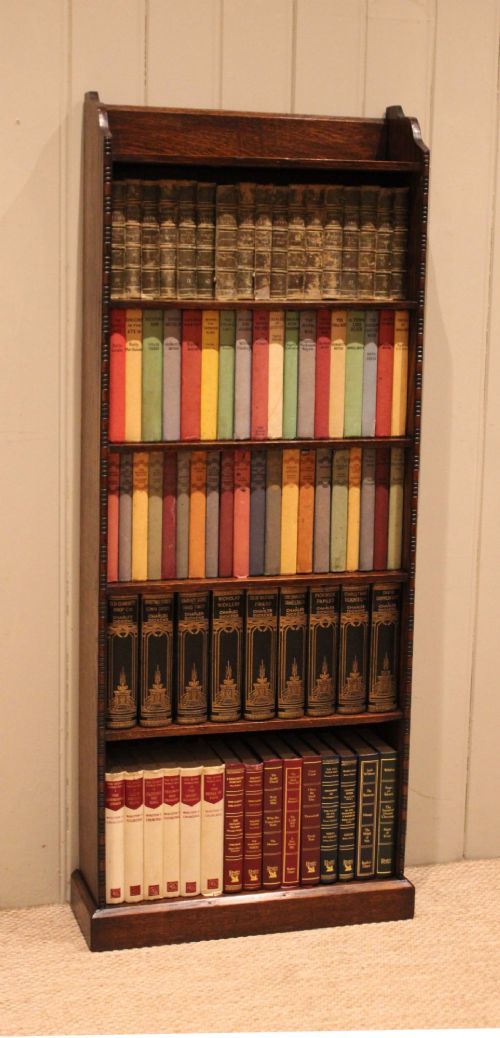
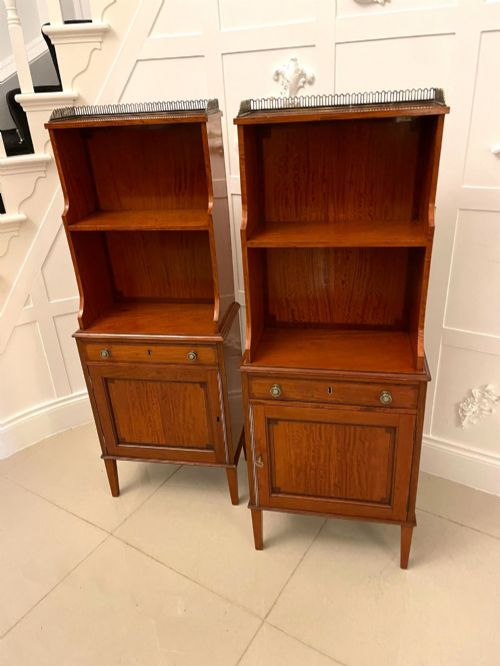
Many items incorporate subtle details such as beaded edges, inlaid stringing, decorative cut-outs, or waterfall tiers. Others pair open shelving with a lower cupboard or a single drawer, giving enclosed storage beneath the main tiers.
Materials and construction methods
Cabinet makers constructed these pieces primarily from solid hardwoods like oak and mahogany, alongside softer alternatives such as pine and painted timber. Burr walnut and satinwood appear on finer decorative items, utilising rich grain patterns to enhance visual interest.
Joinery techniques rely on traditional solid timber construction, with fixed or adjustable shelves supported by side panels and backboards. Details like brass hardware, applied mouldings, and delicate inlay work distinguish the workshops that produced them.
Narrow Open Bookshelf Retail Price Guide 2026
Typical asking prices for narrow open bookshelf among the pieces listed under this phrase on Sellingantiques today, from the lower quarter to the upper quarter. They describe what is for sale here now, not the wider market.
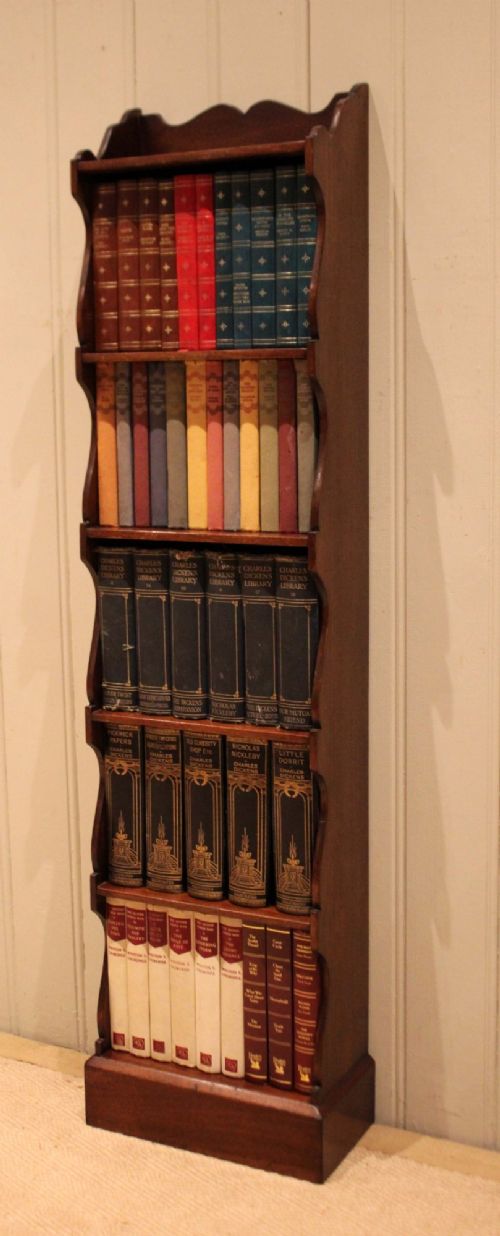
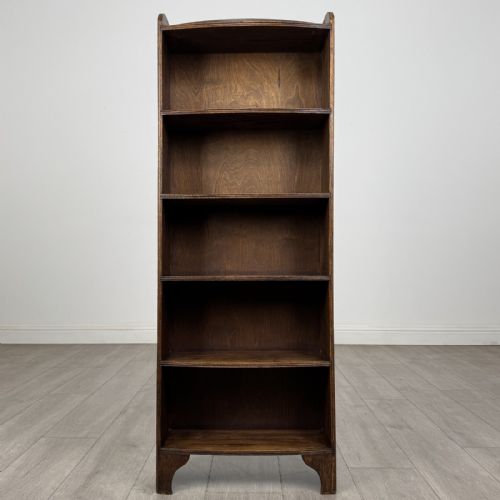
Several pieces feature decorative cut-outs designed to catch the eye in a hallway.
Distinctions in quality
The grade of timber and the precision of the joinery mark the difference between standard utility furniture and superior cabinet work. Richly figured veneers, intricate inlay, and thoughtful proportioning elevate certain pieces far above plain production items.
Design sophistication also separates the range, with distinctive stylistic touches such as Arts and Crafts cut-outs or waterfall tiers showing greater ambition than plain rectangular carcasses.
Gillows·E A Taylor·Waring and Gillows
The Narrow Open Bookshelf Glossary
- Waterfall bookcase
- A tiered shelving unit where each successive shelf steps back from the one below, creating a cascading profile. These pieces often feature graduated depths from top to bottom.
- Beaded edge
- A narrow, rounded decorative moulding applied to the front margins of shelves or uprights. This detail adds subtle texture to otherwise plain timber framing.
- Inlay
- The technique of embedding contrasting strips or pieces of wood into the primary surface to create decorative patterns. Mahogany examples frequently incorporate lightwood stringing along the front fascia.
- Arts and Crafts
- A design movement prioritising honest construction, visible joinery, and functional simplicity over excessive ornamentation. Oak examples from this tradition often display decorative cut-outs and chamfered edges.
Narrow Open Bookshelf: Frequently Asked Questions
Where should I place a narrow open bookshelf?
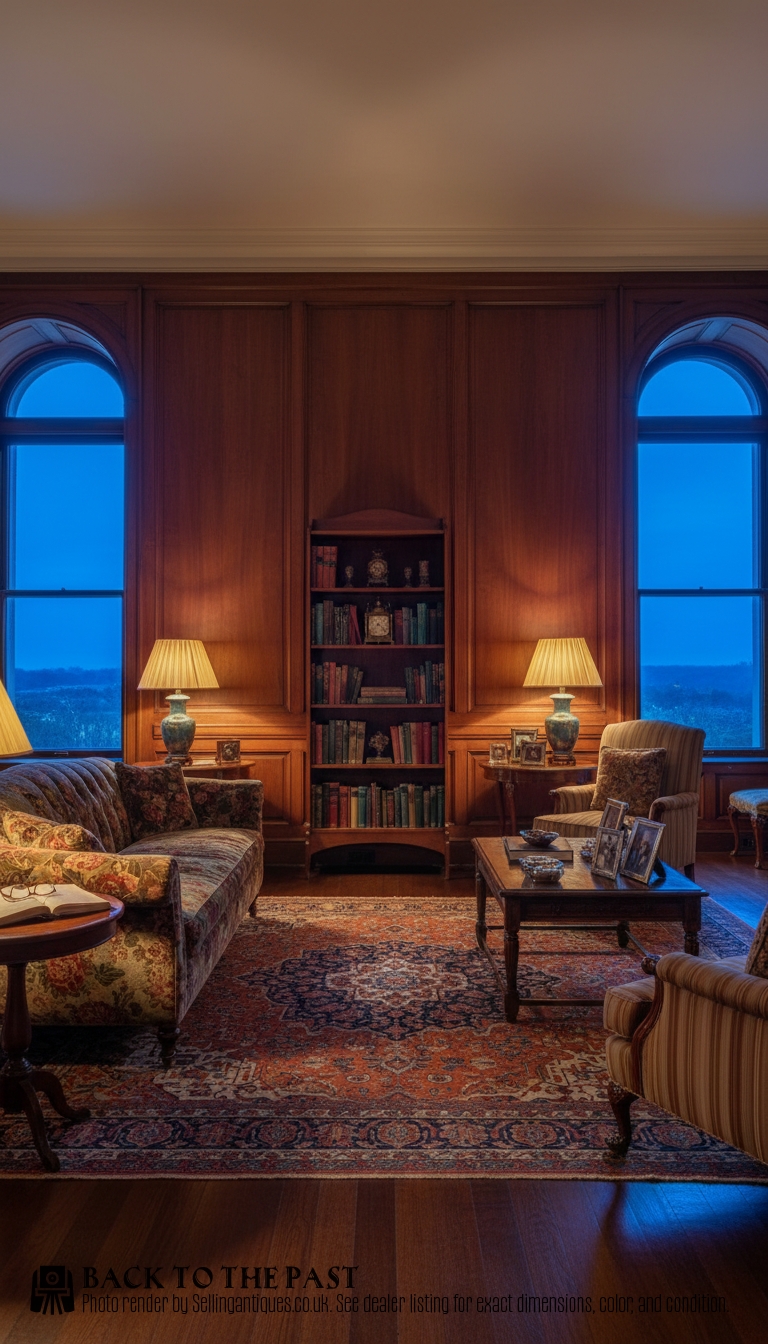
These slender units suit tight spaces, alcoves, and short walls where standard bookcases overwhelm the room.
Their open format keeps books and display items readily accessible without the visual weight of heavy doors.
How do I identify an Edwardian bookcase?
Edwardian pieces often feature lighter timbers, subtle inlay work, and refined proportions influenced by eighteenth-century revivals.
They frequently employ oak or mahogany with neat detailing rather than heavy Victorian mass.
Are these bookshelves suitable for heavy volumes?
Solid hardwood versions in oak and mahogany provide robust support for dense collections of books.
Checking the thickness of the shelves and the sturdiness of the side panels ensures they hold substantial weight securely.
What is the difference between an open bookshelf and a whatnot?
A bookcase focuses primarily on storing books across uniform tiers, whereas a whatnot traditionally serves as a multi-tiered display stand for ornaments.
Many antique pieces blur this distinction by combining display shelves with book storage.