
Edwardian Washstand
When you search for an edwardian washstand, you are looking at practical bedroom furniture built for washing before indoor plumbing became universal.
Edwardian Washstand
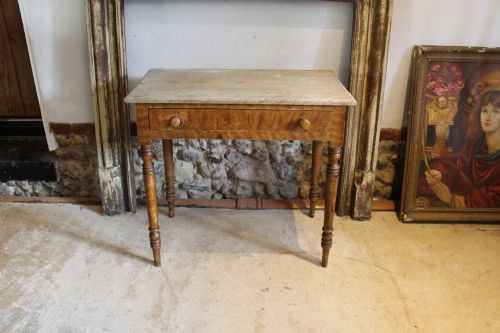
An edwardian washstand is a dedicated piece of domestic furniture designed to hold water basins, jugs, and toiletries in the bedroom. These pieces date principally from the early twentieth century, though related forms extend into the Victorian era.
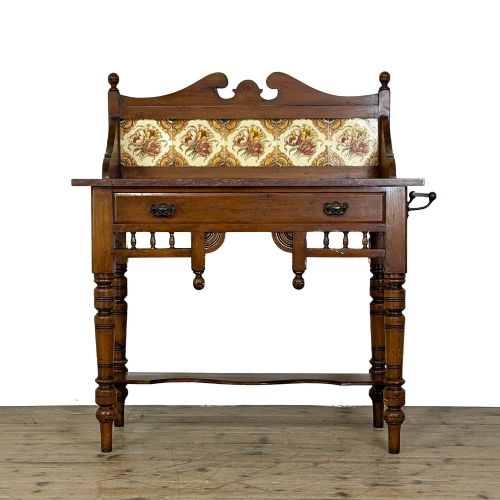
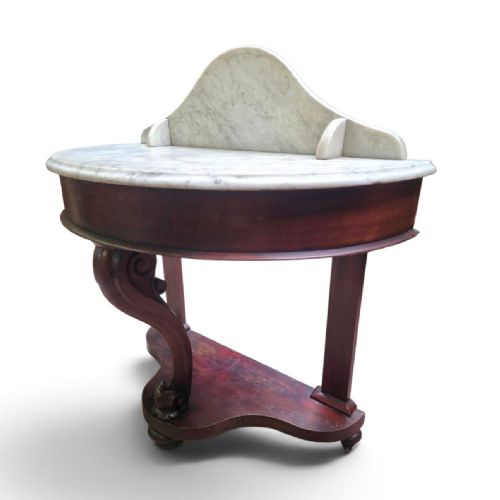
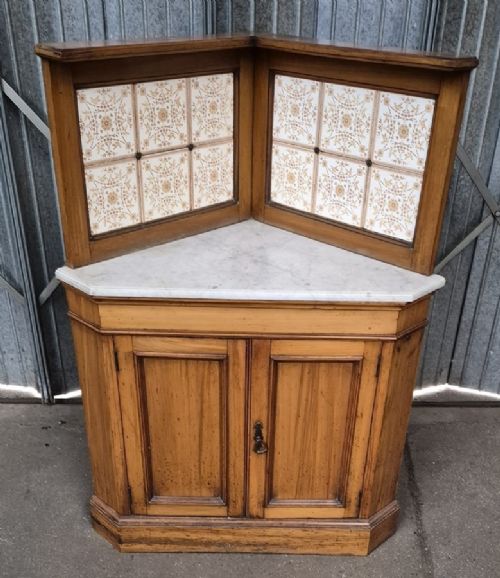
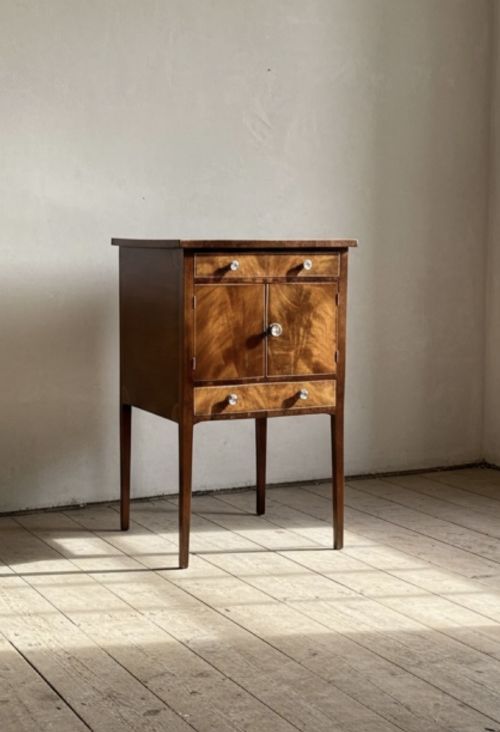
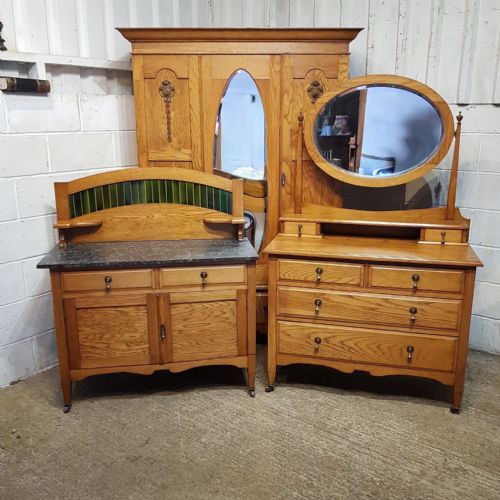
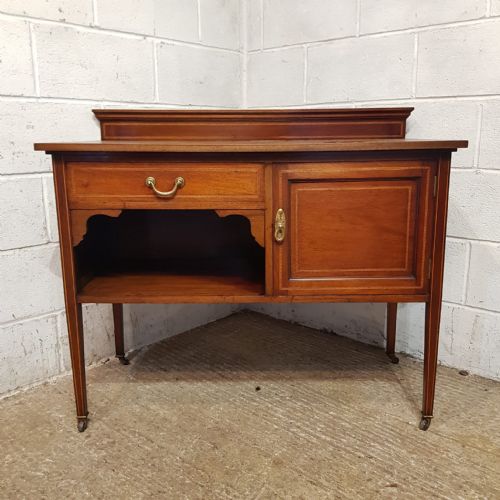
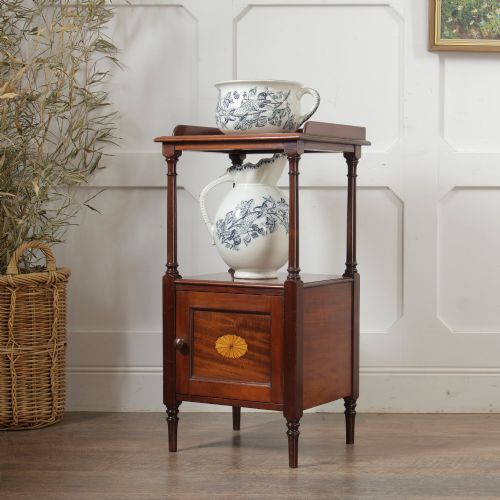
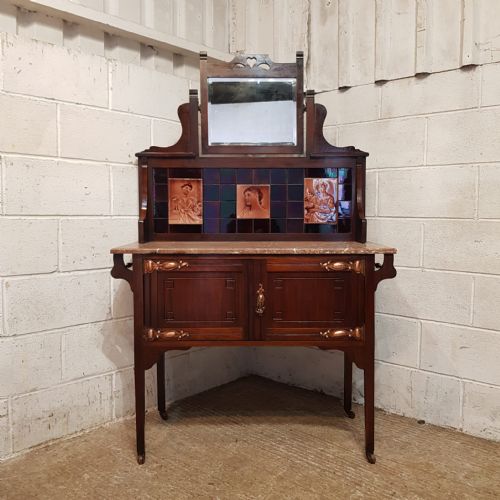
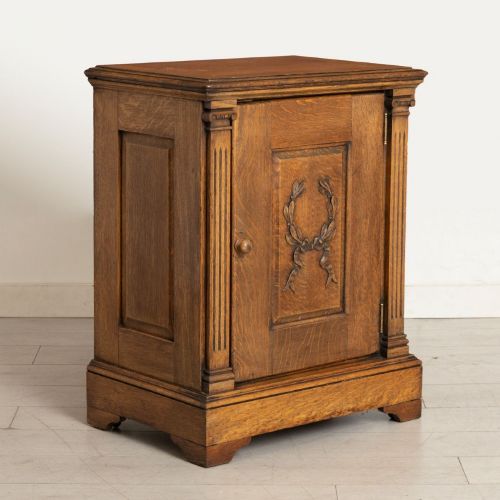
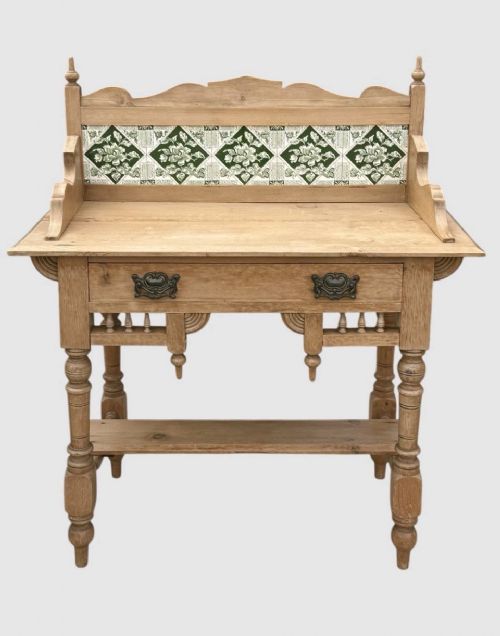
The version you are most likely to meet on this page is constructed from mahogany, oak, or pine, frequently topped with white or grey marble and backed by a ceramic tile splashback. Many examples include a small cupboard below or a single drawer for storage.
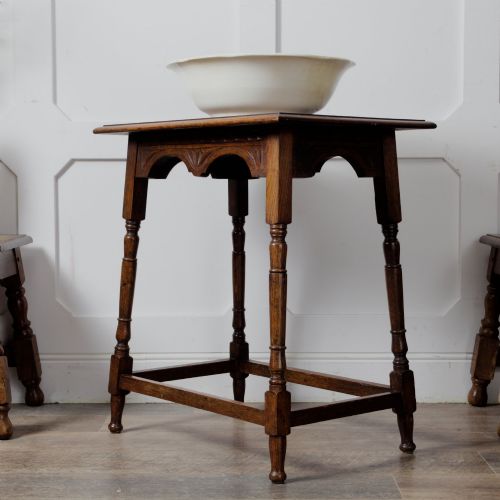
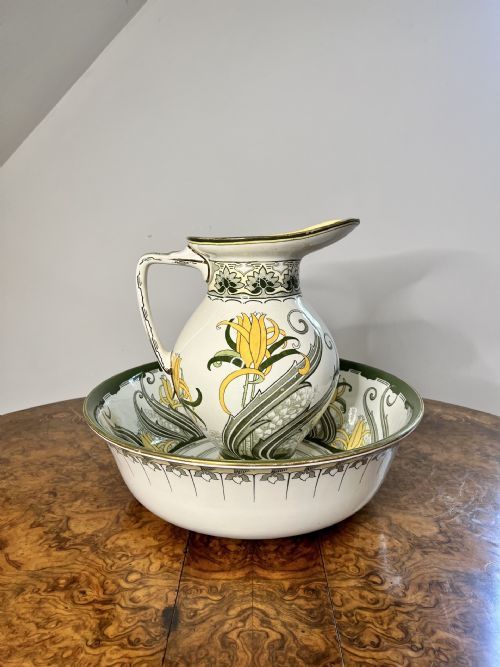
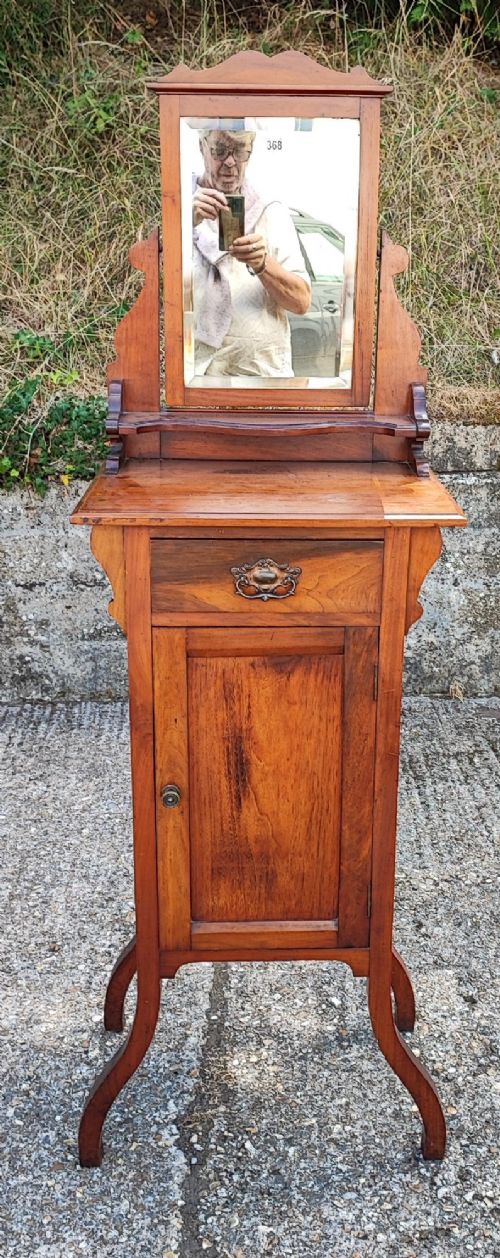
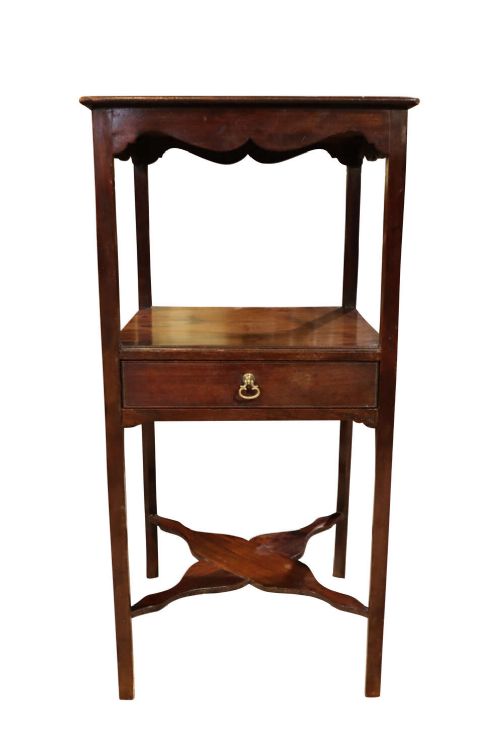
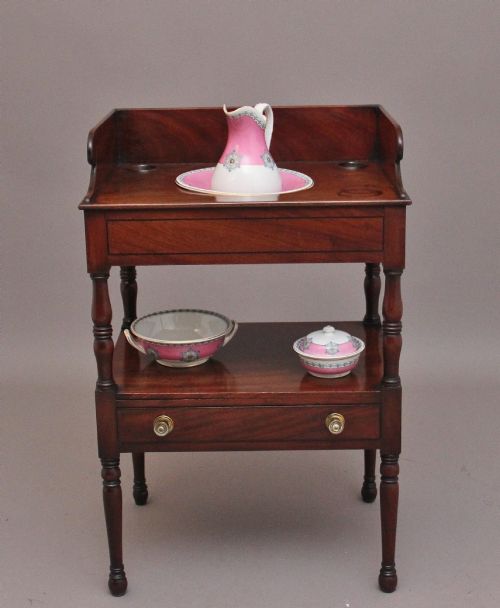
The form encompasses dedicated corner units, shaving stands, and standard rectangular tables fitted with galleries to prevent water splashing against the wallpaper. Accompanying ceramic jug and bowl sets often complete the ensemble.
How they were made
Makers utilised solid timbers such as mahogany, walnut, oak, and pine, occasionally applying satinwood veneers or marquetry inlay to the principal surfaces. Carved details, turned legs, and brass castors appear on finer examples from the period.
Marble slabs were fitted to the upper surface to provide a durable, water-resistant counter for daily ablutions, paired with glazed ceramic tiles secured to wooden upstands. Earthenware and porcelain jugs and basins were potted separately to fit the basins.
Listings feature oak, mahogany, pine, and walnut timbers alongside marble, ceramic, and brass elements across Edwardian and Victorian forms.
What varies in quality
The distinction between standard utility pieces and finer examples rests on the selection of timber, the weight of the marble top, and the intricacy of the cabinetwork. Heavier hardwoods, figured veneers, and integrated tile splashbacks indicate superior workshop production.
Hardware selection and decorative flourishes, such as satinwood banding or carved mouldings, separate mass-produced utility washstands from pieces commissioned from notable cabinet makers of the era.
James Shoolbred·Gillows·Mark Jones And Sons·Harrods·Walker And Sons
The Edwardian Washstand Glossary
- Marble top
- A polished stone slab fitted to the upper surface of a washstand to resist water damage during washing. This heavy insert provides a cool, non-porous working area.
- Splashback
- A vertical timber frame behind the counter, often lined with decorated ceramic tiles to protect the wall from water splashes. It frequently incorporates a small shelf for toiletries.
- Jug and bowl set
- A matching ceramic basin and pitcher designed to sit upon the washstand surface for morning ablutions. These sets are glazed earthenware or porcelain.
- Gallery
- A low wooden rail raised around the edges of the washstand top to keep the basin and small items from sliding off. It forms part of the upper framework.
Edwardian Washstand: Frequently Asked Questions
What was an edwardian washstand used for?
These pieces served as the primary washing station in bedrooms before plumbed bathrooms became standard in family homes. Householders used the marble or wooden surface to hold a ceramic basin and water jug for morning and evening routines.
Cabinets and drawers beneath the counter stored linens, chamber pots, and washing accessories. Shaving stands provided specialised variations with adjustable mirrors for gentlemen.
How do I care for a marble top?
Clean the stone surface using warm water and a soft cloth, avoiding acidic cleaners or harsh chemicals that can etch the polish. Wipe up standing water promptly to prevent mineral rings from forming.
Waxing the surrounding wood elements protects the finish from moisture without harming the stone insert. Lift marble slabs with care if removal is necessary for transport.
Are jugs and bowls usually included?
Some listings include matching ceramic jugs and bowls, while others offer the stand alone as a decorative piece of furniture. Earthenware and porcelain sets were produced in complementary patterns to sit upon the counter.
Buyers should check individual descriptions to confirm whether ceramic accessories accompany the wooden structure. Replacement sets can be sourced separately if needed.
Where can I place one in a modern home?
These versatile items function effectively as hallway console tables, bathroom vanity bases, or side tables in living rooms. The durable marble surface handles moisture well, making them practical for contemporary bathrooms.
Drawers and cupboards offer concealed storage for everyday items while retaining period character. Their compact proportions suit smaller rooms where traditional sideboards prove too deep.