


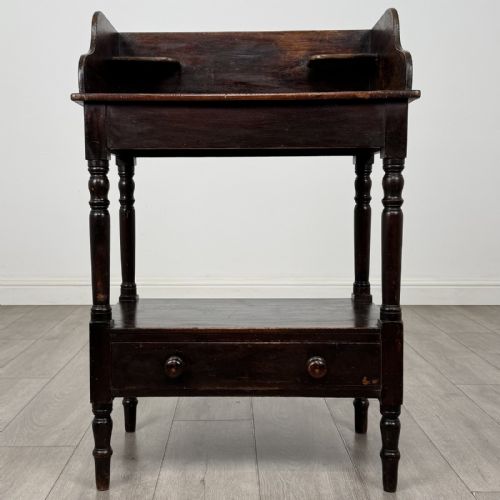
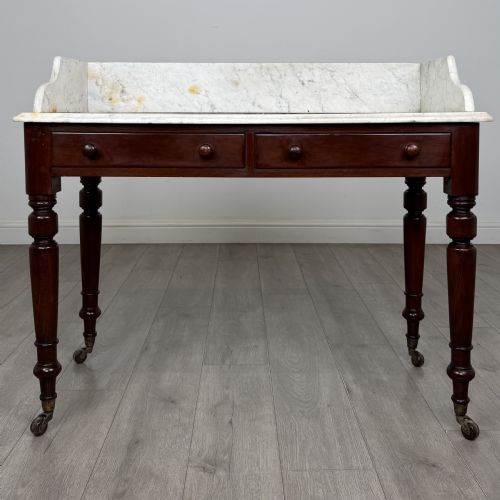
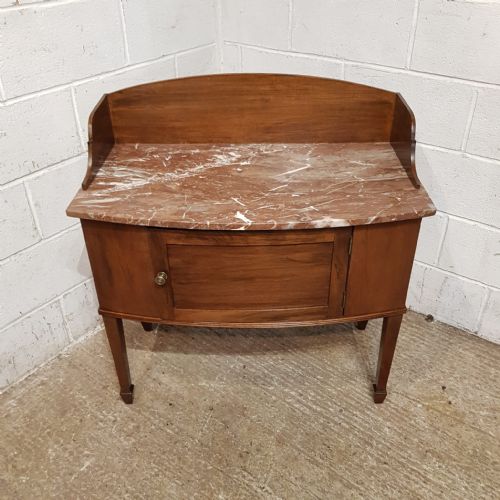
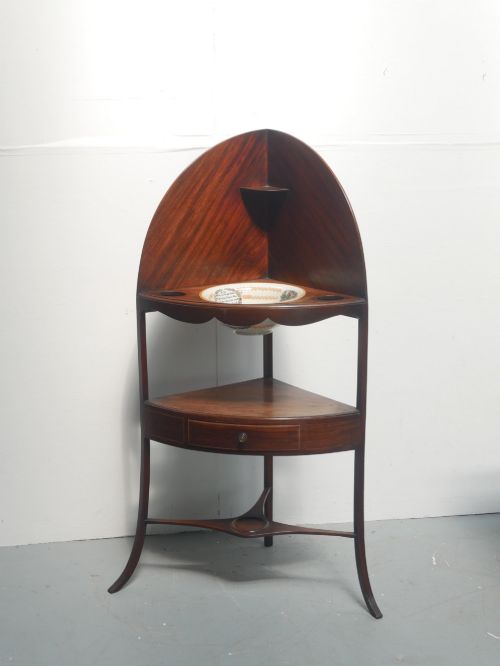
Antique Wash Table
When you search for an antique wash table, you discover pieces designed for personal ablutions before indoor plumbing became universal.
Antique Wash Table
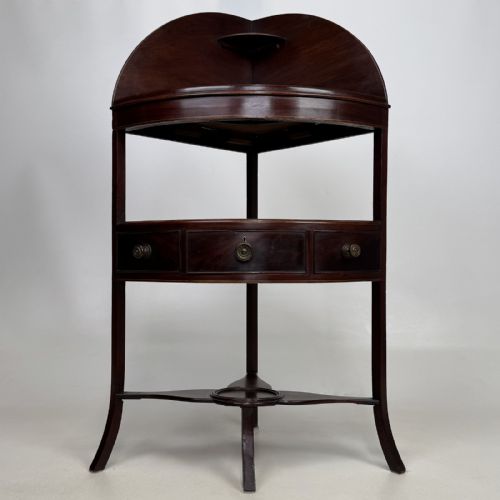
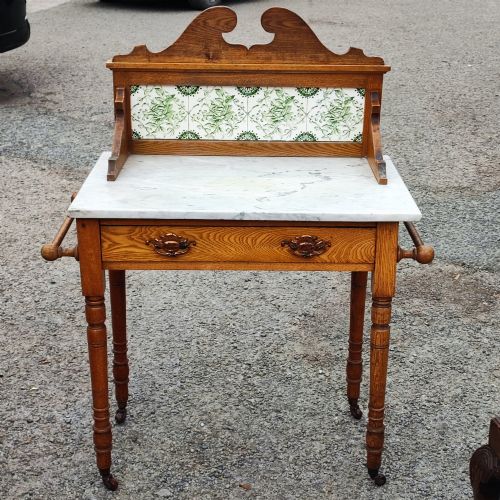
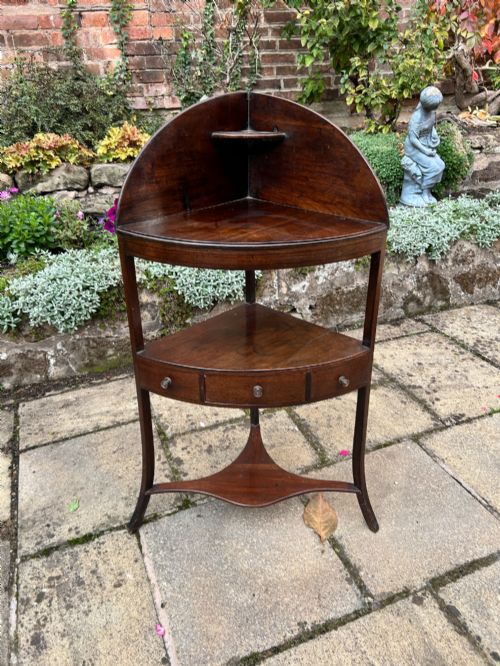
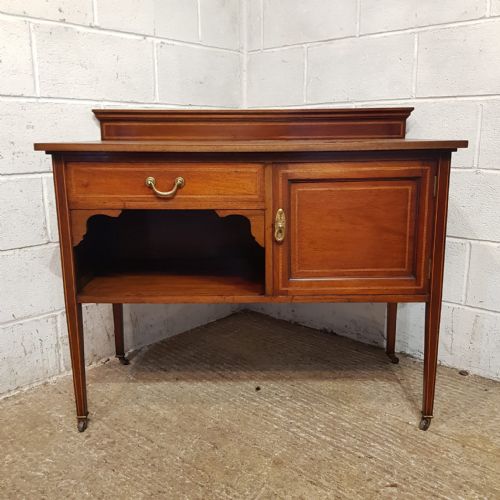
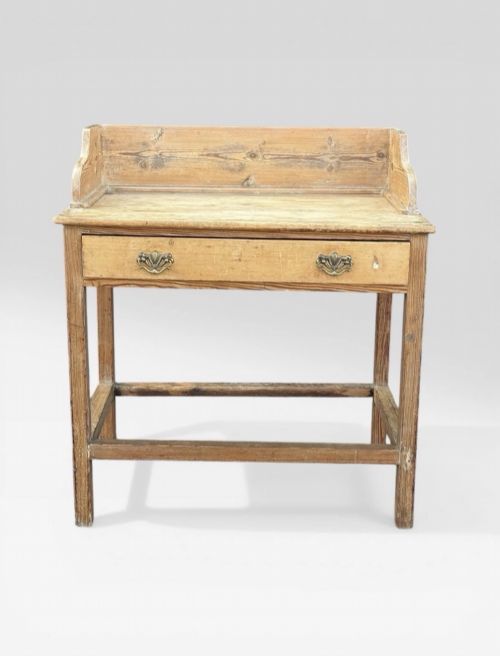
An antique wash table serves as a functional piece of bedroom furniture created to hold basins, jugs, and washing equipment. Buyers searching this phrase encounter various forms, including corner washstands designed to fit tight spaces and freestanding tables with marble tops.
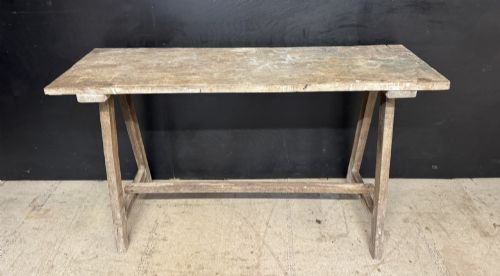
The selection spans periods from the Georgian and Regency eras through the Victorian and Edwardian decades, alongside rustic farmhouse pine examples. Pieces range from straightforward utilitarian painted pine items to refined mahogany designs featuring inlay and satinwood.
How They Were Made
Cabinetmakers utilised primary timbers like mahogany, pine, and satinwood, often pairing them with brass hardware and ceramic or glass accessories. Corner units and freestanding tables display traditional joinery suited to daily bedroom use.
Many pieces incorporate inset marble tops in white or rouge to resist water damage during washing routines, while others retain original painted finishes on pine.
Antique Wash Table Retail Price Guide 2026
Typical asking prices for wash table among the pieces listed under this phrase on Sellingantiques today, from the lower quarter to the upper quarter. They describe what is for sale here now, not the wider market.
Listings demonstrate materials ranging from mahogany and pine to marble, brass, and wrought iron across Georgian to Edwardian periods.
What Varies in Quality
The choice of timber and the precision of inlay distinguish standard examples from finer outputs, particularly in Georgian and Victorian mahogany pieces. Superior items feature integrated cabinet doors, well-fitted marble slabs, and secondary woods selected with care.
Original surfaces and untouched paint elevate a piece, whereas heavy alterations or mismatched components alter the integrity of the furniture.
Maple and Co
The Antique Wash Table Glossary
- Washstand
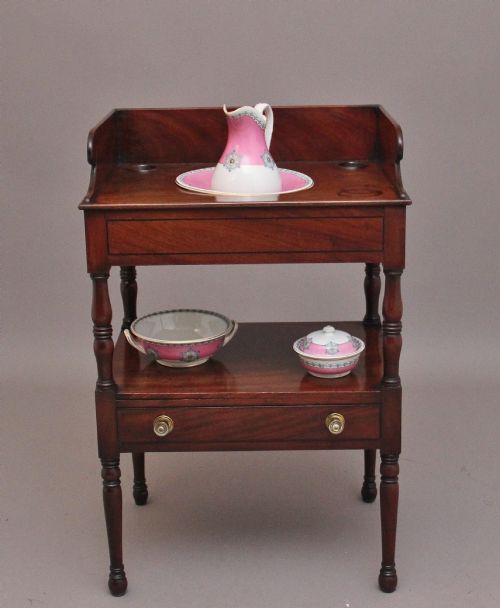
- A piece of furniture built to support a basin and pitcher for washing. These range from simple pine tables to elaborate multi-tier corner units.
- Corner Washstand
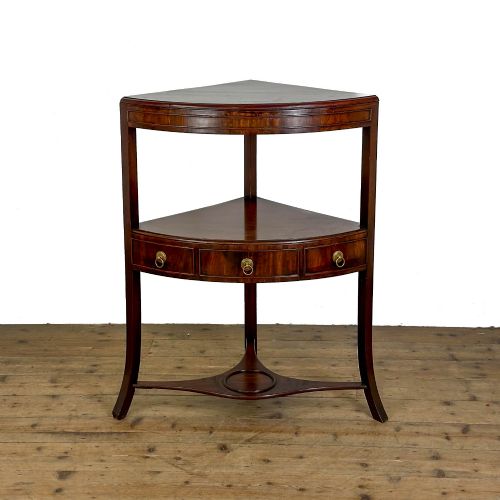
- A specialised triangular form designed to fit neatly into room corners. Georgian cabinetmakers produced many fine examples in mahogany.
- Marble Top
- A stone slab fitted to the surface of a wash table to provide a waterproof area for jugs and basins. White and rouge varieties appear frequently in Victorian designs.
- Tray Top
- A raised rim around the edge of a table or washstand designed to prevent rolling items from falling off. This feature is common on bedside and washing tables from the Georgian period.
- Wash Set
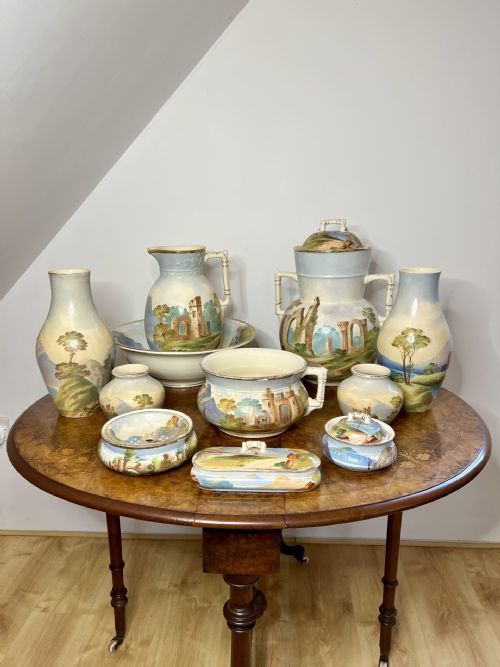
- A matching ceramic basin and jug used alongside the wash table. Edwardian examples often include complete sets.
Antique Wash Table: Frequently Asked Questions
What is an antique wash table?
An antique wash table is a piece of wooden furniture created before modern indoor plumbing to hold a wash basin and jug for morning ablutions. These items were standard bedroom fittings throughout the Georgian, Victorian, and Edwardian periods.
Today, buyers repurpose these tables as sideboards, plant stands, or bathroom vanities due to their compact footprints and practical surfaces.
How do I style a wash table?
You can place a wash table in a hallway as a console, use a corner unit in an unused living room angle, or position a marble-topped version in a bathroom. Their timber frames and stone tops introduce historic character to contemporary interiors.
Keeping original ceramic bowls or glass accessories on the surface highlights the intended historic function of the furniture.
Are marble top washstands durable?
Marble slabs were originally fitted to resist water splashes and staining during daily washing routines. This makes surviving stone surfaces resilient for modern decorative use.
Care should be taken with acidic liquids on antique marble, but general placement in hallways or bedrooms poses few risks to the material.
How do I identify a Georgian washstand?
Georgian examples frequently utilise solid mahogany, often featuring corner configurations designed to maximise bedroom space. Finer pieces display subtle inlay work, tapered legs, and tray tops intended to secure washing equipment.
Proportions remain restrained and elegant, reflecting the cabinetmaking standards of the eighteenth and early nineteenth centuries.