
Victorian Low Cupboard
When you search for a victorian low cupboard, you enter a world of timber storage furniture built to sit beneath eye level.
Victorian Low Cupboard
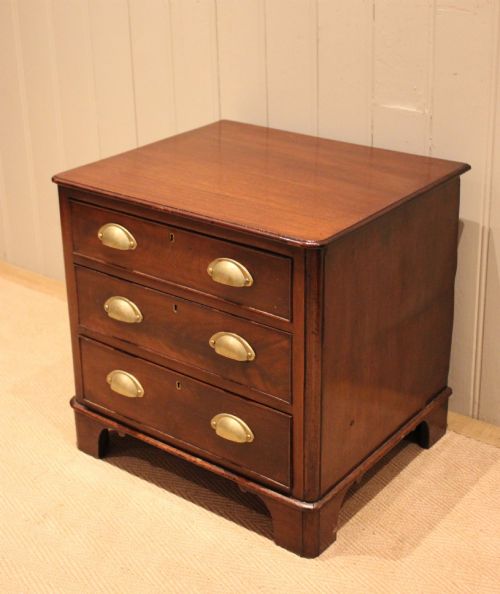
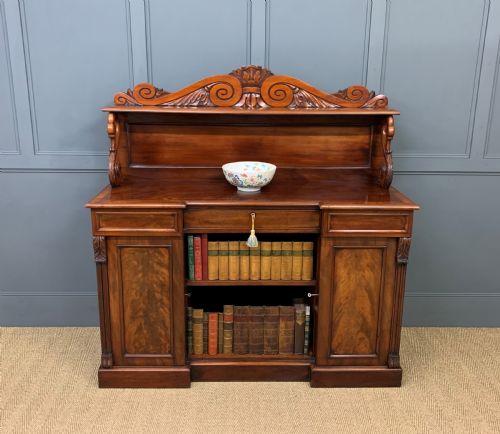
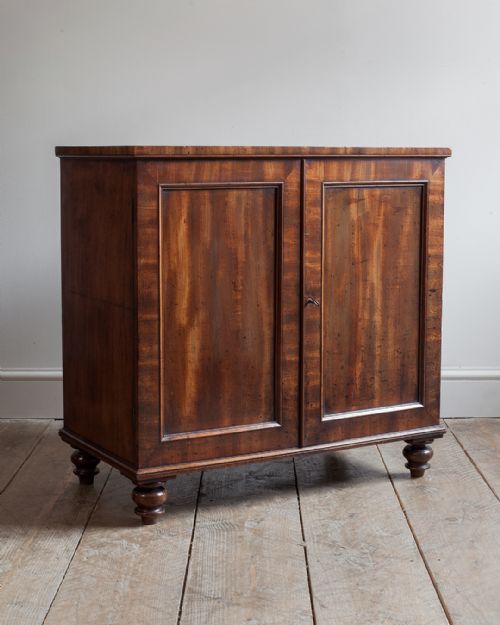
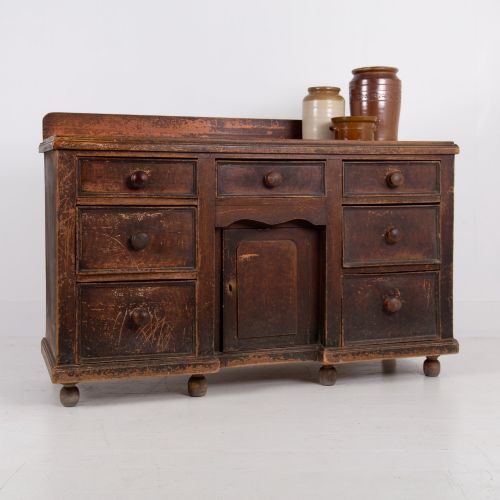
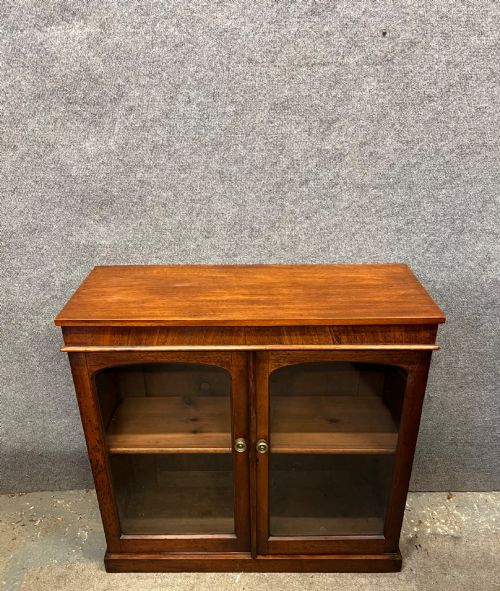
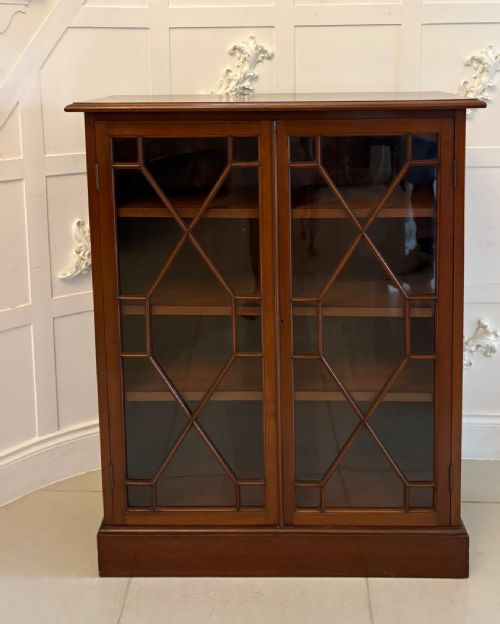
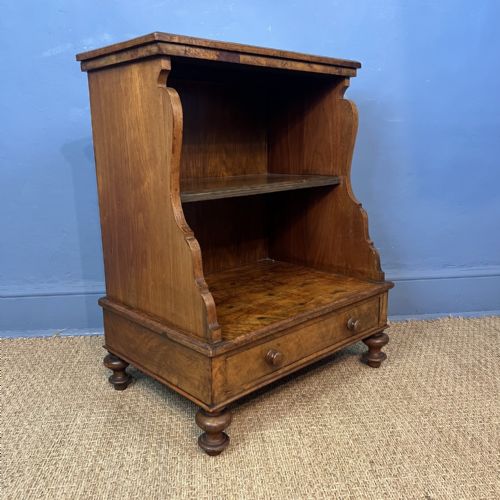
A victorian low cupboard brings practical storage with a low profile, often taking the form of a bedside pot cupboard, a compact sideboard, or a bookcase base fitted with doors below.
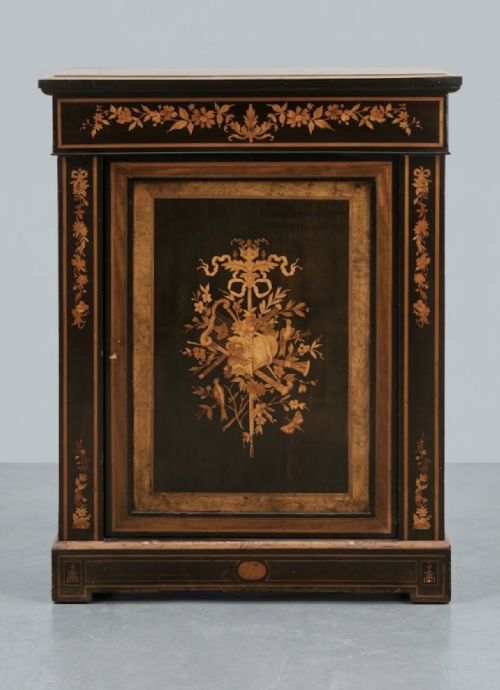
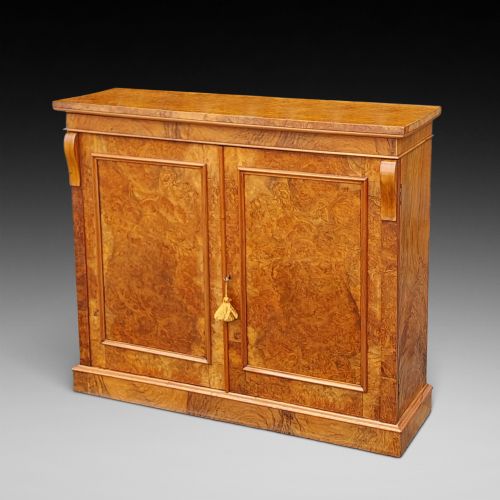
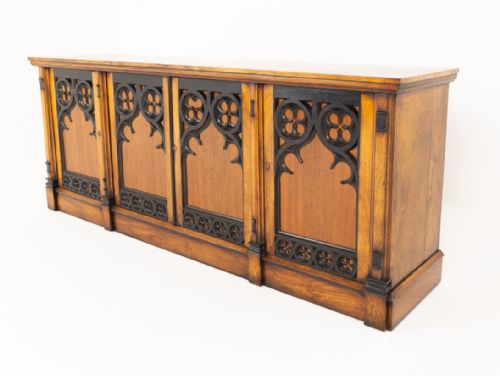
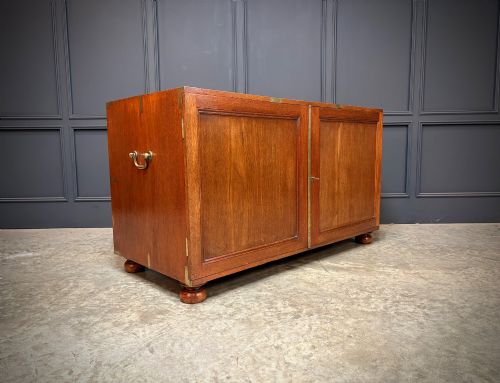
The records show these items span pine country pieces, mahogany library units, and walnut salon cabinets from the nineteenth century.
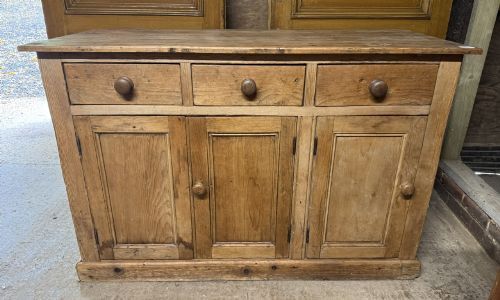
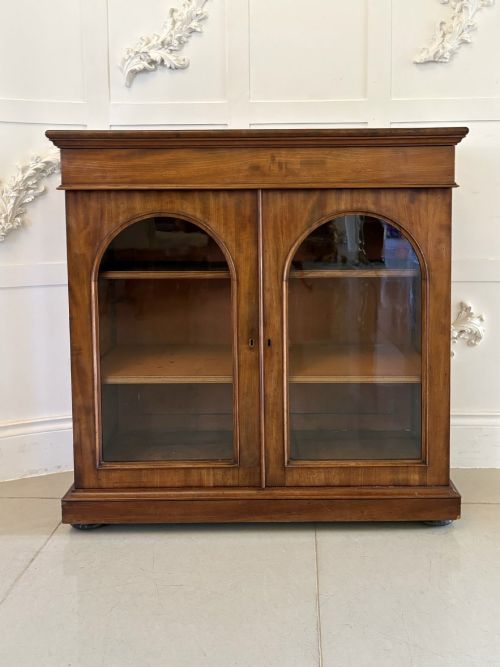
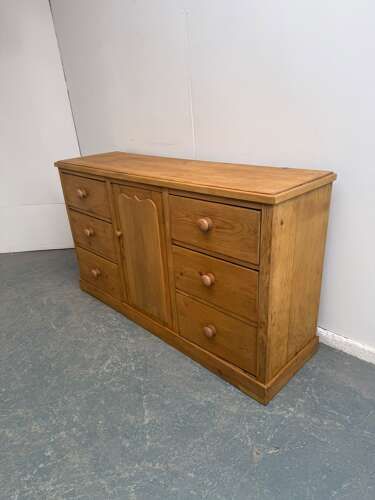
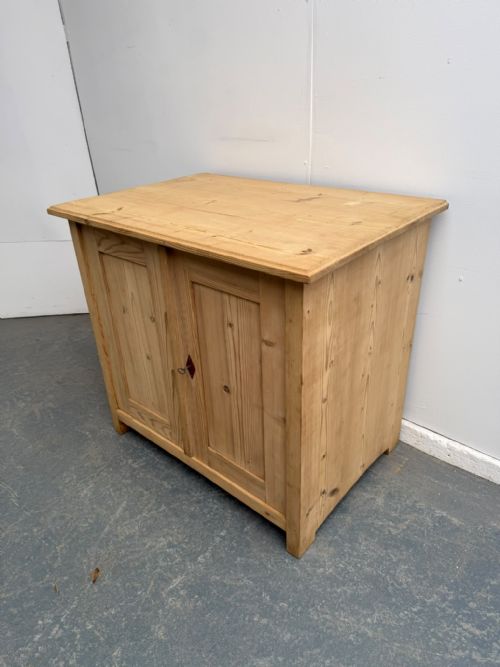
Buyers commonly encounter pine kitchen cupboards, mahogany chiffoniers, and low bookcases designed to keep everyday objects tucked away beneath surface display space.
How they were made
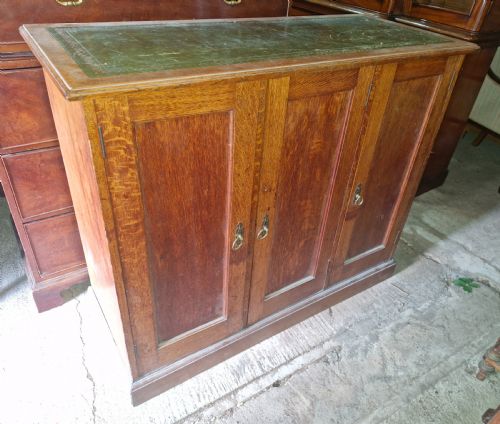
Cabinet makers utilised dense hardwoods like mahogany, walnut, and rosewood alongside utilitarian softwoods such as pine and oak to construct these frames.
Techniques relied on traditional joinery, dovetail drawer construction, and panelled doors, often finished with brass handles, glass panes, or turned wooden feet.
Several pieces feature carved green men peering out from the timber.
What varies in quality
The standard of timber selection divides the work, distinguishing plain deal or pine from highly figured flame mahogany or burr walnut veneers.
Refinement in the carving, the crispness of inlaid details, and the survival of original paint or wax finishes determine the standing of each piece.
Gillows·Gillows and Co·Heal and Sons
The Victorian Low Cupboard Glossary
- Chiffonier
- A low sideboard or cabinet featuring a combination of drawers and doors, typically surmounted by a small shelf or tier.
- Dresser base
- A lower storage unit fitted with cupboards or drawers, originally used in kitchens or dining rooms for provisions and tableware.
- Glazed bookcase
- A cabinet with glass panel doors designed to keep books dust-free while allowing visibility of the shelf contents.
- Pot cupboard
- A small bedside cabinet originally constructed to house a chamber pot behind a single panelled door.
- Figured mahogany
- Timber cut to highlight decorative patterns, swirls, and grain movement in the mahogany log.
Victorian Low Cupboard: Frequently Asked Questions
What rooms suit a low cupboard best?
These compact units fit comfortably in living rooms, bedrooms, and hallways where height is restricted by windows or wall space. Their proportions allow surfaces to hold lamps or displays without dominating the room.
They offer closed storage for books, linens, and daily items while maintaining a low visual weight in the interior.
How do I care for timber surfaces?
Maintenance requires simple dusting with a dry cloth and occasional treatment with traditional beeswax to nourish the wood. Avoid placing cabinets near direct heat sources or strong sunlight to protect the polish.
Keeping humidity stable prevents timber from splitting and preserves the original finish of the piece.
Are shelves usually adjustable?
Many bookcases and display cabinets from this era include movable shelving supported by wooden racks or brass pins. This flexibility accommodates books and objects of varying heights.
Cupboards with fixed interior partitions focus instead on sturdy storage capacity for heavier household goods.
How do I distinguish pine from hardwood pieces?
Pine items generally show a pale softwood grain and often carry traces of old paint, scrubbed surfaces, or wax. They typically served functional roles in kitchens, dairies, and sculleries.
Hardwoods like mahogany and walnut display deeper colour, tighter grain, and finer polish suited to formal libraries and reception rooms.