

Edwardian Tier Side Table
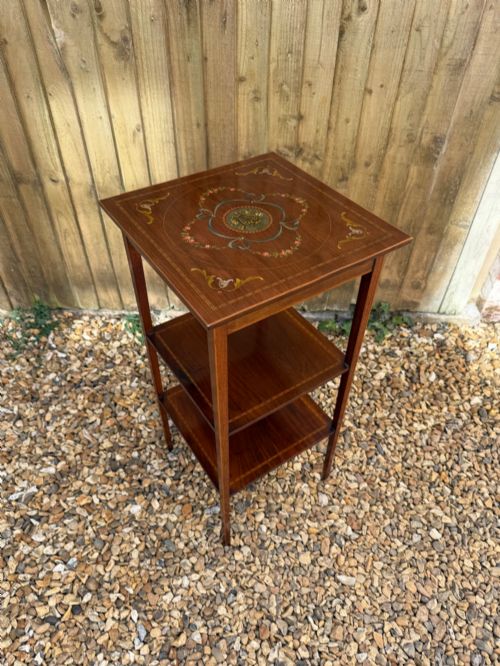
An Edwardian tier side table brings multi-level timber utility to a room, offering compact surface space in mahogany or walnut.
Understanding the edwardian tier side table
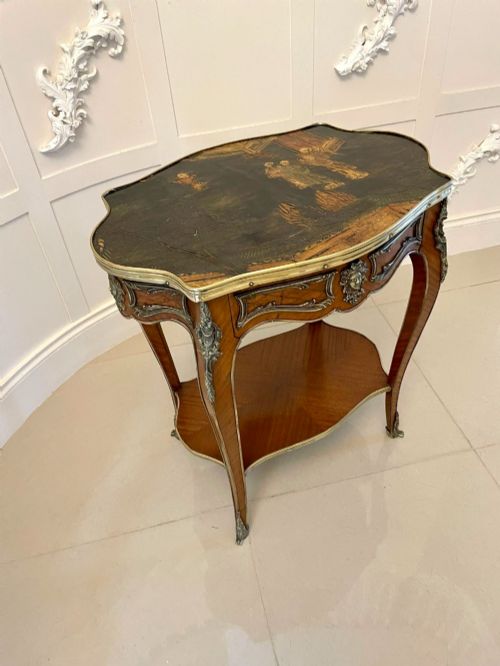
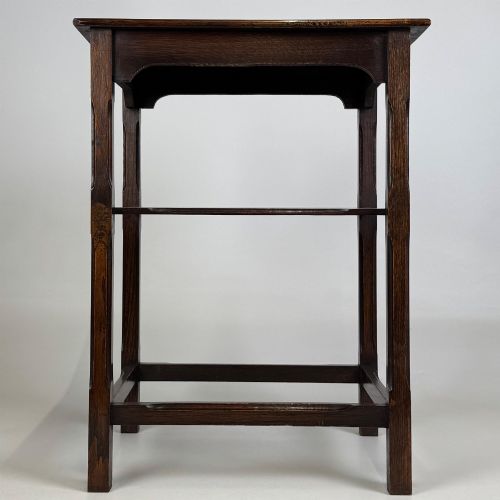
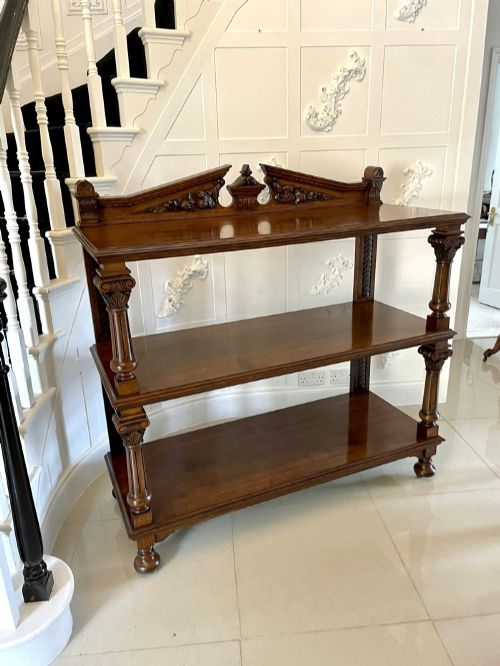
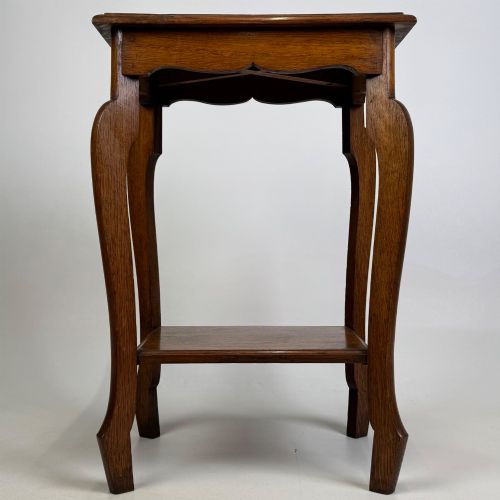
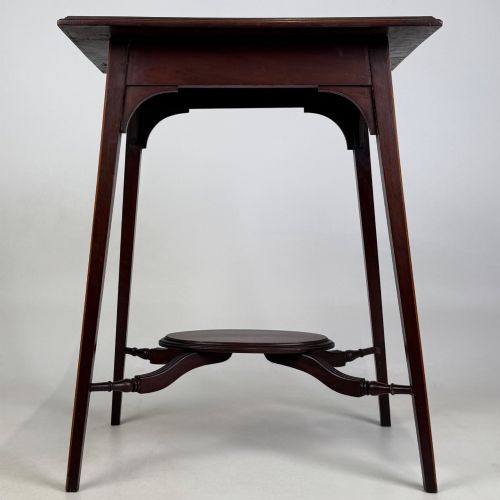
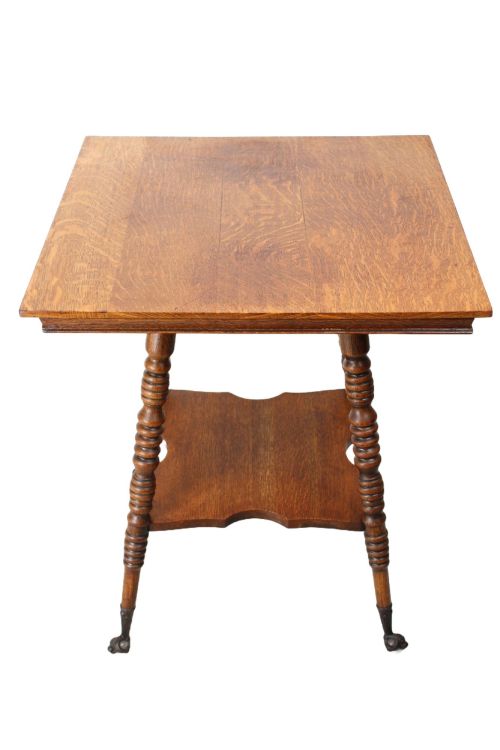
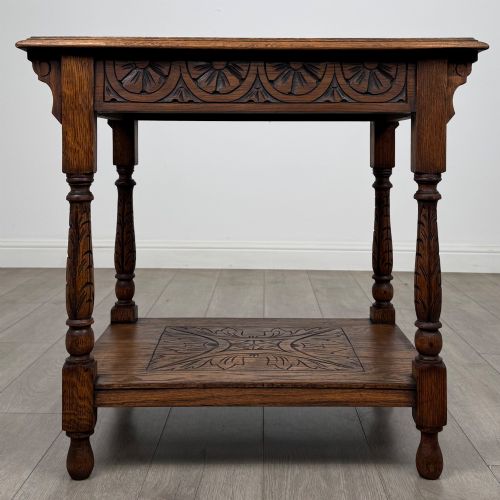
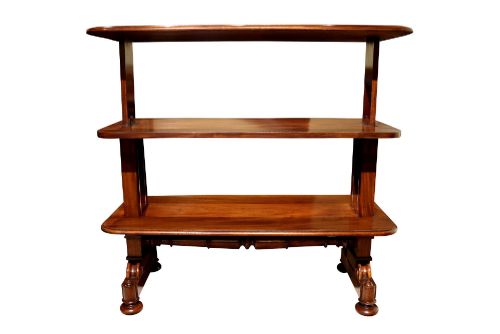
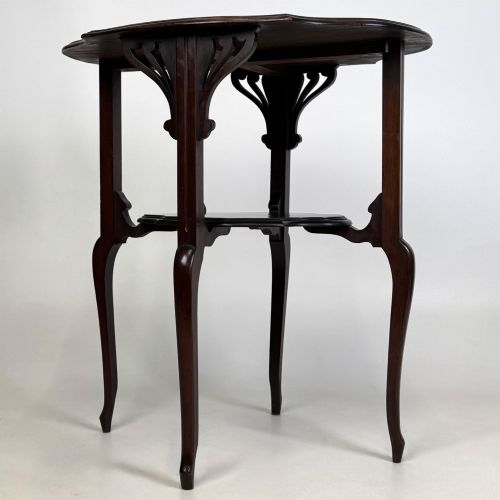
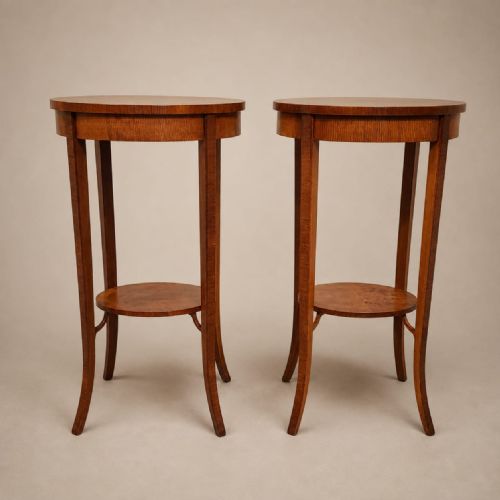
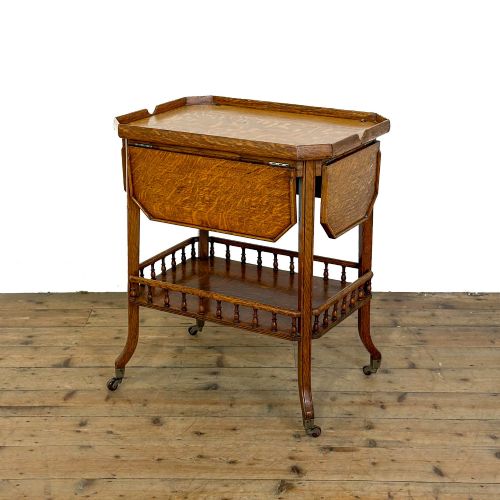
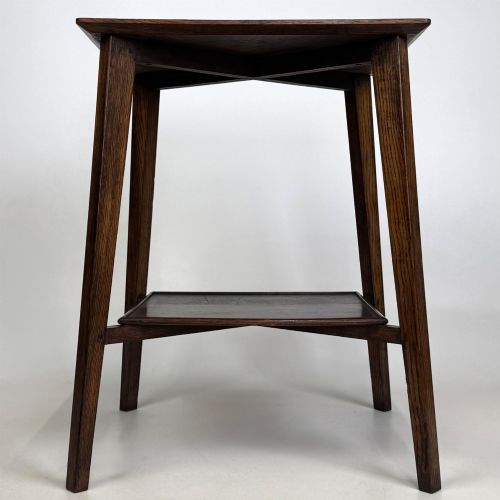
An edwardian tier side table is typically found in forms such as lamp tables, occasional tables, centre tables, and multi-tiered buffets from the early twentieth century. These pieces serve functional roles beside seating or in hallways, providing additional shelves below the main surface.
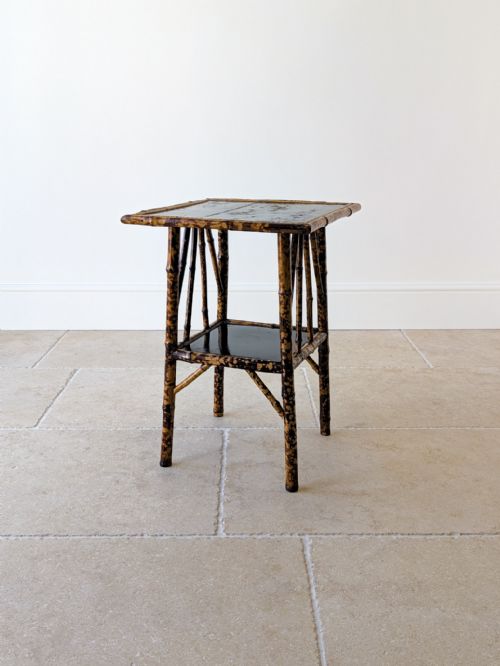
The materials recorded in these pieces include mahogany, walnut, oak, yew wood, maple, and bamboo. Many examples feature multiple tiers supported on slender legs, suited for displaying lamps or holding tea items.
Origins point firmly to the Edwardian era, spanning the years around nineteen hundred to nineteen ten. The inventory shows distinct configurations ranging from simple single-tier occasional tables to elaborate three-tier buffets.
Materials and construction methods
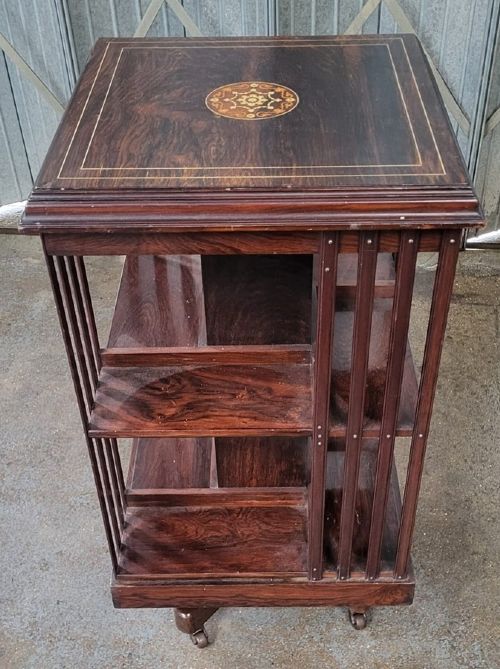
Cabinet makers utilised dense hardwoods such as mahogany and walnut as the primary structural timbers. Surfaces often incorporated decorative elements like satinwood, boxwood, and wood inlay to create visual contrast on table tops.
Construction techniques involved joining multiple timber tiers with upright supports, incorporating brass fittings on specific models like ship's tables. Detail work extended to carved edges, scalloped friezes, and cane or bamboo framing in oriental-style pieces.
Retail Price Guide 2026
Typical UK retail prices for edwardian tier side table, calculated from the Sellingantiques database of over a million retail prices indexed since 2003. This retail price guide relies exclusively on Sellingantiques data; no external sources or auction records are used, so the figures do not describe the wider market.
Listings demonstrate that Edwardian tier side tables frequently utilise mahogany, walnut, and oak, often enhanced with boxwood and satinwood inlay.
Distinctions in craftsmanship
Quality variation rests upon the selection of timber veneers and the precision of the wood inlay work. Tables featuring intricate satinwood stringing or figured walnut show a higher standard of workshop execution than plain timber variants.
Structural complexity also defines the tier, where multi-level buffets and two-tier tables with sturdy brass hardware demonstrate superior joinery compared to basic single-surface occasional pieces.
The Edwardian Tier Side Table Glossary
- Tier
- An additional horizontal shelf positioned beneath the main table surface. This feature maximises storage and display area in a compact footprint.
- Inlay
- Decorative pieces of contrasting timber, such as boxwood or satinwood, set flush into the primary wood surface. It creates geometric or floral patterns across the table top.
- Frieze
- The horizontal band running directly beneath the table top. Scalloped friezes add carved decorative contouring to this structural section.
- Occasional table
- A small, portable table designed for specific, intermittent uses around a room. They appear frequently in lamp table and side table configurations.
- Buffet
- A multi-tiered side table providing three or more levels for storage. These taller pieces offer expanded capacity for serving or display.
Frequently Asked Questions
What is an edwardian tier side table used for?
These tables provide practical surface space across multiple levels for lamps, decorative items, or tea sets. Their compact size makes them versatile for placement beside seating or in hallways.
The lower tiers offer additional storage without increasing the footprint of the furniture. This vertical arrangement suited the domestic requirements of early twentieth-century homes.
How do I identify an edwardian piece?
Identification relies on observing characteristic timbers like mahogany, walnut, and maple combined with stylistic markers from nineteen hundred to nineteen ten. Details such as delicate wood inlay and multi-tier construction are typical.
Construction methods and timber selection reflect the period's manufacturing standards. Comparing the piece against documented examples helps confirm the era.
Are these tables sturdy enough for daily use?
The multi-tier design distributes weight across the supporting structure, provided the joinery remains sound. Solid timber construction in mahogany or oak offers reliable durability for everyday household placement.
Care should be taken with delicate inlaid surfaces and slender legs. Placing them away from heavy traffic areas protects the antique timber.
What is the difference between a side table and an occasional table?
Side tables typically stand permanently against a wall or beside furniture pieces. Occasional tables are lighter, easily moved to different locations as needed.
Both forms appear frequently with multiple tiers in the Edwardian inventory. Their functional overlap often led makers to use the terms interchangeably.