

Small Mahogany Pedestal Table
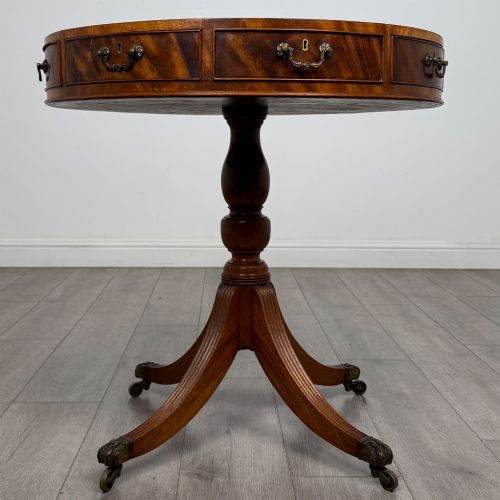
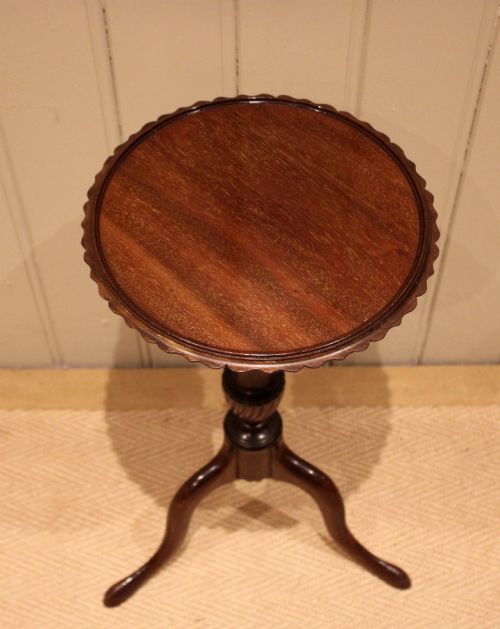
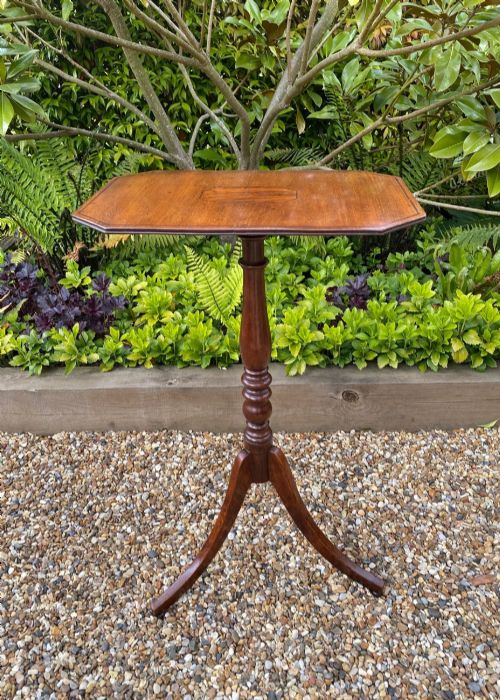
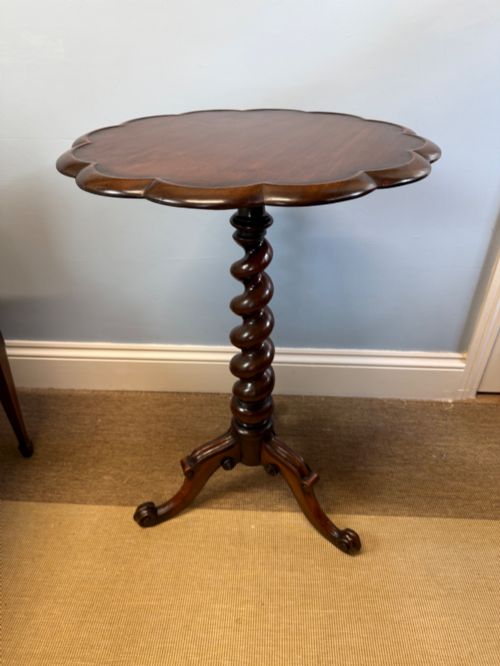
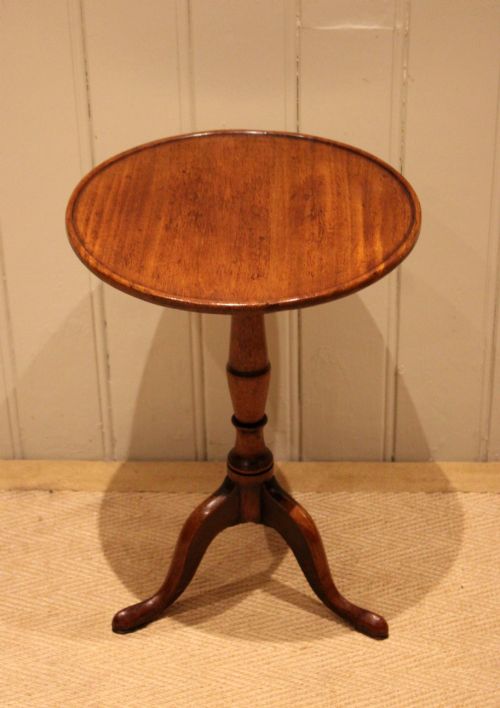
These small mahogany pedestal table pieces are compact surfaces supported by central pillars, ideal for small spaces and traditional interiors.
What these small mahogany pedestal tables are
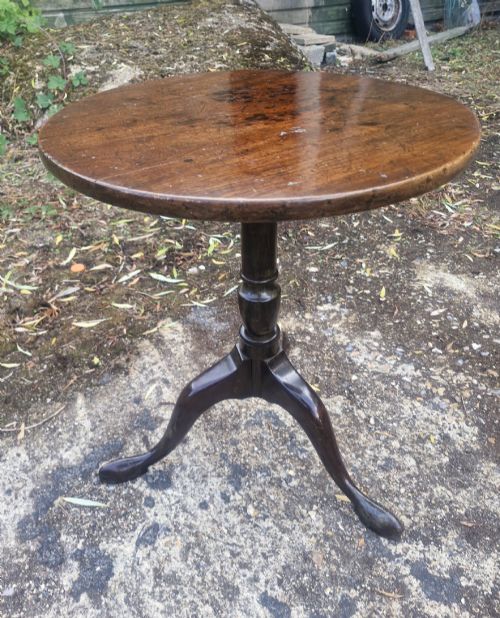
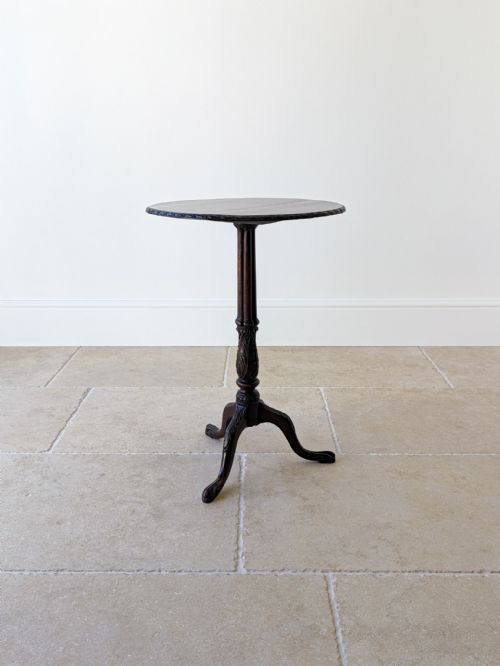
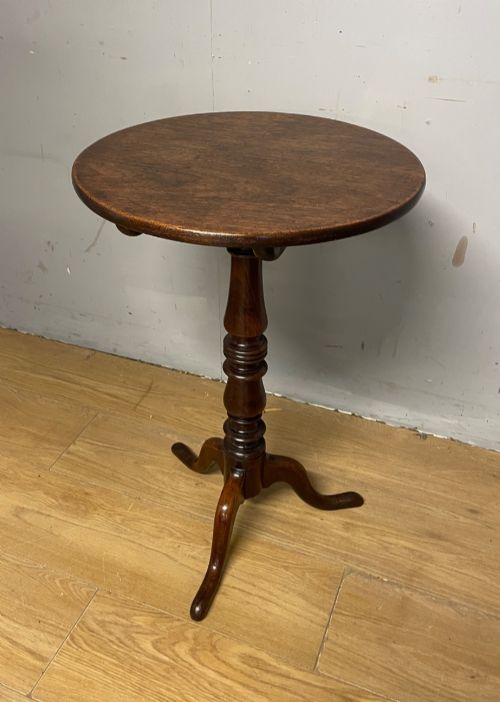
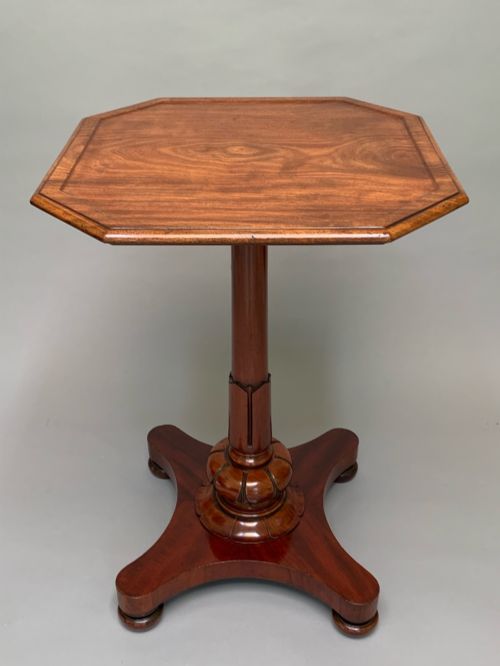
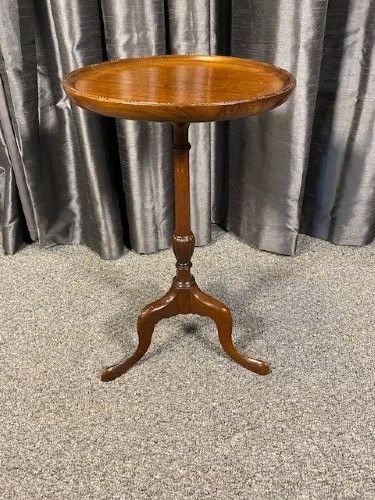
A small mahogany pedestal table provides a compact surface raised on a central pillar, appearing in formats like wine tables, occasional tables, and side tables. Buyers seeking this phrase encounter portable forms intended for domestic convenience, spanning periods from the eighteenth century to the twentieth century.
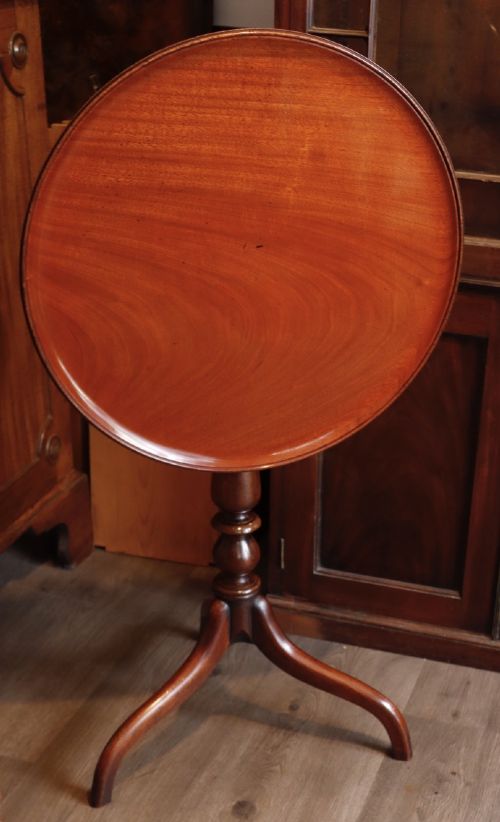
The material focus centres on timber surfaces supported by single tripod legs or twin pedestals, often taking circular, oval, or tilt-top shapes. Examples range from Georgian originals to Edwardian pieces and later revivals in the George II style.
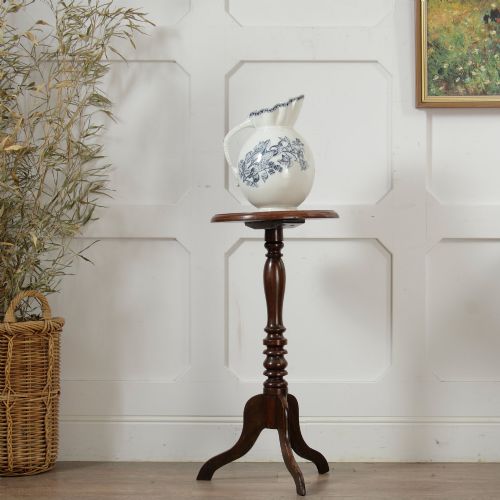
These items function primarily as wine tables, lamp tables, or occasional furniture, designed to stand beside seating or in corners. The forms emphasise mobility and slender proportions rather than heavy storage.
How they were made
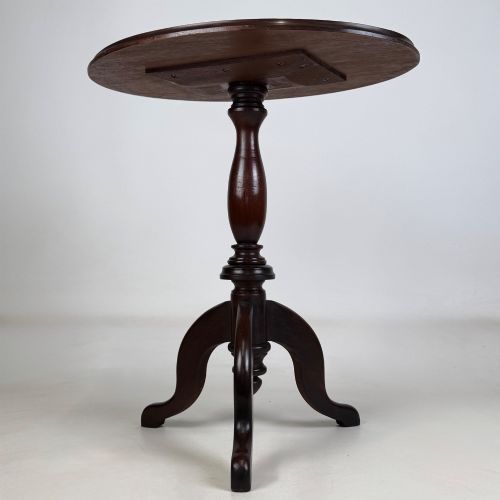
Construction relies on solid mahogany or mahogany veneers shaped into round, oval, or rectangular tops. Central pillars commonly connect to three-legged tripod bases, sometimes incorporating tilt mechanisms for storage.
Joinery methods include turned central stems and fitted blocks beneath the tops, occasional examples featuring inlaid details or needlepoint textile elements.
Retail Price Guide 2026
Typical UK retail prices for small mahogany pedestal table, calculated from the Sellingantiques database of over a million retail prices indexed since 2003. This retail price guide relies exclusively on Sellingantiques data; no external sources or auction records are used, so the figures do not describe the wider market.
Tilt mechanisms let these tables fold flat, doubling as impromptu wall shields for hurried diners.
What varies in quality
Quality rests in the choice of timber figure, the sharpness of the turned pillar, and the stability of the tripod base. Finer examples display well-matched grain patterns and robust joints without unnecessary bulk.
Proportion dictates the visual success of the piece, where slender legs balance the weight of the top gracefully. Later revival interpretations diverge in weight and carving depth from eighteenth-century originals.
The Small Mahogany Pedestal Table Glossary
- Pedestal table
- A table supported by a single central pillar rather than four corner legs. This design maximises floor clearance around the base.
- Tripod table
- A pedestal table standing on three legs. The three-point contact ensures stability on uneven historical floorboards.
- Tilt top
- A table top hinged to tip vertically when not in use. This mechanism allowed tables to be stored flat against walls.
- Wine table
- A small occasional table traditionally used for holding glasses or decanters. These pieces offer modest surface areas suited to drinks or small lamps.
Frequently Asked Questions
What is a small mahogany pedestal table used for?
These pieces serve as handy surfaces for drinks, books, or small lamps beside chairs and sofas. Their compact footprints allow them to fit into corners and tight spaces where larger furniture cannot go.
Historically, specific formats like wine tables held glassware during social gatherings. Today, they function primarily as decorative accent tables in living rooms and studies.
How do I identify a Georgian wine table?
Look for hand-turned central pillars, timber grain showing deep reddish-brown tones, and tripod bases joined with traditional pegs or tenons. Eighteenth-century and early nineteenth-century examples often feature subtle wear and patination.
Revival pieces from later periods may present heavier timber sections or machine-cut components. Comparing the joinery underneath helps clarify the age of the piece.
Can I use a tilt top table daily?
Yes, the tilting mechanism is sturdy enough for routine use, provided the catch beneath the top is engaged properly. Many owners keep them flat for holding lamps or ornaments.
When space is required, releasing the mechanism allows the top to fold flat against the central pillar. Care should be taken with the hinge block when operating older mechanisms.